
Air Canada Flight Veers Off Montreal Runway - No Injuries as TSB Investigates
In a recent CBC News report, passenger Barbara Edelston Peterson described the terrifying moments after Air Canada flight AC774 veered off the runway at Montreal-Trudeau International Airport on Thursday afternoon. The Boeing 737 MAX 8, carrying 156 passengers and six crew members from Los Angeles, completed what appeared to be a normal landing before exiting the taxiway and co
In a recent CBC News report, passenger Barbara Edelston Peterson described the terrifying moments after Air Canada flight AC774 veered off the runway at Montreal-Trudeau International Airport on Thursday afternoon. The Boeing 737 MAX 8, carrying 156 passengers and six crew members from Los Angeles, completed what appeared to be a normal landing before exiting the taxiway and coming to rest on the grass beside the runway. No injuries were reported, but the incident caused significant operational delays at one of Canada's busiest airports and prompted an investigation by the Transportation Safety Board of Canada.
Air Canada Flight Veers Off Montreal Runway — No Injuries as TSB Launches Investigation
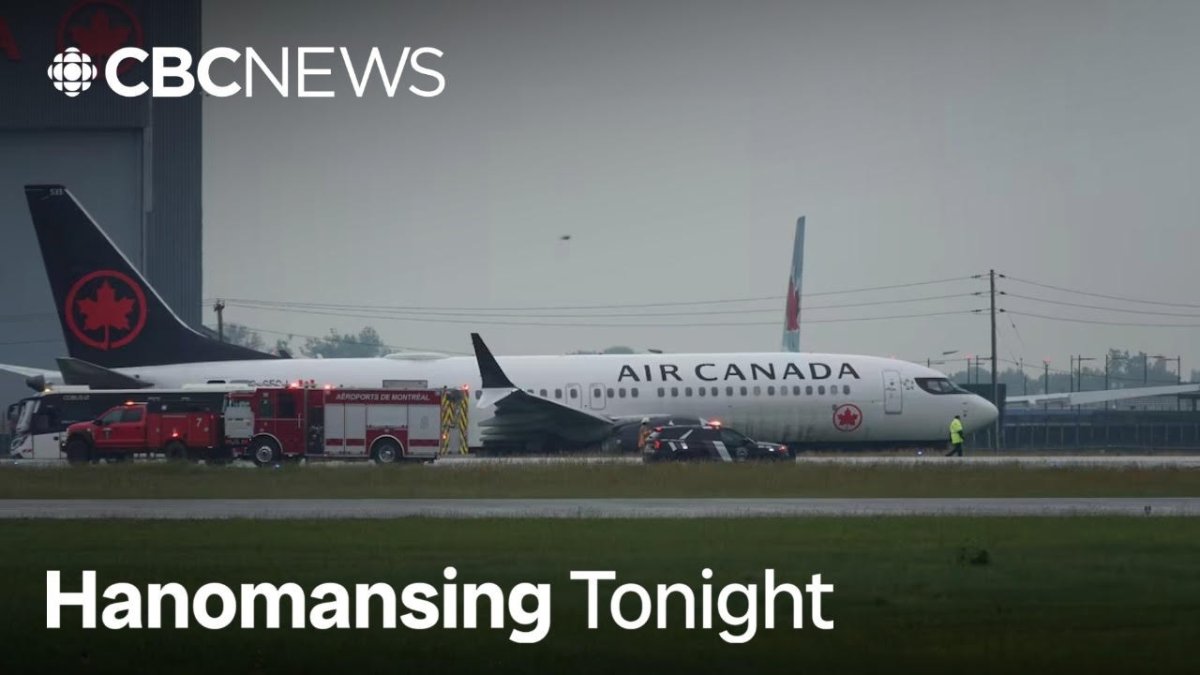
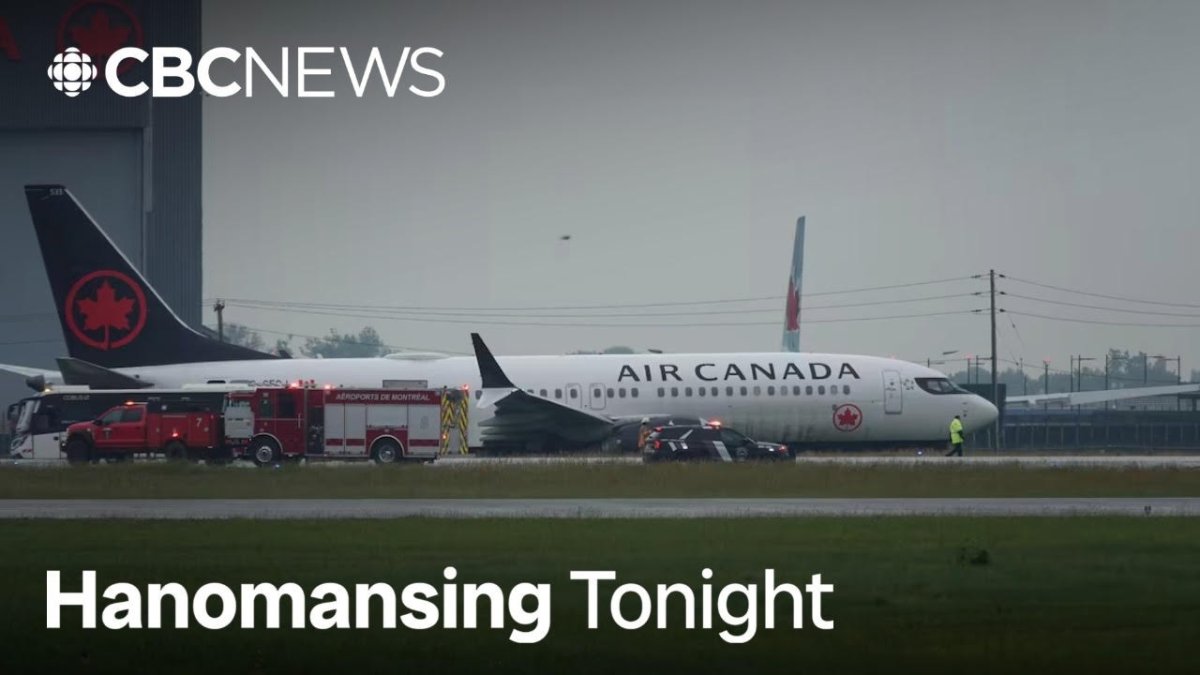
Montreal, Quebec – July 10, 2026 — Air Canada confirmed Thursday evening that flight AC774, arriving from Los Angeles International Airport at approximately 4 p.m. EDT, sustained what it described as a "runway excursion" after landing normally on Runway 06L at Montreal-Trudeau International Airport. The Boeing 737 MAX 8 exited the taxiway and travelled across the grass before coming to a stop.
Passenger Experiences and Crew Response
Barbara Edelston Peterson told CBC News that passengers remained on the aircraft for about three hours before buses arrived to transport them to the terminal. She praised the crew as a "class act" for maintaining calm throughout the wait. The Boeing 737 MAX 8 stayed on the grass beside the taxiway until removal operations began later that evening.
Other passengers on AC774 echoed similar accounts of limited visibility and concern during the three-hour period on the aircraft. Air Canada arranged ground transportation and rebooking assistance for those whose onward connections were affected by the incident at Montreal-Trudeau International Airport.
Airport Operations and Closures
Nav Canada implemented a ground stop and flow restrictions at Montreal-Trudeau International Airport immediately after the 4:00 p.m. EDT event. The north runway remained closed until reopening around 10 p.m. on Thursday, July 9, 2026. Domestic flights experienced average delays of 30 minutes, while U.S.-bound departures faced delays of 45 to 60 minutes during the closure.
Regional weather conditions contributed to operational complexity at the airport throughout Thursday afternoon and evening. Montreal-Trudeau International Airport staff coordinated with Air Canada and Nav Canada to restore normal traffic flow once the runway reopened.
Investigation and Regulatory Response
The Transportation Safety Board of Canada began its formal investigation on Thursday evening, focusing on the sequence that caused the Boeing 737 MAX 8 to leave the taxiway. Air Canada confirmed it would conduct its own internal review in parallel with the TSB examination. Investigators collected data from the aircraft and interviewed crew members before the plane was moved to the hangar.
Canadian aviation regulators require the TSB to examine all runway excursions involving commercial aircraft. The findings from this incident at Montreal-Trudeau International Airport will feed into national safety databases used by Transport Canada and Nav Canada to refine procedures at major hubs.
Broader Effects on Canadian Travel
Air Canada, Canada’s largest airline, operates dozens of daily flights through Montreal-Trudeau International Airport. Thursday’s disruption affected both domestic connections and cross-border services to the United States, highlighting how a single event at one of the country’s busiest airports can ripple across the national network. Passengers travelling onward from Montreal faced rebooking challenges that extended into Friday.
The incident underscores the importance of rapid response protocols at Canadian airports. With summer travel volumes high, even temporary runway closures at Montreal-Trudeau International Airport create measurable delays for travellers across the country. Nav Canada’s flow restrictions helped prevent further congestion while the north runway was closed.
Why This Matters for Canadian Aviation Safety
Runway excursions remain a focus area for the Transportation Safety Board of Canada because they occur at major airports such as Montreal-Trudeau, Toronto Pearson, and Vancouver International. The July 9, 2026, event involving the Boeing 737 MAX 8 provides fresh data on how weather and taxiway conditions interact during peak arrival periods.
Canadian travellers rely on the coordinated efforts of Air Canada, Nav Canada, and the TSB to maintain high safety standards. The absence of injuries on AC774 allowed authorities to concentrate resources on investigation and recovery rather than medical response. Continued monitoring of operations at Montreal-Trudeau International Airport will determine whether additional procedural changes are needed before the next peak travel period.
 By Alex Thompson, Staff Writer
This article was produced with AI-assisted research and editorial support. Reporting is based on sources cited in the article.
What's Your Reaction?
 Like
0
Like
0
 Dislike
0
Dislike
0
 Love
0
Love
0
 Funny
0
Funny
0
 Wow
0
Wow
0
 Sad
0
Sad
0
 Angry
0
Angry
0

Canada Correspondent at Global1.News. Based in Toronto, covering Canadian politics, energy, trade, and US-Canada relations. Provides the Canadian perspective on North American and global affairs.















Comments (0)