
Trump Refuses to Sign Bipartisan Housing Bill in SAVE Act Standoff
President Donald Trump has thrown the housing market into chaos by refusing to sign the landmark 21st Century ROAD to Housing Act, a sweeping bipartisan package that cleared the House 358-32 and the Senate 85-5. He abruptly canceled the signing ceremony, dismissed the entire effort as a “big yawn,” and is now holding the bill hostage until Congress delivers his prized SAVE Amer
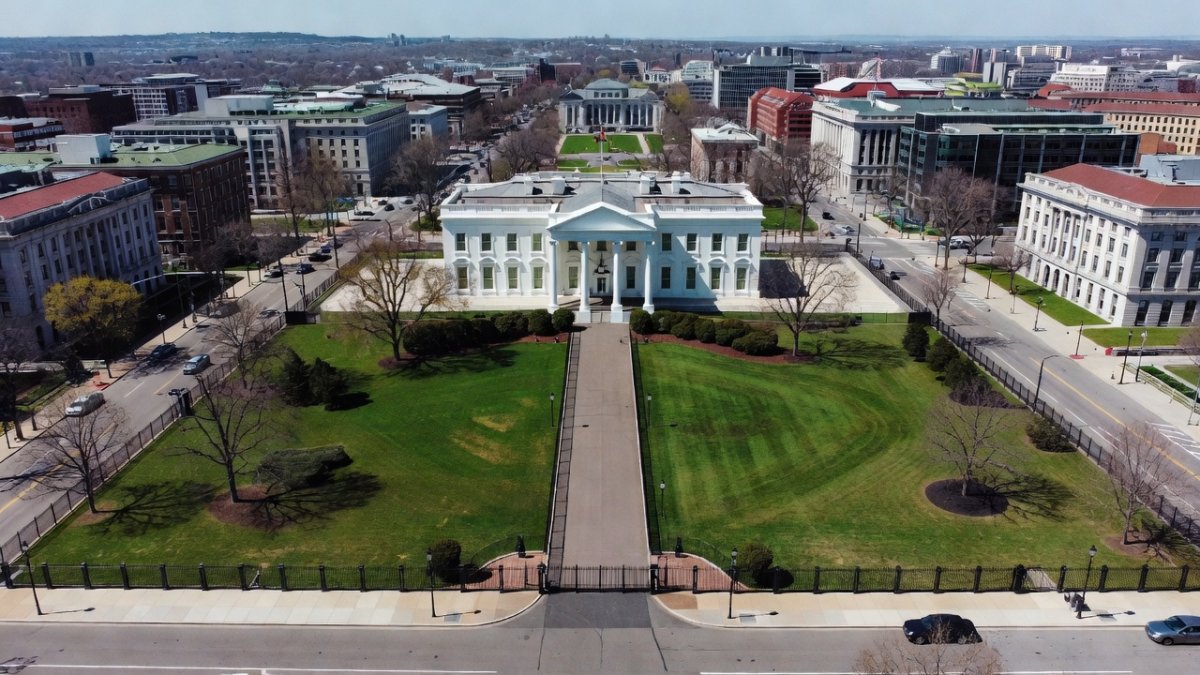
President Donald Trump has thrown the housing market into chaos by refusing to sign the landmark 21st Century ROAD to Housing Act, a sweeping bipartisan package that cleared the House 358-32 and the Senate 85-5. He abruptly canceled the signing ceremony, dismissed the entire effort as a “big yawn,” and is now holding the bill hostage until Congress delivers his prized SAVE America Act on voter ID and proof-of-citizenship rules. The constitutional clock is ticking. If he neither signs nor vetoes by midnight tonight—July 10, 2026—the bill becomes law automatically while Congress remains in session. Folks, this is not abstract Beltway theater. This is the difference between millions of families ever owning a home and watching prices keep climbing into the stratosphere.
The Bill That Nearly Was
The 21st Century ROAD to Housing Act arrived with rare bipartisan pedigree. Senators Elizabeth Warren of Massachusetts and Tim Scott of South Carolina co-sponsored the measure, pairing Warren’s focus on affordability with Scott’s emphasis on community banks and rural development. After months of negotiation, the 380-page bill containing 56 distinct provisions passed both chambers with veto-proof margins. The New York Times called it “the most comprehensive housing legislation of the 21st century.” The BBC, AP, NPR, and Boston Globe echoed the assessment, each noting the bill’s breadth across institutional investor restrictions, regulatory reform, and targeted aid for veterans and rural communities.
Yet Trump’s refusal caught even Republican leaders flat-footed. AP reporting revealed that GOP negotiators had expected a routine Rose Garden event. Instead, the president pivoted to his voter-ID priority, labeling the housing bill a distraction. Home prices remain sky-high, the median age of first-time buyers sits at an all-time high, and rents continue to outpace wage growth in nearly every major metro. Warren’s office released a statement calling the legislation “the most significant action on housing affordability in decades.” That statement now reads like a eulogy unless Congress forces the president’s hand or the automatic-enactment provision kicks in at midnight.
What's Actually in the Bill?
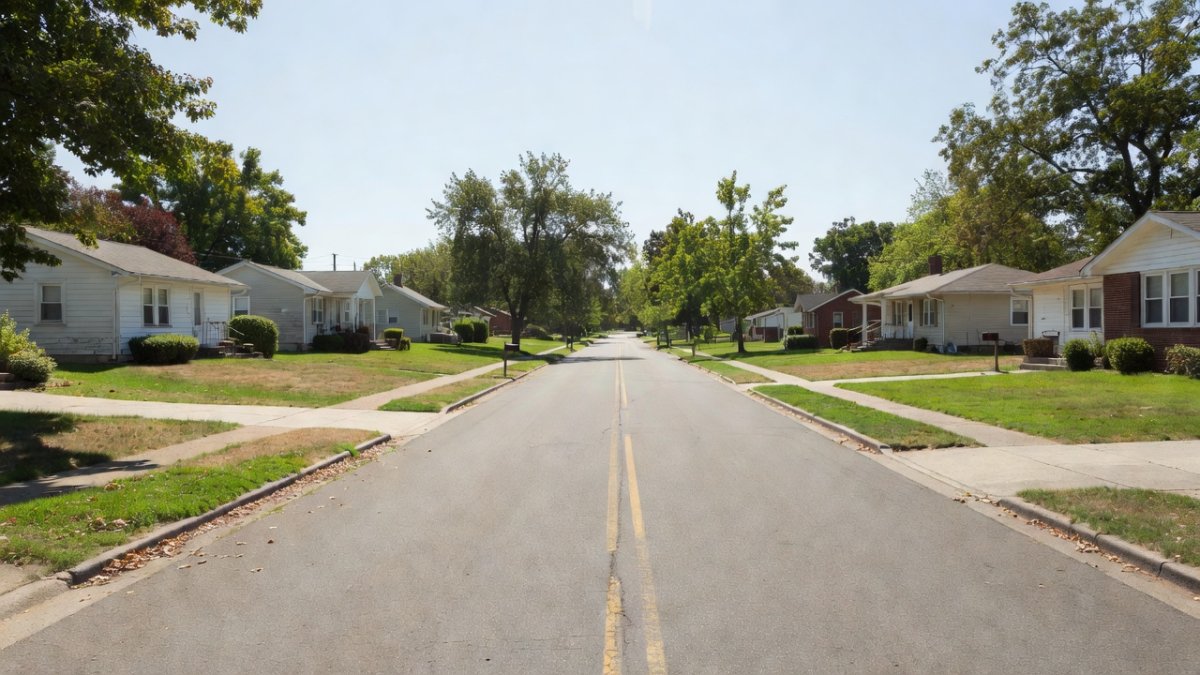
Let’s walk through the substance, because the details matter. The bill bans institutional investors from owning fifty or more single-family homes in any single metropolitan area, directly targeting the corporate consolidation that has driven up entry-level prices. It slashes federal red tape that currently adds an average of eighteen months and tens of thousands of dollars to new construction projects. Grants and pilot programs would fund modular and site-built housing in high-cost regions, while separate provisions expand financing options for manufactured homes and modernize mortgage rules that have long disadvantaged rural borrowers.
Rural housing receives dedicated funding streams for infrastructure and rehabilitation. Veterans gain expanded access to zero-down-payment programs tied to new construction targets. Community banks receive regulatory relief so they can originate more local mortgages without tripping federal compliance costs. Fifty-six provisions in total, each one scored by the Congressional Budget Office as either deficit-neutral or modestly positive over ten years. NPR’s housing desk noted that no single piece of legislation since the 1960s has attempted this level of simultaneous supply-side reform and demand-side protection. The Boston Globe highlighted the investor cap as “the first meaningful check on Wall Street’s single-family buying spree.”
The Hostage: SAVE America Act
Trump’s counter-demand is the SAVE America Act, which would require every new voter to present a passport or birth certificate proving citizenship and photo identification at every polling place. The measure passed the House along party lines but remains stalled in the Senate, where several Republicans worry about suppressing turnout among elderly and rural voters who lack easy access to those documents. Trump has framed the housing bill as leverage: no voter-ID law, no signature on housing relief. The contrast is deliberate and political. One bill addresses the tangible crisis of shelter costs; the other addresses his long-standing election-integrity talking point.
Constitutionally, the president has ten days while Congress is in session to act. If he does nothing, the housing bill becomes law at midnight tonight. If he vetoes, Congress would need those same veto-proof margins again to override—an uncertain prospect given how many Republicans are now publicly second-guessing the hostage strategy. The deadline is not theoretical. It is today.
The Political Calculus
Republicans on Capitol Hill are scrambling. Midterm elections loom in November 2026, and polls already show housing costs as the top pocketbook issue for swing voters under forty. By tying popular affordability measures to a more divisive voter-ID bill, Trump risks handing Democrats a clean campaign issue: Republicans chose election rules over roofs. Some GOP strategists quietly admit the move looks like self-sabotage. Others argue the president is banking on base mobilization, betting that “election integrity” will outweigh “my kid can’t afford rent.” The calculation is cold. Homeownership rates have already slipped among millennials and Gen Z; if those cohorts stay home in protest, the midterms could flip regardless of any SAVE Act passage.
Warren and Scott have both signaled willingness to keep negotiating on voter ID after the housing bill is secured, but Trump’s team has rejected that sequencing. The result is a manufactured crisis that leaves actual policy hostage to messaging. Folks, call it what it is: political gamesmanship dressed up as principle.
What Happens Next?
At midnight the automatic clock expires. If Trump signs, the 21st Century ROAD to Housing Act becomes law and the SAVE America Act fight continues on its own merits. If he vetoes, the override math becomes the next battle. If he does nothing, the housing provisions take effect without his signature and the political blame game intensifies. Either way, the public now holds leverage. Call your representatives today. Tell them you expect the housing bill to be protected regardless of side deals. Track the midnight deadline on every network and social platform. Organize locally so that when the next Congress convenes, members know voters watched this spectacle and remembered who chose obstruction over affordability. The power is not in the White House alone. It is in the pressure that forces action before the clock runs out. Stay engaged. The homes of the next generation depend on it.
By Jessica Ali, Lead Anchor — Global 1 News
This article was produced with AI-assisted research and editorial support. Reporting is based on sources cited in the article.
What's Your Reaction?
 Like
0
Like
0
 Dislike
0
Dislike
0
 Love
0
Love
0
 Funny
0
Funny
0
 Wow
0
Wow
0
 Sad
0
Sad
0
 Angry
0
Angry
0

Editor-in-Chief at Global1.News. Atlanta-based journalist who cuts through the BS and tells it like it is. Lead anchor, host, and the voice you hear when the spin stops and the truth starts.















Comments (0)