
US Strikes Near Bushehr Nuclear Plant as Israel Warns of Greater Force: The 2026 Iran War Enters Day 132
The fragile three-week ceasefire between the United States and Iran has collapsed into a new and dangerous escalation. US forces have struck more than 80 targets across southern Iran — including sites near the Bushehr nuclear power plant — while Israel warns it is prepared to hit Iran with greater force. Iran has retaliated by attacking US military infrastructure in Gulf states
The fragile three-week ceasefire between the United States and Iran has collapsed into a new and dangerous escalation. US forces have struck more than 80 targets across southern Iran — including sites near the Bushehr nuclear power plant — while Israel warns it is prepared to hit Iran with greater force. Iran has retaliated by attacking US military infrastructure in Gulf states, firing missiles toward Jordan, and slowing shipping through the Strait of Hormuz to a crawl. This latest cycle of strikes, beginning July 7 and continuing through July 10, threatens to redraw the strategic map of the Middle East at a moment when the region is still absorbing the fallout from the broader 2026 Iran War.
US Strikes Near Bushehr Nuclear Plant as Israel Warns of Greater Force: The 2026 Iran War Enters Day 132
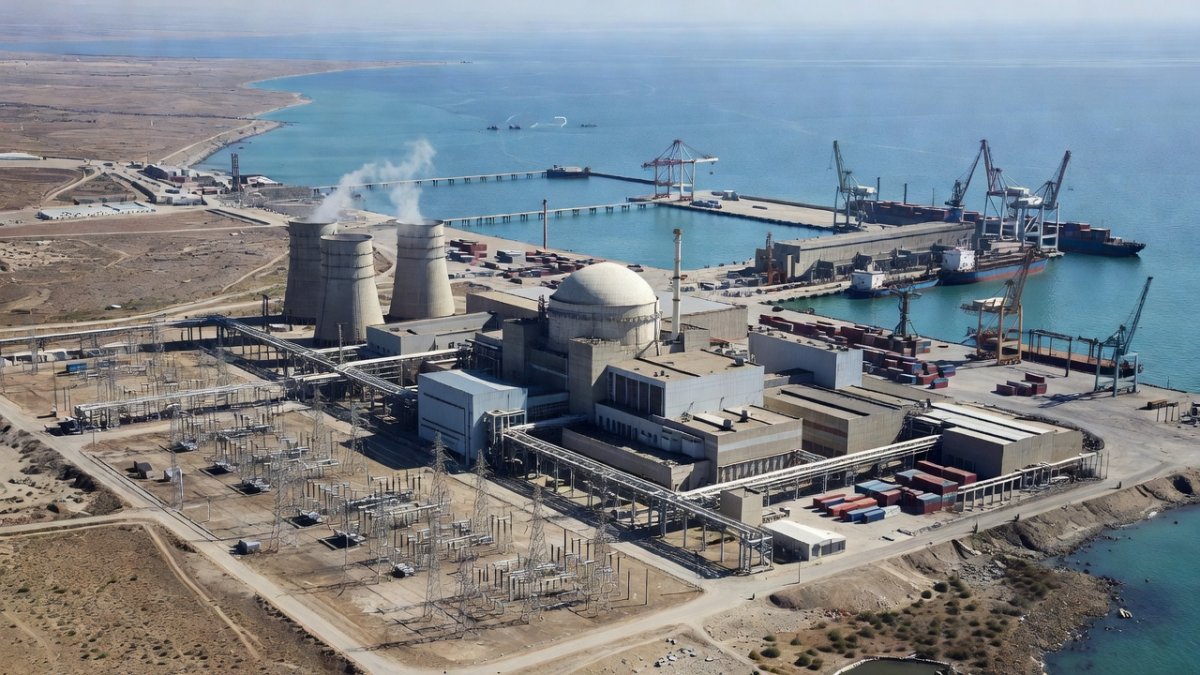
Beirut, Lebanon – July 10, 2026 — The 2026 Iran War has entered Day 132 with no end in sight, as the United States launched its most significant military operations since the February 28 conflict began. US Central Command confirmed strikes across southern and eastern Iran, with Iranian state media reporting projectiles landing near the perimeter of the Bushehr nuclear power plant — Iran's only operational civilian nuclear facility, constructed with technical assistance from Russia's Rosatom.
US Military Operations: Targets and Strategy
The latest US strikes hit approximately 80 targets across Iran's southern provinces, including the Bushehr region, Sirik, Bandar Abbas, Konarak, and Choghadak. The US Treasury concurrently revoked Iran's general license for crude oil and petrochemical sales, which had been valid through August 21 under the interim June agreement. Iran's Mehr News Agency reported explosions across multiple sites, with Iranian air defense systems responding. Deputy Governor of Bushehr province confirmed to state media that a US projectile struck the area surrounding the nuclear plant, though the facility itself was not directly hit.
Washington framed the operations as defensive measures aimed at deterring further Iranian attacks on Gulf shipping and US positions. "These strikes were designed to further degrade Iran's ability to threaten freedom of navigation in the Strait of Hormuz," CENTCOM stated, echoing language used in earlier phases of the conflict.
Israel's Position: Readiness for Greater Force
Israeli officials have signaled that Jerusalem is prepared to escalate its own military campaign against Iran if the current round of strikes does not produce strategic effects. Intelligence shared with US counterparts reportedly included details of a new Iranian plot targeting former President Donald Trump, adding a personal dimension to Washington's calculus. Israel's earlier campaign against Iran's proxy network — particularly the Islamic Revolutionary Guard Corps' assets in Lebanon, Syria, and Iraq — had already degraded Tehran's ability to open multiple fronts simultaneously.
The Israeli strategic calculus hinges on a window of opportunity: with the United States already engaged in combat operations, Jerusalem can strike high-value Iranian nuclear and military targets under the cover of broader US operations. However, this approach carries significant risks. Iran has demonstrated its willingness to target Israeli territory directly, and a wider conflagration could draw in Hezbollah remnants in Lebanon despite their degraded capabilities.
Iranian Retaliation and Domestic Cohesion
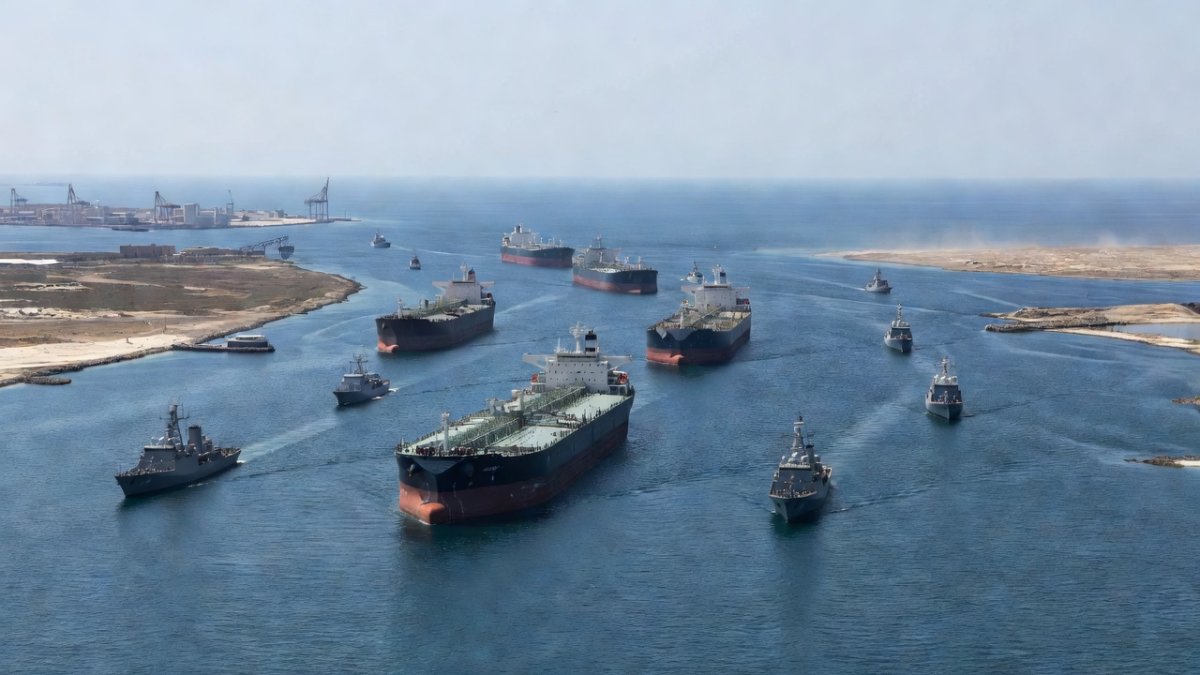
Tehran responded to the US strikes by launching attacks on US military infrastructure in Kuwait, Bahrain, and Qatar. Iran also fired ten missiles toward Jordan, expanding the geographic scope of its retaliation. These strikes represent a departure from Iran's earlier reliance on proxy forces, signaling that Tehran is now prepared for direct confrontation with American forces in the Gulf.
On the domestic front, the funeral of slain Supreme Leader Ali Khamenei in Mashhad drew massive crowds, underscoring the regime's continued ability to mobilize public support despite military setbacks. The succession question remains unresolved, with ongoing speculation about Mojtaba Khamenei's role and the internal power struggle within the Islamic Republic's leadership. Iranian officials have vowed that external pressure will not force capitulation, even as international sanctions tighten and the IRGC's conventional military options narrow.
The Strait of Hormuz Crisis and Global Energy Markets
The Strait of Hormuz — the narrow waterway through which approximately 20 percent of the world's oil passes — has become the central battleground of this renewed escalation. Attacks on Qatari and Saudi tankers triggered the current cycle of violence, and shipping traffic has slowed sharply as insurance premiums skyrocket and naval escorts become essential. Oil prices hover near US$76 per barrel, on track for a weekly gain as traders price in the risk of extended disruption to Gulf supply routes.
Gulf Arab states find themselves in an increasingly difficult position. Saudi Arabia, the UAE, Qatar, Kuwait, and Bahrain must balance their security partnerships with Washington against the risk of becoming direct targets of Iranian retaliation. The Saudi-led OPEC+ coalition faces the dual challenge of stabilizing global oil markets while managing the internal political pressures of a regional conflict on their doorstep. Gulf sovereign wealth funds, estimated at over US$3 trillion collectively, provide a buffer against short-term economic disruption, but prolonged instability threatens Vision 2030 and other diversification programs.
Russia, China, and Great-Power Positioning
Russia's Rosatom evacuated 198 technical staff from the Bushehr nuclear facility in April 2026 after a previous projectile struck near the plant. Moscow has since indicated plans to return personnel by mid-July, signaling continued Russian investment in Iran's civilian nuclear infrastructure despite the conflict. Russian Foreign Ministry officials have expressed "deep outrage" at strikes near the plant, which Moscow partially constructed.
China, Iran's largest crude oil purchaser, has maintained strategic ambiguity throughout the conflict. Beijing's energy needs create a natural alignment with Tehran, but China has avoided direct confrontation with Washington over the strikes. Chinese state media has framed the conflict as a consequence of US "hegemonism" while continuing to purchase discounted Iranian crude through intermediary channels.
Diplomatic Track: Talks Continue Despite Strikes
Remarkably, technical talks between US and Iranian representatives continue even as military operations escalate. Washington has stated that it "wants to pursue diplomacy" while simultaneously conducting strikes. This dual-track approach reflects a fundamental strategic tension: both sides appear to believe that military pressure strengthens their negotiating position, creating incentives for continued escalation rather than de-escalation.
Pakistan has urged restraint, reflecting broader regional concern that the conflict could expand to include additional actors. The Trump administration declared the June ceasefire agreement "over" following the renewed strikes, though neither side has formally withdrawn from the underlying framework negotiated in Doha. The 14-point Memorandum of Understanding signed in June — which included a US$3 billion asset release and a military hotline — now appears severely compromised if not effectively defunct.
Regional Implications and Strategic Outlook
The collapse of the ceasefire and the resumption of large-scale strikes reshape the strategic environment across the Middle East. Gulf states are accelerating defense cooperation with the United States while simultaneously exploring hedging strategies through diplomatic engagement with Tehran. The Sunni-Shia geopolitical competition that has defined the region for decades is now compounded by a direct US-Iran military confrontation unprecedented in its intensity.
For Israel, the opportunity to degrade Iran's nuclear and missile capabilities under the cover of US operations must be weighed against the risk of drawing sustained retaliatory fire. For Iran, the imperative to demonstrate resilience and deter further strikes competes with the reality of a degraded proxy network and tightening economic pressure. For Gulf states, the conflict tests the limits of their ability to maintain security, energy exports, and economic diversification simultaneously.
The coming weeks will determine whether this escalation represents a temporary spike within an eventual return to negotiations, or a fundamental shift toward protracted conflict. What is clear is that the strategic dynamics of the Middle East — from the Strait of Hormuz to the nuclear facilities at Bushehr — are being reshaped in real time, with consequences that will reverberate far beyond the region.
By Malik Hassan, Staff Writer
This article was produced with AI-assisted research and editorial support. Reporting is based on sources cited in the article.
What's Your Reaction?
 Like
0
Like
0
 Dislike
0
Dislike
0
 Love
0
Love
0
 Funny
0
Funny
0
 Wow
0
Wow
0
 Sad
0
Sad
0
 Angry
0
Angry
0

Middle East Correspondent at Global1.News. Based in Beirut, covering politics, conflict, energy, and society across the Middle East. Brings context and depth to a region often reduced to headlines.












Comments (0)