
Ghetto Kids to Perform with Shakira at World Cup 2026 Final
Uganda's Ghetto Kids dance troupe received an invitation to perform alongside Shakira at the FIFA World Cup 2026 final halftime show, a moment that places East African street dance traditions on one of the planet's largest platforms. Their journey from Kampala's dusty neighborhoods to this global spotlight echoes how African rhythms and movements have long shaped international
Uganda's Ghetto Kids dance troupe received an invitation to perform alongside Shakira at the FIFA World Cup 2026 final halftime show, a moment that places East African street dance traditions on one of the planet's largest platforms. Their journey from Kampala's dusty neighborhoods to this global spotlight echoes how African rhythms and movements have long shaped international music and performance cultures. This opportunity highlights the continent's creative energy reaching audiences far beyond local streets and festivals.
From Kampala's Streets to the World Stage: Ghetto Kids Set to Dazzle with Shakira at World Cup Final
Dakar, Senegal — In a story that reads like a movie script, a group of young dancers from the slums of Kampala, Uganda, are preparing for what could be the biggest performance of their young lives — an appearance alongside Colombian pop icon Shakira at the FIFA World Cup 2026 final halftime show on July 19 at MetLife Stadium in New Jersey, United States.
From Kampala's Streets to Global Stardom
The Ghetto Kids, also known as Triplets Ghetto Kids, began around 2014 when children started dancing barefoot on dusty streets in Kampala's poorest areas. Their signature style blends Ugandan rhythms with contemporary street dance, creating energetic routines that quickly drew local attention in the Ugandan capital. Over the years the group evolved from informal street sessions into a recognized dance troupe and NGO based in Kampala.
Founder and coach Dauda Kavuma guided the troupe through early performances that showcased their raw talent and discipline. The organization built an international following with appearances at the 2017 BET Awards, The Tonight Show Starring Jimmy Fallon, and a feature on the cover of VIBE Magazine. They also appeared in music videos for French Montana's "Unforgettable" and several Chris Brown tracks.
The dancers earned awards at BET and AFRIMMA, the All Africa Music Awards, which opened doors to further global stages. Their journey from poverty in Kampala's slums to these platforms demonstrates how consistent practice and community support can transform lives. The troupe's story resonates with many young people across East Africa who see dance as a path out of hardship.
Performances in major cities like New York and Los Angeles helped refine their choreography while keeping core Ugandan elements intact. The group maintained strong ties to Kampala even as opportunities expanded abroad. This balance between local roots and international exposure strengthened their identity as cultural ambassadors.
Their growth reflects broader patterns in African creative communities where street-born talents reach worldwide recognition through persistence and viral moments. The Ghetto Kids' early barefoot routines in Kampala laid the foundation for everything that followed.
How a Viral Video Changed Everything
The Ghetto Kids created a viral dance video to Shakira's song "Dai Dai," the official 2026 FIFA World Cup track featuring Burna Boy. The video gained traction online and caught the attention of Shakira's team, leading to direct contact with the group. Dauda Kavuma explained that initial outreach came after the clip spread widely: "We did a video for Shakira's song, then her team contacted us and she asked if we would like to perform at the FIFA World Cup halftime show."
Shakira personally reached out, including a video call to one of the dancers named Akram, which confirmed the invitation for the July 19, 2026 performance at MetLife Stadium in New Jersey. The official X account @ghettokidstfug posted the message "Where Children Dream, The World Wins," capturing the group's excitement about the opportunity.
The invitation arrived as the troupe continued regular training sessions in Kampala. Shakira's "Dai Dai" featuring Burna Boy serves as the official song for the 2026 FIFA World Cup, linking the performance directly to African musical contributions on the global stage. The dancers prepared routines that would complement Shakira's choreography while highlighting their own street dance roots.
This development built on the group's existing international profile but represented a significant leap in visibility. The World Cup final attracts a global television audience of more than one billion people, amplifying the reach of their story. The contact from Shakira's team arrived at a time when the Ghetto Kids were already planning expansions for their work in Uganda.
The viral success of the "Dai Dai" video demonstrated how digital platforms can connect African artists directly with major international figures. The troupe's response focused on preparation and gratitude for the chance to represent Kampala on such a scale.
Dance as Empowerment — The Ghetto Kids Mission
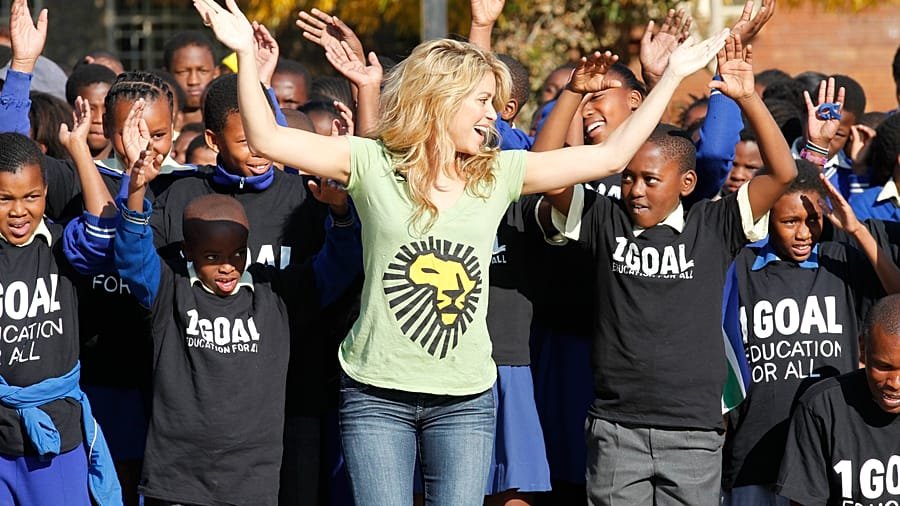
The Ghetto Kids organization was established in Kampala and uses dance and performing arts to support vulnerable children, including orphans and street children. Through structured classes and performances, the NGO provides discipline, community, and skills that help participants build confidence and future opportunities. The approach draws from Uganda's tradition of using arts for social development in urban settings.
The group hopes the World Cup attention will help support plans to establish a rehabilitation and education centre for vulnerable children in Uganda. This centre would expand their current work by offering dedicated spaces for training, schooling, and recovery programs. Such initiatives address gaps in support systems for young people in Kampala's informal settlements.
Dancer Josephine Busingye expressed the personal impact of these efforts: "We feel so excited. We can't wait to perform with Shakira. Getting on one of the biggest stages in the world, where many people are watching, always feels good and brings a lot of opportunities." Her words reflect how the organization's mission extends beyond performance to long-term empowerment.
The model of combining dance training with social support has inspired similar programs in other African cities, from Accra to Nairobi. The Ghetto Kids demonstrate how creative activities can serve as entry points for education and stability. Their work in Kampala continues to evolve with input from the dancers themselves.
Arts-based youth programs like this one strengthen cultural identity while addressing practical needs in communities across the continent. The planned rehabilitation centre represents a direct outcome of the troupe's growing profile.
African Talent on the World's Biggest Stage
The World Cup final draws over one billion viewers, giving the Ghetto Kids a platform that few African dance groups have accessed. Their performance with Shakira at MetLife Stadium on July 19, 2026, will showcase Ugandan street dance to audiences worldwide. This moment builds on previous African cultural highlights at global sporting events.
Shakira's earlier "Waka Waka" performance at the 2010 World Cup featured African dancers and rhythms, setting a precedent for integrating continental sounds into major productions. The inclusion of Burna Boy on the official 2026 track "Dai Dai" continues this pattern of African collaboration at the highest levels. The Ghetto Kids' participation adds a new layer from East Africa.
Such visibility matters for Africa's creative economy because it opens pathways for funding, partnerships, and recognition of local talent. The performance places Kampala's dance scene alongside established global names, encouraging investment in similar initiatives across Senegal, Nigeria, and beyond. Cultural representation at these events influences how the world perceives African innovation.
The Ghetto Kids' journey from Kampala streets to this stage illustrates the potential for African artists to shape international narratives. Their presence at the halftime show will highlight the depth of talent emerging from the continent's urban communities. This exposure can influence policy discussions around arts education in countries like Uganda.
Global stages like the World Cup final provide rare opportunities for African voices to reach billions without intermediaries. The Ghetto Kids' invitation signals growing acknowledgment of these contributions.
Uganda's Dance Revolution — A Cultural Renaissance
Uganda's broader dance and music scene has produced influential artists who blend traditional forms with modern styles, and the Ghetto Kids stand at the forefront of this movement. Their previous achievements, including the 2017 BET Awards appearance, The Tonight Show Starring Jimmy Fallon performance, VIBE Magazine cover, and music videos with French Montana and Chris Brown, have inspired a generation of young dancers across East Africa. These milestones elevated Kampala's profile in international circles.
The troupe's awards at BET and AFRIMMA underscore the quality of their work and its resonance with both African and global audiences. Their routines often incorporate elements familiar to Senegalese mbalax traditions, where rhythm and movement carry communal stories forward. This shared heritage strengthens connections between West and East African creative expressions.
Young dancers in cities like Nairobi and Addis Ababa have cited the Ghetto Kids as motivation to pursue similar paths. The group's success shows how street-based initiatives can scale into sustainable organizations with international reach. Their story encourages investment in youth arts programs throughout the region.
Uganda's cultural renaissance draws strength from community spaces where children experiment with dance daily. The Ghetto Kids have become symbols of this energy, proving that talent from marginalized areas can achieve recognition on equal footing with established acts. Their influence extends to music videos and live shows that feature Ugandan choreography.
The combination of local training and global exposure has created a template for other African troupes seeking similar breakthroughs. The Ghetto Kids continue to refine their craft while remaining anchored in Kampala.
What to Watch For
The upcoming July 19 performance at MetLife Stadium will feature the Ghetto Kids alongside Shakira in a halftime show expected to reach more than one billion viewers. The dancers have expressed excitement about sharing the stage with the Colombian star and the opportunities that may follow. Their preparation includes refining routines that honor both Shakira's "Dai Dai" track featuring Burna Boy and their own Ugandan roots.
The official song's African collaboration adds particular meaning for audiences on the continent. The Ghetto Kids' official X account @ghettokidstfug captured the spirit with the post "Where Children Dream, The World Wins," reflecting the group's outlook on the event. Shakira's personal outreach, including the video call to dancer Akram, has added a layer of direct connection to the preparations.
Beyond the performance, the troupe aims to leverage the attention toward establishing a rehabilitation and education centre for vulnerable children in Uganda. This long-term goal aligns with their founding mission in Kampala to support orphans and street children through dance and arts programs. The centre would provide expanded resources for the next generation of dancers.
The World Cup platform offers a chance to highlight how African creative talent can influence global conversations about youth development. The Ghetto Kids' story connects to similar efforts in places like Dakar, where music and dance festivals nurture young artists from modest backgrounds. Their success demonstrates the power of persistence in turning local dreams into worldwide moments.
As the date approaches, the focus remains on delivering a performance that represents Kampala with pride while advancing the organization's work. Africa's creative communities continue to find new ways to share their stories on the largest stages available.
By Amara Diop, Staff Writer
This article was produced with AI-assisted research and editorial support. Reporting is based on sources cited in the article.
What's Your Reaction?
 Like
0
Like
0
 Dislike
0
Dislike
0
 Love
0
Love
0
 Funny
0
Funny
0
 Wow
0
Wow
0
 Sad
0
Sad
0
 Angry
0
Angry
0
West Africa/Sahel Correspondent at Global1.News. Dakar-based journalist covering politics, security, climate, and development across Francophone and Anglophone West Africa. Tells the stories of a region undergoing profound transformation.









Comments (0)