
Germany Lingen Nuclear Deal and India Energy Security
Germany is evaluating a controversial joint venture at the Lingen fuel fabrication plant that would see Framatome and Rosatom produce VVER-440 nuclear fuel rods for reactors across Eastern Europe. The decision carries implications that extend beyond European borders to India, where the Kudankulam Nuclear Power Plant operates two Rosatom-designed VVER-1000 units with four more under construction.
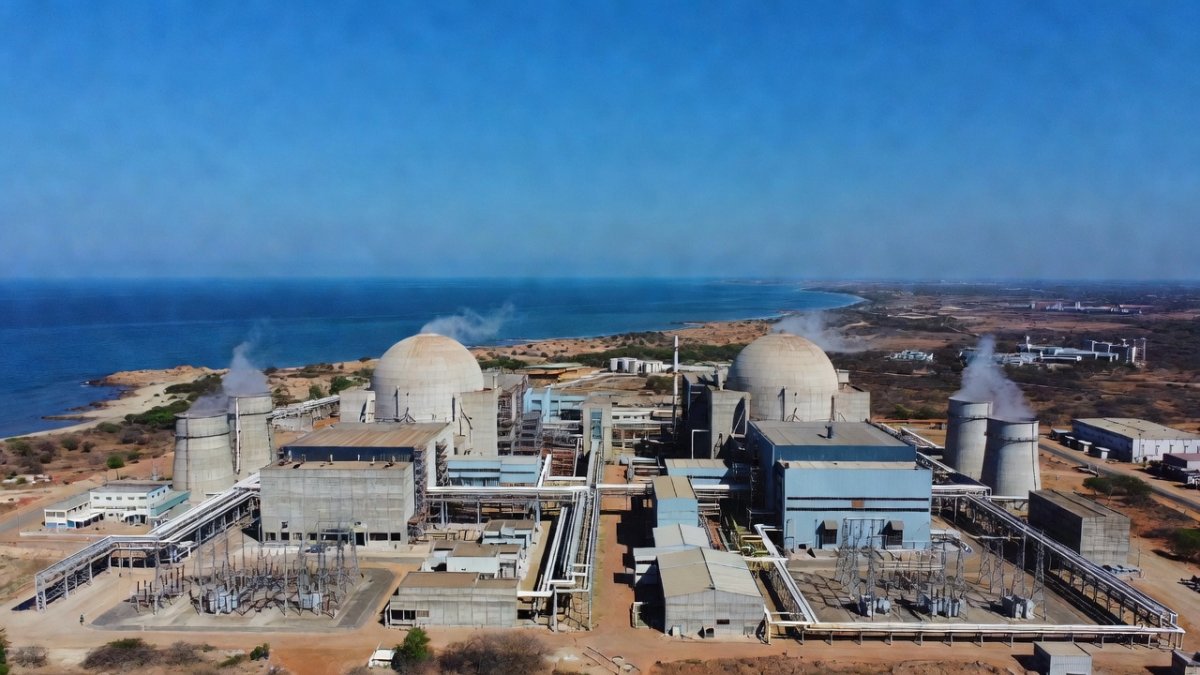
Germany is evaluating a controversial joint venture at the Lingen fuel fabrication plant that would see Framatome and Rosatom produce VVER-440 nuclear fuel rods for reactors across Eastern Europe. The decision carries implications that extend beyond European borders to India, where the Kudankulam Nuclear Power Plant operates two Rosatom-designed VVER-1000 units with four more under construction. As European regulators weigh security concerns against energy supply realities, New Delhi's policymakers watch for lessons in fuel supply diversification.
Germany Lingen Deal Raises Questions for India Nuclear Plans
New Delhi, India — Germany is evaluating approval for a joint venture at the ANF GmbH fuel fabrication plant in Lingen, Lower Saxony, between a Framatome subsidiary and Rosatom to produce VVER-440 fuel rods. This review occurs against the backdrop of the Russia-Ukraine conflict and EU efforts to reduce energy dependence on Russian supplies. The Bundesministerium für Umwelt, Naturschutz, nukleare Sicherheit und Verbraucherschutz (BMUV) leads the assessment under national atomic regulations, weighing technical and security factors. European utilities continue to operate Russian-designed reactors, creating pressure for alternative fuel sources while existing contracts persist. Indian policymakers monitor these developments closely, as they illustrate the challenges of balancing geopolitical risks with reliable nuclear fuel access in expanding programmes.
Scale of VVER-440 Reactors Across Europe and Ukraine
More than a dozen VVER-440 reactors operate across the EU in the Czech Republic (Dukovany units 1-4), Finland (Loviisa units 1-2), Hungary (Paks units 1-4), and Slovakia (Bohunice units 3-4). An additional six units function in Ukraine at Rivne (units 1-2) and South Ukraine (units 1-2), bringing the regional total to roughly 21 reactors. Each reactor maintains a core loading of about 42 tonnes of fuel, with operators replacing roughly one-fifth, or 8-9 tonnes, annually through scheduled outages. These reactors contribute meaningfully to national grids, with Hungary’s Paks plant alone supplying over 40 percent of domestic electricity in recent years. For India, this European fleet underscores the scale of legacy Russian designs that require sustained fuel strategies, informing New Delhi’s own diversification efforts under its three-stage nuclear roadmap.
Framatome's Two Distinct Initiatives on VVER-440 Fuel
Framatome advances two parallel tracks for VVER-440 fuel supply. The first involves the proposed Lingen joint venture with Rosatom, currently under German regulatory scrutiny by the BMUV. The second comprises an April 2026 contract with four EU utilities—ČEZ, Fortum, MVM Paks, and Slovenské elektrárne—to develop a fully European VVER-440 fuel design independent of Rosatom’s TVEL subsidiary. This initiative targets qualification of new assemblies by the early 2030s, aiming to reduce annual reliance on roughly 150 tonnes of Russian-origin fuel across the region. Indian analysts view these dual approaches as instructive for supply resilience, particularly as India scales its own VVER fleet while pursuing indigenous fuel cycle capabilities.
Sanctions Framework and Legal Pathways in Germany
EU Regulation 833/2014 restricts Russian imports but maintains exemptions for nuclear fuel and related services. German authorities assess the Lingen proposal under the Atomic Energy Act Section 7, with the BMUV coordinating safety and non-proliferation reviews alongside the Federal Office for the Safety of Nuclear Waste Management. The Green Party has expressed opposition, citing tensions between legal carve-outs and broader energy security objectives. These deliberations highlight how national regulators navigate inherited reactor fleets amid shifting geopolitical conditions. Indian policy circles draw parallels to their own regulatory processes, where strategic exemptions must align with non-proliferation commitments and long-term capacity targets.
India's Kudankulam Operations and Separate Fuel Arrangements
India operates two 1000 MW VVER-1000 units at Kudankulam in Tamil Nadu, with four more under construction. These reactors receive fuel through dedicated TVEL contracts that remain unaffected by the Lingen proposal. All Kudankulam fuel falls under IAEA safeguards, with continuous monitoring and material accountancy applied to fresh and spent fuel assemblies, with over 30 inspections at Kudankulam since 2013. India’s Rare Materials Plant at Rattehalli produces plutonium for the Prototype Fast Breeder Reactor (PFBR) at Kalpakkam, a 500 MW sodium-cooled unit designed to breed more fuel than it consumes. India’s three-stage nuclear programme advances from pressurised heavy-water reactors toward fast breeders and eventual thorium utilisation, supported by an estimated 5,000-7,000 tonnes of uranium stockpile. These arrangements demonstrate India’s layered approach to fuel security distinct from European VVER-440 dynamics.
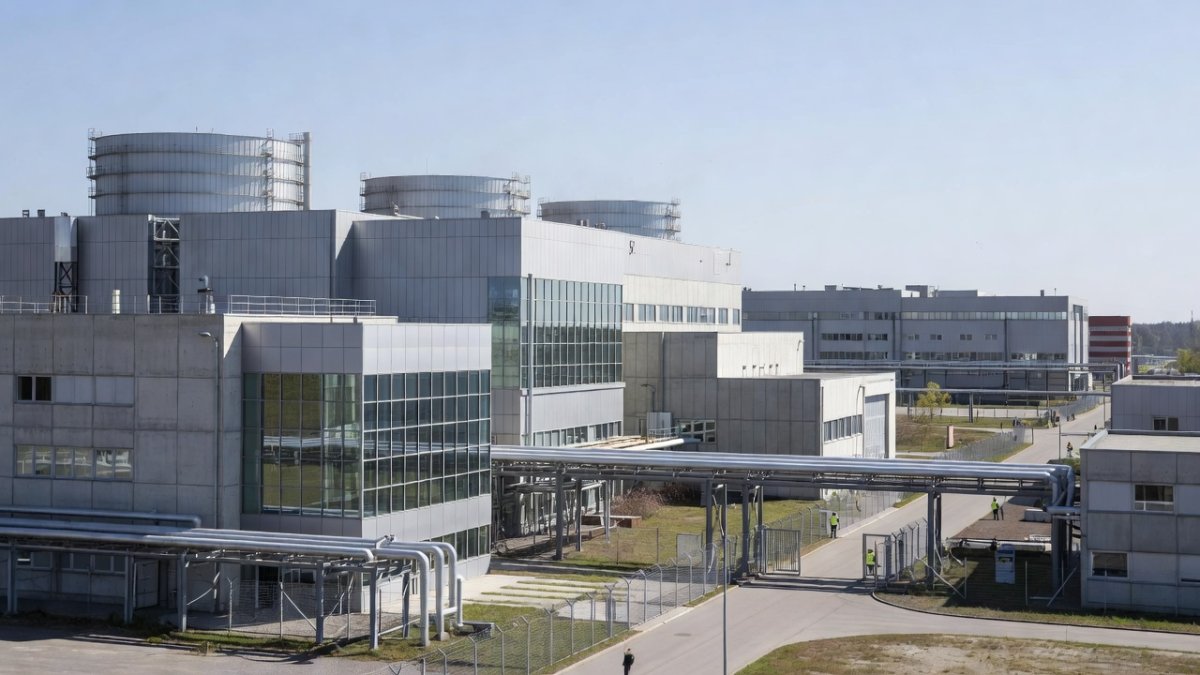
Indirect Implications for Indian Nuclear Fuel Supply Chains
The Lingen joint venture illustrates the wider geopolitical complexity surrounding Rosatom-linked fuel networks. Although it does not alter Kudankulam’s VVER-1000 arrangements, it underscores how European decisions on Russian-designed reactor fuel intersect with India’s own supply contracts. Nuclear power currently supplies roughly 3 percent of India's electricity, a share that must rise substantially to meet clean-energy commitments under the Paris Agreement. India targets 22,480 MW of nuclear capacity by 2030, up from the current level near 7,500 MW, which currently accounts for roughly 3 percent of national electricity generation. With uranium stockpile estimates supporting several years of operation, policymakers emphasise multiple sourcing options alongside domestic reprocessing at Rattehalli. The European experience reinforces the strategic value of maintaining diversified supply lines while advancing the PFBR and thorium cycle elements of the three-stage programme.
Energy Security Considerations for India's Nuclear Expansion
India’s nuclear growth depends on diversified and secure fuel pathways amid rising electricity demand. The European experience with VVER-440 fuel development shows both the persistence of established supply lines and parallel efforts to build independent alternatives. For Indian policymakers, these dynamics reinforce the value of maintaining multiple sourcing options while advancing domestic fuel cycle capabilities under the three-stage programme. Nuclear power’s current 3 percent share of electricity must rise substantially to meet 2030 targets, requiring reliable access to uranium and reprocessing infrastructure. The Lingen case highlights how regulatory and geopolitical factors shape fuel strategies, offering lessons for India’s continued expansion of safeguarded VVER units alongside indigenous fast breeder development at Kalpakkam.
— By Dr. Raj Patel, Staff WriterThis article was produced with AI-assisted research and editorial support. Reporting is based on sources cited in the article.
What's Your Reaction?
 Like
0
Like
0
 Dislike
0
Dislike
0
 Love
0
Love
0
 Funny
0
Funny
0
 Wow
0
Wow
0
 Sad
0
Sad
0
 Angry
0
Angry
0

India/South Asia Correspondent at Global1.News. Analytical voice with a background in science and health journalism. Based in New Delhi, covering Indian politics, education, healthcare, technology, and policy. Breaks down complex data into clear, actionable reporting.













Comments (0)