
Al Carns declines offer to return to government as defence funding 'has not been settled'
Carns Declines Offer to Rejoin Government Over Unsettled Defence Funding Former defence minister Al Carns has turned down an invitation to return to the frontbench, citing the absence of a firm commitment on defence spending. In a post on social media, Carns confirmed he had spoken with the chief whip, who extended the offer, but after reflection he declined with thanks and respect.
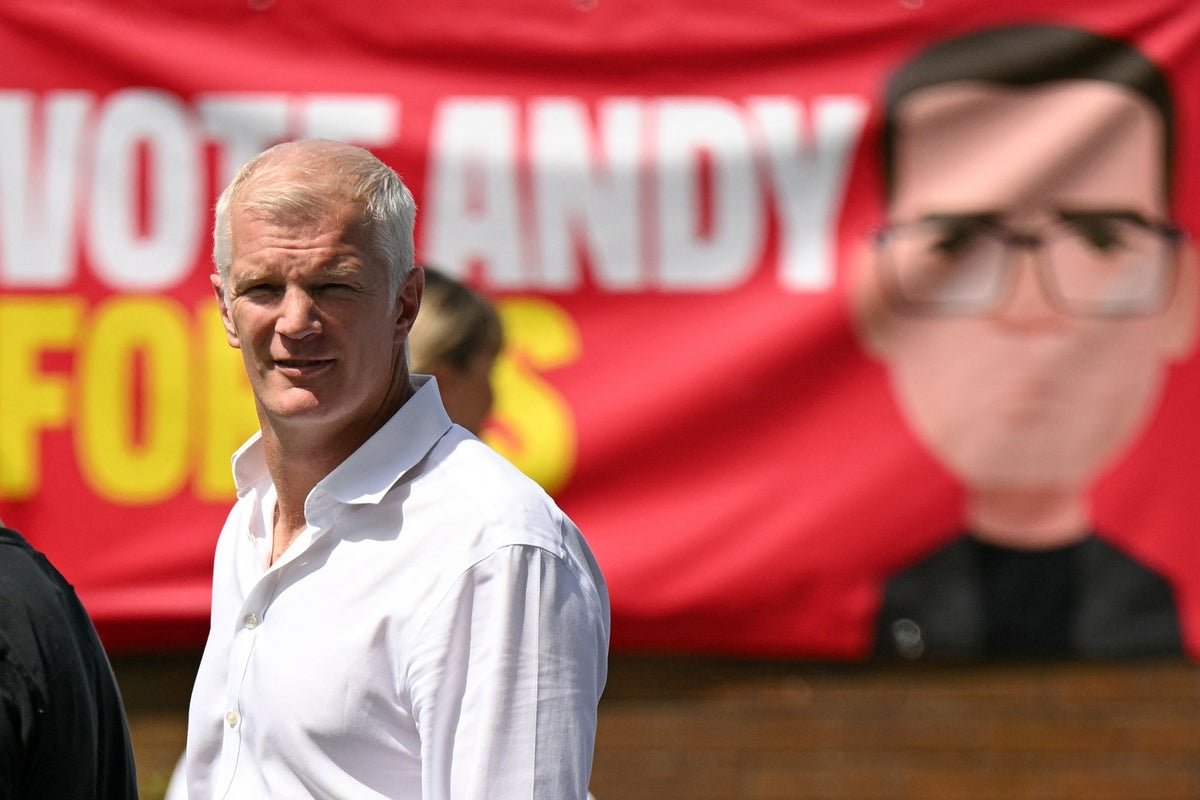
Carns Declines Offer to Rejoin Government Over Unsettled Defence Funding
Former defence minister Al Carns has turned down an invitation to return to the frontbench, citing the absence of a firm commitment on defence spending. In a post on social media, Carns confirmed he had spoken with the chief whip, who extended the offer, but after reflection he declined with thanks and respect. He stated plainly that he resigned in June because the funding available fell short of what the threats facing the country require.
Carns made clear he intends to continue pressing for greater resources from the backbenches. His decision comes at a moment when the new prime minister, Andy Burnham, has yet to endorse the target of raising defence spending to three per cent of gross domestic product by 2030, a figure previously demanded by John Healey during his time as defence secretary.
Al Carns's refusal to return to the frontbench carries particular weight given the timing of his June resignation, which followed weeks of tense exchanges with the Treasury over the absence of a multi-year settlement. The chief whip's discreet approach, extended after Andy Burnham's leadership transition, was interpreted in Westminster as an attempt to neutralise a credible backbench critic before the next spending review. By declining, Carns has positioned himself alongside other principled resignations such as those over the 2010 Strategic Defence and Security Review, where ministers chose to retain independence rather than accept diluted mandates.
His decision strengthens the hand of the Commons Defence Committee, whose members have already signalled they will summon MoD officials to explain how capability gaps will be closed without a firm 3 per cent GDP commitment. For service personnel, the episode underscores the frustration of planning careers and deployments against uncertain budgets; many in the Army and RAF now face extended equipment life cycles that increase operational risk. Taxpayers, meanwhile, confront the prospect of higher long-term costs if delayed procurement inflates unit prices, while Britain's NATO allies question whether London can sustain its stated leadership role in European security without matching rhetoric with resources.
Joint Resignations Highlight Divisions Within Labour Over National Security
Carns resigned in June within hours of then-defence secretary John Healey stepping down. Both men accused the then-prime minister, Sir Keir Starmer, of failing to allocate the resources needed to meet national security demands. Their departures exposed tensions at the heart of the previous administration over how seriously the government was treating military readiness.
The episode left a lasting impression on Westminster. Carns had been viewed by some as a potential challenger for the Labour leadership, yet he chose not to stand once it became evident that Burnham commanded sufficient support. Healey, by contrast, has since been appointed chancellor of the exchequer, a move Carns welcomed as evidence that his former colleague remains committed to his principles.
The simultaneous exits of Carns and John Healey exposed a deeper fissure within Labour over whether defence should be treated as a protected priority or subordinated to domestic spending pressures. Their close working relationship, forged during opposition scrutiny of the Integrated Review, lent the resignations an air of coordinated dissent rather than isolated protest. This dynamic echoes earlier Labour divisions, notably the 1970s battles over Polaris replacement, when backbench and ministerial factions clashed over nuclear spending at the expense of conventional forces.
Internally, the episode has emboldened the party's security-minded wing while leaving the Treasury faction wary of any precedent that might constrain fiscal flexibility. Select committee chairs from both sides of the House have noted the precedent for cross-party pressure on future white papers. For armed forces personnel the human cost is tangible: uncertainty over pay, housing and training pipelines continues to drive retention shortfalls, particularly among mid-career specialists whose skills are prized in the private sector. Britain's global posture suffers correspondingly, as allies interpret internal discord as evidence of wavering resolve.
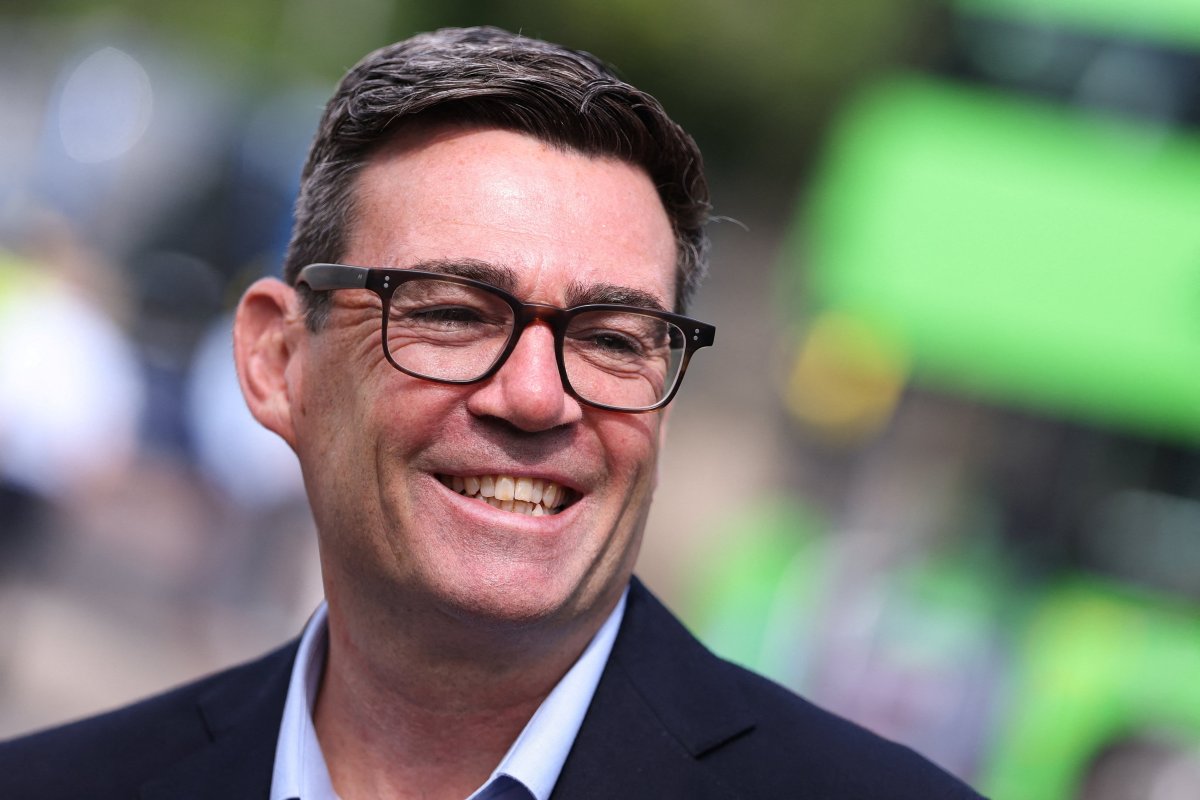
Burnham Government Faces Pressure to Clarify Defence Spending Plans
Prime Minister Andy Burnham has not confirmed whether he will adopt the three per cent of GDP target by 2030. This lack of clarity has left defence planning in a state of uncertainty, with service chiefs and procurement officials awaiting direction on future budgets. The absence of a settled figure complicates decisions on equipment programmes and personnel recruitment across the armed forces.
Whitehall sources indicate that discussions continue within the Treasury and the Ministry of Defence, yet no firm timetable has been announced. Without a clear commitment, long-term contracts for new platforms and infrastructure risk delay, affecting both industrial partners and the operational readiness of UK forces.
The 3 per cent of GDP target, roughly 80 billion pounds at current prices, would represent the largest sustained increase in defence expenditure since the Cold War. Yet the Burnham government's silence leaves the MoD and Treasury locked in familiar Whitehall trench warfare, with service chiefs privately warning that without clarity the next Equipment Plan will be built on assumptions rather than commitments. NATO's 2 per cent floor is already met on paper, but European partners are watching whether Britain will move beyond the minimum to underwrite collective deterrence in the High North and Baltic.
Backbench MPs on the Defence and Public Accounts Committees have begun coordinating questions that link spending levels to industrial resilience and recruitment targets. The operational impact on personnel is immediate: stretched maritime patrol cycles and delayed aircraft upgrades directly affect tour lengths and family stability. Taxpayers ultimately bear the risk that incremental underfunding today translates into emergency supplemental estimates tomorrow, eroding both value for money and the United Kingdom's credibility as a reliable alliance leader.
Former Tory Defence Secretaries Advocate Defence Bonds to Boost Resources
Two former Conservative defence secretaries have publicly supported the use of defence bonds as a mechanism to increase military expenditure. The proposal offers an alternative route to raising funds without immediate recourse to general taxation or cuts elsewhere in public spending. It has drawn attention at a time when both main parties are under scrutiny over how to finance enhanced capabilities.
The suggestion reflects broader cross-party recognition that current funding levels may prove insufficient against evolving threats. While the Burnham government has not commented directly on the bond idea, the intervention from former ministers underscores the political weight attached to defence spending across Westminster.
Defence bonds, modelled on the War Loans of 1914-18 and 1939-45, would allow citizens to invest directly in military capability through indexed gilts ring-fenced for procurement and infrastructure. Former Conservative defence secretaries have argued the mechanism could raise several billion pounds annually without immediate tax rises or cuts to other departments. The Treasury has so far remained non-committal, concerned that any hypothecated instrument might constrain future chancellors and complicate debt management.
Cross-party interest has already surfaced in the Treasury Select Committee, where members from both sides have requested modelling on uptake and interest costs. For the defence industry the prospect offers greater funding certainty for long-lead items, potentially safeguarding skilled jobs in shipyards and aerospace plants from Barrow to Yeovil. Military personnel would benefit from steadier equipment programmes that reduce the maintenance burden of ageing platforms, while taxpayers gain a transparent route to see their contributions tied to tangible capability rather than absorbed into general expenditure.
Streeting Welcomes New British-Made Drones as Carns Continues Backbench Campaign
Current defence secretary Wes Streeting has highlighted the introduction of new British-made loyal wingmen drones, describing them as a significant step in modernising the Royal Air Force. The unmanned systems are intended to operate alongside crewed aircraft, extending reach and reducing risk to personnel. Their development represents a concrete example of domestic industry contributing to future capability.
Nevertheless, Carns has signalled he will use his position on the backbenches to maintain pressure for overall spending increases. His stance aligns with concerns that incremental technological advances alone cannot compensate for shortfalls in core funding. Observers in Westminster note that sustained advocacy from figures such as Carns could influence the tone of future spending reviews and shape public debate on the United Kingdom's defence posture.
By Erica Thornton, Staff Writer
The loyal wingman drones now entering service with the RAF mark a shift towards collaborative combat aircraft that can absorb high-risk missions, extending the reach of Typhoon and F-35 fleets while lowering exposure for aircrew. Compared with the scale of US and Chinese unmanned programmes, however, Britain's investment remains modest, prompting concern that the UK risks ceding technological advantage. Carns's backbench interventions, drawing on his own service experience, have already forced the Defence Committee to schedule evidence sessions on whether the current funding envelope can sustain both crewed and uncrewed lines.
His sustained scrutiny mirrors the influence once wielded by figures such as James Arbuthnot, whose persistent questioning shaped the 2010s carrier debate. For RAF personnel the drones promise reduced operational tempo on certain sorties, yet without broader budget growth the platforms risk being procured in numbers too small to generate meaningful mass. Taxpayers face the familiar dilemma of funding advanced technology while core readiness accounts remain under pressure, a tension that ultimately determines whether Britain retains credible independent air power or becomes increasingly reliant on allies for high-end capability.
This article was produced with AI-assisted research and editorial support. Reporting is based on sources cited in the article.
What's Your Reaction?
 Like
0
Like
0
 Dislike
0
Dislike
0
 Love
0
Love
0
 Funny
0
Funny
0
 Wow
0
Wow
0
 Sad
0
Sad
0
 Angry
0
Angry
0

US Politics and Policy Correspondent at Global1.News. Based in Washington DC, covering American politics, policy, elections, and the courts. Knows how the system works and tells you what it actually means.















Comments (0)