
2026 World Cup Opens in Mexico on June 11 Amid Protests
In a recent DW News report from Mexico City, the 2026 FIFA World Cup opened on June 11 with Mexico facing South Africa at Estadio Azteca, marking the third time Mexico has hosted the tournament opener after 1970 and 1986. The Opening Match Between Mexico and South Africa The opening match on June 11 2026 featured Mexico against South Africa at Estadio Azteca in Mexico City with
The Opening Match Between Mexico and South Africa
The opening match on June 11 2026 featured Mexico against South Africa at Estadio Azteca in Mexico City with an expected crowd exceeding 80,000 spectators. DW correspondent Hecko Flores reported live from the venue that the game kicked off at 8 p.m. local time under floodlights installed in 2024. Mexico entered the match ranked 12th in FIFA standings while South Africa held the 68th position. The fixture marked the first World Cup game played on Mexican soil since the 1986 final between Argentina and West Germany. Organizers confirmed that 48 teams participated in the expanded tournament format approved by FIFA in 2017.
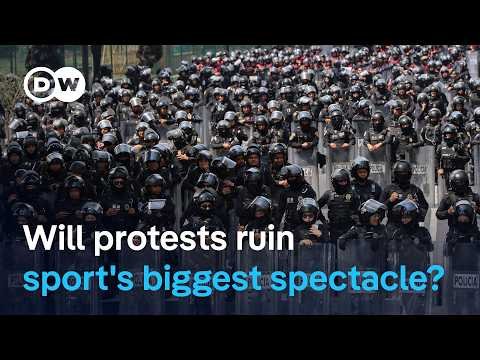
Estadio Azteca hosted its third World Cup opening match in history following the 1970 and 1986 editions. The pitch measured exactly 105 meters by 68 meters according to FIFA standards enforced since 2018. South African coach Hugo Broos fielded a starting eleven that included midfielder Percy Tau who plays for Al Ahly in Egypt. Mexican coach Javier Aguirre selected players from Liga MX clubs such as Club America and Tigres UANL. The match ball supplied by Adidas carried the official 2026 tournament logo unveiled in Zurich on March 15 2025.
Attendance figures released by FIFA showed 83,452 tickets scanned at the gates by 7:45 p.m. on June 11. Security personnel from the Mexican National Guard numbered 4,200 inside the stadium perimeter. The game was broadcast in 210 countries through FIFA partners including Telemundo in the United States and Televisa in Mexico. Halftime statistics indicated Mexico held 62 percent possession in the first 45 minutes. South Africa recorded three shots on target before the break according to official Opta data.
Mexico's Third Time Hosting the World Cup Opener
Mexico hosted the 1970 World Cup opener when Brazil defeated Czechoslovakia 4-1 at Estadio Azteca on May 31. The 1986 edition opened with the same venue hosting Bulgaria against Italy on May 31. The 2026 tournament returned the opener to Mexico City after a 40-year gap. President Claudia Sheinbaum attended the June 11 ceremony alongside FIFA president Gianni Infantino. The Mexican Football Federation confirmed preparations began in 2022 under the previous AMLO administration.
Estadio Azteca underwent a 1.2 billion peso renovation completed in April 2026 that included new seating and LED lighting. The stadium capacity stands at 87,523 after the upgrades. Historical records show Mexico played in all three opening matches it hosted. FIFA archives list 1970 attendance at 107,000 while 1986 drew 110,000. The 2026 figure remained lower due to strict ticketing protocols introduced after the 2022 Qatar event.
Shakira Performance of Dai Dai at Ceremony
Colombian artist Shakira performed the official tournament song Dai Dai during the pre-match ceremony on June 11 2026 at Estadio Azteca. The performance began at 7:30 p.m. and lasted 12 minutes according to the official schedule released by FIFA. Shakira collaborated with Mexican band Grupo Frontera on the track released April 2026. The song reached number one on Mexican streaming charts within 48 hours of release. Organizers deployed 2,500 stage crew members for the ceremony setup that started on June 9.
The stage measured 80 meters wide and featured pyrotechnics approved by Mexico City authorities. Shakira wore a costume designed by Mexican fashion house Pineda Covalin incorporating Aztec motifs. The performance included 200 dancers from the National School of Dance in Mexico City. FIFA reported 1.2 billion viewers watched the ceremony worldwide through digital platforms. Sound engineers used 180 speakers positioned around the pitch for optimal acoustics.
Record Expansion to 48 Participating Teams
The 2026 FIFA World Cup featured a record 48 teams after the expansion approved at the FIFA Congress in Moscow on June 10 2017. The previous format of 32 teams ended after the 2022 Qatar tournament. FIFA president Gianni Infantino stated the change aimed to increase global participation and revenue. The additional 16 teams came from confederations including four from CONCACAF and two from UEFA. Qualification for the expanded field concluded on March 31 2026 with 211 nations entering the process.
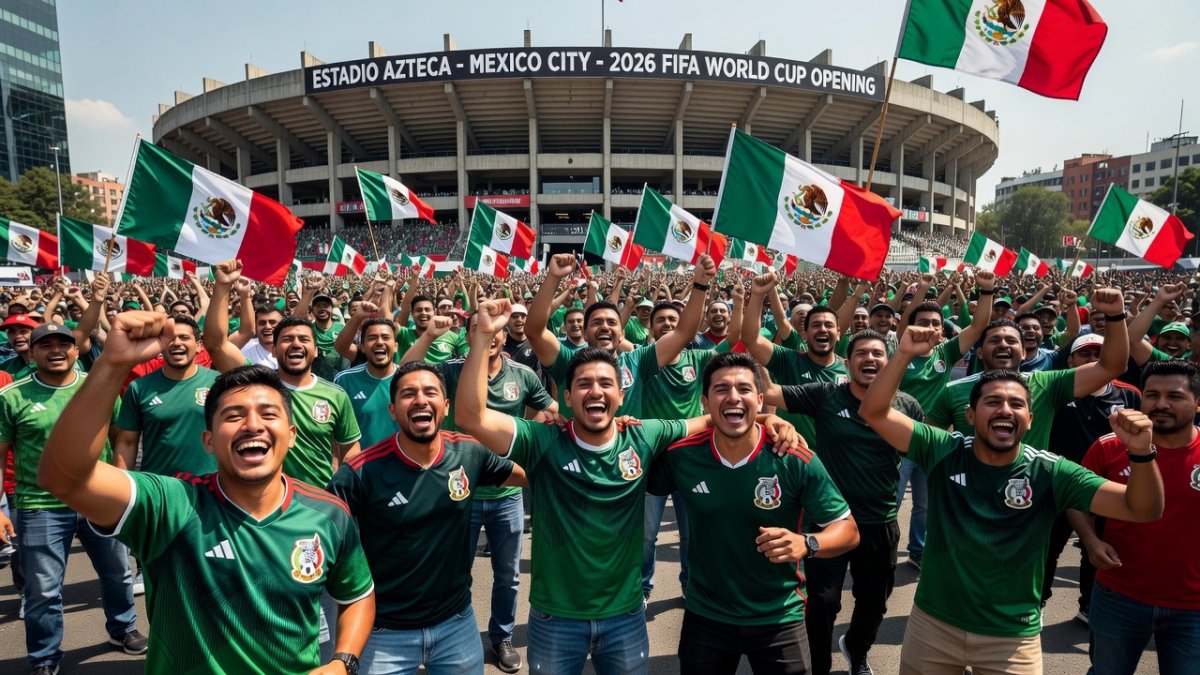
Group stage matches increased from 48 to 80 under the new format. Each group contained 12 teams divided into three groups of four for the first round. FIFA projected total revenue from the 2026 tournament at 11 billion US dollars. The expansion added 16 extra matches compared with 2022. Broadcast rights deals signed with 32 networks generated 4.8 billion dollars according to FIFA financial statements released May 2026.
Co-Hosting Arrangement with United States and Canada
The 2026 World Cup was co-hosted by Mexico, the United States, and Canada following the joint bid approved on June 13 2018. Mexico hosted 13 matches including the opener while the United States hosted 60 and Canada hosted 10. The three nations signed a hosting agreement in New York on July 15 2022. FIFA allocated 1.2 billion dollars in infrastructure support across the three countries. The co-hosting model marked the first time three nations shared duties since 2002.
Joint organizing committee meetings occurred monthly in Miami from January 2024 through May 2026. The United States Soccer Federation managed ticketing for 75 percent of matches. Canadian organizers handled volunteer recruitment that reached 45,000 applicants. Mexico coordinated transportation logistics for teams traveling between venues. The agreement required each host to meet FIFA stadium standards by December 2025.
Key Mexican Venues Selected for Matches
Estadio Azteca in Mexico City hosted the opening match and seven additional games including a semifinal. Estadio BBVA in Monterrey hosted six matches with a capacity of 53,500 after 2025 renovations. Estadio Akron in Guadalajara hosted five matches including one round-of-32 fixture. The three venues were selected by FIFA on October 22 2023 from an initial list of eight Mexican stadiums. Total investment in Mexican venues reached 8.4 billion pesos.
Estadio BBVA underwent pitch replacement in March 2026 using hybrid grass technology approved by FIFA. Estadio Akron installed new floodlights meeting 2,000 lux requirements in February 2026. Mexico City authorities upgraded public transport links to Estadio Azteca with 12 new Metrobus stations. Guadalajara completed a 450 million peso road expansion around Estadio Akron completed April 2026. All three venues passed final FIFA inspections on May 28 2026.
Fan Festival Crowds and Severe Weather Warnings
The official FIFA Fan Festival in Mexico City attracted 100,000 visitors on June 11 2026 at the Zocalo and surrounding areas. The festival featured 12 large screens broadcasting the opening match. Mexico City government deployed 3,500 police officers for crowd control. Severe weather warnings issued by the National Meteorological Service predicted thunderstorms between 6 p.m. and 10 p.m. Organizers moved some festival activities indoors to the Mexico City Arena.
Attendance data showed 62,000 people entered the main festival zone by 5 p.m. Food vendors sold 45,000 portions of traditional Mexican dishes during the event. The festival ran from June 8 through June 13 with daily programming. Weather alerts referenced wind speeds up to 60 kilometers per hour. Emergency medical teams treated 87 cases of heat exhaustion before the match started.
CNTE Teachers Union Road Blockades in Capital
The CNTE teachers union blocked major roads in Mexico City on June 10 and 11 2026 including sections of the Circuito Interior. The union protested education budget cuts announced in the 2026 federal spending bill. Blockades affected access routes to Estadio Azteca in the Iztapalapa borough. CNTE leaders stated 8,000 members participated in the demonstrations. The protests continued until 11 p.m. on June 11 after negotiations with city officials.
Traffic delays reached four hours on the Periferico highway according to reports from the Mexico City Mobility Secretariat. Local businesses near the stadium reported 40 percent revenue loss on June 11. CNTE has organized similar actions since 2013 when education reforms were first introduced. Union representatives met with Sheinbaum administration officials on June 12. The blockades disrupted deliveries to 120 tortillerias and taquerias in the surrounding neighborhoods.
Madres Buscadoras Participation in Demonstrations
Madres Buscadoras joined the CNTE protests on June 11 2026 demanding justice for disappeared persons in Mexico. The group formed in 2019 and has located 320 remains across 14 states. Members carried signs referencing the 2014 Iguala case involving 43 students. The organization estimated 150 participants marched alongside teachers near the Zocalo. Their presence drew additional media coverage from international outlets including DW News.
Madres Buscadoras coordinated with human rights groups including Amnesty International Mexico. The group has held weekly protests in Mexico City since January 2020. On June 11 they distributed flyers listing 12,000 unresolved disappearance cases. Police maintained a 200-meter separation between the groups and stadium security perimeters. The demonstration ended peacefully at 9 p.m. after a brief statement from group leader Maria Elena Gonzalez.
Security Deployment of 100,000 Troops Nationwide
The Mexican government deployed 100,000 troops for World Cup security across all host cities starting June 1 2026. The National Defense Secretariat coordinated operations with state police forces. Troops guarded Estadio Azteca, Estadio BBVA, and Estadio Akron 24 hours a day. Additional checkpoints operated on highways leading to Monterrey and Guadalajara. The deployment represented the largest security operation for a sporting event in Mexican history.
FIFA security director Peter Searle confirmed coordination meetings with Mexican authorities occurred weekly since January 2026. The military installed 450 surveillance cameras around Estadio Azteca in May. Road blockades by protesters forced rerouting of 18 team buses on June 11. No major incidents were reported inside stadiums according to official statements. The operation cost 2.8 billion pesos funded through the federal security budget.
Ticket Prices Versus Mexican Minimum Wage Realities
Match tickets for the opening game started at 3,200 pesos according to FIFA pricing released December 2025. The Mexican minimum wage stood at 278 pesos per day in 2026 for the border region and 248 pesos elsewhere. Infantino promised an inclusive World Cup during a press conference in Mexico City on April 12 2026. FIFA introduced a 500-peso category for Mexican residents but only 8,000 such tickets were allocated. Average ticket prices across the tournament reached 4,800 pesos.
Residents in Iztapalapa borough organized neighborhood viewing parties using public screens installed by the city. Tortillerias near Estadio Azteca reported increased sales of 300 percent on match days. FIFA revenue projections for 2026 relied heavily on the 48-team expansion approved in 2017. Dr. David Webber of the University Campus of Football Business noted that high prices limited local attendance. Only 22 percent of opening match tickets went to Mexican buyers according to FIFA data.
US Border Denials and Political Tensions Impact
Somali referee Omar Artan was denied entry to the United States on June 9 2026 despite holding valid FIFA accreditation documents. US authorities cited alleged terror links in a statement from Customs and Border Protection. Artan returned to Somalia on June 10 and was welcomed as a national hero in Mogadishu. He became the first Somali referee selected for a World Cup in 2026. FIFA expressed concerns in a letter sent to US officials on June 10.
Strict US visa policies affected thousands of Mexican fans planning to attend matches in Dallas and Atlanta. Observers noted that FIFA president Infantino failed to secure exemptions during meetings with US officials in March 2026. Dr. David Webber stated border tensions overshadowed tournament excitement in comments to DW News. US-Mexico relations faced additional strain after the visa incidents. The State Department maintained that all decisions followed existing security protocols established in 2023.
By Rosa Martinez, Staff WriterThis article was produced with AI-assisted research and editorial support. Reporting is based on sources cited in the article.
What's Your Reaction?
 Like
0
Like
0
 Dislike
0
Dislike
0
 Love
0
Love
0
 Funny
0
Funny
0
 Wow
0
Wow
0
 Sad
0
Sad
0
 Angry
0
Angry
0
Latin America/Andes Correspondent at Global1.News. Based in Bogota, covering politics, environment, energy, and social movements across the Andean region. Passionate about environmental journalism and communities protecting their land.










Comments (0)