
FSSAI Cracks Down on Energy Drinks for Misleading Claims
Introduction with key hook On July 1, 2026, India's Food Safety and Standards Authority of India (FSSAI) sent formal notices to six major energy drink brands operating across Delhi, Mumbai, and Bengaluru. The brands include Red Bull Energy Drink, PepsiCo's Adrenaline Rush and Sting, Reliance Consumer Products' Campa Energy Drink Gold Boost, Hell Energy, and Coca-Cola-backed Mon
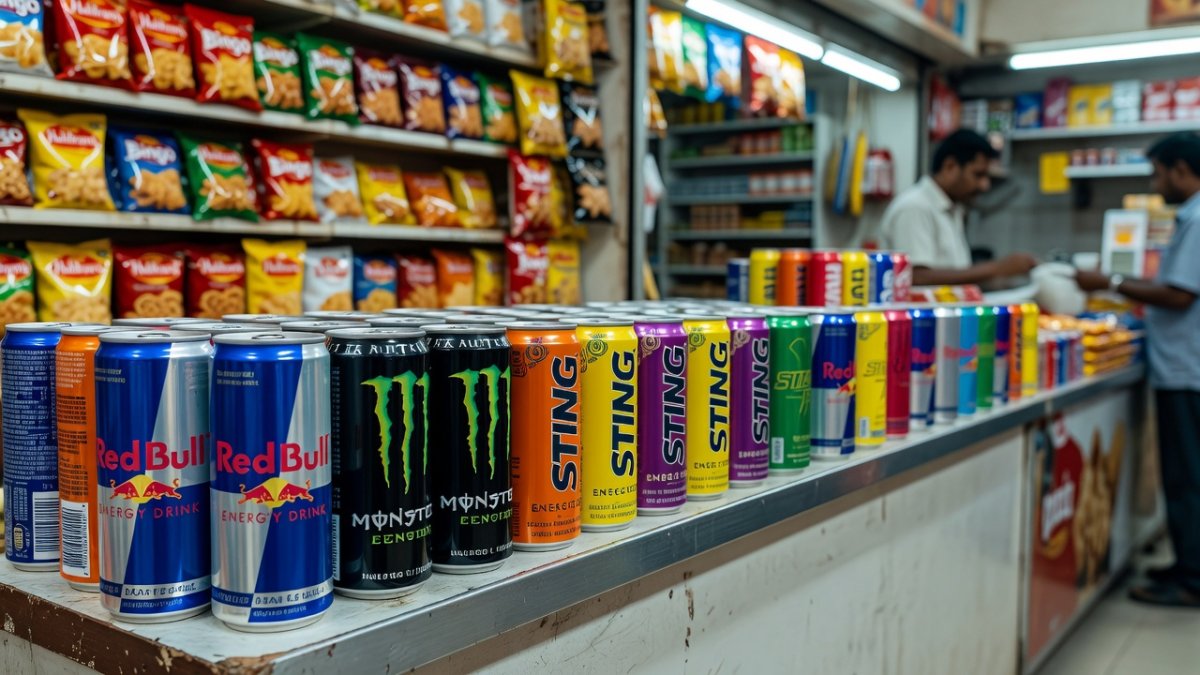
Introduction with key hook
On July 1, 2026, India's Food Safety and Standards Authority of India (FSSAI) sent formal notices to six major energy drink brands operating across Delhi, Mumbai, and Bengaluru. The brands include Red Bull Energy Drink, PepsiCo's Adrenaline Rush and Sting, Reliance Consumer Products' Campa Energy Drink Gold Boost, Hell Energy, and Coca-Cola-backed Monster Energy. This enforcement action targets misbranding and misleading therapeutic claims that violate Indian food laws.
The core issue stems from the absence of any notified standard for "energy drinks" under FSSAI regulations. Claims such as "vitalises body and mind," "enhances focus," "boosts energy levels," and "aids in general weakness" are classified as impermissible therapeutic assertions for food products. These statements position the beverages as medicinal rather than simple caffeinated drinks, prompting immediate regulatory scrutiny from the Ministry of Health and Family Welfare.
Indian consumers in urban centers now face questions about product safety and labeling accuracy. With nearly 29 percent of adults experiencing generalized obesity and 40 percent showing abdominal obesity, the timing of this crackdown carries significant public health weight. The notices signal a broader effort to align marketing practices with scientific evidence on caffeine and sugar content.
What FSSAI did and why
FSSAI acted under its authority within the Ministry of Health and Family Welfare to address labeling violations across multiple states. Notices specifically cited the lack of approved standards for energy drinks, allowing brands to make unsubstantiated claims without regulatory oversight. This proactive step follows earlier enforcement patterns seen in 2025.
Officials highlighted that no Indian standard currently defines maximum caffeine levels or permissible functional ingredients in these products. Red Bull's 250ml can contains 75mg caffeine and 1000mg taurine alongside 27g sugar, while other brands range from 6mg to 242mg caffeine per serving. Such variability creates confusion for buyers in Mumbai supermarkets and Delhi convenience stores.
The regulatory response emphasizes consumer protection over industry convenience. By issuing notices simultaneously to both multinational and domestic players like Reliance, FSSAI demonstrates consistent application of rules regardless of brand origin. This approach aims to prevent selective compliance in the expanding urban market.
The regulatory gap in India
India currently lacks a dedicated standard for energy drinks, unlike categories such as carbonated beverages or fruit juices. This gap permits manufacturers to market products with high caffeine and sugar loads without specific caps or disclosure requirements. FSSAI has noted that existing food laws do not accommodate the hybrid nature of these drinks combining stimulants and additives.
Consumer Reports data indicates some containers list multiple servings yet are sold as single units, further complicating accurate intake assessment. In cities like Bengaluru, where youth consumption is rising, this absence of clear guidelines leaves regulators playing catch-up with aggressive marketing campaigns.
The regulatory void also affects import standards for brands such as Austrian Red Bull and Hungarian Hell Energy. Without notified limits, customs and state food safety officers in Maharashtra and Karnataka face challenges enforcing uniform safety thresholds across the supply chain.
What's really in energy drinks (caffeine, sugar, taurine)
Most energy drinks contain approximately 27g of added sugar per can, matching the World Health Organization's entire daily upper limit for adults. Red Bull's 250ml serving delivers 75mg caffeine, 1000mg taurine, and 27g sugar, exceeding the caffeine in a 12oz Coke at 50mg while falling short of typical coffee at 100mg.
Taurine, a naturally occurring amino acid present at 500-2000mg levels, functions as a non-stimulant ingredient despite marketing implications. The combination of caffeine, sugar, B vitamins, and taurine creates the product's physiological profile, yet labels often emphasize only the energizing narrative without balanced ingredient context.
Caffeine concentrations vary widely from 6mg to 242mg per serving across brands available in Indian retail. This range, documented in laboratory analyses, underscores inconsistent formulation standards that FSSAI seeks to address through future notifications.
Health risks and documented cases
Multiple studies link energy drink consumption to increased emergency department visits and cardiovascular complications, including documented cardiac arrests. A recent review identified nine reported cardiac arrests associated with these beverages, three of which proved fatal, highlighting acute risks for susceptible individuals.
Dr. Sunita Chandarkor has publicly stated that the term "energy drink" itself misleads consumers, particularly young adults who may underestimate cumulative caffeine intake. Cardiovascular effects appear dose-dependent, with repeated consumption amplifying strain on heart rhythm and blood pressure regulation.
Indian health authorities note that these risks compound when products are consumed alongside other caffeinated items common in daily routines. The absence of clear serving-size warnings on multi-portion containers exacerbates potential overconsumption in high-stress urban environments like Delhi and Mumbai.
India-specific health context (obesity, diabetes)
India faces a severe diabetes epidemic with over 101 million diagnosed cases, many concentrated in metropolitan areas including Bengaluru and Hyderabad. High-sugar energy drinks contribute directly to this burden by delivering daily sugar limits in single servings, accelerating metabolic strain among regular users.
Abdominal obesity affects 40 percent of Indian adults, creating a population-level vulnerability to the cardiovascular effects of caffeine-sugar combinations. FSSAI's enforcement aligns with national efforts under the Ministry of Health to curb non-communicable diseases through improved food labeling and marketing controls.
Youth markets in tier-1 cities show rapid expansion of energy drink availability, coinciding with rising obesity rates among adolescents. Policy interventions targeting these products could yield measurable public health benefits if paired with school-based education programs in states like Maharashtra and Karnataka.
The marketing machine targeting youth
Energy drink brands employ aggressive marketing that positions products as essential for focus and performance, particularly among students and young professionals in urban India. Claims of enhanced mental clarity and physical vitality resonate strongly in competitive environments like coaching hubs in Kota and tech corridors in Bengaluru.
Reliance's Campa Energy and PepsiCo's Sting have expanded distribution networks targeting college campuses and sports events, capitalizing on the absence of age-specific restrictions. This strategy mirrors global patterns but carries heightened implications given India's younger demographic profile.
Regulatory notices explicitly challenge these marketing narratives by classifying them as therapeutic claims outside food product permissions. Continued enforcement may force brands to revise packaging and advertising language used across print and digital platforms in major cities.
Previous FSSAI actions and pattern of enforcement
FSSAI previously banned misleading ORS labeling on energy drinks during October-November 2025, establishing a precedent for scrutinizing functional claims. The Bournvita "health drink" labeling challenge further demonstrated the authority's willingness to confront established brands on similar grounds.
These actions reflect a systematic approach under the Ministry of Health and Family Welfare to tighten oversight of functional beverages. Enforcement has progressively expanded from imported products to include domestic manufacturers like Reliance Consumer Products.
State-level food safety departments in Delhi and Tamil Nadu have supported central directives through increased market surveillance. This coordinated pattern suggests sustained regulatory attention rather than isolated interventions, with potential for additional standards on caffeine content in coming months.
What this means for Indian consumers
Consumers in Mumbai and Delhi now receive clearer signals about the distinction between marketing language and verified nutritional information. The notices encourage label reading focused on actual caffeine and sugar quantities rather than promotional slogans.
Health-conscious buyers may shift toward regulated alternatives or reduce overall intake, particularly parents monitoring adolescent consumption. This awareness could influence purchasing patterns in modern retail formats across Bengaluru and other growing cities.
Long-term, the enforcement supports broader dietary guidelines aimed at reducing added sugar exposure. Indian households gain indirect protection through standardized future labeling that aligns with global best practices while addressing local disease burdens.
The Bottom Line
FSSAI's July 2026 notices represent a critical step toward closing India's regulatory gap on energy drinks. By targeting specific claims and highlighting ingredient realities, the authority prioritizes evidence-based consumer protection over industry expansion.
The intersection of high sugar content, variable caffeine levels, and rising obesity and diabetes statistics demands continued vigilance. Indian consumers benefit most when regulatory frameworks evolve alongside market innovations.
Future standards on maximum caffeine thresholds and mandatory serving disclosures will determine the lasting impact of this enforcement wave across the country.
— By Dr. Raj Patel, Staff WriterThis article was produced with AI-assisted research and editorial support. Reporting is based on sources cited in the article.
What's Your Reaction?
 Like
0
Like
0
 Dislike
0
Dislike
0
 Love
0
Love
0
 Funny
0
Funny
0
 Wow
0
Wow
0
 Sad
0
Sad
0
 Angry
0
Angry
0

India/South Asia Correspondent at Global1.News. Analytical voice with a background in science and health journalism. Based in New Delhi, covering Indian politics, education, healthcare, technology, and policy. Breaks down complex data into clear, actionable reporting.














Comments (0)