
Semarnat Revokes Punta Mita Concession as Nayarit Communities Celebrate
In a powerful victory for everyday Mexicans, Semarnat has revoked the Zofemat concession for the massive Montage luxury resort at Playa Las Cocinas in Punta Mita, Nayarit. The decision blocks a 209,000-square-meter project that would have restricted public beach access and harmed sea turtle nesting grounds, sending waves of relief through local fishing families who have used these shores for generations.

Semarnat Revokes Punta Mita Concession as Nayarit Communities Celebrate Coastal Protection
Nayarit, Mexico - Article continues...
The Legal Framework - Zofemat Concessions and Federal Authority
In Mexico the Zofemat represents the federal maritime land zone that stretches from the high tide line inland for twenty meters along the coast. This strip belongs to the nation and can only be used through a formal concession granted by Semarnat after careful review. When a company like Cantiles de Mita S.A. de C.V. receives such a permit it must follow strict conditions that protect public access and natural habitats. If those conditions are not met the ministry holds the power to revoke the concession through an administrative process that includes inspections and opportunities for the holder to respond.
Semarnat works alongside Profepa which carries out enforcement and the FGR which can pursue any criminal aspects that arise during the review. These institutions operate under the guidance of the Presidencia de la República to ensure that federal rules on coastal land remain consistent across states. In the case of Playa Las Cocinas the agencies examined blocked access points and impacts on nesting areas before deciding the concession could no longer stand. The process shows how ordinary families benefit when federal offices coordinate to keep beaches open rather than allowing private projects to close them off.
After revocation Cantiles de Mita now faces the task of restoring the affected areas and may seek new approvals only if it can meet every environmental and access requirement. INEGI data on coastal use helps guide these future evaluations so that decisions reflect actual community needs. For Nayarit households this means the shoreline stays available for daily activities while the company must adjust its plans or step back entirely.
A Win for Nayarit Families and Their Beaches
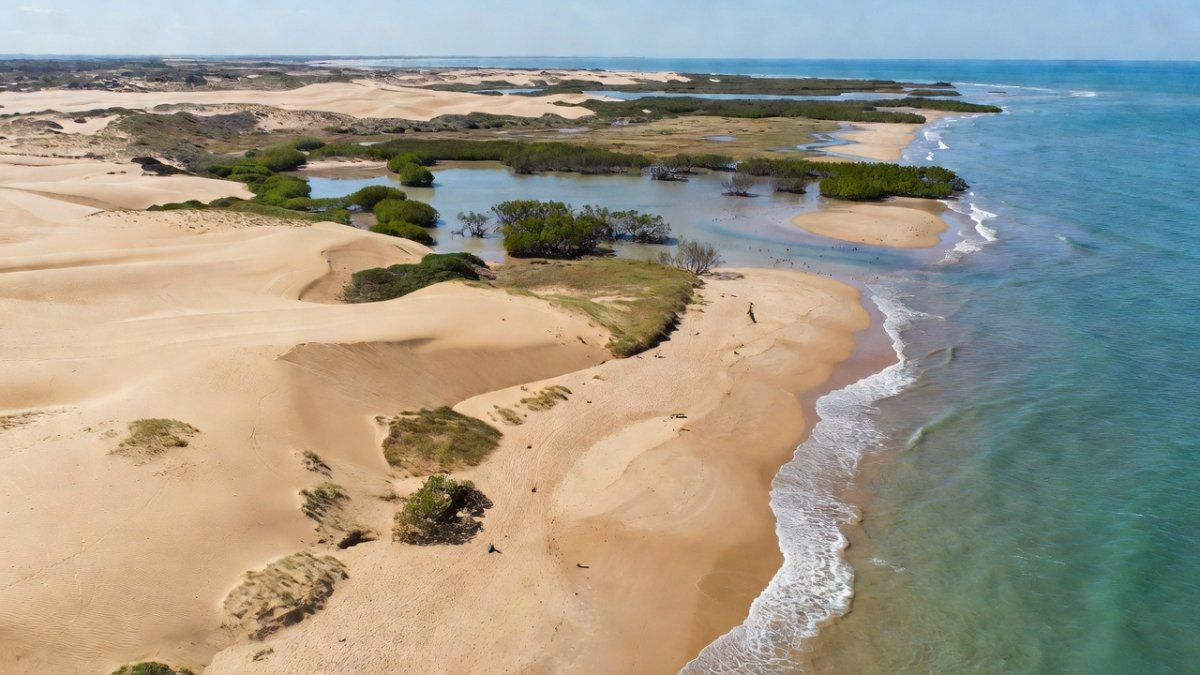
In the warm coastal towns of Nayarit, families have long gathered at Playa Las Cocinas to share meals, teach children to swim, and watch the sunset over the Pacific. The recent decision by Semarnat to revoke the Zofemat concession from Cantiles de Mita S.A. de C.V. brings a sense of relief to these communities. The luxury project known as Montage, planned across 209,000 square meters, would have included 145 hotel rooms, more than 60 residences, spas, and restaurants with an original target opening in 2027. Instead, the revocation keeps the shoreline open for everyday use by local residents rather than turning it into a restricted resort area.
Protecting Turtle Habitats and Coastal Ecosystems
Semarnat cited clear violations involving blocked public beach access and damage to the coastal ecosystem, including areas vital for sea turtle nesting. Profepa and the FGR joined the review, examining how the proposed construction would affect protected zones. These agencies work together under the broader guidance of the Presidencia de la República to enforce federal rules on maritime land. For Nayarit residents, this enforcement means the sandy stretches where turtles return each season stay safer, preserving a natural cycle that has supported the region for generations.
Months of Community Voices Lead to Change
Local fishermen and families in Punta de Mita spent months raising concerns through protests and organized efforts. Their focus remained on keeping the beach accessible for small boats and daily fishing activities that sustain many households. The involvement of multiple federal bodies, including Semarnat, Profepa, and the FGR, shows how citizen input can reach national institutions. This outcome reflects a growing attention to how large projects affect ordinary people who depend on open coastlines for their livelihood and traditions.
Residents of Punta de Mita and nearby towns spent many months gathering at the beach and speaking with local authorities about their concerns over the proposed Montage project. Fishermen organized meetings to explain how restricted access would affect their small boats and the daily catch that supports their households. These efforts stayed peaceful and focused on sharing lived experiences with federal offices so that Semarnat and its partners could understand the real stakes for families who have used the coast for generations.
Grassroots groups in the region drew on long standing traditions of community defense that have succeeded in other parts of Mexico where residents protected water sources or forests through steady petitions and public presence. In Nayarit the same patient approach helped bring Profepa and the FGR into the review process. Families emphasized that they were not against all development but wanted projects that respected open beaches and the natural rhythms of the sea.
Similar community led actions in other coastal states have shown that consistent local voices can influence national decisions when they reach the right institutions. For Nayarit this outcome strengthens the sense that everyday people can help shape how the shoreline is used. The revocation at Playa Las Cocinas now stands as another example of how sustained organizing protects the places families rely on for work and rest.
Second Major Tourism Project Paused in Recent Months
This revocation marks the second significant coastal development halted under current federal review. Earlier, in May 2026, Semarnat denied authorization for Royal Caribbean's Perfect Day Mexico cruise destination in Mahahual, Quintana Roo. Both cases involved large-scale plans that raised questions about public access and environmental impact. The pattern suggests the Sheinbaum administration is applying closer scrutiny to megaprojects along Mexico's shores, weighing long-term community needs against short-term construction gains.
The revocation at Punta Mita follows the earlier decision on the Perfect Day Mexico project in Mahahual and together these cases point to a steadier review process under the Sheinbaum administration. Federal agencies now appear more willing to examine how large coastal plans affect public access and sensitive habitats before granting final approvals. This approach sends a clear message to developers that proposals must address community concerns from the start rather than assuming concessions will remain in place.
National sovereignty over the Zofemat zone remains a central principle that guides these reviews. The Presidencia has stressed that Mexico's shores belong to all citizens and that federal offices must protect that shared right. For families in Nayarit and other coastal states the pattern suggests future projects will face closer checks on environmental impact and access so that development does not quietly close off traditional uses of the beach.
By coordinating Semarnat Profepa and the FGR the government shows consistency in how it weighs short term construction against long term community needs. This careful stance encourages developers to design plans that fit within existing protections rather than seeking exceptions. Ordinary Mexican families along the coast can see their daily connection to the sea preserved when such reviews remain thorough and grounded in federal law.
Impact on Fishermen, Indigenous Groups, and Everyday Life
In Nayarit, many families rely on fishing grounds near Punta de Mita that could have been altered by the Montage plans. Indigenous communities in the area have maintained connections to these waters through traditional practices passed down over time. The Zofemat concession revocation helps keep those areas available for small-scale fishing rather than exclusive resort use. Local households now see continued opportunities to gather resources from the sea without the barriers that large developments often create, supporting both economic stability and cultural continuity in the region.
Riviera Nayarit has grown into a popular destination that brings visitors and some jobs yet many families still depend on small scale fishing that requires open access to the water. The Montage plans would have created positions in hospitality but those roles often come with seasonal schedules and lower pay compared with the steady if modest income from fishing near Punta de Mita. Local households weigh these options carefully knowing that luxury projects can limit the very resources that sustain traditional livelihoods.
Over the years tourism along this stretch of coast has shifted from simple beach visits to larger resorts that sometimes change how residents interact with the sea. INEGI figures show that fishing remains an important part of the regional economy even as hotel construction increases. When a concession like the one at Playa Las Cocinas is revoked it helps keep space for both visitors and the fishermen who launch boats each morning to feed their families.
This balance matters because many Nayarit communities see tourism as one tool among others rather than the only path forward. The decision by Semarnat allows families to continue gathering seafood and teaching children about the coast without new barriers. Future projects will need to show they can support these everyday activities alongside any new construction so that economic gains reach more than just a few large operators.
Broader Signals from Federal Environmental Agencies
Semarnat's action, supported by Profepa and the FGR, points to a steadier approach in reviewing coastal concessions. The Presidencia de la República has emphasized balanced growth that respects natural limits. For communities in Nayarit and beyond, this means projects must demonstrate they will not restrict beach access or harm sensitive habitats like turtle nesting sites. The comparison with the Mahahual decision shows consistency in how federal offices evaluate proposals that could change the character of Mexico's shorelines.
Looking Toward Careful Development in Nayarit
As Nayarit families continue their daily routines along the coast, the revoked concession at Playa Las Cocinas offers a reminder that environmental rules can align with community priorities. Fishermen can keep launching boats from open beaches, and children can still play in the same sands their parents knew. This decision by Semarnat, in coordination with other agencies, encourages future projects to respect public rights and natural protections. In the months ahead, residents hope similar reviews will support development that benefits everyone who calls these coastal areas home. By Rosa Martinez, Staff Writer
This article was produced with AI-assisted research and editorial support. Reporting is based on sources cited in the article.
What's Your Reaction?
 Like
0
Like
0
 Dislike
0
Dislike
0
 Love
0
Love
0
 Funny
0
Funny
0
 Wow
0
Wow
0
 Sad
0
Sad
0
 Angry
0
Angry
0

Latin America/Andes Correspondent at Global1.News. Based in Bogota, covering politics, environment, energy, and social movements across the Andean region. Passionate about environmental journalism and communities protecting their land.















Comments (0)