
Fox News Dodges the Spotlight: A Retrospective on the Dominion Settlement That Changed the Game
Fox News Dodges the Spotlight: A Retrospective on the Dominion Settlement That Changed the Game The Shadow of a Trial That Never Was In April 2023, the media world braced for what many called the defamation trial of the century in Wilmington, Delaware. Dominion Voting Systems had filed a $1.6 billion lawsuit against Fox News, alleging the network broadcast false claims about th
The Shadow of a Trial That Never Was
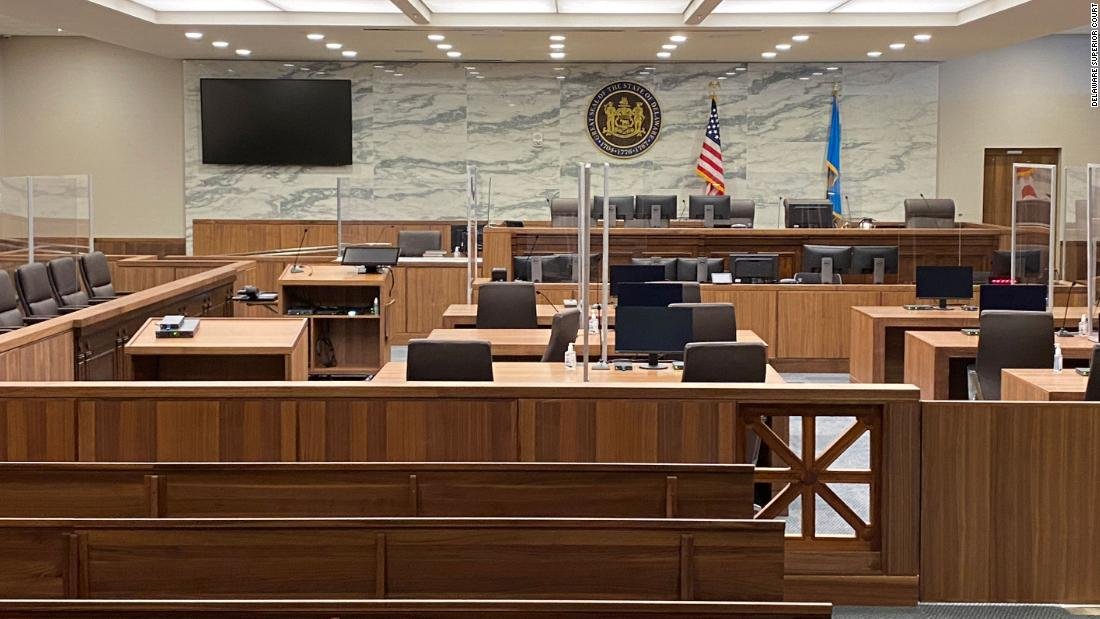
In April 2023, the media world braced for what many called the defamation trial of the century in Wilmington, Delaware. Dominion Voting Systems had filed a $1.6 billion lawsuit against Fox News, alleging the network broadcast false claims about the 2020 election. Jury selection had already summoned 300 potential jurors, with the presiding judge confirming there were more than enough to proceed in Courtroom 7E.
Yet the full spectacle never unfolded. On April 18, 2023, Fox settled for $787.5 million, the largest defamation settlement in U.S. history. This outcome transformed what could have been weeks of testimony into a swift financial reckoning, leaving analysts to ponder how close the network came to public exposure of its internal doubts.
The settlement closed the case without a verdict, but it highlighted the stakes for media accountability. Dominion's claims centered on broadcasts that undermined trust in election infrastructure, and the abrupt resolution underscored how legal pressure can force even powerful outlets to confront consequences.
Jury Selection Sets the Stage in Courtroom 7E
Preparations in Courtroom 7E had reached an advanced point by early April 2023. Three hundred potential jurors stood ready, reflecting the case's massive scope and public interest. The judge's assurance of sufficient jurors signaled that the trial was poised to begin, with opening arguments potentially just days away.
This phase represented a rare moment of judicial scrutiny over election-related broadcasting. Dominion's legal team had compiled evidence of repeated on-air statements questioning voting machine integrity, while Fox prepared defenses around opinion versus fact distinctions. The presence of 300 candidates illustrated how the proceedings could have drawn widespread attention to media practices.
Retrospectively, the halted jury process reveals the leverage of pretrial discovery. Internal documents had already surfaced showing private skepticism among Fox personnel about the fraud claims they aired, shifting momentum toward settlement before any juror heard testimony.
Key Figures Who Avoided the Witness Stand
Rupert Murdoch, Fox's top executive, along with CEO Suzanne Scott, faced the prospect of explaining network decisions under oath. Hosts Tucker Carlson and Sean Hannity similarly stood to address their coverage of post-election narratives. These four figures embodied the tension between corporate leadership and on-air talent.
Their potential testimony carried implications beyond the immediate case. Murdoch's oversight of content strategy and Scott's role in editorial direction could have illuminated how business considerations intersected with reporting standards. Carlson and Hannity's appearances might have clarified the boundary between commentary and factual assertion in prime-time slots.
By settling on April 18, 2023, Fox spared these individuals from cross-examination. The $787.5 million payment effectively bought closure, though it left lingering questions about accountability mechanisms within large media organizations.
The $1.6 Billion Claim and Its Core Allegations
Dominion's original $1.6 billion demand stemmed from broadcasts alleging the company's voting systems flipped votes or were susceptible to foreign interference. These claims aired repeatedly in the weeks after November 2020, amplifying doubts that election officials later refuted through audits and certifications.
The lawsuit framed Fox's coverage as reckless disregard for verified facts, especially after multiple states confirmed results. Dominion argued the network prioritized audience retention over accuracy, a charge supported by unearthed communications revealing internal reservations about the fraud narrative.
Analysis of the claim shows how defamation standards apply differently to public figures versus corporations. Dominion positioned itself as a commercial entity harmed by demonstrably false statements, pushing the case toward resolution rather than prolonged litigation that might have tested First Amendment limits further.
Internal Communications Force a Reckoning
Discovery in the lead-up to April 2023 exposed emails and texts where Fox hosts and executives privately questioned the election fraud assertions they promoted publicly. These materials contradicted the network's on-air stance and eroded any plausible defense of good-faith reporting.
Such revelations shifted the dynamic from a battle over free speech to one about consistency and credibility. The gap between private doubts and public broadcasts created a narrative vulnerability that settlement negotiations ultimately addressed through the $787.5 million figure.
This episode serves as a cautionary benchmark for newsrooms. When internal skepticism surfaces in litigation, it can accelerate resolutions that prioritize financial finality over prolonged public examination of editorial choices.
The April 18 Settlement and Its Historic Scale
The $787.5 million agreement reached on April 18, 2023, marked an unprecedented payout in U.S. defamation history. Announced just as jury selection concluded and trial preparations peaked, the deal averted what could have been a month-long examination of Fox's post-election programming.
Settlement terms included no admission of liability, yet the sheer size signaled recognition of substantial risk. Dominion secured compensation without needing to prove damages in open court, while Fox avoided the spectacle of high-profile witnesses defending coverage decisions.
Contextually, this outcome reflected broader pressures on media companies facing multimillion-dollar exposure. The resolution preserved operational continuity but invited ongoing scrutiny from regulators, advertisers, and viewers regarding trust in election coverage.
Aftermath: What the Settlement Left Unresolved
Although the case closed without a trial verdict, the settlement did not erase questions about Fox's future practices. Other lawsuits from election-related claims persisted, suggesting the Dominion matter represented only one chapter in accountability efforts.
Public discourse shifted toward examining how networks balance audience expectations with factual rigor. The averted testimony of Murdoch, Scott, Carlson, and Hannity left a vacuum where direct explanations might have clarified institutional responses to misinformation.
Retrospective assessments note that the $787.5 million figure, while record-setting, functioned more as a cap on immediate damages than a comprehensive reform mechanism. Media observers continue to cite the episode when discussing the limits of litigation in shaping journalistic standards.
Broader Implications for Media Accountability
The Dominion-Fox resolution underscores how pretrial leverage can reshape outcomes in high-stakes defamation suits. With 300 jurors prepared and Courtroom 7E ready, the April 2023 timeline demonstrated the system's capacity to compel settlements when evidence mounts.
Analysis reveals lasting effects on industry risk calculations. Networks now weigh potential exposure from $1.6 billion claims against the certainty of multimillion-dollar payouts, influencing decisions on sourcing and on-air claims about elections or public institutions.
Ultimately, the settlement highlighted tensions between commercial imperatives and public trust. While Fox avoided a concluded trial, the episode reinforced that internal inconsistencies can drive resolutions that reverberate across the media landscape for years.
By Jessica Ali, Staff WriterThis article was produced with AI-assisted research and editorial support. Reporting is based on sources cited in the article.
What's Your Reaction?
 Like
0
Like
0
 Dislike
0
Dislike
0
 Love
0
Love
0
 Funny
0
Funny
0
 Wow
0
Wow
0
 Sad
0
Sad
0
 Angry
0
Angry
0

Editor-in-Chief at Global1.News. Atlanta-based journalist who cuts through the BS and tells it like it is. Lead anchor, host, and the voice you hear when the spin stops and the truth starts.














Comments (0)