
Three Years Later: How the Dominion Trial Changed Media Accountability Forever
Three Years Later: How the Dominion Trial Changed Media Accountability Forever The Reckoning That Arrived in Wilmington Three years have passed since April 2023, when Dominion Voting Systems' $1.6 billion defamation lawsuit against Fox News reached its defining moment. Jury selection had concluded in Wilmington, Delaware, with 300 potential jurors summoned to Courtroom 7E. The
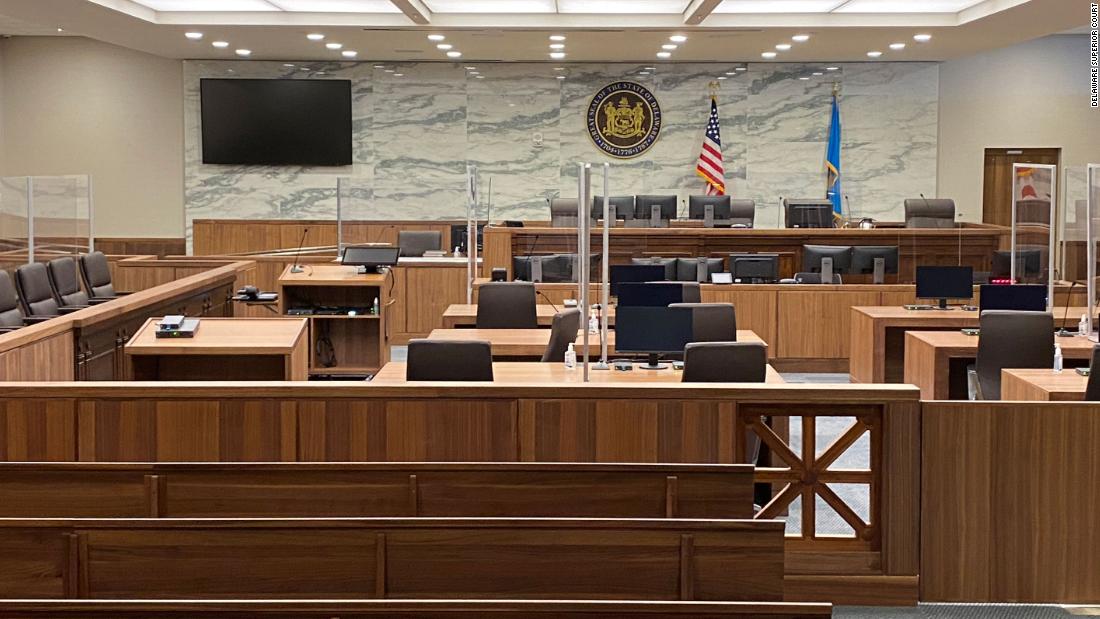
The Reckoning That Arrived in Wilmington
Three years have passed since April 2023, when Dominion Voting Systems' $1.6 billion defamation lawsuit against Fox News reached its defining moment. Jury selection had concluded in Wilmington, Delaware, with 300 potential jurors summoned to Courtroom 7E. The presiding judge had already lost patience with Fox's legal team. Rupert Murdoch, Suzanne Scott, Tucker Carlson, and Sean Hannity were all expected to testify. And then, on the morning the trial was set to begin, it all collapsed into a settlement.
That settlement — $787.5 million, announced just as opening statements were about to commence — sent shockwaves through the media industry. It was one of the largest defamation settlements in American history, and it ended the trial before a single witness could be sworn in. But the absence of a verdict did not mean the absence of accountability. The Dominion case reshaped how networks think about election coverage, internal editorial oversight, and the cost of amplifying unverified claims.
The drama in Wilmington carried echoes of earlier media reckonings, from the Pentagon Papers era to the tobacco industry disclosures of the 1990s. What made this moment different was the sheer scale of the financial exposure and the public nature of the internal contradictions that discovery had already laid bare. Court filings had shown executives privately mocking the very election-fraud theories they allowed on air, creating a narrative tension that no amount of spin could fully erase once the documents surfaced.
Legal observers noted that the judge's pre-trial rulings had already narrowed Fox's defenses significantly, particularly around the actual-malice standard. This forced the network into a corner where continued litigation risked exposing even more damaging communications. The settlement therefore represented not just a financial calculation but a strategic retreat designed to limit further reputational hemorrhage.
Three years on, the Wilmington courthouse still serves as a symbol for media executives weighing the trade-offs between aggressive storytelling and legal exposure. The case demonstrated that even the most powerful cable networks can be brought to the table when plaintiffs wield strong documentary evidence. That precedent continues to influence boardroom discussions whenever election-related claims surface.
The Source Material: What Actually Happened in 2023
In the months following the 2020 election, Fox News aired repeated claims that Dominion voting machines had been rigged to flip votes. Internal communications later revealed that at least some Fox personnel reportedly doubted the validity of these accusations. Dominion filed suit in 2021, seeking $1.6 billion in damages. The case moved toward trial through 2022, with pretrial rulings that forced Fox to turn over internal messages and deposition transcripts. By April 2023, the stage was set for a trial that promised to expose the inner workings of the most-watched cable news network in America. Jury selection took place on Thursday, April 13, 2023, drawing 300 potential jurors. The judge signaled readiness to proceed.
But on April 18, 2023, just as opening statements were scheduled to begin, Fox agreed to pay Dominion $787.5 million. The settlement avoided a jury verdict and prevented testimony from Murdoch, Carlson, Hannity, and other key figures. Both sides claimed vindication — Dominion cited the historic payout as proof of its claims, and Fox said the resolution allowed the network to move past the controversy. The settlement remains the largest defamation-related payout in US history.
The timeline leading to that April morning reveals a methodical legal campaign by Dominion. The company’s attorneys focused relentlessly on text messages and emails that showed hosts and producers questioning the credibility of guests pushing the rigged-machine narrative. These exchanges, released in batches during discovery, painted a picture of internal skepticism that contrasted sharply with the on-air certainty.
Jury selection itself became a media event, with reporters and analysts parsing every demographic detail of the 300-person pool. The judge’s evident frustration with delays signaled that the court would not tolerate further procedural maneuvering. This atmosphere of impending accountability likely accelerated the final negotiations that produced the record settlement.
Historical parallels to the 1980s Westmoreland v. CBS case come to mind, where a general’s libel suit against the network ended in settlement after damaging internal documents emerged. Dominion’s victory, however, carried a far larger price tag and occurred in an era of instant digital dissemination, amplifying its deterrent effect across the industry.
What the Settlement Revealed About Media Liability
The $787.5 million figure sent an unambiguous message to every major news organization: sustained amplification of demonstrably false claims carries real financial risk. While Fox avoided a jury finding of actual malice, the settlement amount itself functioned as a de facto acknowledgment of liability. This changed the calculation for network legal departments. Internal review protocols that had been treated as optional became mandatory. The case established a benchmark — a price tag for election misinformation that no executive could ignore.
The case also demonstrated that defamation claims could succeed against opinion-based programming when internal records contradicted public narratives. Dominion's legal strategy centered on discovery — forcing Fox to produce internal emails, text messages, and deposition testimony that the company would never have voluntarily disclosed. That evidentiary record became the foundation of Dominion's negotiating leverage. Future plaintiffs now have a template: go after the documents, not just the broadcasts.
Beyond the dollar amount, the settlement exposed how commercial pressures can intersect with editorial decisions. Advertiser concerns and affiliate relations weighed heavily once the scale of potential damages became clear. Networks that once viewed defamation suits as routine costs of doing business suddenly confronted the possibility of nine-figure exposures that could affect quarterly earnings and stock performance.
The emphasis on internal communications also shifted risk-assessment models. Compliance officers now routinely audit text threads and private channels that previously escaped formal oversight. This cultural change inside newsrooms represents one of the most tangible legacies of the Dominion litigation.
Fox News After Dominion: What Changed
In the three years since the settlement, Fox News has made measurable changes to its editorial processes. The network restructured aspects of its legal and compliance operations, though it has not publicly acknowledged a direct causal link to the Dominion case. Tucker Carlson was ousted from the network in April 2023, just days after the settlement — a timing that fueled speculation about internal fallout. The network's election coverage in 2024 notably avoided the kinds of rigged-machine claims that had triggered the lawsuit. Whether that restraint reflected lessons learned or simply different electoral circumstances is debated, but the contrast was visible.
Other networks also took notice. CNN, MSNBC, and even smaller outlets reviewed their own liabilities for election-related content. The case prompted broader industry conversations about how to handle breaking news when the factual picture is incomplete. The standard shifted from "air it and correct later" to "verify before amplifying." This was not a universal change, but the Dominion case provided a powerful argument for caution.
Carlson’s departure marked a symbolic turning point, removing the network’s highest-profile voice at a moment when its legal exposure was peaking. Subsequent programming adjustments included more frequent on-air disclaimers and tighter scripting around election technology claims. While ratings remained robust, the tone of coverage reflected a more guarded approach to unverified sourcing.
Industry-wide, the case accelerated the adoption of real-time fact-checking units and pre-broadcast legal reviews. Smaller outlets lacking Fox’s resources found themselves studying the Dominion filings as cautionary case studies, prompting informal best-practice sharing across newsrooms.
Lasting Legal Impact on Defamation and Free Speech
The Dominion case did not produce a binding legal precedent — settlements bypass jury verdicts and appellate rulings. But it created what legal scholars call a normative precedent: a practical expectation that certain conduct will carry consequences. Future defamation plaintiffs will cite Dominion not as law, but as evidence that large payouts are possible when sustained misinformation campaigns damage real businesses. The case also highlighted the tension between First Amendment protections and commercial liability for factual misstatements. While the First Amendment remains robust, Dominion showed that it does not shield networks from the discovery process — and discovery is often where the real leverage lies.
Scholars continue to debate whether the settlement ultimately strengthened or chilled press freedoms. On one hand, the absence of a verdict left the actual-malice standard untouched. On the other, the sheer size of the payout has encouraged plaintiffs’ attorneys to pursue similar document-heavy strategies in subsequent cases involving election claims and corporate reputational harm.
The case also underscored how private text messages and emails can become public evidence, altering the risk calculus for journalists who assume casual communications will remain shielded. This has led to greater self-censorship in internal discussions, an unintended consequence that raises its own First Amendment questions.
Why Dominion Still Matters in 2026
Three years later, the Dominion case stands as a reference point for media accountability. When new controversies arise about election coverage, the question inevitably comes up: "Will this be another Dominion?" The case changed how journalists talk about liability, how executives budget for legal risk, and how the public understands the relationship between broadcast content and corporate consequences. In 2026, with another election cycle approaching, the lessons of Dominion are more relevant than ever. Networks face renewed pressure to balance speed against accuracy, and the $787.5 million reminder sits in the industry's collective memory.
Dominion Voting Systems itself continues to operate, though it no longer dominates headlines. The company's legal victory — even without a trial — forced a reckoning that no other lawsuit had achieved. The case remains the single most expensive episode of misinformation accountability in American media history.
For viewers, the lesson is straightforward: what you hear on cable news has consequences that extend far beyond the screen. The Dominion settlement proved that the law can catch up to the broadcast. Three years later, that truth has not faded.
The 2024 election cycle tested these new norms, with networks exercising greater caution around voting-machine claims. Yet the underlying commercial incentives that fueled the original controversy remain, ensuring that Dominion’s shadow will continue to influence coverage decisions well into the next decade.
By Jessica Ali, Staff WriterThis article was produced with AI-assisted research and editorial support. Reporting is based on sources cited in the article.
What's Your Reaction?
 Like
0
Like
0
 Dislike
0
Dislike
0
 Love
0
Love
0
 Funny
0
Funny
0
 Wow
0
Wow
0
 Sad
0
Sad
0
 Angry
0
Angry
0

Editor-in-Chief at Global1.News. Atlanta-based journalist who cuts through the BS and tells it like it is. Lead anchor, host, and the voice you hear when the spin stops and the truth starts.















Comments (0)