
Cape Verde's Blue Sharks Return Home After Historic World Cup Run
The streets of Praia came alive with an energy that felt both electric and deeply familiar as Cape Verde's Blue Sharks touched down after their unforgettable World Cup campaign. Tens of thousands of supporters filled the airport grounds, turning what could have been a quiet Sunday arrival into a full-blown celebration of national pride. Drums echoed across the tarmac, dancers m
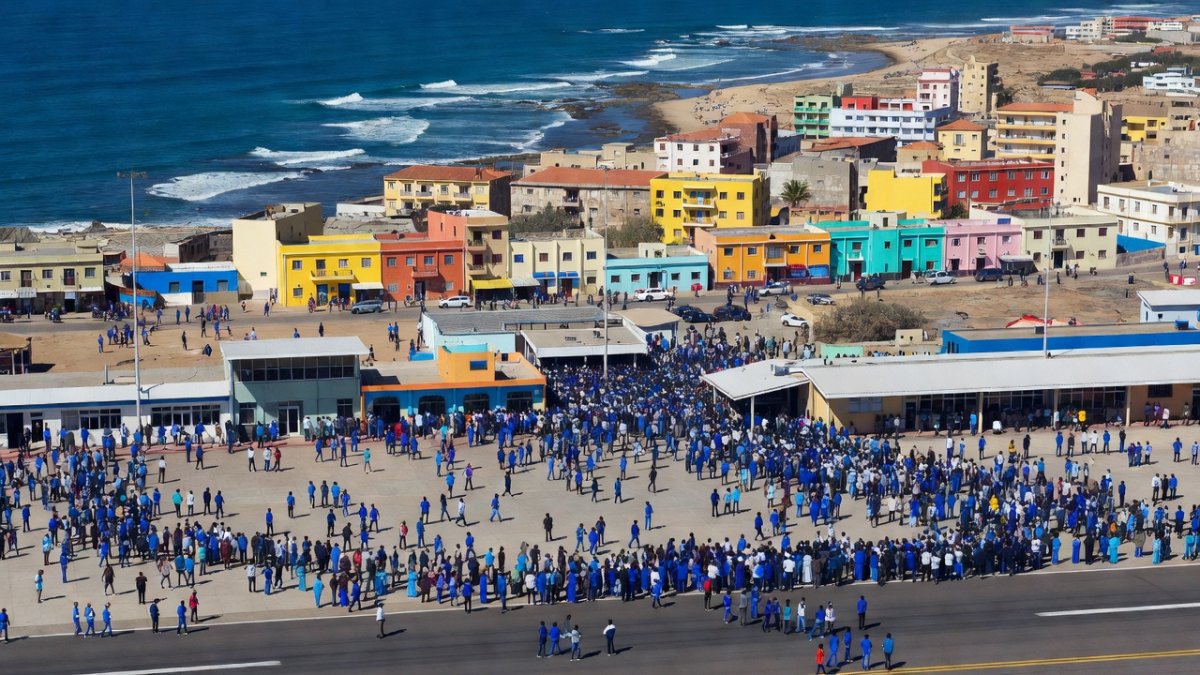
The streets of Praia came alive with an energy that felt both electric and deeply familiar as Cape Verde's Blue Sharks touched down after their unforgettable World Cup campaign. Tens of thousands of supporters filled the airport grounds, turning what could have been a quiet Sunday arrival into a full-blown celebration of national pride. Drums echoed across the tarmac, dancers moved in rhythm with chants, and the national flag waved like a sea of blue under the island sun. This homecoming marked more than a sporting return; it reflected the shared joy of a nation that had watched its team punch above its weight on the global stage.
The Carnival Atmosphere at Praia Airport
Fans transformed the airport into a vibrant gathering point, with supporters of all ages arriving hours early to secure spots near the runway. The scene blended the spontaneity of a street festival with the organized pride of a national event. Goalkeeper Vozinha, whose saves had captured attention worldwide, stepped forward wearing a simple white T-shirt bearing his country's name. He spoke of the moment's significance, noting how the team had longed for something even greater yet chose to savor the connection with their people right there on the grounds.
Voices rose in unison as fans called out for players like centre-back Pico Lopes and captain Ryan Mendes. The athletes moved through the crowd signing football tops, pausing for embraces and photographs. One supporter explained her presence as a way to express gratitude to a squad that had carried the hopes of the world's second-smallest nation at the tournament. The air carried the scent of grilled snacks from nearby vendors, while children perched on shoulders waved handmade banners. This outpouring showed how football in Cape Verde weaves directly into daily life, offering moments of collective release amid the routines of island living.
The Blue Sharks' Remarkable Path Through the Tournament
Cape Verde arrived at the World Cup ranked 67th, entering as debutants with modest expectations yet a clear determination to compete. Their group-stage results quickly shifted the narrative. A scoreless draw against European champions Spain stood out as a defensive masterclass, while additional draws against Uruguay and another opponent secured their historic advance to the knockout rounds. The team demonstrated discipline and tactical awareness that belied their ranking and limited resources.
The round-of-16 clash against Argentina unfolded as a gripping contest that kept viewers across West Africa glued to screens. Lionel Messi's early goal put the Blue Sharks behind, but they responded with resilience to level the score at 1-1 and force extra time. A stunning equalizer from Sidny Lopes Cabral later in the match again brought them level after Argentina had regained the lead. Only a late deflection off Diney Borges from Cristian Romero's header ended their run, leaving the team within ten minutes of a penalty shootout. Manager Pedro Leitão Brito, known locally as Bubista, later reflected on the achievement with quiet satisfaction, emphasizing how a small country could stand toe-to-toe with the world's best.
Independence Day Reflections Amid the Celebrations
The timing of the homecoming added another layer of meaning, coinciding with Cape Verde's observance of 51 years since the end of Portuguese colonial rule. Independence Day celebrations across the islands already carried themes of resilience and self-determination, and the football team's performance extended those sentiments onto the international field. Supporters saw the Blue Sharks' run as a continuation of the same spirit that shaped the nation's post-colonial identity.
In Praia, flags served dual purposes, honoring both the historic milestone and the current sporting success. Families gathered not only to cheer the players but also to remember the generations who fought for sovereignty. This overlap reinforced how cultural milestones in Cape Verde often intersect with expressions of community strength, whether through music, politics, or sport. The Blue Sharks' journey offered a fresh chapter in that ongoing story of determination.
Lessons for Small Nations in African Football
From a Senegalese vantage point, Cape Verde's achievement resonates strongly with other West African countries that have long navigated limited infrastructure and smaller populations. Senegal's own national team has experienced similar moments of continental pride, and the Blue Sharks' success illustrates how focused preparation and unity can elevate any side. Nations across the region, from Guinea-Bissau to The Gambia, watched the campaign as proof that global recognition need not depend solely on size or wealth.
The performance against established powers like Spain and Argentina highlighted tactical growth that smaller federations can study and adapt. Youth academies in Dakar and Praia alike may draw motivation from these results, encouraging investment in grassroots programs. African football continues to evolve through such examples, where collective belief outweighs material advantages and opens doors for future generations of players from island and mainland communities alike.
Football's Role in Binding West African Communities
Across West Africa, football functions as a daily thread connecting neighbors, families, and even distant relatives living abroad. In Senegal, matches often spill from living rooms into courtyards where elders debate tactics alongside teenagers. Cape Verde's story mirrors this pattern, with the Blue Sharks' return sparking conversations that stretch from Praia to Dakar about shared heritage and mutual encouragement. The islands' proximity to Senegal has long fostered cultural exchanges, and this World Cup run strengthened those bonds through collective celebration.
Community gatherings in both countries frequently feature the same rhythms of drums and song that marked the Praia airport welcome. These traditions remind participants that sport serves purposes beyond competition, offering spaces for healing, joy, and renewed purpose. The Blue Sharks demonstrated how a team's effort can ripple outward, inspiring conversations about identity and possibility that extend well beyond the final whistle.
Looking Ahead with Grounded Optimism
As the celebrations in Praia continue into the evening hours, the focus remains on honoring the present achievement while recognizing the work still ahead. The players have returned with renewed visibility that could attract resources and attention to domestic leagues and youth development. Supporters understand that sustained progress requires steady investment, yet the immediate pride stands as its own reward.
This homecoming leaves a lasting imprint on Cape Verdean life and on the broader West African football landscape. It affirms that nations of any scale can claim space on the world stage when preparation meets opportunity. The Blue Sharks have given their people and their neighbors a story worth retelling, one rooted in resilience and shared across the region.
By Amara Diop, Staff WriterThis article was produced with AI-assisted research and editorial support. Reporting is based on sources cited in the article.
What's Your Reaction?
 Like
0
Like
0
 Dislike
0
Dislike
0
 Love
0
Love
0
 Funny
0
Funny
0
 Wow
0
Wow
0
 Sad
0
Sad
0
 Angry
0
Angry
0

West Africa/Sahel Correspondent at Global1.News. Dakar-based journalist covering politics, security, climate, and development across Francophone and Anglophone West Africa. Tells the stories of a region undergoing profound transformation.












Comments (0)