
VP Sara Duterte Impeachment Trial Day 2: Bloodied but...
VP Sara Duterte Arrives at Senate on Second Day On Tuesday, July 7, 2026, Vice President Sara Duterte reached the Senate premises early in the morning. She came to meet her defense team but chose not to enter the impeachment court itself. Lawyer Michael Poa confirmed her presence and explained that she would only consult with her lawyers before stepping away from the proceeding
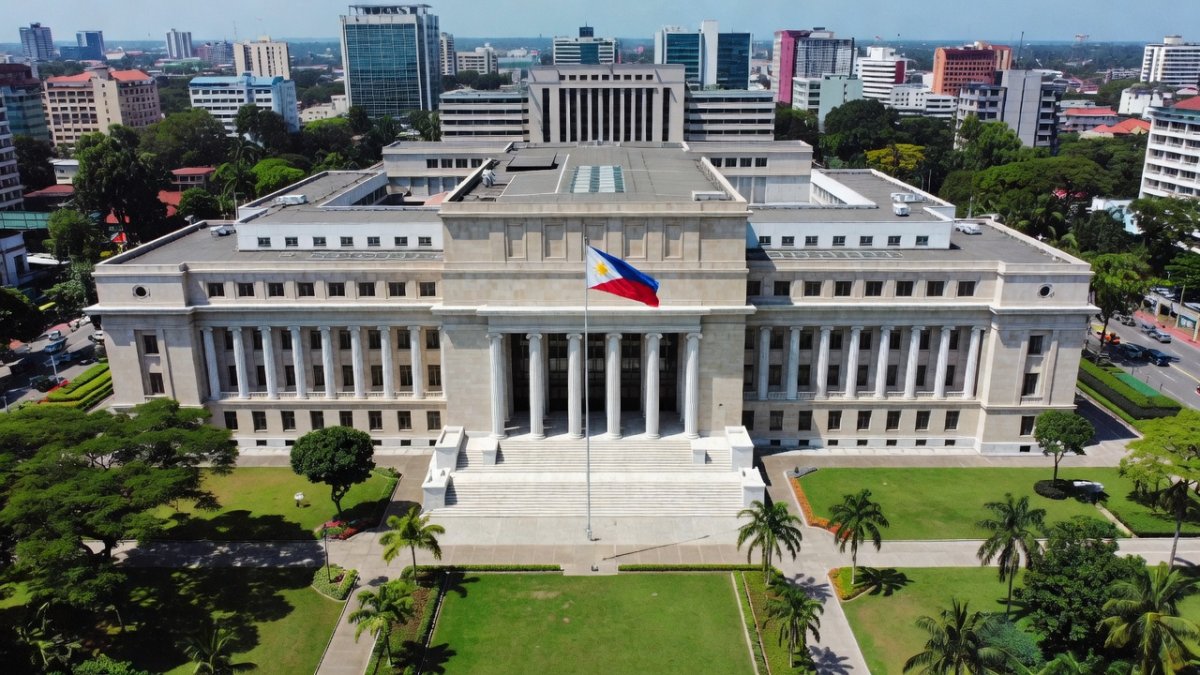
VP Sara Duterte Arrives at Senate on Second Day
On Tuesday, July 7, 2026, Vice President Sara Duterte reached the Senate premises early in the morning. She came to meet her defense team but chose not to enter the impeachment court itself. Lawyer Michael Poa confirmed her presence and explained that she would only consult with her lawyers before stepping away from the proceedings.
Before leaving the press area, the Vice President shared a brief message with reporters. She said, "In this bloodbath and bludgeoning, I will be bloodied but unbowed." Her words echoed the strong spirit many Filipinos recognize from leaders who face tough challenges. She then declined further questions and departed quickly.
This visit on the second day of the trial shows how the process touches not just officials but also the daily lives of people across the country. Families in barangay communities watch these events unfold and wonder about the stability of government services they rely on. The Vice President’s decision to appear only for her team highlights the personal weight of such trials on public figures who represent millions of ordinary citizens.
Her statement carries a tone of resilience that resonates with OFWs who endure hardships abroad while supporting their loved ones back home. Many see parallels between her determination and the bayanihan spirit that helps communities survive difficult times. As the trial continues, her presence at the Senate reminds everyone that leadership involves facing scrutiny while staying connected to the people.
Absence on the Opening Day of July 6
The impeachment trial began on Monday, July 6, 2026, without Vice President Sara Duterte in the chamber. She had stated earlier that she was prepared for a bloodbath, yet she stayed away and let her legal team handle the first session. Lawyer Shiela Sison led the group that represented her during those initial arguments.
Impeachment spokesperson Reginald Tongol noted that her appearance was not required because counsel stood in for her. House prosecutors expressed that they had not expected her to attend but still encouraged her to confront the charges directly. This absence on day one set a tone of distance that many voters in local government units now discuss in sari-sari stores and jeepney rides.
For students and young professionals, the lack of direct participation raises questions about accountability in high office. Parents worry how prolonged proceedings might affect budget decisions that reach classrooms and health centers. The first day established that the trial would move forward through legal representatives, a process rooted in the 1987 Constitution that governs how the Senate handles such matters.
Communities across the archipelago follow these developments closely because they know political stability influences jobs, remittances, and local projects. The decision to remain absent on opening day left room for speculation among families who value transparency in leadership. Yet the structured approach through lawyers keeps the focus on evidence rather than spectacle.
Constitutional Debate Over Presiding Officer
A key discussion on the first day centered on who should lead the impeachment court. Senators elected Sen. Chiz Escudero as presiding officer by a 12-8 vote. Sen. Alan Peter Cayetano and Sen. Pia Cayetano raised objections, arguing that the Senate president should take the role under the 1987 Constitution.
The Constitution specifies that the chief justice presides when the president faces trial, but it remains silent on other impeachable officials. Lawyer Evecar Cruz-Ferrer from Ateneo de Manila University suggested looking back at Constitutional Commission records for guidance in cases of ambiguity. Prof. Mike Tiu from the University of the Philippines College of Law noted that the Senate holds the power and can decide internally who serves as presiding officer.
This debate matters to everyday Filipinos because it shows how institutions adapt rules to current situations. Voters in provinces often feel the effects when Senate procedures influence national policies on education and public funds. The 12-8 outcome reflects the majority’s view that the body can organize its own leadership during the trial.
Barangay leaders and local officials watch these constitutional questions because they affect how national decisions reach communities. The discussion underscores the importance of clear processes that protect both the accused and the public interest. Many families see this as part of the democratic system that balances power among branches of government.
Four Articles and the 92-Day Timeline
The Senate will examine four articles of impeachment over an expected 92 days. Article IV on grave threats, linked to statements from November 2024, receives the first 11 days. Article I on confidential funds misuse follows with 31 days. Article III on alleged bribery and corruption at the Department of Education gets eight days. Article II on unexplained wealth, false statements of assets, liabilities and net worth, and business interests takes 12 days.
Lawyer Benjamin Tolosa, speaking for the prosecution, explained that the grave threats charge comes first because it requires fewer witnesses and appears less complicated. The overall schedule allows time for detailed presentation of evidence on each matter. This measured pace gives senators room to analyze facts thoroughly before reaching conclusions.
Ordinary citizens feel the weight of this timeline because government attention stays on the trial while daily concerns continue. OFWs sending money home hope the process does not delay programs that support their families. Students in public schools wonder if discussions around the Department of Education article will lead to improvements or distractions.
Communities organized around bayanihan traditions understand that long proceedings test patience yet also allow voices to be heard. The allocation of days across articles shows an effort to organize the work fairly. Families in rural areas track these dates because they connect national events to local realities like farm support and health services.
Defense and Prosecution Teams in Action
Lawyer Michael Poa serves as spokesperson for the defense team supporting Vice President Sara Duterte. On the second day he confirmed her arrival and her plan to meet only with counsel. Lawyer Shiela Sison led the representation on the opening day when the Vice President stayed away from the chamber.
On the prosecution side, lawyer Benjamin Tolosa acts as legal spokesperson and has outlined the strategy for presenting the grave threats article first. The teams operate within the Senate setting where senators serve as judges. This structure follows established procedures that aim to balance the rights of the accused with public accountability.
For many Filipinos, these legal teams represent more than courtroom strategy. They symbolize how disputes at the highest levels still rely on professionals who prepare arguments carefully. Parents explain to children that such processes teach lessons about responsibility and evidence. Barangay meetings sometimes reference these developments when discussing local leadership standards.
The involvement of named lawyers keeps the focus on specific roles rather than personalities alone. This approach helps voters separate the trial mechanics from broader political stories. Communities value clear communication from both sides because it allows informed discussion around dinner tables and in jeepneys across the nation.
Impact on Ordinary Filipino Families and Communities
The impeachment trial reaches beyond Senate walls into the homes of voters who depend on steady government services. Families worry that extended proceedings could slow decisions on education funding and health programs that affect students daily. OFWs abroad follow updates because political uncertainty sometimes influences economic conditions back home.
In barangay communities, residents gather to talk about how the four articles touch issues like public funds and threats against leaders. The 92-day timeline means months of attention that could shape conversations at sari-sari stores and during jeepney commutes. Many see the trial as a test of institutions that ultimately serve the people.
Students learning about the 1987 Constitution now witness its application in real time. Parents hope the process strengthens accountability without disrupting services their children need. The human stories behind the headlines involve workers who want stable jobs and communities that rely on bayanihan to overcome challenges.
This trial reminds everyone that leadership carries consequences felt by millions. Ordinary citizens continue their routines while watching how senators organize the proceedings. The focus remains on fairness and evidence that can guide future governance for the benefit of all Filipinos.
Looking Forward to Continued Proceedings
As the trial resumes at 2 p.m. on July 7, 2026, attention turns to the first article on grave threats. The prosecution plans to present its case over the coming days while the defense prepares responses. Senators will listen and deliberate within the framework set by the 1987 Constitution.
The coming weeks will bring more testimony and arguments that reach into questions of public trust. Communities across the country will keep following developments because they connect to daily life in schools, workplaces, and local government units. The structured timeline offers a path toward resolution that respects both sides.
Filipinos have long shown resilience during national debates, drawing on cultural values of unity and patience. The trial offers a chance to examine issues openly while remembering the people whose lives depend on effective leadership. As days pass, the focus stays on facts and fairness that serve the broader community.
Observers note that the process continues regardless of individual absences or statements. This steady movement reflects the strength of democratic institutions that aim to protect the interests of every citizen. The nation watches with hope that the outcome supports stability and progress for families everywhere.
By Bella Reyes, Staff Writer
This article was produced with AI-assisted research and editorial support. Reporting is based on sources cited in the article.
What's Your Reaction?
 Like
0
Like
0
 Dislike
0
Dislike
0
 Love
0
Love
0
 Funny
0
Funny
0
 Wow
0
Wow
0
 Sad
0
Sad
0
 Angry
0
Angry
0

Philippines/Southeast Asia Correspondent at Global1.News. Manila-based journalist covering Philippine politics, environment, maritime security, and social issues. Passionate about marine conservation and the communities protecting the Philippines' natural heritage.














Comments (0)