
BTL Plant in Nahariya to Close, 450 Employees Laid Off as Pratt & Whitney Completes Exit
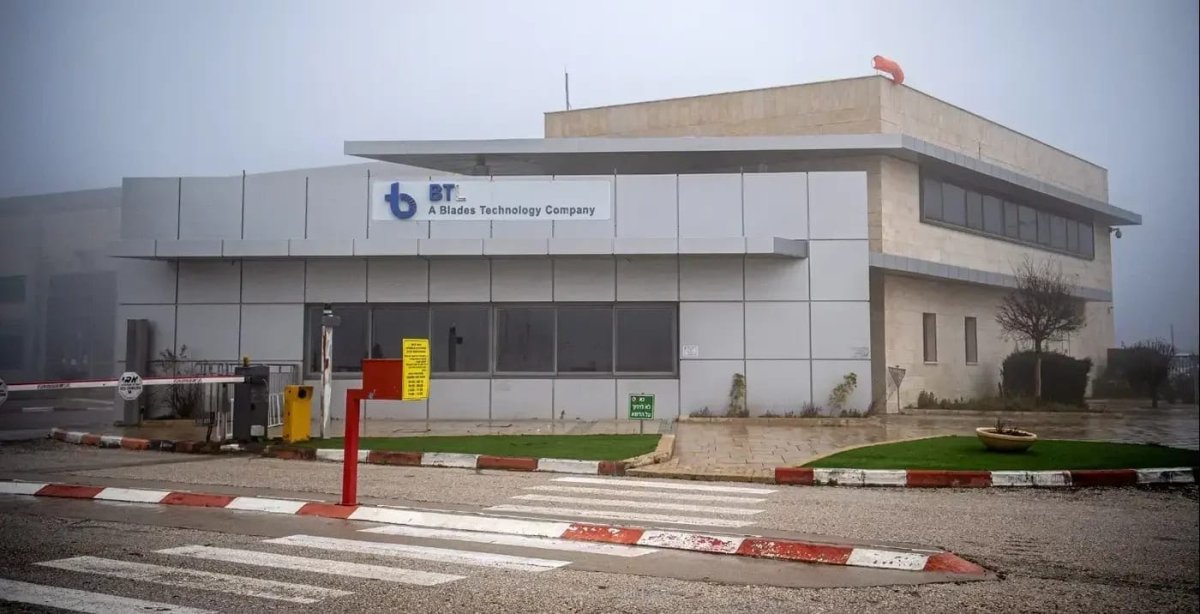
Pratt & Whitney closes the BTL plant in Nahariya, laying off 450 workers. Founded by Stef Wertheimer in 1968 after the Six-Day War, the flagship industrial site in the Western Galilee shutters after global aerospace shifts.

The Closure Announcement and Timeline of Events
The decision to shut down the BTL plant in Nahariya traces back to December 2022 when Pratt & Whitney finalized its acquisition of the facility. At that time company executives cited shifting global patterns in aircraft engine manufacturing that lowered the need for specialized blades. Layoff notices began reaching the remaining workforce in recent weeks as the American parent prepared to complete its exit from the site. Two departments are slated to continue operations after last-minute talks but this adjustment offers little relief to the majority of the 450 affected workers. The process has unfolded over more than two years leaving employees and local leaders with limited room to alter the outcome.
Pratt & Whitney communicated the final stages of the closure through direct correspondence to staff members still on site. This step followed earlier warnings that had circulated among the workforce since the acquisition closed. Local officials in Nahariya received updates from the company but found few avenues to reverse the broader plan. The timeline reflects a deliberate corporate sequence rather than an abrupt shift in market conditions. Families across the Western Galilee now face immediate questions about income replacement and long-term stability.
Negotiations that preserved the two departments occurred only after sustained pressure from employee representatives and regional authorities. Even so the core production lines tied to jet engine components will cease within weeks. The phased approach allowed Pratt & Whitney to manage inventory and customer commitments before full withdrawal. Workers describe the sequence as one in which meaningful dialogue arrived too late to change the fundamental direction. This extended period of uncertainty has compounded stress for households already navigating regional tensions.
Observers note that the December 2022 announcement aligned with Pratt & Whitney's wider review of overseas facilities. The Nahariya operation represented one element in a portfolio adjustment aimed at concentrating resources elsewhere. Subsequent months brought incremental reductions in staffing before the current wave of notices. The entire arc from initial disclosure to imminent shutdown spans roughly two and a half years. Such drawn-out processes often leave communities with little leverage once corporate timelines are set.
BTL's Historical Significance in the Western Galilee
Stef Wertheimer established BTL in 1968 shortly after the Six-Day War with the goal of producing jet engine blades for the growing aviation sector. The plant quickly became a cornerstone of industrial development in the Galilee region where new towns sought sustainable employment beyond agriculture. Wertheimer's vision positioned the facility as a model for technology transfer and skilled manufacturing in peripheral areas. Over subsequent decades the operation expanded its capabilities and contributed to Israel's reputation in precision engineering. Its presence helped anchor economic activity in Nahariya and surrounding communities for more than five decades.
The founding occurred during a period when Israel sought to diversify its industrial base beyond traditional sectors. Wertheimer selected Nahariya for its strategic location and available workforce drawn from immigrant populations settling in the north. The plant's early contracts with international aerospace firms demonstrated the viability of high-value manufacturing in development towns. Successive governments highlighted BTL as evidence that advanced industry could thrive outside central Israel. This legacy continues to shape local identity even as the facility faces closure.
Employees who joined in later years often speak of the plant as a source of generational stability for families in the Western Galilee. Training programs developed on site created pathways for technicians and engineers who might otherwise have migrated southward. The facility's role extended beyond payrolls to include community investments in education and infrastructure. Wertheimer's emphasis on combining business success with regional growth influenced similar initiatives across the country. The impending shutdown therefore carries symbolic weight beyond the immediate job losses.
Despite changes in ownership the core expertise accumulated since 1968 remained concentrated in Nahariya until the recent decision. The plant's integration into global supply chains reflected Israel's broader push into aerospace components. Local historians and industry veterans view the site as emblematic of post-1967 economic optimism in the periphery. Its trajectory illustrates both the achievements and vulnerabilities of development town strategies. The loss now prompts reflection on how such assets can be preserved amid corporate realignments.
Pratt & Whitney's Global Strategy and Market Shifts
Pratt & Whitney framed the Nahariya closure within a larger reassessment of blade production capacity worldwide. Declining demand for certain engine components prompted the company to consolidate operations at fewer locations. The acquisition of BTL had initially appeared as an opportunity to secure specialized Israeli know-how but evolving industry trends altered those calculations. Executives pointed to technological changes in engine design that reduced the volume of replacement blades required. This strategic pivot reflects pressures facing major aerospace suppliers as fleets modernize.
The parent company's decisions also respond to supply chain adjustments following disruptions in recent years. Concentrating manufacturing closer to primary assembly sites in North America and Europe became a priority. Nahariya's output while high quality represented a smaller share of overall needs once internal efficiencies improved. Pratt & Whitney maintained that the move would streamline costs without compromising quality standards elsewhere. Israeli partners received assurances that select capabilities would transfer but the bulk of employment would not.
Global conflicts including the war in Ukraine initially appeared to boost demand for spare parts yet the increase proved insufficient to alter the closure timeline. Pratt & Whitney evaluated whether sustained orders from Middle East operators could offset the trend but projections remained below thresholds needed to retain the full plant. The company continued limited production during the transition period to fulfill existing contracts. This measured wind-down allowed time for customer notifications and inventory management. The outcome underscores how even heightened regional tensions may not reverse corporate consolidation plans.
Industry analysts observe that Pratt & Whitney's approach mirrors moves by other multinationals seeking resilience through geographic concentration. The Nahariya facility's specialized focus made it vulnerable once parent-level priorities shifted. Israeli officials engaged in discussions about potential offsets but the company's global footprint limited flexibility. The strategy prioritizes long-term competitiveness over maintaining dispersed legacy sites. Such calculations often place peripheral operations at a disadvantage regardless of historical contributions.
Economic Pressures Highlighted by the Manufacturers' Association
The Manufacturers' Association of Israel attributed part of the closure momentum to the erosion of the dollar exchange rate against the shekel. A stronger local currency raised the relative cost of exports produced in Nahariya for international clients. Rising input costs for raw materials and energy further squeezed margins at the facility. Production expenses in Israel have climbed steadily due to wage pressures and regulatory requirements. These factors combined to accelerate the timeline once Pratt & Whitney reviewed overall profitability.
Association representatives noted that similar pressures affect multiple industrial sites across the north and center. The combination of currency fluctuations and higher operational outlays creates an uneven playing field compared with facilities abroad. BTL's experience serves as a warning for other export-oriented manufacturers dependent on dollar-denominated revenues. Policy discussions have intensified around measures that might mitigate such vulnerabilities in the future. The closure therefore feeds into wider debates about industrial competitiveness.
Local economists emphasize that the Nahariya plant's cost structure reflected both global trends and domestic conditions unique to Israel. Infrastructure investments and security-related expenses add layers not always present in competing regions. The Manufacturers' Association has advocated for targeted support mechanisms to offset these differentials. Without adjustments the risk of additional exits from development towns remains elevated. The BTL case illustrates how macroeconomic variables interact with corporate strategy to shape employment outcomes.
Input cost inflation has been particularly acute in precision manufacturing where quality standards demand premium materials. The association's analysis connects these trends directly to the decision-making process at Pratt & Whitney headquarters. Exchange rate movements since the acquisition compounded the challenge for the Nahariya workforce. Broader fiscal policies at the national level now face scrutiny for their impact on peripheral industry. The episode highlights the need for coordinated responses that address both currency stability and production cost drivers.
The Human Cost and Worker Reactions in Nahariya
Employees at the plant expressed deep frustration that meaningful engagement from ownership arrived only after the closure path was irreversible. One worker captured the prevailing sentiment by noting that management suddenly remembered the staff when nothing could be done anymore. Families in Nahariya and nearby communities now confront the prospect of prolonged unemployment in an already strained regional economy. Many had built careers spanning decades around the specialized skills developed at BTL. The abrupt shift leaves limited time for transition planning at the individual level.
Anger centers on the perception that earlier warnings went unheeded despite repeated appeals to both company and government channels. Workers describe a gradual erosion of morale as staffing levels declined over the past two years. Community organizations in the Western Galilee have begun compiling support networks but resources remain stretched. The loss extends beyond wages to include the social fabric tied to a shared workplace identity. Local leaders stress that the human dimension requires attention equal to the economic calculations.
Younger employees who joined more recently face particular difficulty reentering the job market with comparable compensation. Older workers with families worry about mortgage obligations and educational expenses amid regional uncertainty. The two departments remaining open provide some continuity but represent a fraction of the original workforce. Testimonies collected by union representatives reveal a sense of betrayal after years of loyalty to the facility. These personal accounts underscore the gap between corporate timelines and lived realities in the Galilee.
Support services in Nahariya have reported increased inquiries about retraining options and relocation assistance. The emotional toll of the closure compounds existing pressures from the security environment in the north. Workers emphasize that the plant represented stability in a region where opportunities can be scarce. The collective response includes calls for greater transparency in future acquisition processes. Such experiences shape attitudes toward foreign investment in Israeli industry for years to come.
Security Situation and Regional Dynamics in the North
The closure coincides with nearly three years of complex security challenges stemming from Hezbollah rocket threats and the broader conflict with Hamas in Gaza. Communities in the Western Galilee have endured repeated disruptions to daily routines and economic activity. The loss of a major employer like BTL adds another layer of strain to an area already managing displacement and infrastructure strain. Local authorities note that employment anchors help sustain resilience during prolonged tensions. The timing therefore amplifies concerns about the north's long-term viability.
Regional dynamics involving cross-border exchanges have influenced investment decisions and workforce mobility in recent periods. Nahariya's proximity to the Lebanese border places it at the forefront of these pressures. The plant's closure removes one element of economic normalcy that residents relied upon amid uncertainty. Government assessments of northern development now incorporate both security needs and industrial retention. The interplay between these factors shapes policy priorities at the national level.
Residents describe a compounding effect where security incidents and job losses together accelerate out-migration from development towns. The Manufacturers' Association and local councils have highlighted this linkage in discussions with central authorities. Maintaining industrial presence serves not only economic goals but also demographic stability in sensitive border areas. The BTL episode therefore intersects with wider strategic considerations regarding the Galilee's future. Security realities cannot be separated from employment outcomes in this context.
International observers have noted Israel's efforts to balance defense requirements with economic development in the periphery. The Nahariya situation illustrates how external corporate decisions can interact with these domestic challenges. Community leaders advocate for integrated approaches that address both threats and opportunities simultaneously. The ongoing regional conflicts underscore the importance of diversified employment bases. This dimension adds urgency to conversations about industrial policy in the north.
Implications for Israeli Industrial Policy and Development Towns
The BTL closure prompts renewed examination of strategies for sustaining advanced manufacturing in Israel's development towns. Policymakers face questions about how to attract and retain foreign investment while protecting local workforces during ownership transitions. The case highlights gaps in mechanisms that might have preserved more of the operation despite global pressures. Broader industrial policy discussions now include calls for enhanced incentives tied to regional employment commitments. Development towns such as Nahariya have historically relied on flagship facilities to drive growth and retain population.
Analysts connect the outcome to patterns observed in other peripheral locations where cost differentials influence corporate choices. The experience may accelerate efforts to diversify the industrial base beyond single large employers. Government ministries have begun reviewing existing support frameworks for export-oriented plants. The implications extend to Israel's reputation as a destination for aerospace and precision engineering partnerships. Sustaining such capabilities requires attention to both macroeconomic conditions and site-specific factors.
Local economic development plans in the Western Galilee will need adjustment to account for the reduced manufacturing footprint. The loss of accumulated expertise at BTL represents a setback that retraining programs alone may not fully offset. National strategies emphasizing innovation clusters must now consider how to integrate displaced skilled workers effectively. The episode serves as a reference point in debates over the balance between market forces and public policy interventions. Development town models continue to evolve in response to such events.
Stakeholders emphasize that the closure carries lessons for future acquisitions involving Israeli industrial assets. Greater emphasis on long-term regional impact assessments could inform regulatory approaches. The interplay between global corporate strategies and domestic priorities remains a central theme in Israeli economic planning. Nahariya's experience will likely influence advocacy efforts by organizations representing peripheral communities. These broader implications shape the context for ongoing discussions about industrial resilience.
Paths Forward Including Retraining and Government Engagement
Authorities have initiated discussions around retraining programs tailored to the skills of former BTL employees. Partnerships with technical colleges in the north aim to facilitate transitions into adjacent manufacturing or technology sectors. Government ministries are evaluating incentives that might encourage new employers to establish operations in Nahariya. The focus includes both immediate support measures and longer-term strategies for economic diversification. Local chambers of commerce play an active role in matching workers with emerging opportunities.
Regional development funds may receive additional allocations to address the employment gap left by the plant closure. Officials stress the importance of coordinated responses involving the Manufacturers' Association and municipal leadership. Potential new investors have been approached about leveraging the remaining skilled labor pool in the Western Galilee. The process requires balancing short-term relief with sustainable job creation. Success will depend on aligning national priorities with on-the-ground realities in Nahariya.
Worker representatives continue to press for enhanced severance terms and transition assistance during the final weeks of operations. Government engagement includes assessments of how existing industrial policy tools can mitigate similar risks elsewhere. The emphasis on retraining reflects recognition that many employees possess transferable expertise from decades at the facility. Broader conversations address infrastructure improvements that could attract replacement industries. These efforts unfold against the backdrop of ongoing regional security considerations.
Future prospects hinge on the ability of stakeholders to convert the closure into an opportunity for renewed industrial focus in the Galilee. Monitoring mechanisms may be strengthened to track outcomes for affected workers over the coming months. The response from central authorities will set precedents for handling comparable situations in other development towns. Community resilience in Nahariya depends on effective implementation of these forward-looking measures. The episode ultimately tests Israel's capacity to adapt industrial policy to evolving global and regional conditions.
By Hannah Berg, Staff WriterWhat's Your Reaction?
 Like
0
Like
0
 Dislike
0
Dislike
0
 Love
0
Love
0
 Funny
0
Funny
0
 Wow
0
Wow
0
 Sad
0
Sad
0
 Angry
0
Angry
0













Comments (0)