
Lobby Groups and the Erasure of Israel's Documented Killings of Gaza Journalists
In a recent Middle East Eye investigation, the question of whether Israel's documented killings of Gaza journalists are being systematically erased from the historical record takes center stage. The video examines how the Committee to Protect Journalists — long regarded as the definitive authority on journalist deaths worldwide — has launched a review of its Gaza database follo
In a recent Middle East Eye investigation, the question of whether Israel's documented killings of Gaza journalists are being systematically erased from the historical record takes center stage. The video examines how the Committee to Protect Journalists — long regarded as the definitive authority on journalist deaths worldwide — has launched a review of its Gaza database following pressure from pro-Israel groups and reports questioning the affiliations of some slain media workers. The controversy threatens to obscure what press freedom organizations have called the deadliest period for journalists in modern history.
Lobby Groups and the Erasure of Israel’s Documented Killings of Gaza Journalists
Gaza City, Occupied Palestine – July 2026 — More than 200 Palestinian journalists and media workers have been killed since Israel launched its war on Gaza in October 2023, a toll that press freedom advocates describe as unprecedented in the annals of modern conflict. But a growing controversy over the identities of some of those killed now threatens to cast doubt on the entire list — and human rights advocates warn that the erasure of these deaths would serve to whitewash what the Committee to Protect Journalists itself once called “the deadliest and most deliberate effort to kill and silence journalists” it had ever documented.
The Scale of Journalist Deaths in Gaza
Since October 2023 the war in Gaza has become the deadliest conflict for journalists in modern history. The Committee to Protect Journalists documented at least 207 Palestinian journalists and media workers killed during this period. Al Jazeera separately reported that Israel killed more than 270 journalists and media workers in the same timeframe. These figures reflect repeated strikes on media offices, homes, and field reporting teams across the territory.
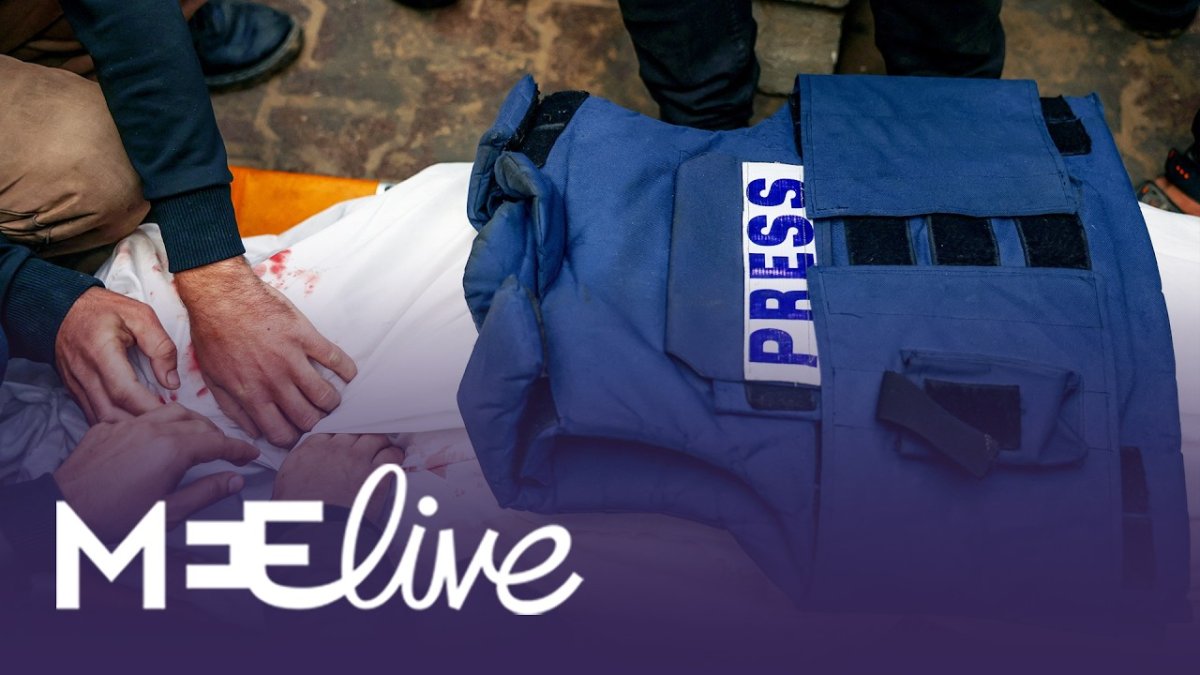
One documented incident occurred in August 2025 when an Israeli strike killed five Al Jazeera staff members. Such targeted attacks have compounded the dangers faced by reporters covering daily conditions under bombardment and displacement. Palestinian journalists have continued working despite the loss of colleagues, often operating with limited equipment and under constant threat.
CPJ's Initial Documentation and Statements
The Committee to Protect Journalists had previously described Israel's actions as the deadliest and most deliberate effort to kill and silence journalists that the organization has ever documented. Its database served as a central reference point for tracking casualties among media workers. The figures were compiled through cross-verification with local sources, hospital records, and family statements in Gaza.
These records placed the Gaza conflict ahead of previous wars in terms of journalist fatalities within a compressed timeframe. Palestinian media outlets have emphasized that many of those killed were working for local broadcasters and newspapers that provide coverage of events on the ground. The loss has left gaps in reporting from areas experiencing intense military operations.
The Catalyst for Review: Obituaries and Reports
On June 25, 2026, CPJ announced a full review of its database. The decision followed a report in The Times of Israel noting that obituaries published by Hamas and Palestinian Islamic Jihad included some individuals also identified as operatives. The review process is scheduled for completion in July 2026. CPJ stated that the examination aims to ensure accuracy in its casualty listings.
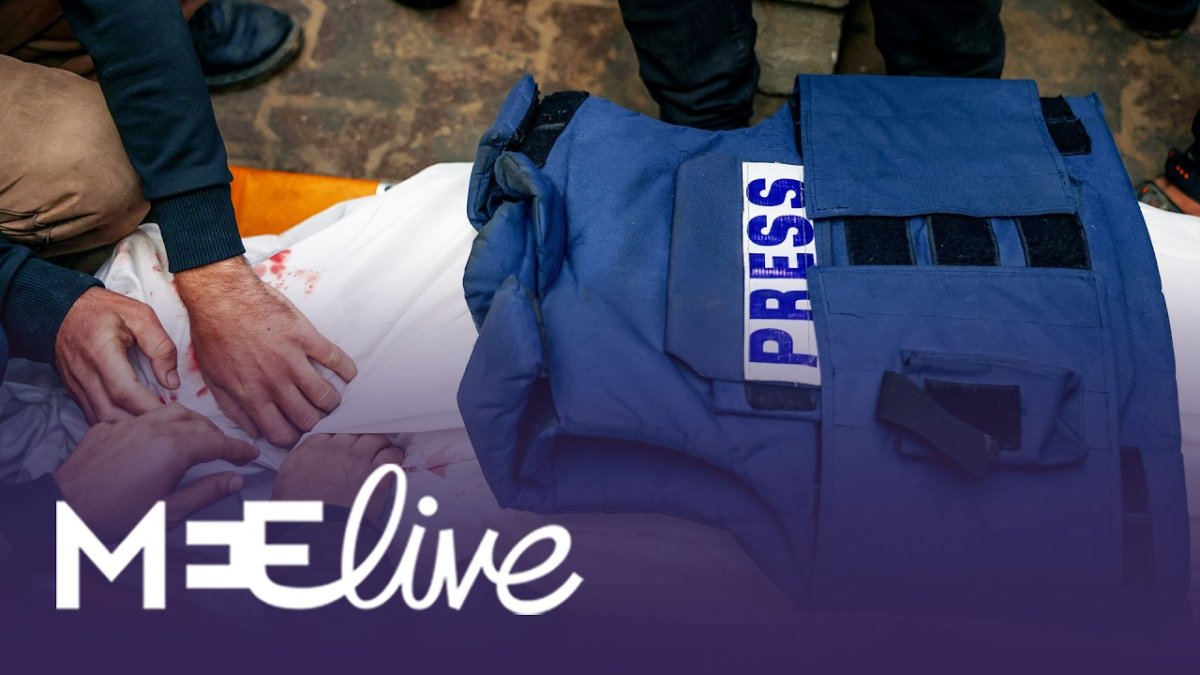
Press freedom advocates have cautioned that the review could be leveraged to cast doubt on the broader list of documented deaths. They note that the presence of any disputed entries does not automatically invalidate the majority of verified cases compiled through independent channels. Palestinian journalists' families have expressed concern that the process might shift focus away from the circumstances of each killing.
Advocacy Groups and Questions on Credibility
Pro-Israel advocacy groups have used the announced review to question the entire CPJ casualty list. These organizations argue that any overlap with militant affiliations undermines the database as a whole. Their statements have circulated widely in international media and policy discussions.
Critics of this approach point out that CPJ's methodology already incorporates multiple verification steps. They argue that isolated discrepancies should prompt targeted corrections rather than wholesale dismissal. Palestinian civil society groups have stressed that the killings occurred during reporting assignments or at media facilities, regardless of any secondary affiliations listed in local obituaries.
Press Freedom Advocates Sound Alarm
Press freedom advocates warn that the review could be used to erase documented Israeli killings of journalists. They emphasize that the Gaza conflict has already produced an unprecedented toll on media workers. Organizations monitoring press safety have called for transparent criteria in the review to prevent selective reinterpretation of the data.
The video explores whether lobby groups are succeeding in erasing the record of these deaths. It connects the current debate to longer-standing patterns of pressure on international organizations that document events in Gaza. Palestinian journalists have described the potential outcome as a form of secondary silencing that compounds the physical losses already suffered.
Human Cost and Silencing of Palestinian Voices
Beyond statistics, the deaths have removed experienced reporters who covered daily life under occupation and blockade. Families in Gaza have lost breadwinners and community chroniclers at a time when independent information remains scarce. The remaining journalists continue to face restrictions on movement and access to electricity and internet.
Local media networks have documented how the killings affect coverage of humanitarian conditions, displacement, and reconstruction needs. Palestinian voices have highlighted that accurate accounting of journalist deaths serves not only press freedom but also the historical record of the conflict. Any erosion of that record risks diminishing public understanding of the obstacles to reporting from the territory.
Looking Ahead: The Review's Potential Impact
The outcome of the CPJ review will influence how future conflicts measure risks to media workers. Palestinian journalists and their advocates are urging that the process remain focused on individual verification rather than broader narratives. They stress the need to preserve the documented pattern of strikes on media targets that has characterized the current war.
International press organizations continue to monitor developments as the July 2026 completion date approaches. The debate underscores ongoing tensions between efforts to maintain precise records and attempts to reframe casualty data for political purposes. Palestinian media workers maintain that their colleagues' deaths deserve recognition based on the circumstances in which they occurred.
By Fatima Al-Rashid, Staff WriterThis article was produced with AI-assisted research and editorial support. Reporting is based on sources cited in the article.
What's Your Reaction?
 Like
0
Like
0
 Dislike
0
Dislike
0
 Love
0
Love
0
 Funny
0
Funny
0
 Wow
0
Wow
0
 Sad
0
Sad
0
 Angry
0
Angry
0

Gulf/MENA Correspondent at Global1.News. Based in Doha, covering Gulf politics, energy markets, diplomacy, and development across the Middle East and North Africa. Tracks the economic transformation of the Gulf states.











Comments (0)