
Keiko Fujimori Wins Peru Election: Regional Shift to Right and Amazon Implications
Peru's Election Results Signal a Narrow Victory for Keiko Fujimori Right-wing candidate Keiko Fujimori has been declared the winner of Peru's presidential election with 50.135 percent of the vote in the June 7 runoff. The margin stood at less than 50,000 votes against left-wing candidate Roberto Sánchez, who received 49.865 percent, according to figures certified by Peru's elec
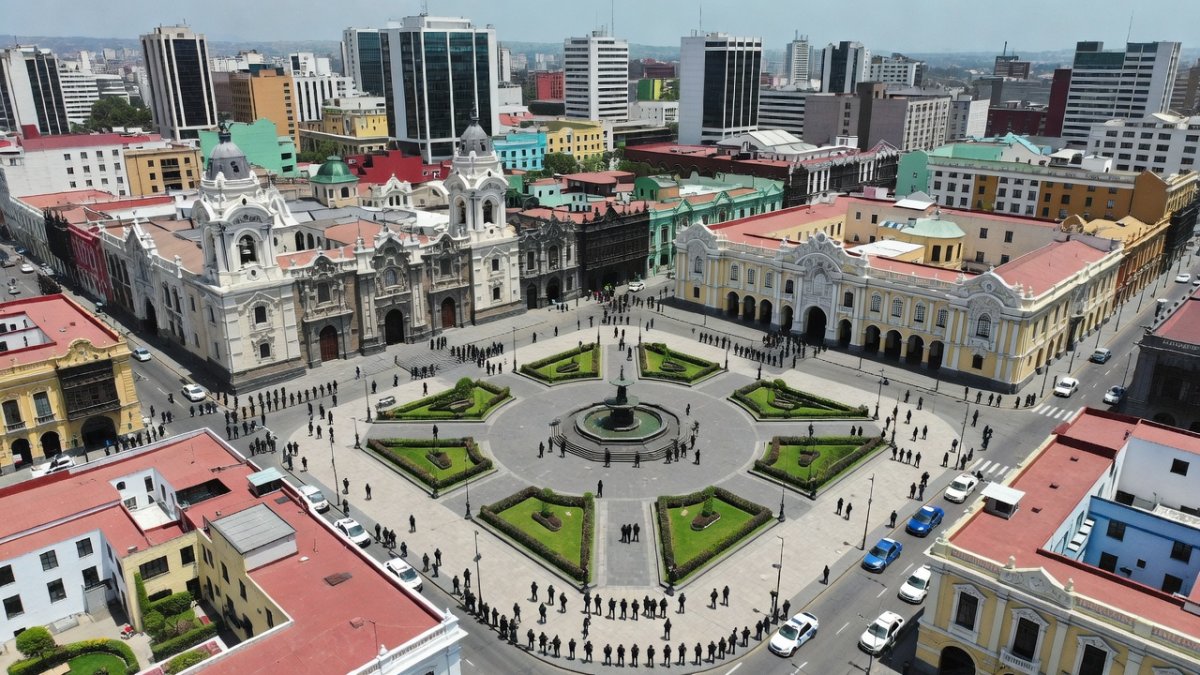
Peru's Election Results Signal a Narrow Victory for Keiko Fujimori
Right-wing candidate Keiko Fujimori has been declared the winner of Peru's presidential election with 50.135 percent of the vote in the June 7 runoff. The margin stood at less than 50,000 votes against left-wing candidate Roberto Sánchez, who received 49.865 percent, according to figures certified by Peru's electoral court. This outcome comes nearly a month after voting concluded and marks Fujimori's fourth attempt at the presidency.
The 51-year-old candidate campaigned on promises to address organized crime and attract private investment for economic growth. She also pledged to expel undocumented immigrants convicted of crimes. Fujimori stated she would assume the presidency with responsibility, humility, and a deep sense of duty. Her swearing-in is expected on July 28, making her the ninth president in Peru over the past decade.
Campaign Dynamics and the Legacy of Alberto Fujimori
Throughout the race, Fujimori drew on the record of her father, former president Alberto Fujimori, who was later jailed for crimes against humanity tied to extrajudicial killings and forced sterilizations. She positioned herself as favoring a military-led crackdown on organized crime, a message that resonated amid voter concerns over security and instability. Sánchez, aged 57, had advocated broader economic reforms but faced challenges in a contest dominated by crime and political uncertainty.
Sánchez has alleged that the runoff was seriously compromised and has threatened legal action. The close result highlights deep divisions within Peru, where voters weighed competing visions for addressing immediate security threats against longer-term economic changes.
Rightward Political Movement Across Latin America
Fujimori's win coincides with the election of Abelardo de la Espriella in Colombia, contributing to a broader shift toward right-leaning leadership in the region. De la Espriella is scheduled to take office shortly after Fujimori. Other figures such as El Salvador's Nayib Bukele and Ecuador's Daniel Noboa have similarly aligned themselves with U.S. President Donald Trump in recent years.
These developments follow periods in which several left-leaning governments lost ground. The pattern places new emphasis on security-focused platforms and private-sector approaches to growth, often replacing administrations that prioritized different economic frameworks. Peru's outcome adds another data point to this regional realignment.
Brazil's Position Under Lula Amid Regional Changes
Brazil's Luiz Inácio Lula da Silva now stands as the predominant left-wing leader in Latin America following these shifts. Lula faces the son of convicted former president Jair Bolsonaro in elections later this year. The contrast underscores differing approaches to governance across the continent, with Brazil positioned as a counterweight to the right-leaning governments emerging elsewhere.
Local dynamics in Brazil, including the role of agencies such as IBAMA and ICMBio in overseeing the Amazon biome, will intersect with these regional trends. Economic priorities in states bordering Peru could influence cross-border cooperation on issues ranging from trade to resource management. Lula's administration has emphasized environmental enforcement in recent periods, setting up potential points of divergence with neighbors pursuing security-centered agendas.
Environmental Considerations for the Amazon and Regional Climate Policy
Campaign reporting from Peru shows that environmental positions received limited attention compared with crime and economic stability. Fujimori's platform centered on investment promotion and security measures, leaving specific stances on Amazon protection or emissions targets largely unaddressed in public statements. This absence creates uncertainty about how the incoming administration might engage with regional climate initiatives.
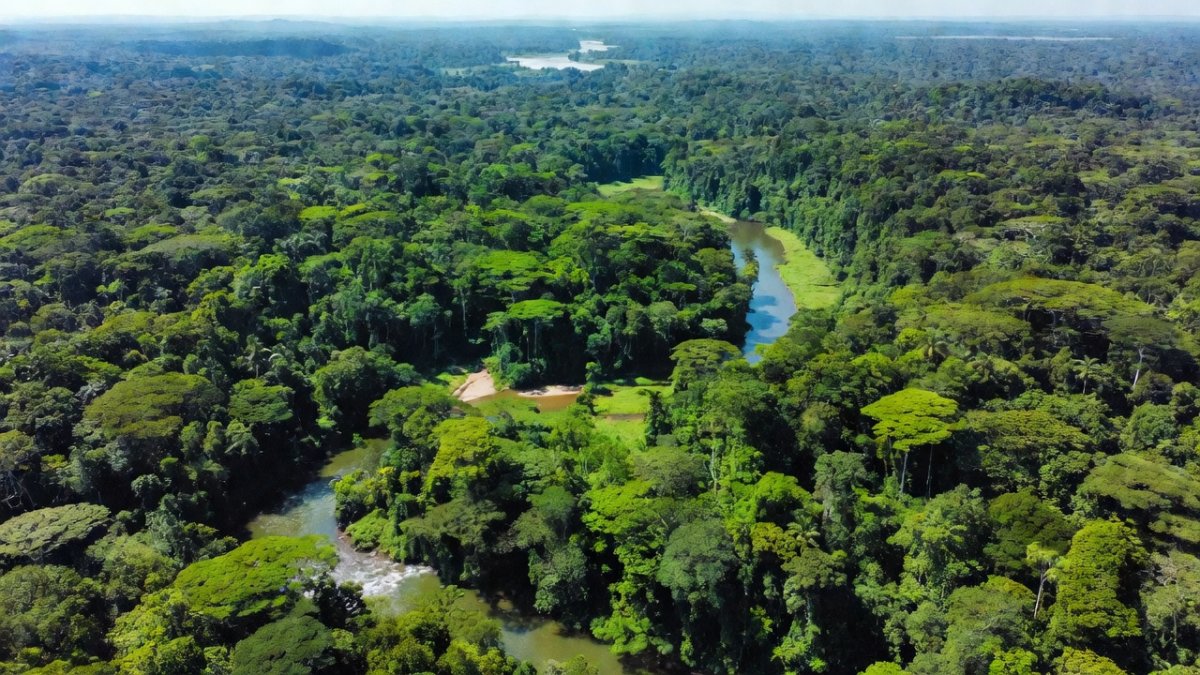
Brazil's Amazon states share borders with Peru, making coordination on deforestation monitoring and indigenous territory management relevant to daily livelihoods in places such as Acre and Amazonas. Under Lula, Brazil has referenced strengthened enforcement through federal agencies, yet the addition of another right-leaning government in the region could affect joint efforts on issues like illegal mining and cross-border conservation.
Colombia’s incoming leadership under de la Espriella adds another variable, as Andean nations collectively influence watershed protection and biodiversity corridors extending into Brazil. Without detailed pledges from the Peruvian campaign on these fronts, observers note that future policy directions will depend on how Fujimori balances stated economic goals with existing international climate commitments.
Local economies in Peruvian Amazon regions, including areas reliant on agriculture and resource extraction, stand to feel the effects of any shifts in enforcement priorities once the new government takes office. Similar patterns have appeared in other Latin American contexts where security platforms took precedence over environmental frameworks during transitions. The coming months will clarify whether Peru aligns more closely with neighbors on shared Amazon governance or pursues distinct national strategies.
By Elena Vasquez, Staff WriterThis article was produced with AI-assisted research and editorial support. Reporting is based on sources cited in the article.
What's Your Reaction?
 Like
0
Like
0
 Dislike
0
Dislike
0
 Love
0
Love
0
 Funny
0
Funny
0
 Wow
0
Wow
0
 Sad
0
Sad
0
 Angry
0
Angry
0

Latin America Correspondent at Global1.News. Based in Mexico City, covering politics, economics, energy, and culture across the region. Brings an on-the-ground perspective to stories spanning from the Rio Grande to Patagonia.













Comments (0)