
How Football United Boyle Heights During World Cup 2026
Match Summary: Mexico 2-0 South Africa at Estadio Azteca on June 11 2026 Julian Quinones opened the scoring in the ninth minute at the 80,824-capacity Estadio Azteca, firing Mexico ahead in the opening match of the 2026 World Cup. Raul Jimenez added a second goal in the 67th minute with a header from a Roberto Alvarado cross. South Africa lined up with Ronwen Williams as captai
Match Summary: Mexico 2-0 South Africa at Estadio Azteca on June 11 2026
Julian Quinones opened the scoring in the ninth minute at the 80,824-capacity Estadio Azteca, firing Mexico ahead in the opening match of the 2026 World Cup. Raul Jimenez added a second goal in the 67th minute with a header from a Roberto Alvarado cross. South Africa lined up with Ronwen Williams as captain and goalkeeper under coach Hugo Broos. The result left Bafana Bafana facing an immediate uphill battle in Group C.
Every South African fan watching back home felt the weight of that early deficit. Mexico controlled possession after the opener and created repeated chances against a stretched defense. The 80,824 crowd inside the iconic Mexico City venue created an intense atmosphere that traveled through every television screen in Johannesburg and Cape Town. This opener set the tone for how South African supporters would follow the rest of the tournament.
The concrete scoreline of 2-0 reflected Mexico's clinical finishing on the night. Quinones' early strike forced Bafana into chasing the game from the first quarter-hour. Jimenez's header came from precise build-up play that exploited spaces left by South Africa's pressing. These details matter because they show exactly where the gaps appeared against a strong CONCACAF side.
The Red Card Controversy and Its Impact on the Match
Sphephelo Sithole received a red card in the 49th minute, reducing South Africa to ten men just before halftime. Themba Zwane was sent off in the 84th minute following a VAR review for an elbow. Cesar Montes of Mexico also received a late red card, but the damage was already done. These three dismissals changed the tactical shape of the contest completely.
South African supporters at home immediately questioned the consistency of the officiating decisions. Sithole's early exit forced Hugo Broos to reorganize the midfield and defense in real time. Zwane's sending off came during a period when Bafana were pushing for a goal that could have kept their hopes alive. The double red cards left the team with nine players on the pitch for the final minutes.
The red card incidents directly affected how South African fans viewed the fairness of the opening fixture. Many supporters in Durban and Pretoria replayed the VAR sequence involving Zwane multiple times. The late dismissal of Cesar Montes offered little consolation once the 2-0 result was confirmed. These moments highlighted the fine margins that define World Cup matches for African teams.
Bafana's World Cup Journey From Tough Opener to Round of 32 Exit
After the 2-0 loss to Mexico, Bafana Bafana still managed to advance from the group stage into the Round of 32. Their campaign ended with a 1-0 defeat to Canada, sealed by a 90th-minute goal. Coach Hugo Broos and captain Ronwen Williams guided the side through a difficult path that began at Estadio Azteca. The journey showed both resilience and the limits of the current squad.
South African fans celebrated the Round of 32 qualification as a step forward for the national team. The progression came despite the two red cards and the challenging opener against Mexico. Reaching that stage gave supporters in Soweto and Bloemfontein genuine reasons to feel proud of the team's effort. The late goal conceded against Canada ended the run in the most painful manner possible.
The specific results of 2-0 against Mexico and 1-0 against Canada frame Bafana's 2026 campaign in clear terms. Hugo Broos had to manage a reduced squad after the dismissals of Sphephelo Sithole and Themba Zwane. Ronwen Williams kept the defense organized until the final whistle in both matches. These facts connect directly to how South African football measures progress on the global stage.
Boyle Heights Community and the Unifying Power of Football
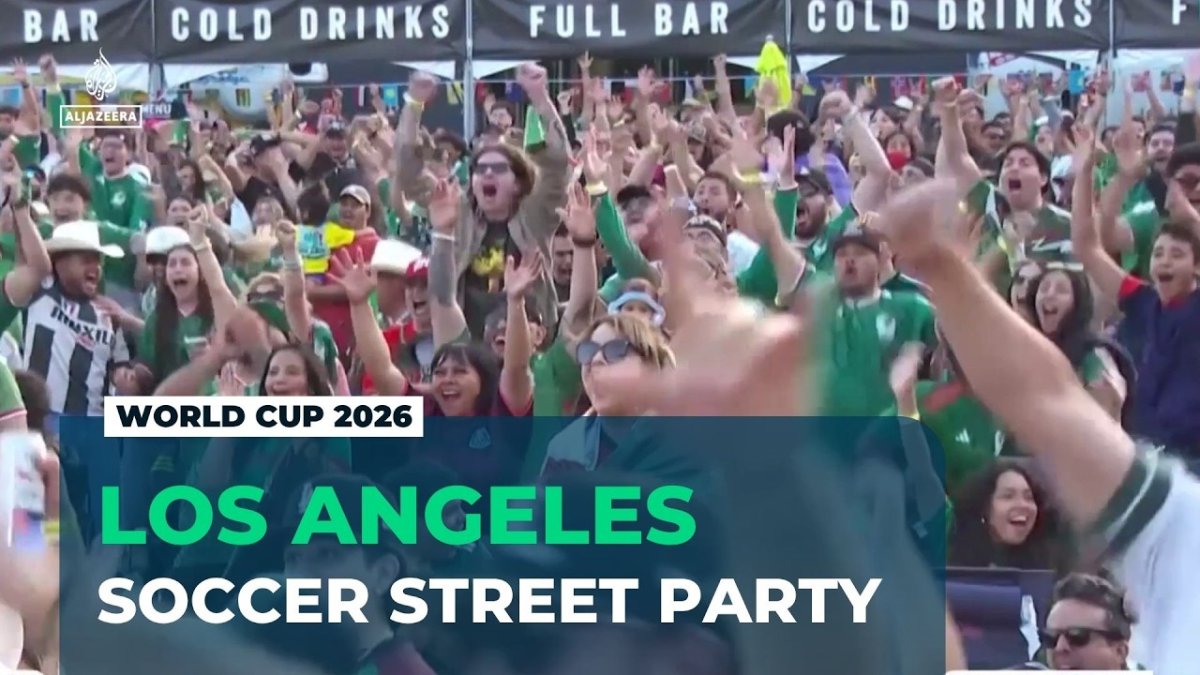
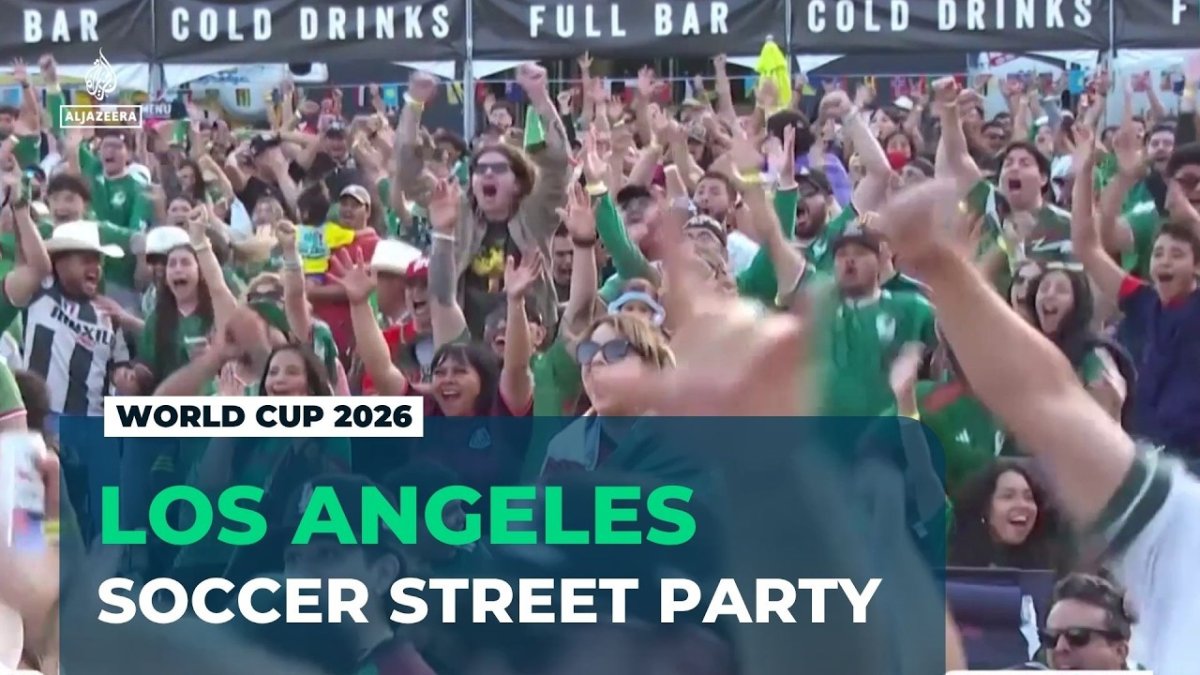
Residents of Boyle Heights, a predominantly Latino immigrant neighborhood in Los Angeles, filled the streets waving Mexican flags during the World Cup. Local businesses including Distrito Catorce, 1st Street Taqueria, and Espacio 1839 hosted packed watch parties for every Mexico match. The Boyle Heights Chamber organized block parties along Whittier Boulevard that turned the area into a celebration zone after wins. These gatherings showed football's ability to bring people together in one specific community.
South African fans can see clear parallels with how communities in Cape Town and Durban gather around Bafana Bafana matches. The FIFA Fan Hub at Ace*Mission Studios in Boyle Heights became a central point for supporters to watch games together. Miriam Rodriguez stated that soccer brings unity because everyone can come together. Joana Losada explained that she keeps the tradition alive by showing her kids how to feel proud during these moments.
The concrete locations and businesses in Boyle Heights demonstrate how football creates shared spaces even in a large city. Watch parties at 1st Street Taqueria and Espacio 1839 turned ordinary evenings into collective experiences. South African supporters recognize the same energy when they pack stadiums or township fields for national team games. These details illustrate why the sport holds such power across different countries.
How the World Cup Transformed a Community Facing Real Tensions
Boyle Heights residents dealt with ongoing ICE immigration raids and economic strain while also coping with the aftermath of the Lineage warehouse fire. Despite these pressures, the World Cup created visible moments of joy along Whittier Boulevard. The Boyle Heights Chamber block parties provided structured opportunities for celebration that lifted the neighborhood mood. Football offered a temporary but powerful counterbalance to the daily challenges.
South African communities often face their own social and economic pressures, yet sport continues to serve as a release valve. The transformation seen in Boyle Heights during Mexico matches mirrors how Bafana Bafana games can unite townships and suburbs back home. Specific watch party locations like Distrito Catorce became symbols of resilience rather than just entertainment spots. These examples show why South African fans value football's role beyond the pitch.
The environmental and immigration tensions in Boyle Heights did not disappear during the tournament. Instead, the community used the World Cup as a focal point for positive gatherings. Joana Losada's commitment to passing pride to her children reflects a broader pattern that South African parents also follow during major tournaments. The concrete actions of the Boyle Heights Chamber prove that organized events can strengthen social bonds under difficult conditions.
The Social Role of Sport What SA Can Learn from Boyle Heights
Boyle Heights demonstrated that football can create unity even when a neighborhood faces immigration enforcement and environmental concerns. South African sports administrators can study how the Boyle Heights Chamber turned match days into block parties that involved multiple local businesses. The FIFA Fan Hub at Ace*Mission Studios provided an official yet community-rooted space for supporters. These practical steps offer lessons for how South African cities can better leverage national team matches.
Fans in Johannesburg and Port Elizabeth already know the unifying effect of Bafana Bafana games. The Boyle Heights example shows the value of deliberate organization by local chambers and businesses. Miriam Rodriguez's words about coming together apply equally to South African contexts where divisions sometimes surface. Implementing similar watch party structures could strengthen community ties around the national team.
The social role of sport becomes clearest when specific communities like Boyle Heights use matches to build shared experiences. South Africa can apply this approach by supporting more localized events around Bafana fixtures. The success of 1st Street Taqueria and Espacio 1839 watch parties proves that small businesses play a key part in the process. These lessons matter because they show how football can serve broader social goals.
African Football on the World Stage With Record Representation
Ten African teams participated in the 2026 World Cup, marking a record level of representation for the continent. South Africa's presence alongside other nations highlighted the growing depth of African football. The campaign of Bafana Bafana, despite the 2-0 loss to Mexico and subsequent Round of 32 exit, formed part of this larger story. Supporters across the continent followed every result with intense interest.
The record number of African teams gave South African fans more matches to analyze and celebrate. Each team's performance contributed to a collective sense of progress on the global stage. Hugo Broos and Ronwen Williams represented one piece of this wider African effort. The concrete participation of ten nations changed how the world viewed the continent's football strength.
South African supporters understand that every African team at the tournament carries the hopes of millions back home. The 2026 World Cup results, including Bafana's group stage exit, provide data for future planning. Record representation means more opportunities for players like Sphephelo Sithole and Themba Zwane to gain experience. These facts connect directly to the long-term development of the sport in South Africa.
What to Watch For in the Knockout Rounds and Football's Unifying Legacy
The knockout rounds of the 2026 World Cup will feature several African teams carrying forward the momentum from the group stage. South African fans will continue to follow the tournament with the same passion shown during Bafana Bafana's matches. The unifying scenes from Boyle Heights offer a model for how communities worldwide can use football to build connections. The legacy of this World Cup will extend beyond results on the pitch.
Every remaining match carries implications for how African football is perceived globally. Supporters in South Africa will watch for tactical lessons that can help Bafana Bafana in future cycles. The community events in Boyle Heights, from block parties on Whittier Boulevard to the FIFA Fan Hub at Ace*Mission Studios, demonstrate lasting social benefits. These elements together shape the broader story of the tournament.
The 2026 World Cup has already shown that football can unite people facing real-world pressures. South African fans will carry the lessons from both the pitch and the streets of Boyle Heights into the next cycle. The specific stories of Miriam Rodriguez and Joana Losada remind everyone why the sport matters beyond scores. The knockout rounds will add new chapters to this ongoing legacy.
By Dante Williams, Staff WriterThis article was produced with AI-assisted research and editorial support. Reporting is based on sources cited in the article.
What's Your Reaction?
 Like
0
Like
0
 Dislike
0
Dislike
0
 Love
0
Love
0
 Funny
0
Funny
0
 Wow
0
Wow
0
 Sad
0
Sad
0
 Angry
0
Angry
0

Breaking News and Investigations Correspondent at Global1.News. Based in London, covering global breaking news, security, and investigative stories. Known for digging deeper and connecting the dots across continents.










Comments (0)