
Gulf of Paria Tensions Rise as Trinidad and Venezuela Clash Over Oil Spills
Gulf of Paria Tensions Rise as Trinidad and Venezuela Clash Over Oil Spills The Gulf of Paria — Shared Waters The Gulf of Paria sits as a vital body of water linking the western coast of Trinidad directly with the eastern shores of Venezuela. Local fishermen from both nations have long depended on its rich stocks of fish and shellfish to feed their families and supply markets a
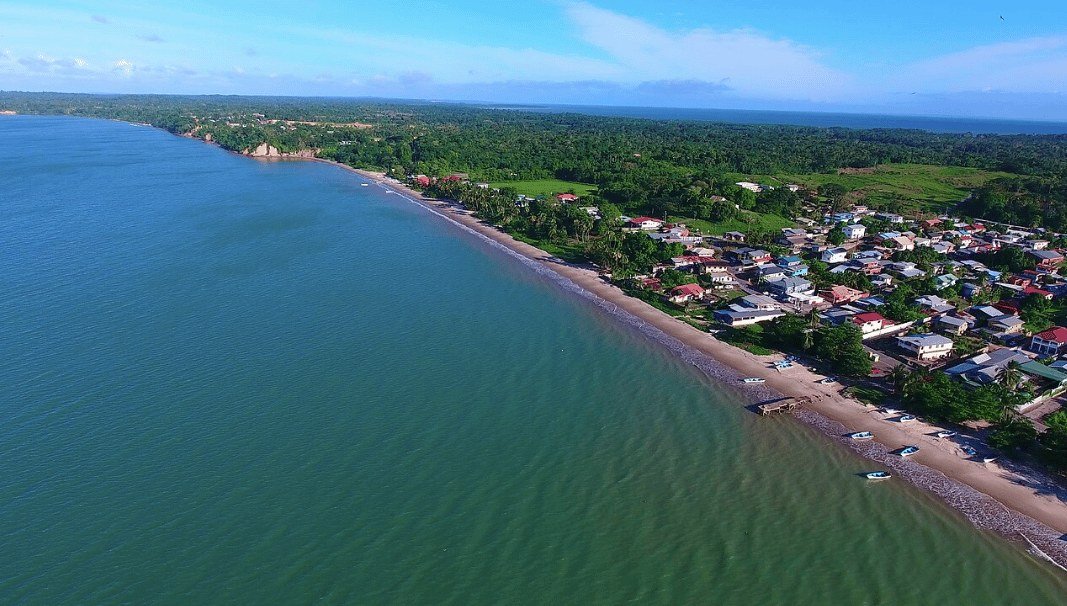
The Gulf of Paria — Shared Waters
The Gulf of Paria sits as a vital body of water linking the western coast of Trinidad directly with the eastern shores of Venezuela. Local fishermen from both nations have long depended on its rich stocks of fish and shellfish to feed their families and supply markets across the region. The area also hosts important energy infrastructure, with pipelines and platforms that support oil and gas production vital to the economies on either side of the border. Cross-border family ties and trade routes add another layer of connection that makes any incident here feel personal to communities in Trinidad and Venezuela alike. Everyday conversations in coastal villages often turn to how the Gulf sustains livelihoods that stretch back generations. Neighbourly cooperation has helped manage shared resources during calmer times, yet the current dispute highlights how fragile those arrangements can become.
Trinidadian boat owners describe the Gulf as their backyard, where the morning catch determines whether children go to school with full bellies or whether small businesses stay afloat. Venezuelan communities mirror this reliance, with markets in Sucre state drawing heavily from the same waters that lap against Trinidad’s shores. Energy companies operating in the area employ workers from both countries, creating a web of jobs that goes beyond simple extraction. The shared nature of the Gulf means that pollution or disruption on one side quickly travels to the other, affecting everyone who earns a living from its depths. Cultural exchanges, including joint festivals celebrating the sea, have strengthened bonds between the two peoples over decades. These ties remind residents that the Gulf is more than a map line; it is a living space that unites rather than divides.
Oil and gas exploration in the Gulf has brought both opportunity and responsibility to Trinidad and Venezuela. Pipelines criss-cross the seabed, carrying resources that power homes and industries in Port of Spain and Caracas. Fishermen and energy workers often share the same harbours, swapping stories about changing sea conditions and the need to protect breeding grounds. Regional agreements have occasionally allowed joint patrols to monitor illegal fishing, showing that practical cooperation remains possible. The Gulf’s biodiversity supports not only commercial activity but also the quiet tourism that brings visitors to enjoy its calm waters. Any threat to this balance touches the daily rhythms of life for thousands of ordinary people on both sides.
The May 1 Spill and Trinidad's Initial Response
On 1 May 2026 an oil spill originating in Trinidadian waters released approximately ten barrels into the Gulf of Paria. Heritage Petroleum crews moved swiftly once the leak was detected, deploying containment booms within hours of the first report. Minister Roodal Moonilal later confirmed that the spill was fully contained within forty-eight hours through coordinated efforts by local teams. The damaged pipeline section was isolated and repaired before any further release could occur. Community leaders in nearby fishing villages praised the rapid mobilisation that prevented wider spread. News of the quick action spread through coastal networks, easing immediate fears among residents who rely on the sea each day.
Air and coast guard units supported the operation by monitoring the affected zone from above and on the water. Heritage Petroleum technicians worked around the clock to seal the breach and test surrounding lines for additional weaknesses. Minister Moonilal emphasised that every available resource was directed at limiting impact on marine life and nearby shores. Local fishermen were kept informed through regular updates so they could adjust their routes safely. The containment success allowed normal activity to resume in most areas within days. Government statements highlighted the importance of transparency with communities that depend on the Gulf for their income.
Repairs to the pipeline were completed using specialised equipment flown in from regional partners. Minister Moonilal noted that lessons from the incident would strengthen future monitoring protocols along the seabed network. Coastal residents reported seeing fewer signs of oil after the first week, a relief for those whose livelihoods rest on clean waters. The ministry coordinated with environmental officers to conduct follow-up checks on water quality. These steps reassured families that their concerns were being heard and addressed promptly. The episode demonstrated Trinidad’s capacity to respond decisively when incidents arise in its waters.
Venezuela's Environmental Claims and Compensation Demands
Venezuelan authorities disputed Trinidad’s assessment of the May spill, insisting that serious environmental damage had occurred beyond the initial containment zone. Foreign Minister Yvan Gil formally demanded compensation for the harm, citing satellite imagery and field reports that showed wider effects. Venezuela stated that 1,625 square kilometres of the Gulf had been affected, placing twelve wetlands and four national parks at risk. These areas support migratory birds, mangroves and fish nurseries that sustain both nations’ food supplies. Minister Gil’s communication stressed the need for accountability to protect shared ecosystems for future generations. The claims quickly became a central topic in diplomatic exchanges between the two capitals.
Environmental groups in Venezuela highlighted how oil residues could linger in sediments, threatening long-term health of the wetlands that act as natural filters for coastal waters. The four national parks mentioned include habitats for species that cross the maritime boundary regularly. Minister Gil argued that compensation should cover not only clean-up costs but also support for communities whose fishing grounds had been disrupted. Venezuelan media carried images of affected shorelines, prompting public calls for stronger safeguards in the Gulf. Trinidadian officials received the formal note through established channels and began reviewing the supporting data. The scale of the claimed impact underscored Venezuela’s view that even small spills carry outsized consequences in such a sensitive region.
Discussions around compensation also touched on joint monitoring arrangements that could prevent future misunderstandings. Minister Gil urged both countries to establish clearer notification procedures when incidents occur near the border. Venezuelan scientists offered to share their assessment methods with Trinidadian counterparts to build mutual confidence. The demand for reparations reflected broader concerns about protecting the Gulf’s delicate balance amid ongoing energy activities. Communities on the Venezuelan side expressed worry that their traditional fishing practices might suffer if damage assessments were not taken seriously. These positions set the stage for continued dialogue as the situation developed.
A Second, Larger Spill — Satellite Evidence Emerges
In July 2026 Venezuela announced that satellite imagery had confirmed a second, larger oil spill in the Gulf of Paria. Officials described the new incident as surpassing the magnitude of the May event, with visible slicks extending further across shared waters. The satellite data pointed to risks for marine ecosystems, fishing grounds and coastal communities on both sides of the border. Venezuelan authorities released coordinates and imagery to support their findings, urging immediate joint investigation. The announcement heightened tensions as residents wondered how two incidents could occur within months. Local fishermen expressed concern that repeated spills could drive fish stocks away from traditional grounds.
The second spill’s reported size raised alarms about cumulative effects on mangroves and seagrass beds that serve as nurseries for commercially important species. Venezuela emphasised that the environmental footprint could affect livelihoods for months if not addressed swiftly. Satellite confirmation provided visual evidence that circulated widely on regional news platforms, drawing attention from environmental observers. Communities near the affected zones began preparing contingency plans in case fishing restrictions became necessary. The larger scale of the incident prompted calls for enhanced surveillance technology across the entire Gulf. Trinidadian authorities acknowledged receipt of the satellite information and began internal reviews.
Heightened risks to biodiversity were outlined in Venezuelan statements, including potential harm to species that migrate between the two countries. The timing of the announcement during peak fishing season added urgency for families who depend on daily catches. Satellite images showed the spill’s progression over several days, illustrating how quickly conditions can change in open waters. Venezuelan officials stressed that transparent data sharing would help both nations protect their shared resources. The development shifted the dispute from a single incident to a pattern requiring sustained attention. Residents across the region watched closely as diplomatic channels remained active.
Trinidad's Diplomatic and Operational Response
Minister Roodal Moonilal stated that Heritage Petroleum, together with air and coast guard units, had launched drone reconnaissance flights over the Gulf to verify Venezuela’s claims. These operations aimed to gather independent visual data on any new slicks. Minister Moonilal remained in constant contact with Foreign Affairs Minister Sean Sobers throughout the process. The two ministers coordinated messages to ensure a unified Trinidadian position. Drone footage was reviewed daily to track changes in sea conditions and report findings to the cabinet. This operational focus reflected the government’s commitment to thorough verification before drawing conclusions.
Minister Sean Sobers engaged directly with the Venezuelan Embassy in Port of Spain to establish open lines of communication. Embassy staff facilitated the exchange of technical information between the two foreign ministries. Trinidad formally requested precise coordinates for the purported second spill so that its own teams could conduct targeted surveys. The request was framed as a practical step toward joint understanding rather than confrontation. Sobers emphasised that accurate location data would allow both countries to assess the situation on equal terms. Diplomatic notes were exchanged within days, keeping the tone professional and solution-oriented.
Minister Moonilal publicly affirmed that Trinidad took Venezuela’s concerns very seriously and awaited further information before finalising its assessment. He noted that any confirmed spill would trigger additional containment measures and environmental sampling. The ministry also prepared briefings for fishing associations so that local stakeholders remained informed. Coordination between operational teams and diplomatic channels ensured that responses were both swift and measured. Trinidad’s approach centred on evidence gathering while maintaining respectful engagement with its neighbour. This balanced stance aimed to protect the Gulf while preserving the longstanding relationship between the two nations.
Wider Implications for the Caribbean
The unfolding dispute in the Gulf of Paria carries lessons for regional cooperation on environmental protection across the Caribbean. Neighbouring states watch closely, recognising that shared maritime spaces require clear protocols when incidents occur. CARICOM has historically encouraged joint management of resources, and this episode tests those principles in real time. Energy ministers from other islands have begun informal discussions about strengthening cross-border notification systems. The situation also highlights how small spills can escalate into larger diplomatic matters if not handled transparently from the outset. Caribbean communities understand that healthy seas underpin tourism, fishing and energy security for the entire region.
Environmental advocates argue that the Gulf dispute should prompt a wider review of pipeline safety standards throughout Caribbean waters. Joint training exercises between coast guards could improve response times when future leaks appear. CARICOM secretariats may consider establishing a standing committee on marine pollution to support member states during such events. The economic stakes are high, as fishing communities and energy workers depend on stable conditions to plan their livelihoods. Regional universities have offered to contribute scientific expertise for independent assessments. These developments show how one shared body of water can influence policy thinking far beyond its immediate shores.
Ultimately, the outcome will shape how Caribbean nations balance energy development with environmental stewardship in the years ahead. Successful resolution could set a positive example for handling similar challenges elsewhere in the region. Families in Trinidad and Venezuela alike hope that dialogue will lead to stronger safeguards that protect the Gulf for their children. The episode reminds everyone that the sea connects rather than separates, making cooperation essential. Continued engagement through established diplomatic channels offers the best path toward lasting solutions. As the situation evolves, the Caribbean community remains invested in a resolution that honours both economic needs and ecological responsibility.
By Sharon Sahatoo, Staff WriterThis article was produced with AI-assisted research and editorial support. Reporting is based on sources cited in the article.
What's Your Reaction?
 Like
0
Like
0
 Dislike
0
Dislike
0
 Love
0
Love
0
 Funny
0
Funny
0
 Wow
0
Wow
0
 Sad
0
Sad
0
 Angry
0
Angry
0

Caribbean Correspondent at Global1.News. Based in Port of Spain, Trinidad, covering Caribbean politics, economy, energy, climate, and culture. Amplifying the voices and stories of the Caribbean region.










Comments (0)