
British Airways Extends Flight Suspensions to Tel Aviv Through October
British Airways Extends Flight Suspensions to Tel Aviv British Airways announced earlier this week that it will keep its flights to Tel Aviv suspended through the end of the summer schedule period, at least until October 25, 2026. The decision also covers routes to Dubai, Bahrain, and Amman, reflecting ongoing regional security uncertainty and challenges in reaching stable arra
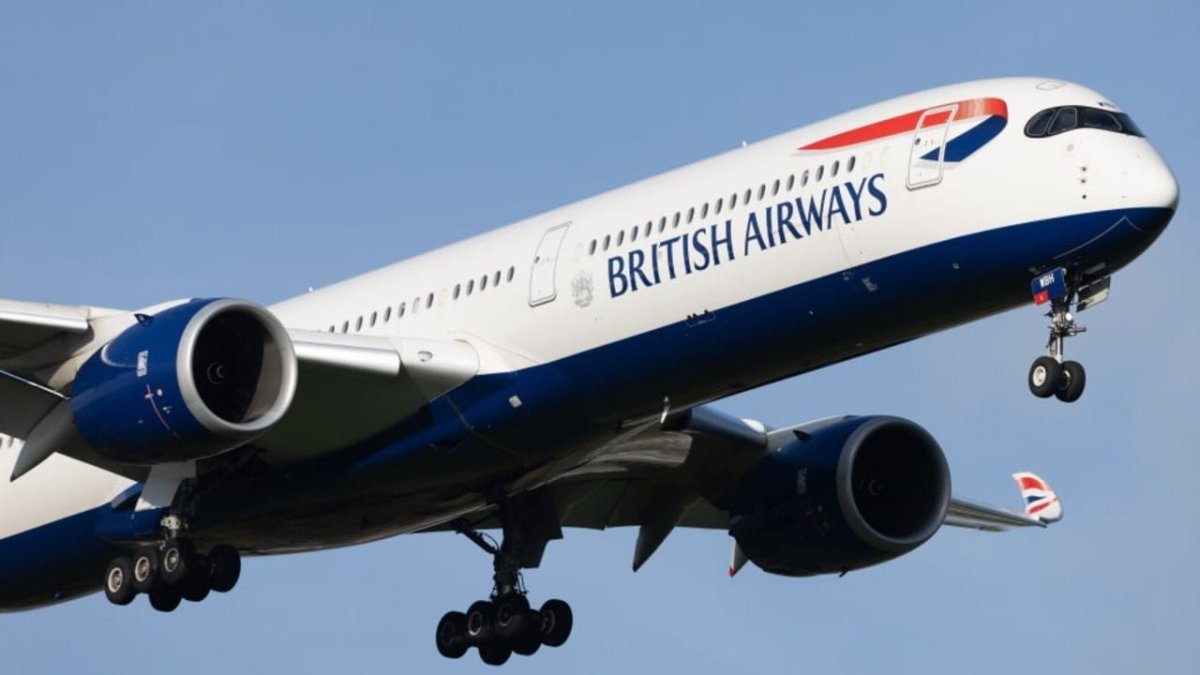
British Airways Extends Flight Suspensions to Tel Aviv
British Airways announced earlier this week that it will keep its flights to Tel Aviv suspended through the end of the summer schedule period, at least until October 25, 2026. The decision also covers routes to Dubai, Bahrain, and Amman, reflecting ongoing regional security uncertainty and challenges in reaching stable arrangements involving Iran. From an Israeli perspective, the prolonged absence of one of Europe's major carriers directly affects travelers departing from Tel Aviv's Ben Gurion Airport, limiting options for business trips to London and leisure connections across the United Kingdom.
The airline cited the difficulty of operating reliably under current conditions as the primary factor. This extension comes at a time when many Israelis normally plan summer travel, underscoring how security developments tied to Iran's regional posture continue to shape daily mobility for residents of Tel Aviv, Jerusalem, and other cities. While the carrier will resume service to Doha and Riyadh in August, the Tel Aviv route remains frozen, highlighting selective adjustments based on specific Gulf dynamics.
Broader Carrier Pullbacks Affecting Israeli Connectivity
British Airways is not alone in scaling back Middle East operations. In recent weeks, Delta Air Lines confirmed it will not restart the New York-Tel Aviv route before September 6, with the Atlanta route remaining suspended until December 18. The planned Boston-Tel Aviv service has also been postponed indefinitely. These moves reduce direct links between Israel and major U.S. hubs, forcing passengers from Tel Aviv to consider longer itineraries or alternative carriers when traveling for family visits or professional commitments.
American Airlines has extended its cancellations to Tel Aviv and Doha until January 2027, meaning the carrier will have been absent from the Israeli market for more than three years upon any return. United Airlines currently intends to resume flights to Tel Aviv and Dubai on September 7, though that timeline remains subject to change. Together, these adjustments illustrate how multiple U.S. carriers are calibrating their schedules in response to the same security environment that prompted British Airways' decision, further constraining Israel's transatlantic options during a period of heightened regional tensions.
Etihad Airways Expands Service as a Counterpoint
Amid the wave of reductions, Etihad Airways, based in Abu Dhabi, stands out by planning a significant increase in flights to Israel. Starting June 15, the airline expects to operate up to six daily flights between Abu Dhabi and Tel Aviv. This expansion provides a concrete alternative for travelers seeking Gulf connections and onward routes, particularly as other carriers maintain restrictions.
The move reflects the continued normalization trajectory between Israel and certain Gulf states, even as broader aviation networks face pressure. For passengers in Tel Aviv, the additional Etihad frequencies could ease some connectivity gaps, supporting both commercial ties and personal travel to the United Arab Emirates. This development offers a measure of resilience in Israel's aviation landscape despite the suspensions announced by European and American carriers.
Security Context and Regional Dynamics
The decisions by British Airways and other airlines are explicitly linked to regional security uncertainty and difficulties in stabilizing arrangements with Iran. From Israel's viewpoint, these operational choices underscore how threats emanating from Iran and its proxies continue to influence international perceptions of risk in the skies over and around the country. The impact is felt most directly at Ben Gurion Airport, where reduced flight options affect everything from tourism inflows to the ability of Israeli companies to maintain regular contact with European and North American partners.
Israeli officials have long emphasized the need for reliable air links as a cornerstone of both economic activity and national resilience. The current pattern of extended cancellations highlights the intersection between diplomatic efforts to manage Iranian influence and the practical realities of airline scheduling. While some Gulf routes are being restored, the prolonged absence of service to Tel Aviv from several major carriers illustrates the uneven pace at which normal operations are returning across the region.
Economic and Daily Life Implications for Israelis
Reduced international connectivity carries tangible consequences for daily life in Israel. Business travelers from Tel Aviv's tech sector and financial centers face longer journeys and higher costs when reaching key markets in Europe and the United States. Families planning visits abroad must navigate more complex itineraries, while tourism operators in Jerusalem and along the Mediterranean coast contend with fewer incoming visitors from traditional source markets.
The selective resumption of certain Gulf routes by British Airways, alongside Etihad's expansion, suggests that airlines are differentiating between destinations based on specific risk assessments. This differentiation may gradually open new corridors for Israeli commerce with the Gulf, even as traditional European and American links remain constrained. Over time, such shifts could influence how Israeli policymakers approach aviation agreements and security coordination with partner countries.
Outlook for Israel's Aviation Connectivity
The extension of British Airways' suspension until October 25, 2026, combined with similar moves by Delta and American Airlines, points to a sustained period of adjustment for Israel's international air links. United's planned September 7 resumption offers one potential bright spot, yet the overall picture remains one of caution among foreign carriers. Etihad's increased presence from Abu Dhabi provides a partial offset, demonstrating that opportunities for expanded Gulf connectivity persist alongside the restrictions.
Israeli aviation stakeholders continue to monitor these developments closely, recognizing that reliable access to global markets supports both economic growth and the country's broader strategic position. The coming months will likely reveal whether additional carriers adjust their timelines or whether the current pattern of selective suspensions and targeted expansions becomes the prevailing norm through 2026.
By Hannah Berg, Staff WriterThis article was produced with AI-assisted research and editorial support. Reporting is based on sources cited in the article.
What's Your Reaction?
 Like
0
Like
0
 Dislike
0
Dislike
0
 Love
0
Love
0
 Funny
0
Funny
0
 Wow
0
Wow
0
 Sad
0
Sad
0
 Angry
0
Angry
0

Editor-in-Chief at Global1.News. Atlanta-based journalist who cuts through the BS and tells it like it is. Lead anchor, host, and the voice you hear when the spin stops and the truth starts.















Comments (0)