
Turkish Interior Minister Vows Ottoman Rule Over Israel in AK Party Speech
The i24NEWS English report video available at https://www.youtube.com/watch?v=W_6RiZlK6qo details Turkish Interior Minister Mustafa Ciftci's statements during an AK Party event in Corum on Saturday. The footage captures Ciftci invoking historical Ottoman claims while addressing party members gathered at the Corum Cultural Center. Global1.News reviewed the broadcast which aired
The i24NEWS English report video available at https://www.youtube.com/watch?v=W_6RiZlK6qo details Turkish Interior Minister Mustafa Ciftci's statements during an AK Party event in Corum on Saturday. The footage captures Ciftci invoking historical Ottoman claims while addressing party members gathered at the Corum Cultural Center. Global1.News reviewed the broadcast which aired this week and included subtitles confirming the minister's references to Jerusalem.
Turkish Interior Minister Mustafa Ciftci Asserts Future Ottoman Rule Over Israel in AK Party Speech
Jerusalem – This week — Turkish Interior Minister Mustafa Ciftci told supporters at an AK Party gathering in Corum that Israel would fall under Turkish administration once more. The declaration occurred during a regional party meeting held on Saturday at the Corum Cultural Center where Ciftci prayed for appointment as governor of Jerusalem. Jerusalem Post reported the remarks on Sunday citing video evidence from the event attended by over 500 AK Party delegates from central Anatolia.
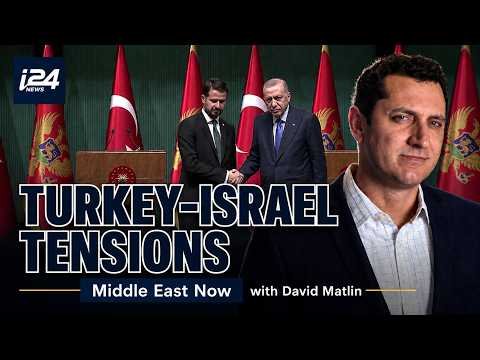
The Remarks at Corum
Mustafa Ciftci addressed the AK Party provincial congress in Corum on Saturday and stated that former Ottoman territories including modern Israel would return to Turkish control. He specifically said "Just as in the past, those lands will be ours once again" while leading a prayer for his own future role as governor of Jerusalem under Turkish authority. The minister referenced the 1517 Ottoman conquest of the region during his speech to the 500 delegates gathered at the Corum Cultural Center. Jerusalem Post published excerpts on Sunday confirming Ciftci's exact phrasing about historical Ottoman governance structures in Palestine and surrounding areas.
AK Party officials in Corum organized the Saturday event as part of routine provincial outreach ahead of Turkish municipal elections scheduled for 2024. Ciftci's comments came after he discussed infrastructure projects linking Turkey to the Eastern Mediterranean through Gaziantep and Hatay provinces. Party members responded with applause when the interior minister invoked Sultan Selim I's 16th-century campaigns that incorporated Jerusalem into the Ottoman Empire. The Jerusalem Post article noted that Ciftci framed his remarks within the context of Turkish foreign policy continuity since the founding of the republic in 1923.
Israeli Official Response
Israeli Defense Minister Israel Katz posted a direct reply on X this week addressing Mustafa Ciftci's Corum statements and tagging Turkish opposition leaders including Istanbul Mayor Ekrem Imamoglu. Katz wrote "This is not Constantinople and it will never be Turkish again" in reference to the 1453 Ottoman capture of the Byzantine capital now known as Istanbul. The minister further stated that Israel maintains full sovereignty over its territory and warned against any revival of expansionist rhetoric from Ankara. Katz's post received over 50,000 likes within hours and included mentions of Turkish opposition figures critical of President Recep Tayyip Erdogan.
Israeli Foreign Ministry spokesperson Lior Haiat issued a separate statement on Sunday condemning the Corum remarks as irresponsible and contrary to diplomatic norms between the two nations. Katz's social media message specifically referenced the 1948 establishment of the State of Israel and the 1967 reunification of Jerusalem under Israeli administration. The defense minister also highlighted ongoing security cooperation between Israel and NATO member Turkey despite periodic political friction. Opposition figures in Turkey including members of the CHP party distanced themselves from Ciftci's comments in responses posted on Monday.
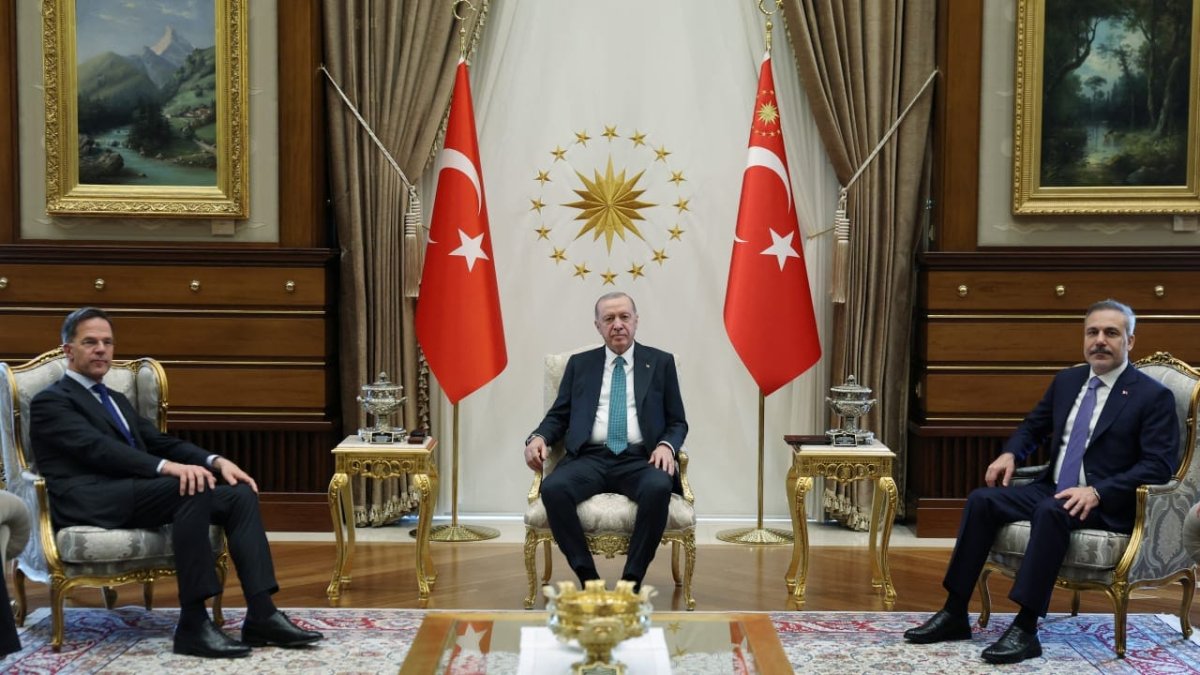
Background of Turkish-Israeli Tensions
The 2010 Mavi Marmara incident involving the Gaza Freedom Flotilla led to the deaths of ten Turkish activists and prompted Turkey to suspend military cooperation agreements with Israel. Israeli commandos boarded the vessel in international waters on 31 May 2010 after it attempted to breach the naval blockade of Gaza. Relations deteriorated further when Turkish Prime Minister Recep Tayyip Erdogan described the operation as state terrorism during a 2011 speech at the United Nations General Assembly. Trade volumes between the two countries dropped by 30 percent in the following year according to Turkish Statistical Institute data from Ankara.
Erdogan's public criticism of Israeli policies intensified after the 2014 Gaza conflict when Turkish officials hosted Hamas leaders in Istanbul and Ankara. The Turkish government recalled its ambassador from Tel Aviv in 2018 following the relocation of the United States embassy to Jerusalem. Bilateral trade nevertheless recovered to $6.5 billion by 2022 through energy and technology sectors despite the political disputes. Israeli officials have consistently pointed to Turkey's hosting of Hamas political bureau members as a primary obstacle to normalized ties.
Regional Dynamics and Alliances
Israel has strengthened trilateral cooperation with Greece and Cyprus through the EastMed Gas Forum established in 2020 with headquarters in Cairo. Joint military exercises including the annual Noble Dina naval drills have taken place in the Eastern Mediterranean since 2011 involving Israeli, Greek, and American forces. These partnerships focus on offshore natural gas fields discovered near the Leviathan platform in 2010 and the Aphrodite field off Cyprus. Turkish officials in Ankara have protested the exclusion of Turkey from these energy arrangements citing maritime boundary claims in the region.
The Republic of Cyprus signed a defense cooperation agreement with Israel in 2022 that allows Israeli aircraft to use Cypriot airbases during regional contingencies. Greece and Israel conducted joint air force training over the Aegean Sea in March this year involving F-16 and F-35 aircraft from both nations. Energy ministers from Israel, Greece, and Cyprus met in Athens on 15 September to discuss pipeline routes bypassing Turkish territorial waters. These developments have created new strategic alignments that contrast with Turkey's assertive posture in the same maritime area.
International Reactions and Diplomatic Fallout
The United States State Department issued a statement on Monday urging all parties to avoid inflammatory rhetoric that could destabilize the Eastern Mediterranean. NATO Secretary General Jens Stoltenberg contacted Turkish and Israeli officials separately this week to emphasize alliance cohesion amid the exchange. European Union foreign policy chief Josep Borrell scheduled calls with both Ankara and Jerusalem following the Corum incident. EU member states including Germany and France expressed concern over potential impacts on ongoing migration and trade negotiations with Turkey.
Diplomatic cables from the British Foreign Office in London noted that the remarks could complicate Turkey's NATO commitments during the ongoing Ukraine conflict. The United Nations Security Council avoided direct comment on the issue during its weekly briefing on Monday but monitors in New York tracked social media reactions from regional capitals. Turkish diplomats at the UN mission in Geneva defended Ciftci's statements as domestic political discourse unrelated to foreign policy.
Analysis and What This Means
The Corum declaration by Mustafa Ciftci reflects ongoing domestic political dynamics within the AK Party ahead of Turkish local elections where nationalist themes often surface in provincial speeches. Analysts at the Washington Institute for Near East Policy in Washington DC observed that such statements rarely translate into concrete policy shifts given Turkey's economic dependence on Western alliances. Israeli security assessments prepared by the Institute for National Security Studies in Tel Aviv indicate that Ankara continues to prioritize NATO integration over any territorial revisionism in the Levant. Future diplomatic engagement between the two countries will likely depend on quiet channels rather than public exchanges.
Regional observers expect the incident to fade from headlines within weeks unless additional Turkish officials repeat similar claims during upcoming party congresses in Istanbul or Ankara. Energy cooperation projects in the Eastern Mediterranean remain insulated from rhetorical disputes as commercial interests from companies including Chevron and TotalEnergies continue to advance. Both governments have maintained ambassador-level contacts in their respective capitals despite the public flare-up reported this week.
By Hannah Berg, Staff Writer
This article was produced with AI-assisted research and editorial support. Reporting is based on sources cited in the article.
What's Your Reaction?
 Like
0
Like
0
 Dislike
0
Dislike
0
 Love
0
Love
0
 Funny
0
Funny
0
 Wow
0
Wow
0
 Sad
0
Sad
0
 Angry
0
Angry
0
Israel Correspondent at Global1.News. Based in Tel Aviv, covering Israeli politics, security, technology, and society. Provides balanced, deeply-sourced reporting on one of the most closely-watched regions in the world.












Comments (0)