
Brazil Woman Dies After Rope-Jumping Instructors Fail to Attach Safety Cord
The Fatal Jump from Ponte do Esqueleto The accident unfolded on Saturday when Maria Eduarda Rodrigues de Freitas, a 21-year-old from the region, prepared for a rope-jumping activity at the abandoned Ponte do Esqueleto. Instructors from a private group positioned her at the edge without securing the safety cord, then released her into a 40-meter fall. Onlookers captured the mome
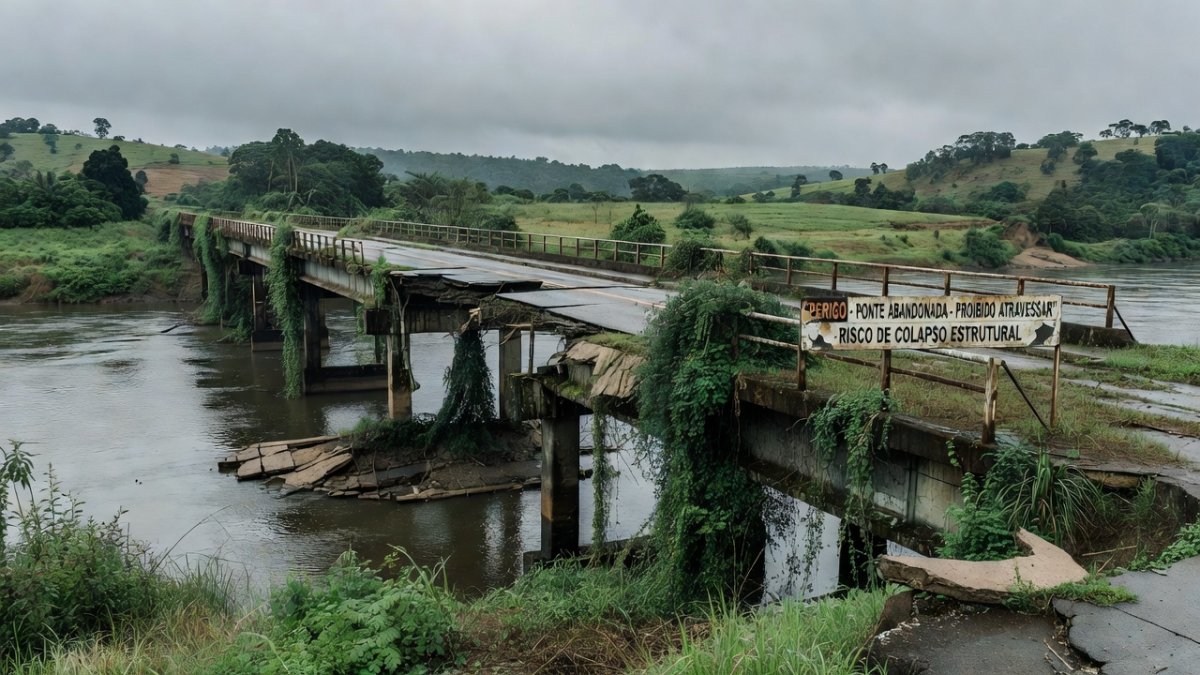
The Fatal Jump from Ponte do Esqueleto
The accident unfolded on Saturday when Maria Eduarda Rodrigues de Freitas, a 21-year-old from the region, prepared for a rope-jumping activity at the abandoned Ponte do Esqueleto. Instructors from a private group positioned her at the edge without securing the safety cord, then released her into a 40-meter fall. Onlookers captured the moment on video, which spread rapidly across social media platforms this weekend and showed one person shouting warnings too late.
Emergency responders reached the scene immediately but pronounced Rodrigues de Freitas dead at the site. The footage revealed three men in white helmets, two holding her arms and one her feet, all wearing harnesses connected to ropes that remained unused for her. Rope-jumping relies on low-stretch climbing lines that swing participants horizontally, unlike the elastic bounce of bungee jumping.
Local reports indicate the activity occurred without proper permits or oversight on the bridge spanning the border between Limeira and Cordeirópolis in São Paulo state. The viral clip highlighted the absence of basic safety checks that participants expect in such sports. Rodrigues de Freitas was buried the following day in a ceremony attended by family and residents from both municipalities.
Authorities detained the three men shortly after the incident for questioning. Investigators continue to examine whether the group operated as a registered company or an informal collective of enthusiasts. The event has prompted renewed scrutiny of extreme sports practices in Brazil's interior regions.
Federal Responsibility Through the Secretariat of Federal Assets
Brazil's Secretariat of Federal Assets, known as SPU, holds direct oversight of Ponte do Esqueleto as an abandoned federal structure. The agency stated it stands ready to support police investigations into the death. This bridge has remained unused for years, falling under national rather than state or municipal control.
SPU manages thousands of federal properties across Brazil, including disused infrastructure in São Paulo state. Officials have faced criticism for slow responses to local demands for securing or demolishing such sites. The agency has not implemented barriers or patrols that might have prevented unauthorized access in recent months.
Federal law assigns SPU the task of maintaining these assets to protect public safety. In practice, many structures like this one sit exposed in rural areas where enforcement proves difficult. The Limeira-Cordeirópolis border location adds complexity because daily traffic and local recreation occur nearby.
Reports from federal audits show delays in transferring or decommissioning abandoned bridges nationwide. SPU's involvement now centers on providing documentation and access during the ongoing probe. This case illustrates gaps between policy and execution in asset management.
Limeira City Hall Lawsuit Against Federal Authorities
The City Hall of Limeira announced plans to sue the federal government over neglect of the bridge. Officials cited repeated administrative requests for action that received no adequate response. The death has made continued inaction unacceptable according to the municipal statement.
Limeira leaders have documented efforts to coordinate with federal agencies on the site for several years. They argue that responsibility for safety measures rests with SPU yet local resources cannot fill the void. The lawsuit seeks clearer accountability and possible compensation for affected families.
Municipal staff in Limeira handle urban planning and public safety within city limits, but the bridge sits on federal land. This division creates friction when incidents occur. Cordeirópolis officials have echoed similar concerns about cross-border infrastructure.
The legal action could set precedents for other Brazilian cities dealing with federal properties. Limeira has already increased local patrols near the area since the accident. Residents expect the suit to accelerate decisions on the bridge's future.
Unregulated Extreme Sports in Brazil's Interior
Rope-jumping and similar activities have grown popular in São Paulo state's interior without consistent regulation. Private operators or informal groups often use remote sites like abandoned bridges for events. This trend reflects limited access to certified adventure tourism facilities in smaller cities.
Participants from Limeira and nearby towns seek affordable thrills outside major centers. Economic pressures in the region drive interest in low-cost, high-risk options. Informal networks promote these outings through social media, bypassing licensing requirements.
State tourism boards in São Paulo have issued warnings about unlicensed operators, yet enforcement remains sporadic. The interior economy benefits from weekend visitors, but safety standards lag behind demand. Many practitioners lack formal training or insurance coverage.
Local governments struggle to monitor activities on federal land where jurisdiction overlaps. This gap allows groups to operate with minimal checks. The Ponte do Esqueleto incident has exposed how quickly such practices can turn deadly.
Legal Classification of Homicide with Eventual Intent
Brazilian law defines homicide with eventual intent as a charge where perpetrators do not aim to kill but accept the risk of death through reckless actions. Prosecutors are examining this classification for the three arrested instructors. The distinction matters because it carries different penalties than premeditated murder.
Police investigations focus on whether the men understood the dangers of proceeding without the cord. Evidence includes the viral footage and witness statements from the scene. Legal experts note that harnesses worn by the instructors themselves suggest awareness of standard procedures.
Courts in São Paulo state have applied this charge in other extreme sports cases involving negligence. The process involves gathering technical reports on rope-jumping protocols. Families of victims often push for maximum accountability under this framework.
Defense arguments may claim the activity carried inherent risks accepted by participants. However, failure to attach basic safety equipment strengthens the prosecution position. The case will likely test how Brazilian courts handle informal adventure groups.
Safety Gaps Between Municipal and Federal Oversight
Responsibility for abandoned infrastructure splits between federal agencies like SPU and local municipalities such as Limeira. This structure leaves safety enforcement unclear when sites attract recreational use. No single entity conducts regular inspections at Ponte do Esqueleto.
Municipal fire departments respond to emergencies but lack authority to restrict access beforehand. Federal rules require SPU to secure properties, yet budget constraints slow implementation. The result is open sites that draw thrill-seekers from surrounding communities.
Proposals for joint task forces between city halls and federal bodies have surfaced in recent discussions. These would clarify roles and fund basic barriers or signage. Without such measures, similar accidents remain possible at other disused locations.
Residents in the area report frequent unauthorized entries to the bridge before the tragedy. Local police have limited resources for constant monitoring. The division of duties continues to complicate prevention efforts.
Impact on Communities in Limeira and Cordeirópolis
The death has shaken residents in Limeira and Cordeirópolis, where Rodrigues de Freitas was known among peers. Families now question the safety of local recreation spots. Community leaders have organized meetings to discuss prevention.
Local businesses that once benefited from weekend visitors face uncertainty after the publicity. Schools in both cities have held sessions on risk awareness for young adults. The economic ripple effects touch tourism-related services in the interior.
Support networks for the victim's family have formed quickly through churches and neighborhood associations. These groups advocate for stronger oversight of federal properties. Daily life in the region includes ongoing conversations about accountability.
Memorials at the bridge site draw visitors seeking to honor Rodrigues de Freitas. Officials from both municipalities have pledged cooperation on future safety initiatives. The tragedy has unified calls for change across the border area.
Abandoned Federal Assets and Comparisons with Other States
Brazil contains numerous abandoned federal assets similar to Ponte do Esqueleto, from bridges to buildings managed by SPU. These sites often sit in rural zones where oversight proves challenging. National inventories list hundreds of such properties requiring attention.
In contrast, states like Rio de Janeiro and Minas Gerais have developed regulated adventure tourism around certified sites. Operators there follow strict licensing through state environmental agencies and provide insurance. Participants receive equipment checks before activities begin.
Amazonian states promote controlled ecotourism with federal partnerships that include safety protocols. These models reduce risks while supporting local economies. São Paulo's interior lacks equivalent frameworks for extreme sports.
Advocates suggest adapting successful programs from other regions to address gaps in São Paulo. Federal coordination could standardize rules across states. The current case highlights the need for nationwide improvements in managing disused infrastructure.
By Elena Vasquez, Staff WriterThis article was produced with AI-assisted research and editorial support. Reporting is based on sources cited in the article.
What's Your Reaction?
 Like
0
Like
0
 Dislike
0
Dislike
0
 Love
0
Love
0
 Funny
0
Funny
0
 Wow
0
Wow
0
 Sad
0
Sad
0
 Angry
0
Angry
0

Latin America Correspondent at Global1.News. Based in Mexico City, covering politics, economics, energy, and culture across the region. Brings an on-the-ground perspective to stories spanning from the Rio Grande to Patagonia.














Comments (0)