
Peru Copper Mines Poison Children in Cerro de Pasco Crisis
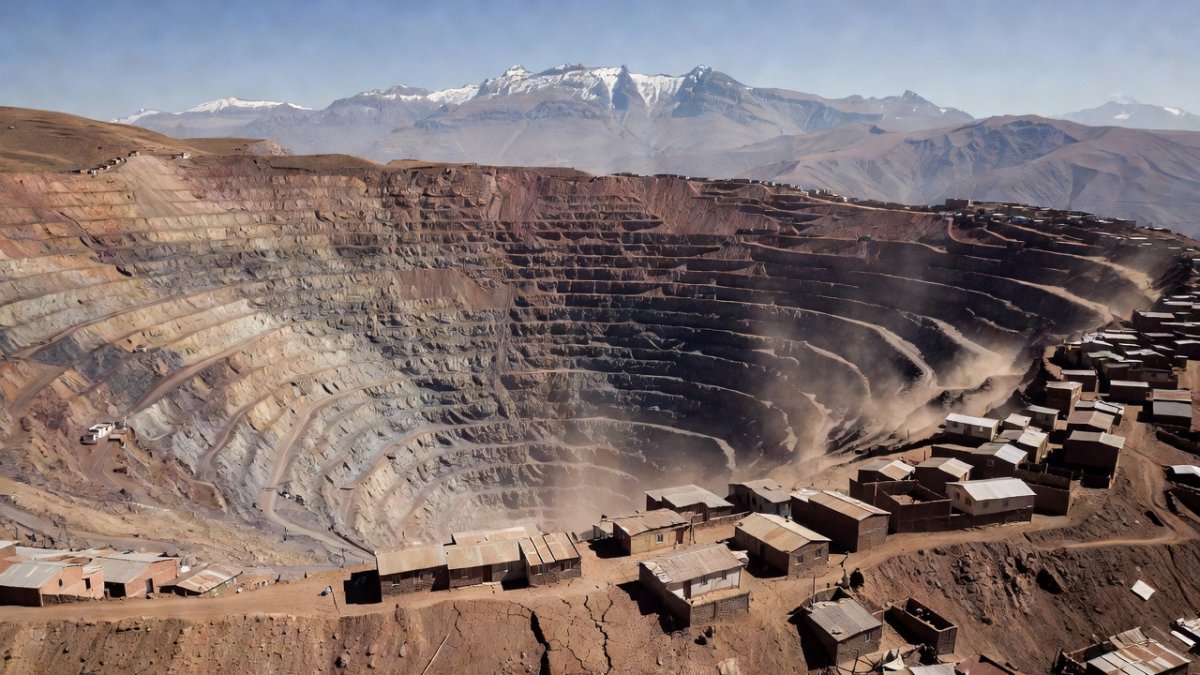
In the shadow of Peru's towering Andes, young Maria Elena, just eight years old, struggles to keep up in school near the open-pit copper mine in Cerro de Pasco. Her family lives within 100 meters of the gaping excavation operated by Volcan Compania Minera at 4,300 meters altitude, where dust from blasting operations coats their modest home daily. Recent tests revealed elevated
Peru's Toxic Copper Mines Are Poisoning Children and Leaving Communities in Crisis
Cerro de Pasco, Pasco - Peru —
The Cerro de Pasco Crisis Unfolds
Cerro de Pasco stands as a stark emblem of Peru's mining boom gone toxic. Situated in the Pasco region at a dizzying 4,300 meters altitude, this open-pit mine run by Volcan Compania Minera has expanded relentlessly, swallowing the landscape while residential neighborhoods cling perilously close—some homes sit just 100 meters from the pit's edge. Mayor Julio Cesar Rupay Malpartida filed an amparo lawsuit in May 2026 against Minera Volcan, demanding immediate protections for residents exposed to relentless heavy metal fallout. The lawsuit highlights how the mine's operations release lead, arsenic, and other toxins into the air, soil, and water, turning daily life into a health gamble.
Flaviano Bianchini of Source International, who has monitored the site for 18 years, has repeatedly called for urgent health interventions. His data shows Pasco harbors Peru's highest rates of heavy metal exposure, with soil samples near homes exceeding safe limits by factors of ten or more. OEFA, Peru's environmental enforcement agency, has issued fines, yet enforcement remains sporadic. OjoPublico, the investigative journalism outlet, documented how Volcan's expansions continue despite repeated violations, prioritizing copper output amid surging global demand. The mine's proximity to families amplifies risks, as wind carries contaminated particles directly into playgrounds and kitchens.
Local communities report chronic fatigue, skin lesions, and developmental delays among youth. MINSA, Peru's Ministry of Health, conducts blood lead surveillance in mining zones, yet results often stay buried in bureaucratic delays. Bianchini emphasizes that without swift action, generations will bear irreversible neurological damage. The Pasco situation reveals systemic failures where corporate profits eclipse indigenous and rural rights in Latin America's resource heartlands.
Devastating Health Effects on Children
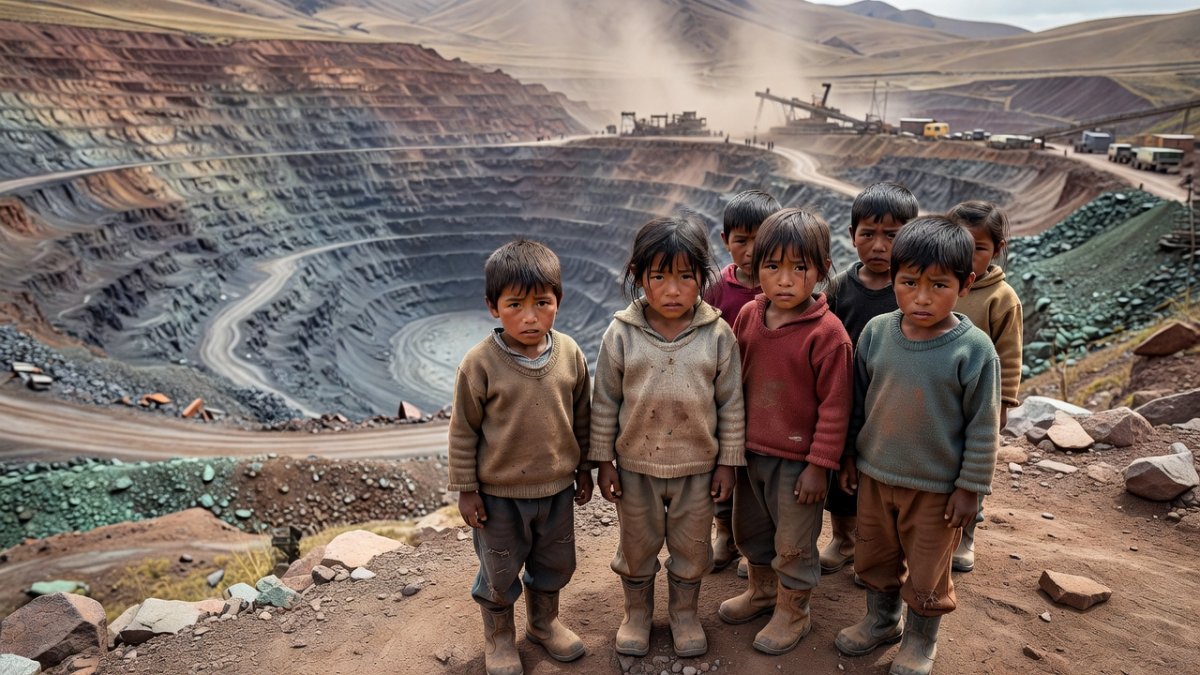
Children absorb 4-5 times more lead than adults due to their developing bodies and hand-to-mouth behaviors, making Peru's mining zones lethal environments for the young. In Pasco, respiratory illnesses run up to 15 times higher in mining communities compared to national averages, driven by constant inhalation of particulate matter laced with copper byproducts and heavy metals. The 12 IQ point deficit documented in Pasco zones translates to lifelong economic disadvantages, reduced educational attainment, and heightened vulnerability to chronic diseases.
MINSA surveillance programs reveal clusters of anemia, kidney dysfunction, and cognitive impairments directly tied to exposure. Lead's lack of a safe threshold means even trace amounts disrupt brain development, with Pasco children showing the nation's most severe profiles. Bianchini's 18-year monitoring underscores how these effects compound across generations, as mothers pass toxins through breast milk. Respiratory burdens compound the crisis, with asthma and bronchitis rates soaring in areas blanketed by mine dust. Families face impossible choices between staying on ancestral lands or fleeing economic ruin. This public health emergency demands integrated responses beyond piecemeal monitoring, focusing on remediation and relocation where needed.
La Oroya and the Inter-American Court Ruling
La Oroya in the Junin region ranks among the most polluted sites on Earth, home to a polymetallic smelter processing lead, zinc, and copper for decades. The 2024 Inter-American Court of Human Rights ruling in Comunidad de La Oroya vs. Peru ordered comprehensive health care, compensation, and environmental cleanup for affected residents. NGOs including APRODEH, AIDA, and SPDA have supported victims through legal advocacy, pushing for accountability from state and corporate actors.
Yet as of 2026, the Peruvian state limits public information on compliance with the Court's orders, stalling progress on promised interventions. The smelter's legacy includes widespread lead poisoning, with children particularly devastated by neurotoxic effects. This case sets a precedent for Latin American environmental justice, affirming that governments must prioritize human rights over extractive industries. Delays in implementation highlight ongoing tensions between economic reliance on mining and the urgent need for remediation in Junin communities.
The Amazon Mercury Crisis in Madre de Dios
Shifting focus to Madre de Dios in Peru's Amazon region exposes another layer of the mining catastrophe through illegal gold extraction. This activity drives mercury contamination on a massive scale, with Peru's illegal gold production reaching approximately 109 tons in 2025. Mercury in Amazon fish reaches up to 60 times international safety limits, poisoning indigenous communities reliant on riverine diets and threatening biodiversity across vast watersheds.
Fifty-six districts now stand at risk from illegal mining operations, where unregulated practices release toxic vapors and sediments into ecosystems. The crisis intersects with formal copper mining through shared supply chains and weak governance, amplifying health burdens on children via contaminated water and food. Urgent enforcement and alternative livelihoods are essential to curb this Amazonian emergency.
The Mineral Wealth Paradox
Peru's vast mineral riches create a profound paradox, where copper exports fuel national revenues yet devastate local populations. Five percent of 2024 copper exports, valued at roughly $1.173 billion, originated from illegal sources, underscoring governance gaps. Copper prices remain elevated due to global electrification demands, as electric vehicles require 3-4 times more copper than internal combustion engine vehicles. This surge incentivizes expanded operations in Pasco and beyond, often at the expense of community health.
While Peru supplies critical metals for the green transition, Pasco and La Oroya residents endure the toxic fallout without adequate safeguards. The paradox lies in how wealth extraction perpetuates poverty cycles through illness and environmental degradation. Addressing this requires balancing international mineral needs with robust protections for Latin America's most vulnerable zones.
Pathways to Urgent Action and Justice
Resolving Peru's mining toxicity crisis demands coordinated efforts from MINSA, OEFA, and international bodies. Expanded blood lead surveillance, immediate cleanup in Cerro de Pasco and La Oroya, and strict curbs on illegal gold mining in Madre de Dios represent starting points. The Inter-American Court ruling provides a legal blueprint, yet compliance transparency must improve by 2026. NGOs like APRODEH, AIDA, and SPDA continue vital advocacy, while figures such as Mayor Rupay Malpartida and Flaviano Bianchini push for accountability.
Global consumers of Peruvian copper bear responsibility through supply chain reforms, ensuring ethical sourcing amid electrification booms. Relocation support for families within 100 meters of pits, coupled with alternative economic programs, could mitigate ongoing harms. Without these steps, Peru risks entrenching a legacy of poisoned childhoods and fractured communities. The time for intervention is now, before more generations suffer irreversible damage from lead and mercury.
By Elena Vasquez, Staff WriterThis article was produced with AI-assisted research and editorial support. Reporting is based on sources cited in the article.
What's Your Reaction?
 Like
0
Like
0
 Dislike
0
Dislike
0
 Love
0
Love
0
 Funny
0
Funny
0
 Wow
0
Wow
0
 Sad
0
Sad
0
 Angry
0
Angry
0

Latin America Correspondent at Global1.News. Based in Mexico City, covering politics, economics, energy, and culture across the region. Brings an on-the-ground perspective to stories spanning from the Rio Grande to Patagonia.













Comments (0)