
2026 World Cup Politics Shake Mexico and Border Communities
In a recent DW News YouTube video titled "FIFA wanted football, not politics — but the 2026 World Cup is both," the report shows how FIFA President Gianni Infantino's statements about separating sports from politics have collided with the realities of the tournament co-hosted by Mexico, the United States, and Canada. The video highlights Infantino presenting Donald Trump with a
In a recent DW News YouTube video titled "FIFA wanted football, not politics — but the 2026 World Cup is both," the report shows how FIFA President Gianni Infantino's statements about separating sports from politics have collided with the realities of the tournament co-hosted by Mexico, the United States, and Canada.
The video highlights Infantino presenting Donald Trump with a "Peace Prize" and wearing a MAGA cap, moves that drew immediate criticism from Mexican civil society groups and opposition parties in the Congreso de la Unión.
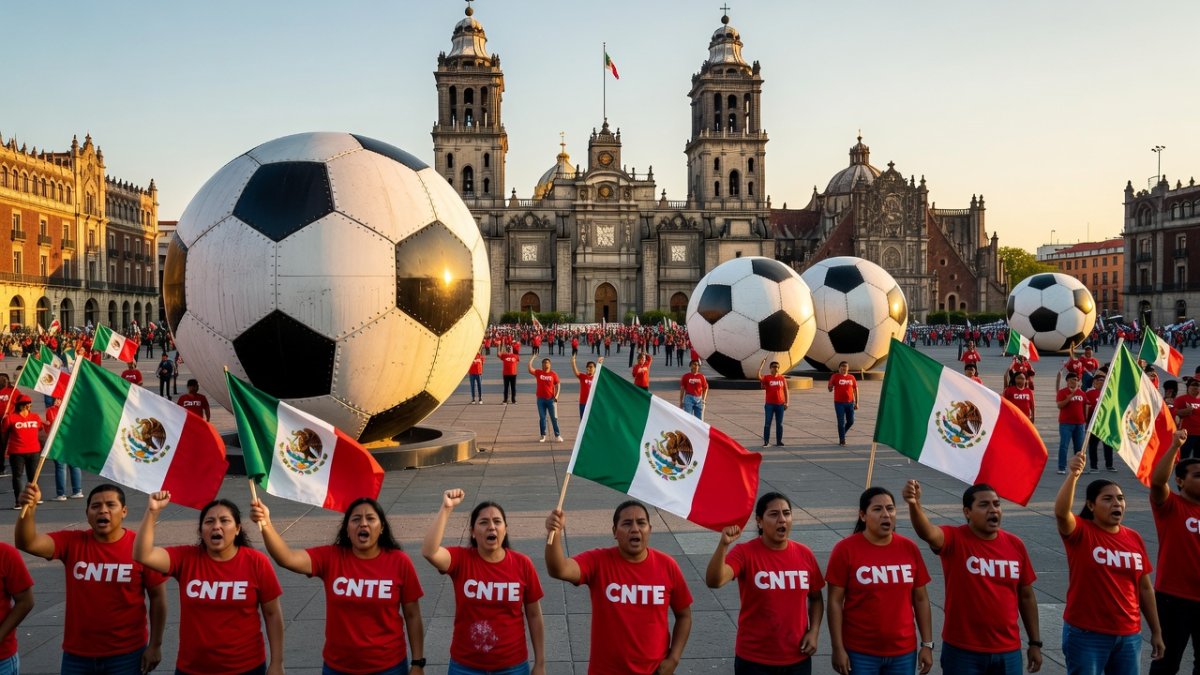
CNTE Teachers Occupy the Zócalo and Halt Volunteer Training
Members of the Coordinadora Nacional de Trabajadores de la Educación blocked the Zócalo in Mexico City this week, toppling World Cup statues and burning effigies of tournament organizers.
The occupation forced FIFA to cancel scheduled volunteer training sessions at the historic plaza, directly affecting hundreds of residents from surrounding colonias who had signed up to work during the matches.
Families in the Centro Histórico neighborhood now face uncertainty over local street vending income that normally spikes during large events at the Zócalo.
President Sheinbaum Deploys 100,000 Troops for Security
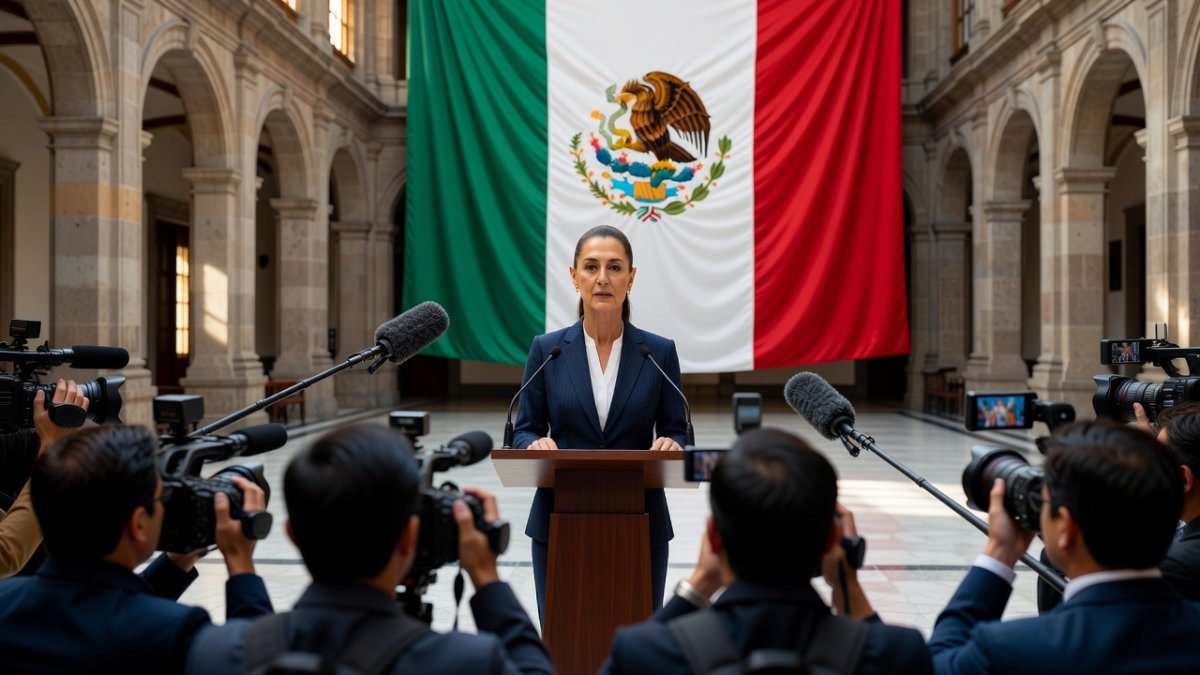
President Claudia Sheinbaum announced the deployment of 100,000 members of the Guardia Nacional and SEDENA to stadiums and training sites across Mexico City, Guadalajara, and Monterrey.
At her daily mañanera press conference in Palacio Nacional, Sheinbaum stated the measure protects both visitors and Mexican workers while her administration continues talks with CNTE leaders.
Teachers in Oaxaca and Michoacán have already warned they may expand strikes if salary demands are not met before the tournament begins.
Benito Juárez Airport Renovation and Shortened School Year
Mexico City's Benito Juárez International Airport completed a $500 million renovation to handle increased World Cup traffic, with new terminals now serving fans traveling to matches in the capital.
The Secretaría de Educación Pública shortened the current school year by two weeks in host cities because of summer heat and expected transportation disruptions during the tournament.
Parents in working-class colonias of Iztapalapa and Gustavo A. Madero report difficulty arranging childcare during the extra vacation days.
Iranian Team Arrival in Tijuana Highlights Visa Tensions
The Iranian national team landed in Tijuana after a visa dispute with United States authorities, forcing last-minute adjustments to training plans near the border.
Local hotel workers and taquería owners in Tijuana's Zona Río district say the sudden change has already reduced expected bookings from international media crews.
Human Rights Groups Raise Concerns Over Migrants and Women Searchers
Human Rights Watch documented risks to migrant workers involved in stadium construction, while Amnesty International warned that women searchers planning protests over disappeared relatives could face increased surveillance during the tournament.
These groups noted that Trump's anti-immigrant policies cast a shadow over cross-border fan travel and labor conditions in maquiladoras near the venues.
Cartels and Daily Economic Pressures on Communities
The Guardian reported that some criminal organizations are positioning themselves to profit from increased tourism and betting activity tied to the World Cup.
Small business owners in Ciudad Juárez and Cancún say they already feel pressure from rising extortion demands as the tournament approaches.
Residents in rural ejidos near Guadalajara fear that security operations could restrict access to markets and tianguis during the event.
Negotiations and Sovereignty at the Heart of Preparations
Sheinbaum's administration continues negotiations with CNTE while defending Mexican sovereignty against concerns over United States interference in border security planning.
Ordinary Mexican families in host cities now weigh the promise of temporary jobs against the daily disruptions caused by protests, troop movements, and shortened school calendars.
The tournament has become a test of how national institutions balance international expectations with the needs of communities from the Zócalo to the northern border. By Rosa Martinez, Staff Writer
This article was produced with AI-assisted research and editorial support. Reporting is based on sources cited in the article.
What's Your Reaction?
 Like
0
Like
0
 Dislike
0
Dislike
0
 Love
0
Love
0
 Funny
0
Funny
0
 Wow
0
Wow
0
 Sad
0
Sad
0
 Angry
0
Angry
0
Latin America/Andes Correspondent at Global1.News. Based in Bogota, covering politics, environment, energy, and social movements across the Andean region. Passionate about environmental journalism and communities protecting their land.












Comments (0)