
U.S. 50% Tariff Threat Tests Canada's Trade Defence
**Keywords:** Canada-US trade, tariffs, Mark Carney, Donald Trump, supply management, Section 338, CUSMA, provincial boycotts, dairy, Doug Ford, Trade Act 1930, Canadian economy, retaliation, critical minerals, potash The recent threat of a 50 per cent tariff by the United States on Canadian goods has sent shockwaves through the bilateral relationship and raised fears of a renewed trade war.
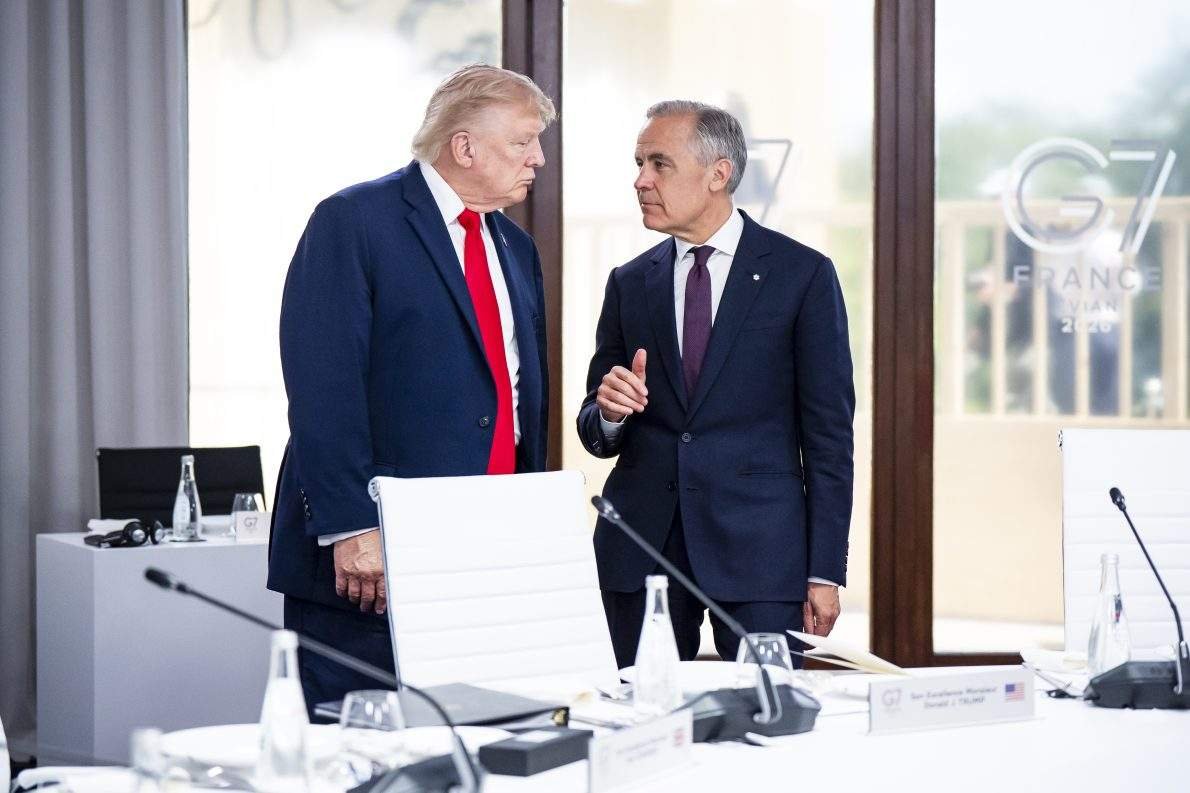
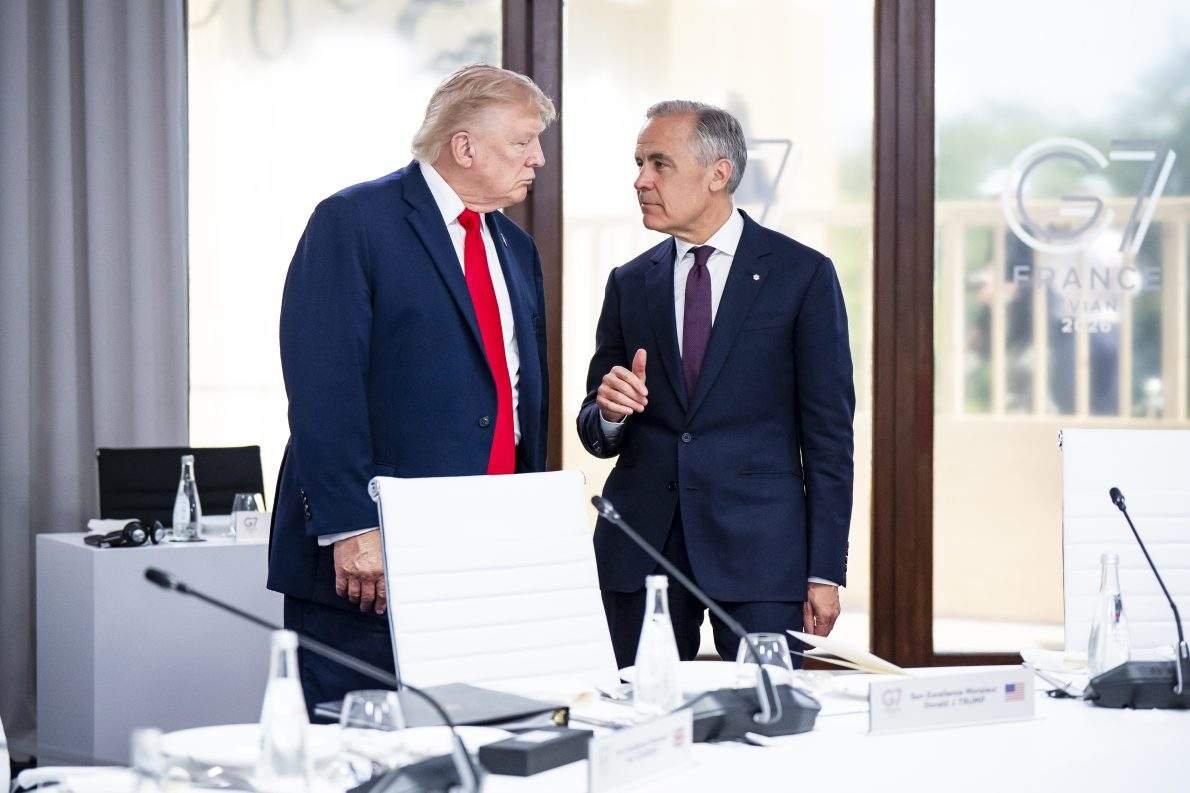
The recent threat of a 50 per cent tariff by the United States on Canadian goods has sent shockwaves through the bilateral relationship and raised fears of a renewed trade war. This move, invoking obscure legal authorities from the 1930s, comes amid ongoing tensions over dairy, autos and critical minerals, potentially disrupting integrated supply chains that have defined North American commerce for decades. Canadian officials under Prime Minister Mark Carney are preparing measured responses while businesses across the country brace for significant economic fallout.
Tags: Canada-US trade, Mark Carney, supply management, CUSMA, provincial boycotts, tariffs, Doug Ford, Section 338, dairy, Canadian economy
The Story
Section 338 of the Tariff Act of 1930 grants the president broad powers to impose tariffs on imports from countries deemed to discriminate against American commerce, a provision rooted in the protectionist era of the Smoot-Hawley Tariff Act that exacerbated the Great Depression through retaliatory global barriers. The Trump administration has turned to this rarely used authority to justify the 50 per cent tariff threat, framing it as a necessary defence against perceived unfair Canadian practices in agriculture and resource sectors rather than pursuing standard trade negotiations. This legal route allows swift executive action without immediate congressional approval, highlighting a strategic preference for unilateral measures over multilateral dispute mechanisms.
Prime Minister Mark Carney and his government have responded with a combination of diplomatic outreach and preparation for countermeasures, emphasising the importance of preserving the Canada-United States-Mexico Agreement while warning of severe disruptions to cross-border trade valued at hundreds of billions annually. Historical parallels to the 1930s underscore the risks, as similar tariff escalations led to a collapse in international commerce and prolonged economic hardship on both sides of the border. Carney's administration has organised high-level consultations with provincial leaders to coordinate a unified Canadian position that prioritises dialogue but reserves the right to retaliate in kind.
Economic data from past tariff episodes, including the 2018 steel and aluminium disputes, illustrate how such measures can inflate costs for manufacturers and consumers alike, with ripple effects extending far beyond the targeted industries. The current threat builds on these precedents, positioning Section 338 as a tool to pressure Canada into concessions on longstanding irritants like supply management without triggering full-scale treaty renegotiations.
Provincial Alcohol Boycotts and Retaliation
Provinces including Ontario, British Columbia, Quebec and Alberta have implemented targeted boycotts on American alcohol products in response to the tariff threats, removing U.S. wines, beers and spirits from government-controlled liquor store shelves to signal strong provincial opposition. These actions have led to measurable economic impacts on American producers, particularly in states like California and Washington where exports to Canada represent a significant revenue stream, resulting in lost sales estimated in the tens of millions and prompting some U.S. distilleries to seek alternative markets. Canadian retailers have adapted by promoting domestic and international alternatives, while consumers have shown a willingness to shift preferences toward local craft beverages in a display of national solidarity.
The federal government's announcement of $29.8 billion in retaliatory tariffs on U.S. steel and aluminium imports from March 2025 builds directly on these provincial measures, creating a layered defence strategy that combines consumer-level actions with broader economic pressure. This retaliation mirrors previous responses to American duties and aims to protect Canadian industries while highlighting the interconnected nature of North American manufacturing. Businesses in affected provinces have reported increased demand for non-American products, though supply chain adjustments have required rapid reorganisation to avoid shortages.
Consumer behaviour has evolved with greater emphasis on supporting Canadian producers, leading to temporary surges in sales for domestic alcohol brands and fostering long-term shifts in purchasing habits. The coordinated provincial-federal approach demonstrates Canada's federal structure in action during trade crises, where regional governments wield considerable influence over specific sectors like alcohol distribution.
Dairy Supply Management
Canada's supply management system for dairy operates through a complex network of production quotas that limit output to match domestic demand, ensuring stable prices for farmers while shielding the industry from volatile international markets. Quotas are allocated based on historical production levels and can be bought and sold among producers, creating a valuable asset that supports rural economies but restricts new entrants and overall supply expansion. This framework has long irritated U.S. negotiators who view it as a barrier to greater market access for American dairy exports, leading to repeated disputes during trade talks including the original CUSMA negotiations.
Reform of the system would likely involve gradual quota adjustments or partial liberalisation to allow increased imports, yet such changes face steep political hurdles due to strong lobbying from dairy organisations and the concentration of production in key provinces like Quebec and Ontario. Federal-provincial jurisdiction over agriculture complicates matters further, as Ottawa sets trade policy while provinces administer quota allocations and marketing boards, requiring consensus that is difficult to achieve amid regional economic interests. Any overhaul risks alienating rural voters who rely on the system's price stability for their livelihoods.
The persistence of this irritant reflects deeper differences in agricultural philosophies between the two countries, with Canada prioritising orderly marketing over unfettered competition. Attempts at reform have historically stalled at the provincial level, underscoring the challenges of aligning domestic policy with international trade commitments.
Impact on Canadian Economy and Businesses
Beyond energy, critical minerals, potash, steel, aluminium and autos, sectors such as manufacturing, agriculture and forestry stand among the most exposed to the tariff threat, with integrated supply chains in these areas facing potential cost increases and reduced competitiveness in the U.S. market. Canadian businesses are preparing through diversification strategies, including seeking new export destinations in Europe and Asia, while investing in automation to offset rising labour expenses. The uncertainty has already prompted some firms to delay expansion plans, affecting job creation in regions heavily dependent on cross-border trade.
The Canadian dollar has experienced volatility in response to the news, depreciating against the U.S. currency and raising import costs for equipment and consumer goods. Investment flows may shift as companies reassess North American operations, with potential relocation of facilities south of the border if tariffs persist. Forestry exporters in British Columbia and agriculture producers in the Prairies are particularly vigilant, monitoring for secondary effects on wood products and grain shipments.
Overall economic modelling suggests thousands of jobs could be at risk if the tariffs materialise fully, prompting calls for targeted government support programmes to cushion the blow. Businesses have begun scenario planning exercises to quantify exposure and develop contingency supply routes.
What Happens Next
The 30-day timeline following the executive order provides a narrow window for negotiations, during which the Canadian government is expected to pursue bilateral talks while readying additional retaliatory lists targeting politically sensitive U.S. exports. Potential invocation of CUSMA dispute resolution mechanisms offers one avenue for legal challenge, though success would depend on demonstrating violations of existing commitments. Parliament and opposition parties have begun debates on emergency funding measures, with calls for unity across party lines to present a strong national front.
This tariff threat intersects with other Trump administration proposals, including duties linked to wildfire smoke impacts, creating a multifaceted challenge that requires careful calibration of responses to avoid escalation. The Carney government is likely to emphasise shared security and economic interests in its diplomacy, seeking to de-escalate while safeguarding Canadian sovereignty over domestic policies. Monitoring of U.S. congressional reactions will also play a key role, as legislative pushback could moderate the executive approach.
Longer-term outcomes hinge on whether both sides can return to collaborative frameworks that have historically benefited integrated industries, or if protectionist measures become entrenched. Canadian preparedness includes enhanced intelligence gathering on U.S. policy shifts to inform timely adjustments.
By Alex Thompson, Staff Writer
This article was produced with AI-assisted research and editorial support. Reporting is based on sources cited in the article.
What's Your Reaction?
 Like
0
Like
0
 Dislike
0
Dislike
0
 Love
0
Love
0
 Funny
0
Funny
0
 Wow
0
Wow
0
 Sad
0
Sad
0
 Angry
0
Angry
0

Canada Correspondent at Global1.News. Based in Toronto, covering Canadian politics, energy, trade, and US-Canada relations. Provides the Canadian perspective on North American and global affairs.













Comments (0)