
Erdoğan-Trump Ties Signal US-Türkiye Reset at NATO Summit
Keywords: Erdoğan Trump NATO Summit, US Türkiye relations, F-35 program, S-400 sanctions, defense spending, Syria policy, Iran ceasefire, Eastern Mediterranean energy The meeting between Turkish and American leaders at the NATO Summit in Ankara carries significant weight for Middle East stability, as longstanding bilateral frictions intersect with broader questions of alliance
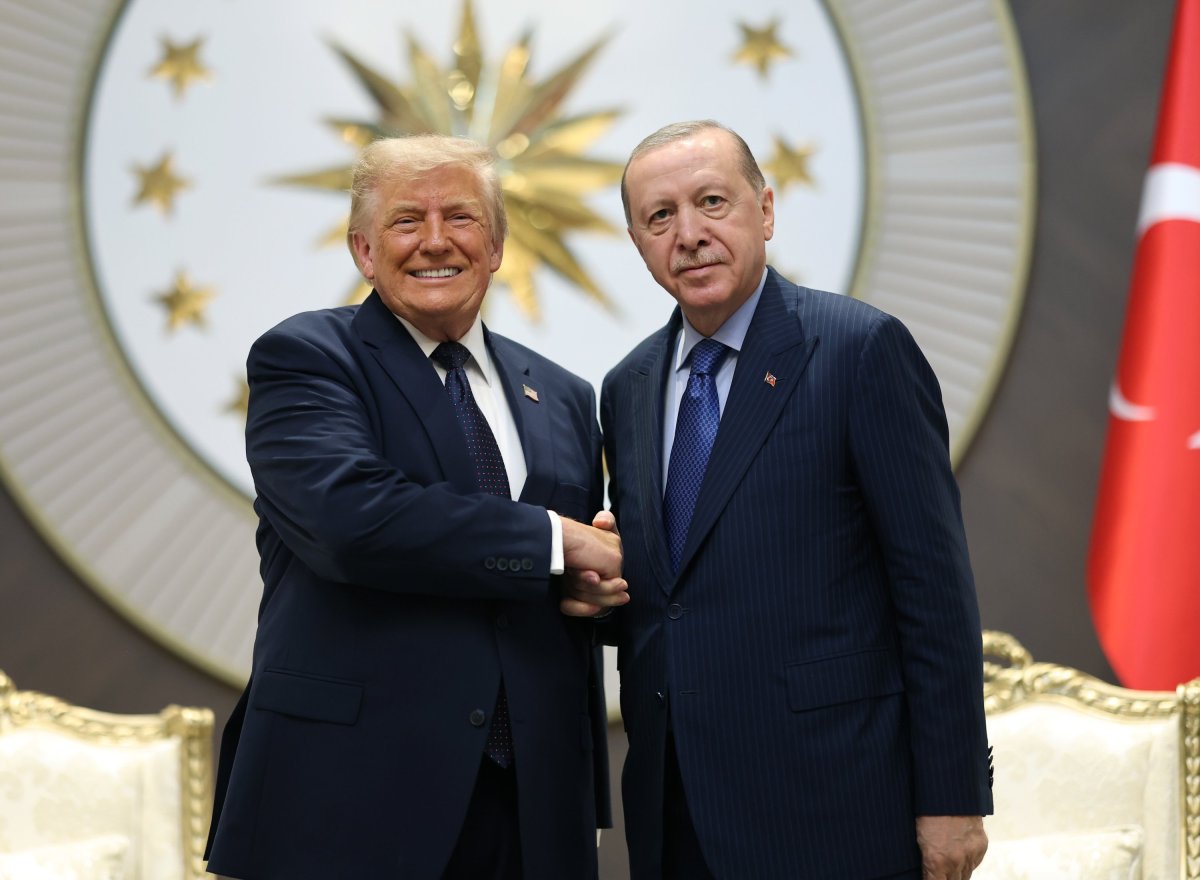
The meeting between Turkish and American leaders at the NATO Summit in Ankara carries significant weight for Middle East stability, as longstanding bilateral frictions intersect with broader questions of alliance cohesion, energy routes, and proxy conflicts stretching from the Levant to the Gulf. This high-level engagement arrives at a moment when regional actors are recalibrating their positions amid shifting American priorities and Turkish strategic autonomy. Observers across the Middle East will watch closely to see whether renewed personal ties can ease tensions that have previously spilled into neighboring theaters.
Erdoğan Signals Optimism for US-Türkiye Progress After Trump Ankara Visit
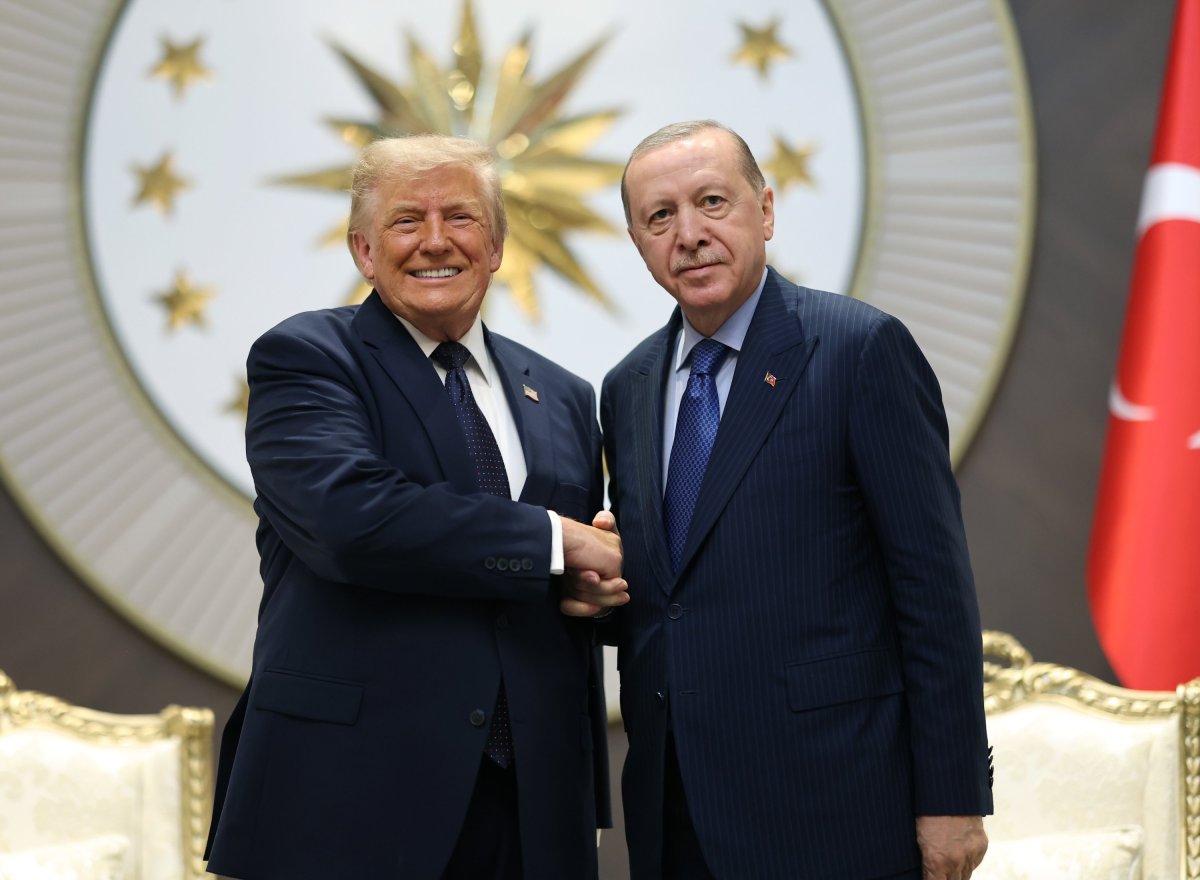
Ankara – July 7, 2026 — President Recep Tayyip Erdoğan expressed confidence that long-standing issues between Türkiye and the United States can move toward positive outcomes, citing his close cooperation and strong relationship with U.S. President Donald Trump following their high-profile meeting at the NATO Summit in Ankara. The remarks came in a social media post after bilateral talks at the Presidential Complex, where Türkiye welcomed the U.S. president with a full state ceremony featuring military honors, Turkish and American flags, and an official reception. The encounter occurred on the opening day of the July 7-8 NATO Summit, which Türkiye is hosting for the second time after the alliance gathered in Istanbul in 2004. Trump’s visit also marks the first by a sitting U.S. president to Türkiye since Barack Obama traveled to the country in 2015.
The Personal Rapport Behind the Resumption of High-Level Engagement
President Recep Tayyip Erdoğan described his meeting with U.S. President Donald Trump as an opportunity rooted in personal friendship and sustained dialogue. The Turkish leader hosted his American counterpart at the Presidential Complex with a full state ceremony that included military honors, Turkish and American flags, and an official reception. This elaborate welcome underscored the importance Ankara placed on the encounter, which took place on the opening day of the July 7-8 NATO Summit. Erdoğan later posted on social media that he was pleased to host his valued friend and believed positive results would follow from their solidarity and strong relations. The visit represented the first by a sitting U.S. president to Türkiye since Barack Obama in 2015, lending additional symbolism to the occasion. Trump has repeatedly described Erdoğan as a close friend and important strategic partner, noting that their relationship played a major role in his decision to attend the Ankara summit. Despite past disagreements over issues such as Türkiye’s purchase of the Russian S-400 missile defense system and differing approaches to the conflict in Syria, the personal diplomacy between the two leaders has endured. Erdoğan’s message reflected optimism that this longstanding rapport can translate into tangible progress on issues that have complicated U.S.-Türkiye relations for years. The ceremony and subsequent talks therefore served as both a diplomatic reset and a reaffirmation of individual-level trust within the broader NATO framework. Regional observers noted that such personal connections often provide the necessary political capital to navigate complex alliance disputes. The absence of a detailed readout left room for speculation, yet the visible warmth of the reception suggested both sides view the relationship as strategically valuable. This foundation of mutual regard may prove decisive as the alliance confronts evolving global security challenges.
Turkey's Strategic Weight Within NATO and the 5% Defense Spending Debate
Türkiye entered the NATO Summit with growing influence inside the alliance, backed by NATO’s second-largest military, an expanding defense industry, and its strategic position between Europe, the Middle East, and the Black Sea region. Hosting the July 7-8 gathering for the second time after Istanbul in 2004 reinforced Ankara’s central role in alliance deliberations. The leaders met as NATO members debated some of the alliance’s most pressing security challenges, including increased defense spending, military production, support for Ukraine, regional stability, and burden-sharing among member states. Trump has urged allies to raise defense spending to 5% of GDP, making the issue one of the summit’s defining topics. Türkiye’s military capabilities and geographic location give it substantial leverage in these discussions, particularly as European members seek to balance commitments across multiple theaters. The summit format allowed Ankara to showcase its contributions while pressing for greater recognition of its security concerns. Burden-sharing debates have long featured Turkish arguments that its southern border challenges deserve consideration alongside eastern flank priorities. With NATO’s second-largest military already committed to multiple operations, Turkish officials emphasized the need for equitable distribution of responsibilities. The personal engagement between Erdoğan and Trump offered an avenue to align positions on spending targets without public confrontation. This strategic weight positions Türkiye as a pivotal actor capable of shaping outcomes on both defense investment and operational planning. Observers expect the 5% target discussion to continue influencing alliance dynamics well beyond the Ankara meetings.
F-35 Reintegration and the S-400 Impasse: Defense Cooperation at a Crossroads
Although neither side released a detailed readout, the meeting was widely expected to cover defense cooperation, including the future of U.S. sanctions on Türkiye and Ankara’s long-standing interest in rejoining the F-35 fighter jet program. Trump has previously suggested he is open to advancing defense ties with Türkiye, pointing to his personal relationship with Erdoğan. The Turkish purchase of the Russian S-400 missile defense system remains a point of friction, yet the leaders’ rapport may facilitate renewed conversations on sanctions relief. Turkish-made drones and other advanced defense systems were showcased during the summit’s Defense Industry Forum, highlighting Ankara’s growing manufacturing capacity. This industrial expansion provides alternative pathways for cooperation even while legacy disputes linger. Reintegration into the F-35 program would require addressing congressional and alliance concerns, yet the bilateral channel opened by the Erdoğan-Trump meeting offers a potential starting point. The absence of immediate announcements reflected the complexity of these issues rather than any lack of political will. Both governments continue to explore opportunities to expand collaboration in Türkiye’s rapidly growing defense manufacturing sector. The forum presentations served as a practical demonstration of what Turkish industry can contribute to collective defense needs. Strategic analysts view the current crossroads as an opportunity for calibrated steps that preserve alliance cohesion while accommodating Turkish procurement realities. Progress on these files would mark a significant shift from years of stalled negotiations.
Syria Policy Coordination and Kurdish Dynamics on the Southern Border
Regional security likely featured prominently in the discussions, with developments in Syria expected to feature alongside counterterrorism efforts. Türkiye maintains a military presence in northern Syria that shapes the security environment along its southern border. Past friction over U.S. cooperation with Kurdish groups has complicated bilateral coordination, yet the current personal engagement between leaders creates space for renewed dialogue. Refugee flows and border stability remain core Turkish concerns that intersect with American objectives in the region. The summit setting allowed both sides to address these issues within the wider NATO context of regional stability. Erdoğan’s emphasis on solidarity suggests Ankara seeks greater alignment on counterterrorism priorities without compromising its core interests. The lack of a detailed readout leaves open the possibility that quiet understandings were reached on deconfliction mechanisms. Turkish officials have consistently argued that security along the southern border directly affects national stability and NATO’s southeastern flank. Any coordinated approach would need to balance American operational requirements with Turkish sensitivities regarding Kurdish armed groups. The meeting therefore represented an opening to recalibrate policies that have previously generated public disagreements. Continued engagement at this level could reduce the risk of miscalculation in a volatile theater.
The Iran Dimension: Ceasefire Monitoring and Regional Proxy Networks
The U.S.-Iran ceasefire and its implications for regional proxy networks were among the topics anticipated during the bilateral talks. Türkiye’s geographic position and diplomatic channels with Tehran give it a distinctive role in monitoring developments and managing spillover effects. The leaders’ discussions occurred against a backdrop of evolving Middle East dynamics where Iranian influence intersects with NATO member interests. Erdoğan’s post-meeting message of optimism extended to these regional files, suggesting that strong bilateral relations could support coordinated approaches. Türkiye’s balancing act between alliance commitments and engagement with Tehran has historically allowed it to serve as a conduit for communication. The summit provided an opportunity to align perspectives on ceasefire implementation without public divergence. Proxy conflicts in the Levant and Gulf remain sensitive areas where Turkish and American assessments may differ yet require practical coordination. The personal relationship between the two presidents offers a mechanism to address these nuances discreetly. Regional stability depends in part on preventing escalation along multiple fronts, and the Ankara meeting contributed to that objective. Observers will monitor whether subsequent diplomatic steps reflect greater convergence on Iran-related issues.
Eastern Mediterranean Energy and Maritime Security Architecture
Economic cooperation was another likely focus, as both governments continue exploring opportunities to expand trade and investment while strengthening collaboration in Türkiye’s rapidly growing defense manufacturing sector. Energy security discussions naturally extend to Eastern Mediterranean dynamics, where maritime boundaries and resource development intersect with alliance relationships. Türkiye’s strategic location between Europe, the Middle East, and the Black Sea region positions it centrally in pipeline geopolitics and energy diversification efforts. The summit setting allowed leaders to consider how defense cooperation might support broader economic objectives, including secure energy routes. Turkish officials have long emphasized the need for inclusive approaches to maritime security that account for all littoral states. The absence of detailed readouts left these dimensions largely implicit, yet the overall tone of the encounter suggested willingness to explore joint frameworks. European energy diversification goals create additional incentives for stable regional arrangements. The personal diplomacy on display may help manage competing claims without escalation. Continued dialogue at this level could contribute to more predictable energy markets and reduced friction among neighbors.
Economic Linkages and Defense Industry Collaboration
Turkish-made drones and other advanced defense systems showcased at the Defense Industry Forum illustrated the commercial potential of expanded bilateral ties. Both governments are exploring opportunities to increase trade and investment while deepening collaboration in Türkiye’s defense manufacturing sector. Supply chain resilience has become a shared priority, and Turkish industrial capacity offers alternatives for NATO procurement needs. The summit provided a platform to highlight these capabilities to American and allied audiences. Economic linkages extend beyond defense into general trade expansion, where mutual interests align on investment facilitation. Erdoğan’s emphasis on positive outcomes through strong relations suggests Ankara views economic cooperation as a stabilizing factor in the overall partnership. Defense industry collaboration in particular benefits from the personal trust between leaders, which can accelerate regulatory and political approvals. Turkish exports in this sector have grown substantially, creating new avenues for joint ventures and technology sharing. The forum presentations served as practical evidence of what expanded cooperation could achieve. Sustained engagement following the Ankara meeting may translate these demonstrations into concrete contracts and partnerships.
Strategic Implications for Middle East Alignments and Great Power Competition
The meeting underscored the increasingly personal diplomacy between Erdoğan and Trump, a relationship that has endured despite years of disagreements. This rapport reinforces cooperation within NATO as the alliance confronts evolving global security challenges. For Middle East alignments, renewed U.S.-Türkiye engagement carries implications for how regional actors calculate their own positions. The absence of detailed announcements preserved flexibility while signaling intent to address outstanding files. Great power competition adds another layer, as Turkish strategic autonomy interacts with American priorities across multiple domains. Erdoğan’s expressed confidence in positive results reflects a belief that personal ties can deliver tangible movement on sanctions, defense programs, and regional coordination. The summit therefore served as both a bilateral milestone and a signal to other powers regarding alliance cohesion. Observers across the region will assess whether subsequent actions match the optimistic tone set in Ankara. The combination of state ceremony, personal rapport, and substantive agenda items positions this encounter as a potential turning point in a relationship long marked by volatility. Continued high-level contact may help manage the complex interplay of alliance obligations and regional interests.
By Malik Hassan, Staff Writer
This article was produced with AI-assisted research and editorial support. Reporting is based on sources cited in the article.
What's Your Reaction?
 Like
0
Like
0
 Dislike
0
Dislike
0
 Love
0
Love
0
 Funny
0
Funny
0
 Wow
0
Wow
0
 Sad
0
Sad
0
 Angry
0
Angry
0

Middle East Correspondent at Global1.News. Based in Beirut, covering politics, conflict, energy, and society across the Middle East. Brings context and depth to a region often reduced to headlines.










Comments (0)