
Why Iran's real war begins when the bombing ends
The Overlapping Fronts of Iran's Current Struggle The opinion piece published by Daily Sabah examines how Iran's present confrontation involves both immediate military pressure and the longer-term consequences that follow any pause in strikes. This framing draws attention to the distinction between battlefield outcomes and the domestic pressures that often intensify once extern
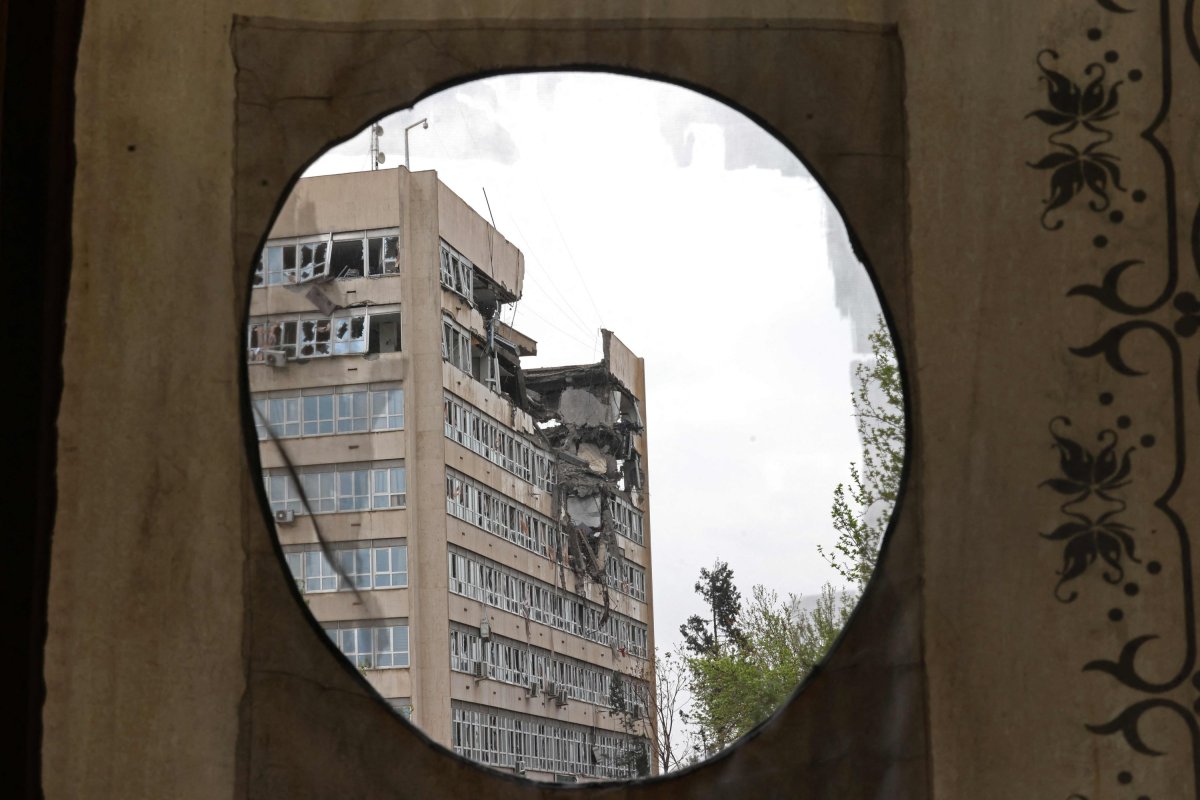
The Overlapping Fronts of Iran's Current Struggle
The opinion piece published by Daily Sabah examines how Iran's present confrontation involves both immediate military pressure and the longer-term consequences that follow any pause in strikes. This framing draws attention to the distinction between battlefield outcomes and the domestic pressures that often intensify once external operations ease.
From a Lebanese vantage point, such layered conflicts carry direct echoes in how regional powers manage internal cohesion amid external challenges. The analysis underscores that survival during active operations does not guarantee stability in the subsequent phase.
Strategic Calculations in the Military Phase
The Daily Sabah text references statements from United States and Israeli officials indicating an intent reaching beyond damage to specific sites and toward broader political effects. It notes the targeting patterns applied to Islamic Revolutionary Guard Corps structures and command lines during what it describes as a twelve-day period of operations.
These choices align with earlier writings, including a 2022 paper by Eyal Zamir for the Washington Institute. Observers in Beirut note that similar targeting approaches have appeared in past regional episodes, raising questions about how command disruptions translate into lasting institutional change.
Ideological Bonds and Institutional Continuity
The article highlights the role of Shia historical narratives, particularly references to Karbala and martyrdom, as elements integrated into the Islamic Republic's official commemorations and educational practices. It contrasts this with assumptions that leadership losses would automatically produce systemic unraveling, citing the public response after the 2020 killing of Qassem Soleimani as an earlier illustration.
In Lebanon, where political movements draw on comparable symbolic registers, analysts often observe how such frameworks can convert external pressure into renewed internal mobilization. The op-ed suggests this mechanism may have operated again in the recent strikes, converting fallen figures into additional sources of legitimacy rather than points of fracture.
Economic and Social Pressures in the Aftermath
Daily Sabah emphasizes that infrastructure damage carries forward into reconstruction demands, supply disruptions, and potential street-level discontent once military activity subsides. It argues that these conditions could generate political strain independent of the military result.
Lebanese readers familiar with prolonged sanctions and reconstruction cycles after 2006 recognize how such pressures intersect with daily commerce, currency stability, and public services. The piece frames these elements as the more protracted challenge facing Iranian authorities, one that military resilience alone may not resolve.
Regional Implications and Negotiation Horizons
The analysis points to possible future discussions around the Strait of Hormuz, asset releases, and sanctions relief if regime-change objectives remain unmet through air operations. It describes this scenario as a potential tactical gain for Iran despite the original strategic intent.
For Lebanon, shifts in energy routes or sanction dynamics can influence fuel imports and broader economic conditions. The op-ed leaves open how any such concessions might affect neighboring states already navigating their own recovery constraints.
Outlook on Resilience and Adaptation
Overall, the Daily Sabah contribution separates the visible military exchanges from the slower-moving domestic tests that follow. It presents the second phase as the more decisive one for long-term stability, while acknowledging that external actors have yet to clarify the political arrangements they would accept after operations conclude.
Viewed from Beirut, this separation between phases offers a reminder that regional conflicts rarely conclude with the final sortie. The interplay between external pressure and internal adaptation continues to shape outcomes across multiple capitals.
By Malik Hassan, Staff WriterThis article was produced with AI-assisted research and editorial support. Reporting is based on sources cited in the article.
What's Your Reaction?
 Like
0
Like
0
 Dislike
0
Dislike
0
 Love
0
Love
0
 Funny
0
Funny
0
 Wow
0
Wow
0
 Sad
0
Sad
0
 Angry
0
Angry
0

India/South Asia Correspondent at Global1.News. Analytical voice with a background in science and health journalism. Based in New Delhi, covering Indian politics, education, healthcare, technology, and policy. Breaks down complex data into clear, actionable reporting.











Comments (0)