
Strait of Hormuz Deal: White House Reveals Peace Terms
White House Outlines Core Terms of Hormuz Reopening Agreement The White House has set out the principal elements of an accord designed to reopen the Strait of Hormuz, with a senior administration official stating that the arrangement meets the central goals established by the President. The official emphasised that the deal first reopens the straits and lifts the blockade, whil
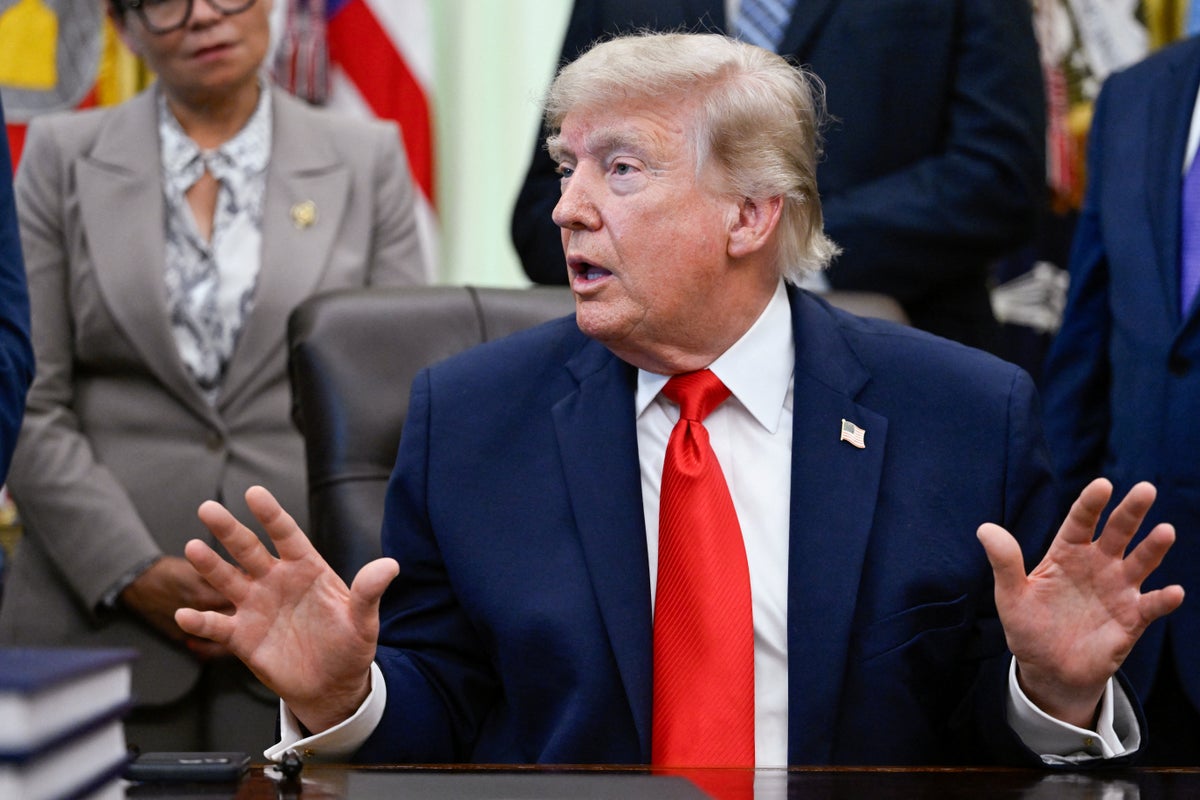
White House Outlines Core Terms of Hormuz Reopening Agreement
The White House has set out the principal elements of an accord designed to reopen the Strait of Hormuz, with a senior administration official stating that the arrangement meets the central goals established by the President. The official emphasised that the deal first reopens the straits and lifts the blockade, while secondly committing to the dismantling of the Iranian nuclear programme. These points were presented as non-negotiable benchmarks achieved after weeks of intensive talks, with the official noting that the text should be signed in the next few days.
Details released by the administration highlight the sequencing of measures, beginning with maritime access through the Strait and moving towards verified restrictions on nuclear activities. Officials have stressed that economic benefits for Iran would only follow once obligations are met, avoiding any immediate release of funds. This structure has been described as prioritising the concerns of the United States and its allies from the outset.
Attention has focused on how the reopening would affect global shipping lanes that carry a significant share of the world’s oil supplies. The administration’s messaging has sought to reassure markets that the underlying fundamentals of the American economy remain strong, even as short-term pressures on fuel prices persist. Treasury Secretary Scott Bessent indicated on Friday evening that the challenging period with gasoline should pass swiftly once the agreement takes effect.
Further comments from the White House have underlined the importance of verification mechanisms to ensure compliance. The official remarked that the package accomplishes the core objectives set out for the mission, framing the outcome as a pragmatic resolution rather than a concession. Observers in Washington note that the emphasis on written commitments reflects lessons from previous diplomatic efforts in the region.
Tehran and Islamabad Signal Historic Proximity to US-Iran Accord
Iran’s foreign minister Abbas Araghchi has described the emerging agreement as bringing a peace deal closer than at any point in recent years, highlighting provisions that would see both sides respect each other’s sovereignty in writing. This marks the first such explicit undertaking by the United States in 47 years, according to Iranian state broadcaster IRIB News. Araghchi also pointed to the inclusion of maritime restrictions in the Strait of Hormuz and the removal of those limits as part of the package.
Pakistan’s prime minister Shehbaz Sharif reinforced the sense of momentum on Friday, declaring that a final, agreed-upon text of the peace deal between the United States and Iran has now been reached. Sharif stated that peace has never been this close, positioning the development as a regional breakthrough with potential consequences far beyond the immediate parties. His remarks followed swiftly after the Iranian foreign minister’s public comments.
Araghchi outlined additional elements still to be addressed in subsequent rounds, including sanctions relief and an economic reconstruction plan whose mechanisms would be negotiated later. The nuclear issue itself has been deferred to the final agreement stage for various reasons, allowing negotiators to concentrate first on immediate de-escalation measures. Iranian state media reported that the draft also encompasses an end to the war in Lebanon.
These statements have generated cautious optimism among diplomats monitoring the talks, though the precise timetable for implementation remains subject to final signatures. The emphasis on sovereignty language has been presented by Tehran as a significant symbolic gain, while Washington has insisted that verification and sequencing will determine the pace of any sanctions adjustments.
Trump Administration Voices Caution Amid Iranian Claims
President Trump has rejected Iranian accounts of the terms, asserting on Truth Social that Tehran’s leaked description bears no relation to the written agreement. He described the Iranian statement as weak and pathetic and accused officials in Tehran of acting in bad faith. Trump further condemned a failed Iranian drone attack on Indian ships leaving the Strait of Hormuz as totally unacceptable, urging the other side to get its act together and fast.
Vice President JD Vance has sought to counter what he termed fake information circulating about the potential deal, stressing that Iran will receive no cash simply for signing or attending meetings. He explained that the structure ensures American and allied concerns are prioritised, with economic benefits flowing to Iran and the wider region only after obligations are fulfilled. Vance added that the arrangement could remake the region and lead to lasting peace.
Bessent, speaking on Friday evening, expressed confidence that the United States had taken the necessary opportunity to prevent Iran acquiring a nuclear weapon. He suggested that clarity might arrive as soon as this weekend or Monday, allowing markets to move beyond the current uncertainty. His remarks on Fox News also highlighted the resilience of the American economy despite the immediate gasoline pressures.
The administration’s public stance has combined forward momentum with explicit warnings against any deviation from the agreed text. Officials have reiterated that the deal contains no upfront financial transfers, a point designed to address domestic scepticism about the terms. This measured tone reflects the political sensitivity surrounding any perceived concessions.
Regional Allies Navigate Independent Stances in Negotiations
Israeli Defence Minister Israel Katz indicated on Friday that Israel retains the ability to act independently to prevent Iran acquiring a nuclear weapon, even as talks between Washington and Tehran advance. The comment underscores occasional friction between the allies during the joint campaign, including instances of mistimed strikes and communication lapses that have spilled onto President Trump’s Truth Social feed.
Reports from The Washington Post have detailed how Qatar sought a secret arrangement with Tehran early in the conflict to shield its Ras Laffan gas complex, proposing that Iran keep the facility off its target list in exchange for reduced Qatari gas production. That initiative reportedly collapsed after an Iranian missile strike on Ras Laffan in March. The episode illustrates the complex calculations made by regional actors amid the fighting.
Despite these undercurrents, the emerging deal has been framed by American officials as offering a pathway to stability that could benefit multiple neighbours. Vance’s remarks about remaking the region have been interpreted in some capitals as an invitation to broader economic cooperation once sanctions relief phases begin. Yet the retention of independent military options by Israel suggests that verification will remain under close scrutiny.
Diplomats in the Gulf have watched the public exchanges between Washington and Tehran with particular interest, given the Strait’s role in energy exports. The prospect of reopened shipping lanes has prompted quiet discussions about how any final text might affect long-standing security arrangements in the waterway.
Economic Ripples for Global Energy Markets and British Households
Reopening the Strait of Hormuz would directly influence oil and gas flows that ultimately shape fuel costs for British motorists and heating bills for households across the United Kingdom. Treasury Secretary Bessent’s assurance that the challenging time with gasoline will pass has been noted in London, where the Foreign Office monitors developments for their effect on domestic energy security. Any sustained reduction in global prices could ease pressure on the cost of living at a moment when many families continue to face elevated fuel expenses.
The absence of immediate cash transfers to Iran, as clarified by Vice President Vance, has been welcomed by analysts concerned about precedent. For the United Kingdom, the priority remains ensuring that sanctions relief, when it occurs, is tied to verifiable steps on the nuclear programme. This approach aligns with the government’s long-standing position that economic benefits must follow, rather than precede, compliance.
British energy importers have tracked the negotiations closely because disruptions in the Strait have contributed to volatility in wholesale prices over recent months. A functioning agreement could support more predictable supply chains, potentially feeding through to lower prices at the pump in the coming weeks. The underlying strength of the American economy, cited by Bessent, offers indirect reassurance to European markets that broader financial stability will be preserved.
Policy makers in Westminster have also considered how reconstruction elements mentioned by Araghchi might intersect with British commercial interests in the region. While details remain to be negotiated, the framework of an economic development plan could open avenues for UK firms once sanctions are eased in a structured manner. The emphasis on subsequent talks provides time for careful calibration of any British response.
Foreign Office Eyes Opportunities for UK Diplomatic Engagement
The Foreign Office has maintained a watching brief on the talks, recognising that a durable settlement could reduce the risk of further escalation affecting British interests in the Middle East. Officials have noted the explicit sovereignty language highlighted by Araghchi as a potentially stabilising factor, even while awaiting the final signed text. This measured approach reflects the government’s preference for diplomacy backed by clear verification standards.
With the deal described by Pakistani and Iranian leaders as closer than ever, London has an interest in supporting implementation that prevents any return to maritime restrictions. The prospect of resumed shipping through the Strait carries implications for supply routes that matter to British importers and exporters alike. Early clarity on the timetable, possibly by Monday, would allow the government to assess secondary effects on domestic policy.
Discussions within Whitehall have also touched on how the United Kingdom might contribute to monitoring mechanisms once the agreement moves into its operational phase. The deferral of the nuclear programme details to a later stage means that sustained international attention will be required. British diplomats are expected to coordinate closely with European partners on these questions.
Overall, the emerging accord presents both risks and openings for UK foreign policy. A successful reopening of the Strait, coupled with credible limits on nuclear activities, could ease energy market strains felt by households and businesses. The coming days will determine whether the optimism expressed in Islamabad and Tehran translates into a text that delivers lasting regional stability.
By Erica Thornton, Staff WriterThis article was produced with AI-assisted research and editorial support. Reporting is based on sources cited in the article.
What's Your Reaction?
 Like
0
Like
0
 Dislike
0
Dislike
0
 Love
0
Love
0
 Funny
0
Funny
0
 Wow
0
Wow
0
 Sad
0
Sad
0
 Angry
0
Angry
0

US Politics and Policy Correspondent at Global1.News. Based in Washington DC, covering American politics, policy, elections, and the courts. Knows how the system works and tells you what it actually means.














Comments (0)