
Volkswagen Plans 100,000 Job Cuts, Plant Closures
Folks, this week Volkswagen just dropped the kind of news that shakes an entire country. Germany's biggest automaker is staring down plans to slash up to 100,000 jobs and shutter multiple plants on home soil for the first time in its history. I'm Jessica Ali, and I'm not sugarcoating this one. We're talking the largest restructuring in VW's 87-year run, and it hits right at the
Folks, this week Volkswagen just dropped the kind of news that shakes an entire country. Germany's biggest automaker is staring down plans to slash up to 100,000 jobs and shutter multiple plants on home soil for the first time in its history. I'm Jessica Ali, and I'm not sugarcoating this one. We're talking the largest restructuring in VW's 87-year run, and it hits right at the heart of Europe's industrial backbone. Oliver Blume, the CEO, laid it out in blunt terms during internal briefings this week, and the fallout is already rippling from Wolfsburg to Washington.
The Raw Scale of These Cuts
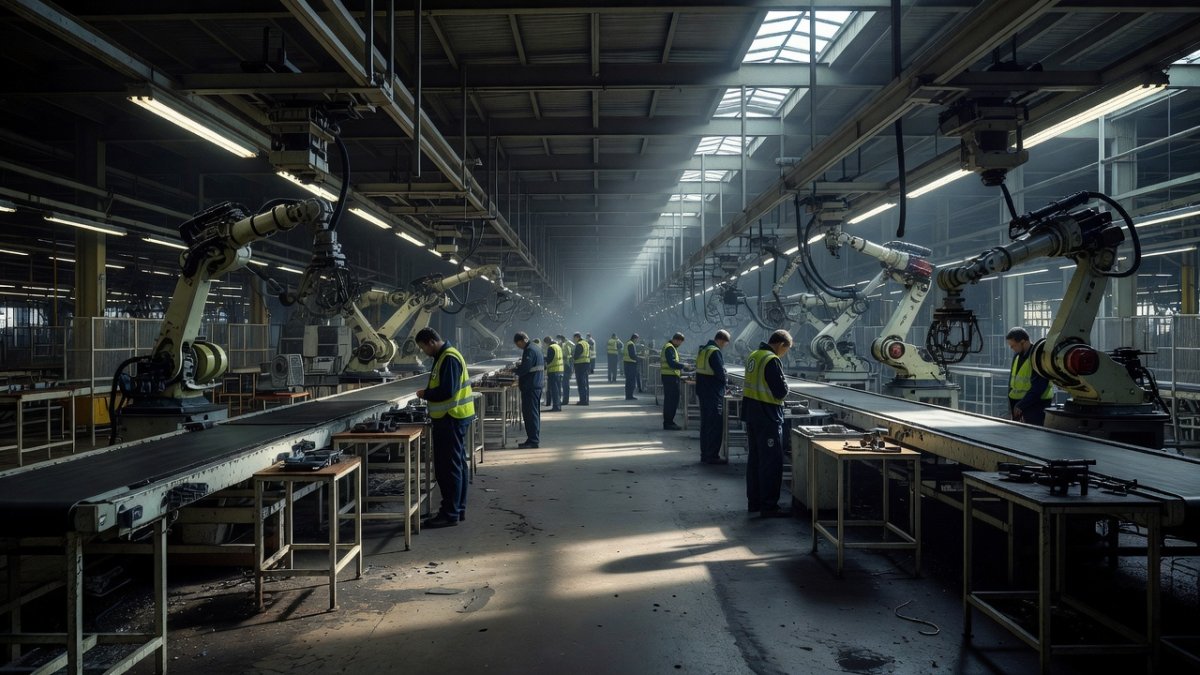
Let's get the numbers straight from the source. Volkswagen employs roughly 430,000 people worldwide, so these cuts could wipe out 20 to 25 percent of that total. The focus lands hardest on Germany, where the company runs six major assembly plants. Blume confirmed that at least three of those sites face outright closure risk, including facilities tied to older combustion-engine lines. IG Metall, the powerful metalworkers' union led by Christiane Benner, immediately called the proposals "unacceptable" and warned of strikes if management pushes forward without major concessions. This isn't some spreadsheet exercise; it's the first time VW has ever floated closing German plants, and the economic hit to Lower Saxony alone could reach billions in lost wages and supplier contracts.
Why Volkswagen Got Boxed Into This Corner
Blume has been straight with investors that VW's electric-vehicle transition moved too slowly. The company poured billions into its ID series, yet sales of those models have lagged behind targets by double digits in key markets. Meanwhile, legacy combustion platforms still dominate output, leaving factories underutilized. Internal documents reviewed this week show capacity utilization at several German plants dipping below 60 percent. Blume told the supervisory board that without drastic action, VW risks losing another 10 to 15 percent of European market share by 2027. The board is now weighing a mix of early retirements, buyouts, and outright layoffs, with the 100,000 figure representing the upper end of scenarios presented.
Chinese EV Rivals Are Eating VW's Lunch
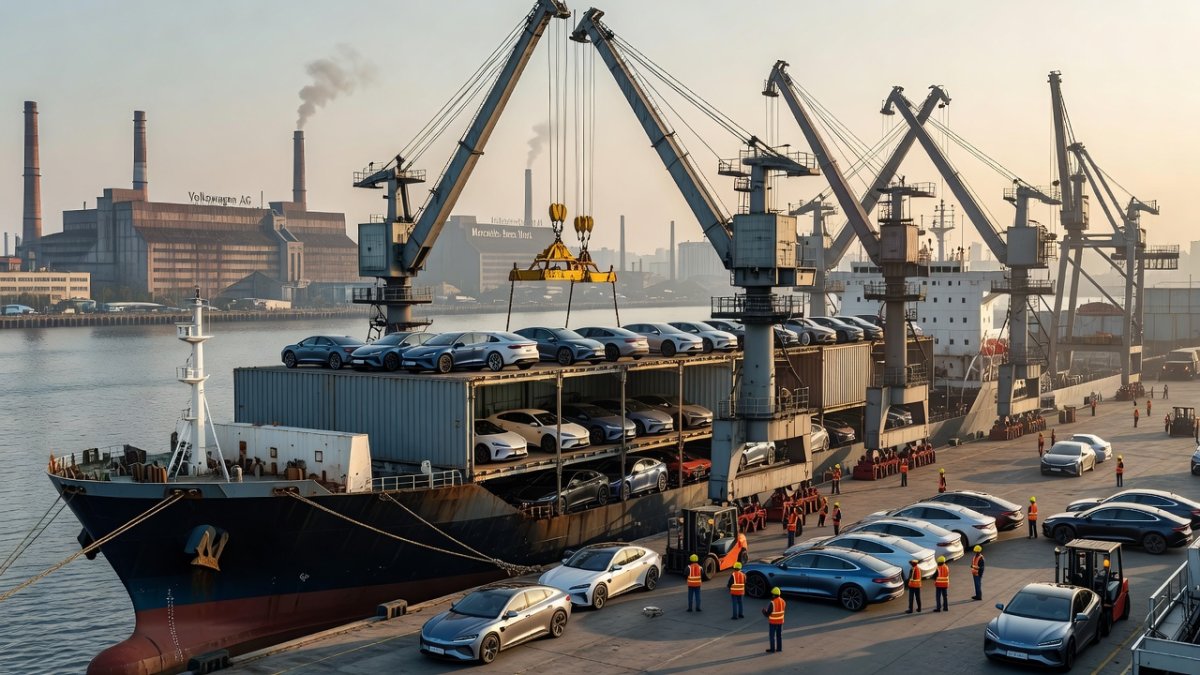
Here's the part that really stings. Chinese competitors like BYD and others have flooded Europe with affordable, high-range electric vehicles priced 20 to 30 percent below comparable VW models. BYD alone delivered more than 3 million EVs globally last year and is now building its own European factories. Tesla's Berlin Gigafactory keeps cranking out vehicles at lower labor costs per unit. VW's own data shows Chinese EV imports into the EU jumped 60 percent year-over-year, undercutting German-built cars on price while matching or beating them on technology. Blume admitted in a recent earnings call that VW's cost structure in Germany is simply not competitive against these players. The EU's ongoing consideration of tariffs on Chinese EVs might buy some breathing room, but tariffs alone won't fix factories running half-empty.
Berlin and the Unions Are Fighting Back Hard
German Chancellor Olaf Scholz's government has already signaled it won't stand by. Economy Minister Robert Habeck met with Blume and IG Metall leaders this week, pushing for government-backed incentives to keep plants open. Lower Saxony, which holds a 20 percent stake in VW through its state investment vehicle, is demanding guarantees that no German site closes without alternative investment. Benner of IG Metall told reporters the union will not accept "socially irresponsible" cuts and is preparing coordinated walkouts across multiple states. Political pressure is mounting because these jobs support an estimated 800,000 indirect positions in the broader supply chain. Any mass layoffs would land right before key regional elections, and no one in Berlin wants that political headache.
What This Means for American Auto Workers and Chattanooga
Now let's talk about the U.S. angle, because this isn't just a German story. Volkswagen's Chattanooga, Tennessee plant employs about 4,500 workers building the Atlas SUV and ID.4 electric model. If German costs force deeper global restructuring, Chattanooga could see production shifts or investment freezes. UAW leaders in the South are already watching closely; they just won their first Southern organizing wins and don't want new leverage handed to management. American suppliers that feed the Chattanooga line could lose volume if VW scales back European output and redirects resources. The ripple effect hits U.S. steel, electronics, and logistics firms that depend on steady VW orders. Blume has said the Chattanooga site remains "strategically important," but in a 100,000-job cut scenario, nothing is guaranteed.
Where This Leaves the Entire European Auto Industry
Zoom out and the picture gets darker for the continent. VW isn't the only player struggling; Stellantis and Renault have issued similar warnings about European cost structures. If the biggest name in the game starts closing plants, smaller suppliers across Poland, Czechia, and Slovakia face their own cliff. The EU's push for 2035 combustion-engine bans now collides with the reality that Chinese firms are winning the EV race on cost and speed. European automakers collectively risk losing another million jobs over the next decade if they can't close the technology and price gap. Blume's restructuring plan is essentially a warning shot that the old model of high-wage, high-regulation manufacturing needs a fundamental reset or Europe cedes the industry to Asia.
So what should you actually do with this information? Check your own exposure if you work in autos or supply chains. Review your 401(k) allocations away from pure European auto exposure and toward diversified industrials. If you're shopping for an EV in the next two years, compare total cost of ownership on Chinese brands now entering the U.S. market versus legacy names. And stay engaged with your representatives on trade policy, because the tariff decisions coming out of Brussels and Washington will shape whether these cuts accelerate or get slowed down. The auto world just changed this week, folks. Don't get caught flat-footed.
By Jessica Ali, Global 1 NewsThis article was produced with AI-assisted research and editorial support. Reporting is based on sources cited in the article.
What's Your Reaction?
 Like
0
Like
0
 Dislike
0
Dislike
0
 Love
0
Love
0
 Funny
0
Funny
0
 Wow
0
Wow
0
 Sad
0
Sad
0
 Angry
0
Angry
0

Editor-in-Chief at Global1.News. Atlanta-based journalist who cuts through the BS and tells it like it is. Lead anchor, host, and the voice you hear when the spin stops and the truth starts.















Comments (0)