
DR Congo's Leopards Roar Into History: First-Ever World Cup Knockout Berth
DR Congo has written a new chapter in African football history. The Leopards secured their place in the Round of 32 of the 2026 FIFA World Cup by defeating Uzbekistan in their final Group K match, marking the first time the nation has advanced beyond the group stage at the world's biggest sporting spectacle. For a continent that has long fought for respect on the global stage,
DR Congo has written a new chapter in African football history. The Leopards secured their place in the Round of 32 of the 2026 FIFA World Cup by defeating Uzbekistan in their final Group K match, marking the first time the nation has advanced beyond the group stage at the world's biggest sporting spectacle. For a continent that has long fought for respect on the global stage, this moment hits different.
DR Congo's Leopards Roar Into History: First-Ever World Cup Knockout Berth Sparks Continental Celebration
Kinshasa, DR Congo – This week — The Democratic Republic of Congo earned their place in the Round of 32 by defeating Uzbekistan in the final Group K match at the expanded 2026 World Cup. The Leopards finished third in the group behind Colombia in first and Portugal in second, advancing as one of the eight best third-placed teams under the new format of 48 teams across 12 groups where the top two plus the best third-place sides progress.
This result marks the first time DR Congo has advanced beyond the group stage at a World Cup. The team secured the points they needed through disciplined defending and clinical finishing against Uzbekistan, who ended fourth in the group and were eliminated from the tournament entirely.
The qualification carries direct weight for South African football because it shows how development pathways like those supported by SAFA can produce similar breakthroughs. Bafana Bafana achieved their own first-ever knockout stage appearance in the same tournament, creating a shared moment of continental momentum that resonates from Johannesburg to Kinshasa.
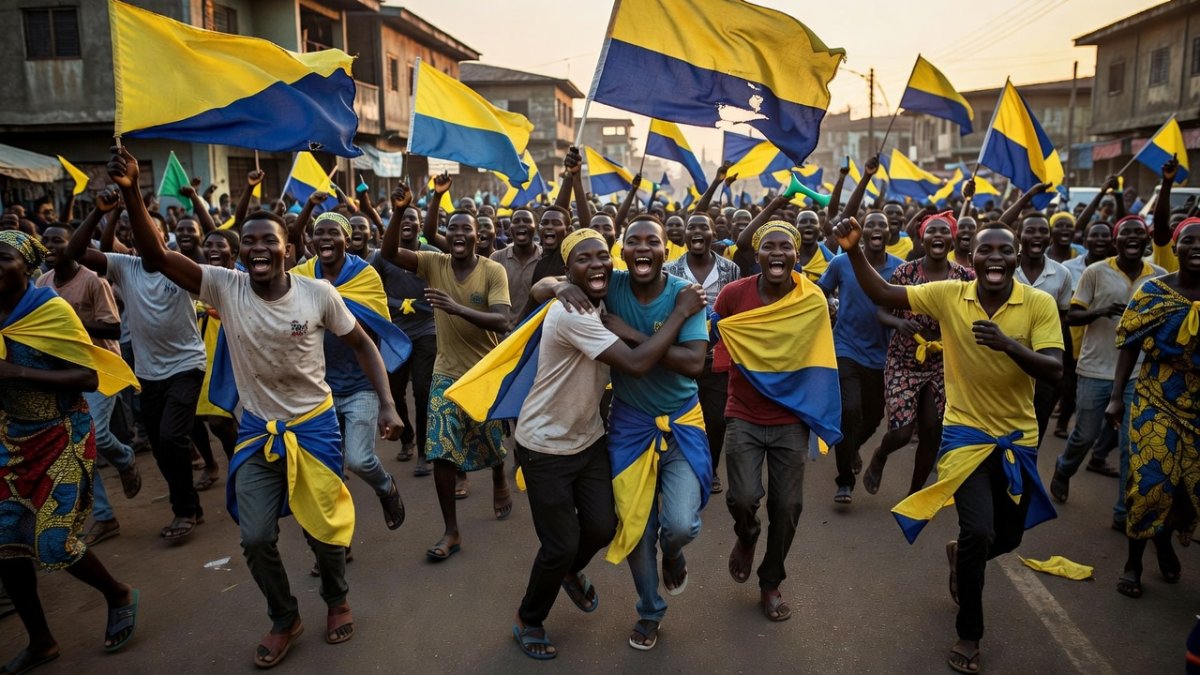
Wild celebrations broke out across DR Congo immediately after the final whistle against Uzbekistan. Supporters filled streets in Kinshasa and Lubumbashi, turning the result into a national event that echoed the energy seen at recent AFCON tournaments.
Key Results That Shaped Group K
DR Congo held Portugal to a 2-2 draw earlier in the group, where Cristiano Ronaldo missed several clear chances that could have changed the outcome entirely. The Leopards then lost 1-0 to Colombia, a result that left them needing a win in the final match to secure third place and qualification as one of the best third-placed teams. They delivered when it mattered most.
Colombia topped the group with maximum points from their three matches, while Portugal took second on goal difference and points. Uzbekistan collected the fewest points and finished last, confirming their exit from the tournament after a brave but ultimately unsuccessful campaign.
These outcomes matter because the 2026 format rewards consistency across all three group games rather than requiring a top-two finish. DR Congo's ability to take points from Portugal proved decisive in their final standing — that one result against a European giant was the difference between going home and making history.
The same expanded structure allowed South Africa to advance from their group despite not winning it outright. Bafana Bafana now prepare for Canada in the Round of 32, mirroring the path taken by DR Congo and giving South African fans a reason to believe their team can also go deep into this tournament.
Superfan Michel Kuka Mboladinga and the Visa Challenge
Superfan Michel Kuka Mboladinga, known as Lumumba Vea, gained worldwide attention at AFCON 2025 in Morocco for standing motionless during matches as a tribute to the country's first prime minister, Patrice Lumumba. His presence at the World Cup added a cultural layer to DR Congo's campaign that resonated with supporters back home and captured the imagination of football fans around the globe.
Mboladinga was initially denied a US visa for the tournament, creating uncertainty about whether he could attend the knockout matches in person. The Congolese ambassador to Washington, Kapinga Yvette Ngandu, publicly expressed hope that the team's progression would strengthen the case for his travel documents to be reconsidered. "I hope he brings his own brand of support to the team," she said.
This situation highlights the practical barriers African fans still face when supporting their teams abroad. The same issues have affected South African supporters traveling to major tournaments in recent years, underscoring the need for better coordination between football federations and host nations on visa processing for travelling supporters.
Mboladinga's story connects directly to the broader fan culture that has grown around African teams at this World Cup. His tribute to Lumumba reflects how political history and football passion intersect in Congolese identity, much like the role football plays in South African communities through initiatives such as the MultiChoice Diski Challenge. When he strikes that motionless pose in the stands, he carries a nation's history with him.
Bafana Bafana Advance Alongside DR Congo
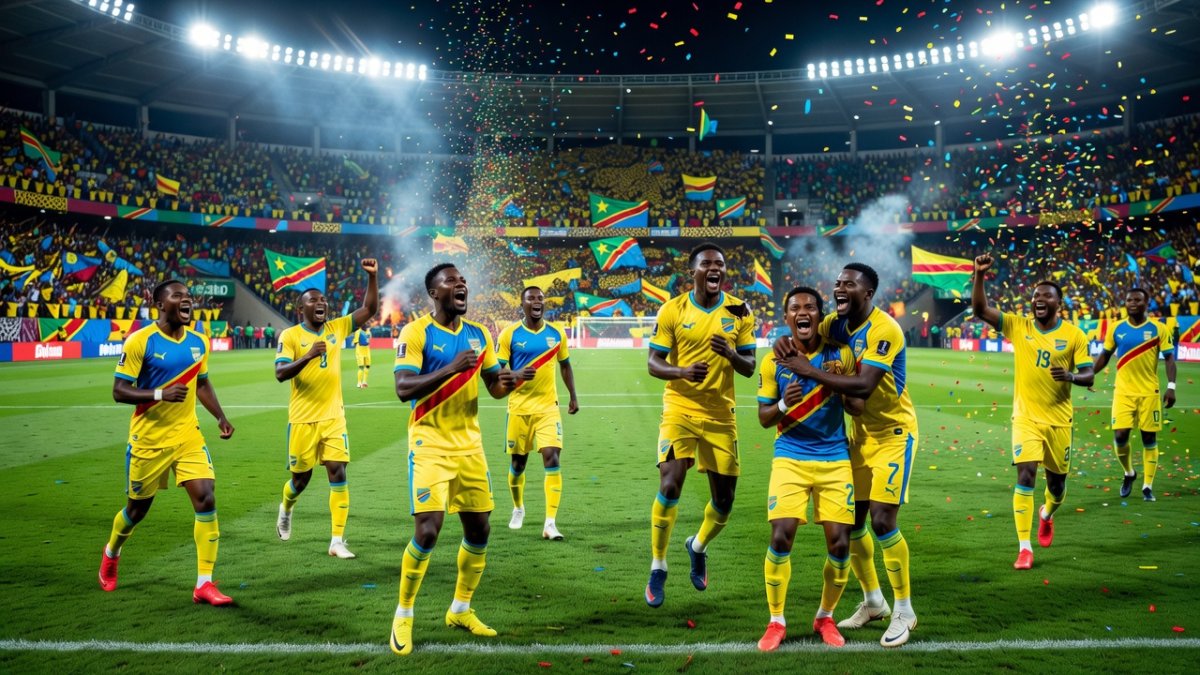
South Africa reached the knockout stage for the first time in their history, with Thapelo Maseko scoring both of Bafana Bafana's group stage goals during an emotional campaign that has captivated the nation. The team now faces Canada in the Round of 32, creating a direct parallel to DR Congo's achievement in the same tournament and giving South African fans a historic double to celebrate.
SAFA's long-term development work, including youth competitions like the MultiChoice Diski Challenge, has contributed to the technical foundation that allowed South Africa to compete at this level. These programs emphasise structured training and match experience that mirror the preparation seen in DR Congo's campaign, showing that the investment in domestic football infrastructure is finally paying dividends.
The simultaneous qualification of multiple African sides, including Cape Verde as the smallest nation ever to reach the World Cup knockouts, represents a watershed moment for African football. It demonstrates that the expanded 48-team format gives more African nations realistic pathways to progress beyond the groups and make their mark on the world stage.
Continental pride runs high because these results challenge long-standing perceptions about African teams at World Cups. South African supporters see their own team's run as part of the same narrative that now includes DR Congo and Cape Verde advancing together, proving that the gap between African football and the traditional powers is narrowing with every tournament.
Broader Significance for African Football
The advancement of DR Congo, South Africa, and Cape Verde in a single tournament signals a genuine shift in how African football is viewed globally. The 2026 format with 12 groups and eight best third-placed teams advancing has created opportunities that previous 32-team tournaments did not offer, and African nations have seized them with both hands.
DR Congo's first progression beyond the groups validates years of investment in domestic structures and player development across the continent. The same logic applies to South Africa, where SAFA programmes have focused on building depth that now shows results on the biggest stage. When your development systems produce players who can compete at a World Cup, the knockout rounds stop being a dream and start becoming an expectation.
This moment strengthens the case for continued support of youth and reserve competitions across the continent. The MultiChoice Diski Challenge in South Africa stands as one example of how structured under-23 competition prepares players for senior international duty. DR Congo has its own domestic structures that have produced the talent now representing the nation on football's grandest stage.
The shared success also builds momentum for future cycles. When DR Congo and Bafana Bafana both reach the Round of 32, it raises expectations for the next generation of African teams and reinforces the value of consistent federation-level planning. The next World Cup cycle starts now for the rest of the continent, and the bar has been raised.
DR Congo Prepares for England in the Round of 32
DR Congo will face England in the Round of 32 after the Three Lions topped their group with a 2-0 victory over Panama in which Jude Bellingham scored. England enter the match as one of the tournament favourites following their strong group stage showing, but history has taught us that favourites don't always win when an African side smells an opportunity.
The Leopards' defensive organisation that produced the 2-2 draw with Portugal will be tested again against England's attacking options, which include Bellingham, Harry Kane, and Phil Foden. DR Congo must replicate the discipline shown in their earlier matches and add a touch of attacking creativity to create another upset opportunity against a European powerhouse.
South African analysts note that Bafana Bafana face a similar challenge against Canada, where tactical discipline will determine whether they can extend their historic run beyond the Round of 32. The parallel preparations highlight how both nations are learning to compete at this new level of the competition, writing their own playbooks as they go.
The match against England carries extra weight because it represents DR Congo's first knockout fixture in World Cup history. A positive result would further elevate African football's standing and provide additional inspiration for teams like South Africa still competing in the tournament bracket.
Continental Momentum and What Comes Next
The combined achievements of DR Congo and South Africa at this World Cup create a platform for sustained growth across African football. Both nations reached the knockout stage for the first time, proving that the expanded format rewards preparation, resilience, and the courage to dream beyond the group stage.
SAFA's focus on development pathways, including the MultiChoice Diski Challenge, has produced players capable of performing at the highest level. DR Congo's success shows that similar investments elsewhere on the continent can yield comparable results, creating a virtuous cycle where success breeds further investment in the game.
Cape Verde's record as the smallest nation to reach the knockouts adds another layer to the story of African progress at this tournament. Together these results demonstrate that African teams can progress when given the structural opportunities the 2026 tournament provides, and that the ceiling for African football is much higher than the world has been willing to admit.
The coming days will test how far this momentum carries. DR Congo's clash with England and South Africa's meeting with Canada will show whether these first-time advancements can translate into further progress. For South African fans watching their own team make history while celebrating alongside their Congolese neighbours, one thing is certain — African football will never be the same again, and that's something worth celebrating from Cape Town to Kinshasa.
By Dante Williams, Staff Writer
This article was produced with AI-assisted research and editorial support. Reporting is based on sources cited in the article.
What's Your Reaction?
 Like
0
Like
0
 Dislike
0
Dislike
0
 Love
0
Love
0
 Funny
0
Funny
0
 Wow
0
Wow
0
 Sad
0
Sad
0
 Angry
0
Angry
0

Breaking News and Investigations Correspondent at Global1.News. Based in London, covering global breaking news, security, and investigative stories. Known for digging deeper and connecting the dots across continents.












Comments (0)