
Venezuela's Twin Earthquakes: A Tragedy of Infrastructure and Resilience
The Scale of the Tragedy Unfolds More than 2,600 people have lost their lives and tens of thousands remain missing after twin earthquakes struck northern Venezuela this week. Acting President Delcy Rodríguez called the disaster a natural tragedy on a scale never imagined by the country, as rescue teams rushed to reach communities cut off by collapsed roads and damaged infrastru
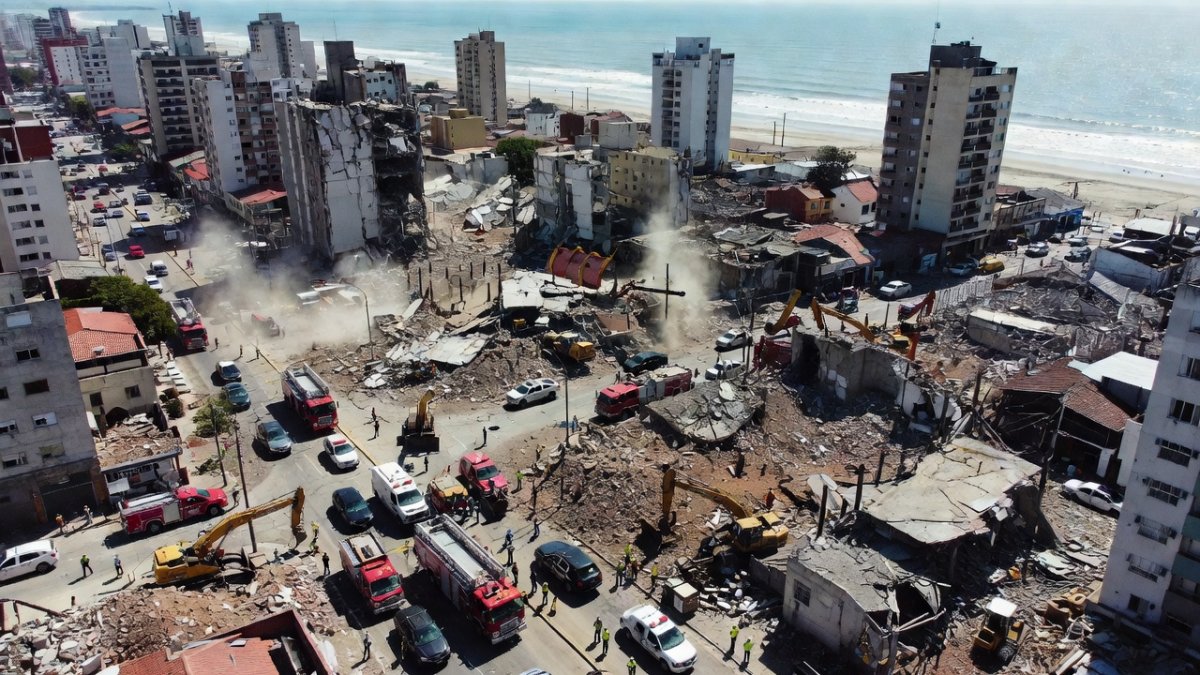
The Scale of the Tragedy Unfolds
More than 2,600 people have lost their lives and tens of thousands remain missing after twin earthquakes struck northern Venezuela this week. Acting President Delcy Rodríguez called the disaster a natural tragedy on a scale never imagined by the country, as rescue teams rushed to reach communities cut off by collapsed roads and damaged infrastructure. The United Nations has begun procuring 10,000 body bags to manage the scale of the aftermath across La Guaira and Catia La Mar, the two hardest-hit areas along the Caribbean coast. This event marks the ninth major natural disaster to hit Latin America this year alone, adding to a toll that already includes floods in Brazil and landslides across Central America.
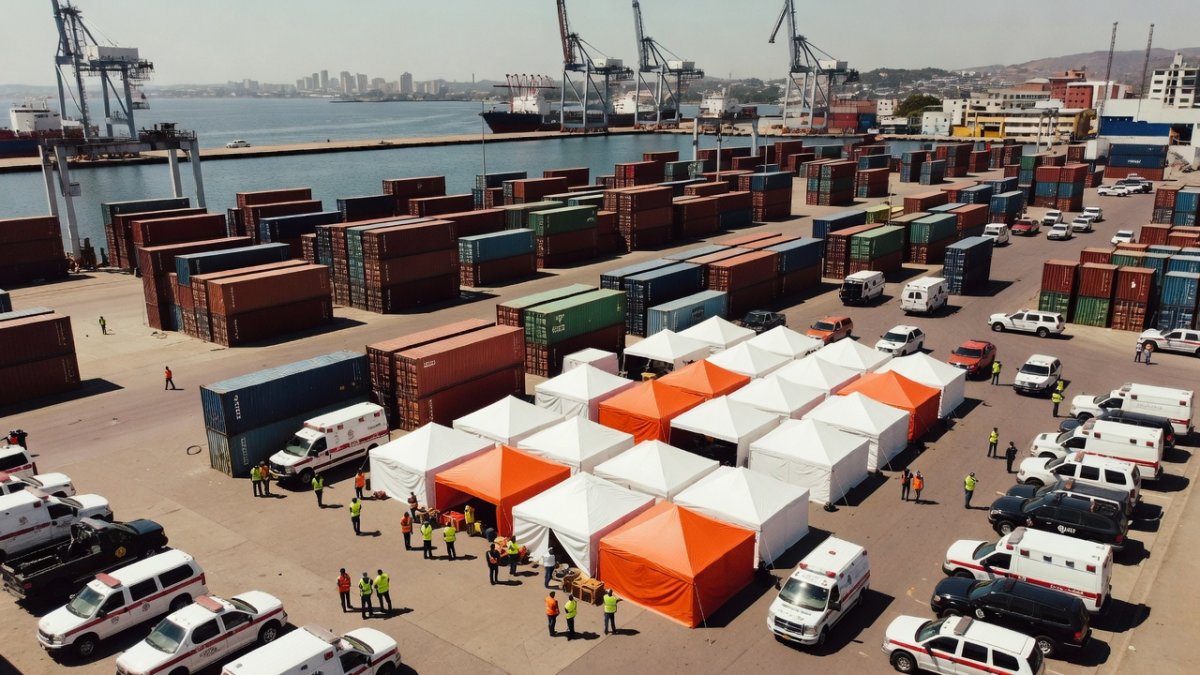
At the Los Silos port facility in La Guaira, a makeshift morgue has been established where bodies lie in rows wrapped in plastic sheeting. Families gather to identify their loved ones through photographs displayed on television screens, a process that forensic specialists supplement with dental records. Free cremation tents have been set up at the site to manage the volume with dignity. Correspondents describe scenes of quiet endurance as relatives wait for hours, clutching photographs and pieces of clothing, hoping for closure that is both painful and necessary.
A Miracle in Catia La Mar
Rescue workers pulled Hernán Gil from the rubble of a collapsed apartment block in Catia La Mar after eight grueling days trapped beneath concrete slabs and twisted rebar. Allan Madrigal, a local volunteer with the national civil protection unit, first detected faint cries while scanning the debris with acoustic sensors late on the fourth night. International teams from eight countries including Chile, Colombia, and Spain coordinated the delicate operation that required hydraulic jacks and fiber-optic cameras to navigate unstable voids. A Chilean firefighter on the scene described the effort as the most complex rescue he had encountered in two decades of disaster response across the Andes. Gil, once freed, immediately requested guava-flavored electrolyte drinks and mango nectar to rehydrate his exhausted body.
Medical personnel stabilized Gil on site before transferring him to a field hospital where doctors monitored him for dehydration and minor crush injuries. Madrigal later recounted how the survivor's voice grew stronger each time teams paused drilling to listen, guiding the precise location of the extraction point. The Chilean specialist emphasized that the layered pancaking of floors created narrow survival pockets that tested every protocol developed after previous regional quakes. Teams from Mexico and Argentina supplied additional shoring equipment when local stocks ran low during the extended operation. Gil's first words after emerging praised the persistence of the multinational crews who refused to abandon the search despite aftershocks.
Logistical challenges mounted as heavy rains threatened to destabilize the remaining structure around Gil's location, forcing engineers to erect temporary tarpaulin covers. Madrigal coordinated with the Chilean expert to adjust the angle of approach after initial probes revealed a blocked corridor. The eight-nation contingent shared real-time data through a joint command center established near the port, allowing rapid shifts in strategy. Gil's requests for specific tropical drinks became a morale boost for the weary rescuers listening to updates over radios. Final extraction succeeded when a narrow tunnel reached his position just before dawn on the ninth day.
Post-rescue interviews revealed Gil had conserved energy by remaining still during the long wait, rationing a single bottle of water found nearby. The Chilean firefighter noted that lessons from this operation would inform future training manuals for urban search and rescue in seismic zones. Madrigal highlighted the emotional toll on teams who worked without sleep to honor the slim chance of additional survivors. International support included canine units from Brazil that confirmed no other signs of life in adjacent rubble piles. Gil's survival stood as a rare point of hope amid the widespread devastation reported by BBC correspondents on the ground.
Kleiber Moran and the Search for Family
Two-year-old Kleiber Moran emerged from the debris of his family's home in La Guaira after six days trapped in a small air pocket created by a fallen refrigerator. A Jordanian search-and-rescue team located him using thermal imaging cameras that detected his faint body heat amid the concrete maze. Medical checks confirmed the toddler sustained no fractures despite the prolonged entrapment and limited access to food or water. His aunt Andreína Sarmiento assumed immediate care at a nearby shelter, cradling the child while awaiting news of his parents who remain unaccounted for. Sarmiento told BBC reporters that Kleiber's resilience had become a symbol of survival for the entire displaced community.
Jordanian specialists described the careful removal process that avoided further collapse risks around the child's location, employing inflatable supports to stabilize the surrounding walls. Kleiber showed signs of mild hypothermia upon rescue but responded quickly to warming blankets and pediatric hydration provided on site. Sarmiento recounted how the boy asked repeatedly for his mother during the first hours of reunion, highlighting the emotional layers of the disaster. The Jordanian team credited local volunteers for maintaining a perimeter that allowed focused excavation without interference from anxious onlookers. Ongoing searches continue for Kleiber's parents as forensic teams cross-reference missing persons lists with recovered effects.
Community members gathered at the shelter to offer support to Sarmiento, who balanced work shifts with constant monitoring of Kleiber's recovery. The toddler's lack of serious injuries surprised physicians given the scale of structural failure in the neighborhood. BBC coverage noted that Kleiber's case prompted renewed calls for child-specific emergency protocols in future seismic events. Jordanian rescuers shared equipment insights with Venezuelan counterparts, emphasizing lightweight tools suited for tight urban voids. Sarmiento expressed gratitude for the international presence that extended the search window beyond initial expectations.
Follow-up assessments showed Kleiber gaining strength through donated formula and soft foods arranged by aid organizations. The Jordanian unit remained in the area for several additional days to assist with other potential child rescues reported nearby. Sarmiento's BBC quote underscored the uncertainty facing thousands of families still seeking closure. Local authorities arranged temporary guardianship paperwork to ensure Kleiber's continued access to medical care. This young survivor's story illustrated both the human cost and the pockets of hope emerging from the twin earthquakes.
Infrastructure Vulnerability Exposed
The collapse of the Galerias Playa Grande mall revealed critical weaknesses when multiple levels of car parks pancaked downward, trapping vehicles and shoppers in compressed voids. Engineers inspecting the site found that many support columns lacked adequate reinforcement against lateral seismic forces common in the Caribbean fault zone. Comparisons with Chile and Mexico highlight how those nations enforce stricter retrofitting requirements for commercial structures built after major historical quakes. Venezuelan building codes have lagged due to economic constraints, leaving older coastal developments particularly exposed. BBC analysis pointed to the mall's failure as a stark example of how outdated standards amplify casualties during moderate-magnitude events.
Post-disaster surveys indicated that residential towers in Catia La Mar suffered similar pancaking because foundations were not designed to current international seismic guidelines. Experts contrasted this with Peru's recent adoption of base-isolation techniques in new high-rises, which limited damage during comparable tremors. Local officials acknowledged that enforcement of even basic standards had been inconsistent amid rapid urban expansion along the coast. The mall's multi-story parking structure folded in a manner that experts described as predictable given the absence of shear walls. International observers recommended immediate audits of all public buildings constructed before 2010.
Reconstruction planning now incorporates lessons from the mall collapse, prioritizing ductile materials that absorb energy rather than brittle concrete mixes. Comparisons with Colombia's updated codes show measurable reductions in fatalities when similar events strike compliant structures. Economic recovery efforts face hurdles as insurance assessments reveal widespread under-compliance across La Guaira province. BBC correspondents documented how pancaked levels complicated body recovery operations for weeks after the initial shocks. Engineers advocate for regional harmonization of standards to prevent future tragedies of this scale.
Seismic monitoring upgrades are underway to provide earlier warnings, yet experts stress that infrastructure upgrades remain the most effective defense. The mall incident exposed gaps in routine inspections that neighboring countries addressed through mandatory annual certifications. Coastal communities now push for elevated building requirements that account for both earthquakes and storm surges. Detailed forensic reports will guide policy reforms aimed at aligning Venezuela with broader Latin American best practices. These vulnerabilities underscore the urgent need for sustained investment in resilient design across the region.
International Solidarity in Action
Eight nations deployed specialized teams within forty-eight hours, with Chile contributing heavy-lift cranes and Colombia supplying medical field units equipped for mass casualty scenarios. Jordanian rescuers focused on urban search techniques while Mexican engineers assessed bridge stability to restore access routes. Coordination occurred through a unified command post established with United Nations facilitation, allowing real-time resource allocation across affected zones. Spanish logistics specialists managed supply chains that delivered water purification systems to isolated coastal hamlets. BBC reports highlighted how this multinational effort reduced response times compared with previous regional disasters.
Argentine canine handlers worked alongside Brazilian drone operators to map debris fields and identify access points for extraction teams. The collaborative model enabled sharing of aftershock data that informed safe operating windows for all participants. Specific contributions included Peruvian water treatment plants that restored potable supplies to temporary camps within days. Challenges arose from language barriers, yet interpreters embedded with each unit maintained clear communication channels. Lessons from this deployment emphasize the value of pre-established mutual aid agreements among Latin American countries.
Equipment exchanges proved vital when Venezuelan stocks of hydraulic tools depleted during prolonged operations at multiple sites. International teams conducted joint training sessions on site to build local capacity for future incidents. The eight-nation response demonstrated effective integration of military and civilian assets under civilian oversight. BBC coverage noted improved outcomes in survivor recovery rates attributable to this pooled expertise. Ongoing evaluations will refine protocols for even faster mobilization in subsequent events.
Donations of specialized vehicles from participating countries accelerated debris clearance along key highways leading to La Guaira. The solidarity extended beyond immediate rescue to include forensic support teams that assisted with identification processes. Coordinated medical evacuations airlifted critical patients to facilities in neighboring nations with available capacity. These efforts illustrated the potential for regional cooperation to mitigate the impacts of large-scale natural disasters. Future frameworks may formalize these ad-hoc arrangements into standing agreements.
Lessons for Latin America's Disaster Future
Preparedness gaps exposed by the Venezuela earthquakes include insufficient early-warning networks and limited public education campaigns on drop-cover-hold procedures. Brazil's ongoing wildfire season compounds regional strain as resources are diverted from seismic readiness to fire suppression in the Amazon basin. Colombia and Peru are undergoing governmental transitions that offer opportunities to embed stronger disaster provisions into new policy frameworks. Regional building standards must evolve toward uniform seismic requirements that account for varying soil conditions along the Pacific and Caribbean coasts. BBC assessments stress that fragmented national approaches leave populations vulnerable to cascading failures during simultaneous events.
Investment in community-level training programs has proven effective in Chile, where regular drills reduced casualties in recent tremors, offering a replicable model for Venezuela. Climate change amplifies risks as rising sea levels threaten coastal infrastructure already weakened by seismic activity. Cross-border data sharing on fault lines could enhance predictive modeling for the entire Andean chain. Experts recommend establishing a permanent Latin American disaster response fund to finance rapid deployments without reliance on external donors. These measures address both immediate recovery and long-term resilience building.
Urban planning reforms in Peru demonstrate how zoning restrictions in high-risk zones can prevent dense development on unstable ground. Brazil's experience with compound disasters suggests integrated planning that considers floods, fires, and earthquakes simultaneously. Colombia's transition period provides a window to legislate mandatory retrofits for schools and hospitals. Regional standards would facilitate technology transfers and joint procurement of monitoring equipment. Sustained political commitment remains essential to translate these lessons into actionable infrastructure upgrades.
Future scenarios project increased frequency of extreme events, necessitating adaptive strategies that incorporate indigenous knowledge alongside scientific forecasting. Venezuela's recovery offers a test case for whether international solidarity can evolve into enduring institutional cooperation. Enhanced building codes across the region could dramatically lower economic losses and human suffering in coming decades. Coordinated research initiatives would accelerate development of affordable seismic-resistant materials suited to local economies. These collective steps represent the pathway toward a more prepared Latin America.
By Elena Vasquez, Staff WriterThis article was produced with AI-assisted research and editorial support. Reporting is based on sources cited in the article.
What's Your Reaction?
 Like
0
Like
0
 Dislike
0
Dislike
0
 Love
0
Love
0
 Funny
0
Funny
0
 Wow
0
Wow
0
 Sad
0
Sad
0
 Angry
0
Angry
0
Latin America Correspondent at Global1.News. Based in Mexico City, covering politics, economics, energy, and culture across the region. Brings an on-the-ground perspective to stories spanning from the Rio Grande to Patagonia.











Comments (0)