
US Weapons Fuel Cartel Violence in Mexico: Sheinbaum Seizes 18,000 Guns
**Keywords:** US gun trafficking Mexico, Sheinbaum administration firearms, Arizona arms corridor, CJNG .50 caliber rifles, Lake City Army Ammunition Plant, Mexico lawsuit gun makers, ATF Fast and Furious, iron river weapons, Michoacán helicopter attack, Mexican colonias cartel violence US Weapons Flow South in the Iron River In a recent DW News report, up to 80 percent of weap
US Weapons Flow South in the Iron River
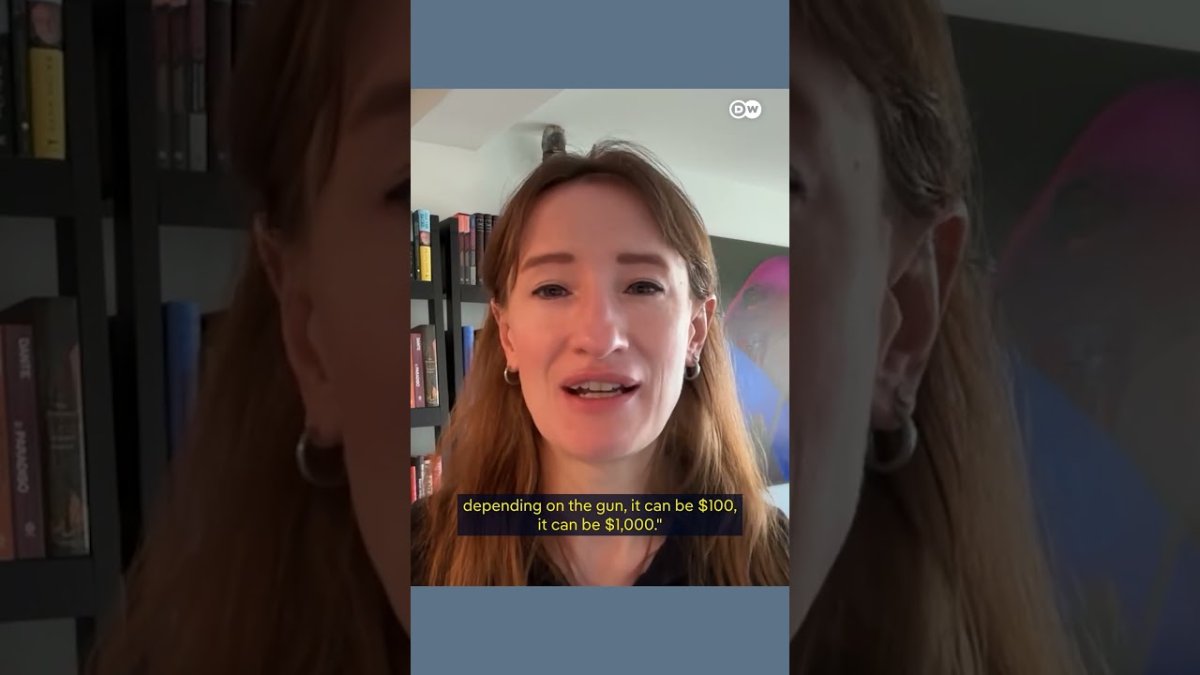
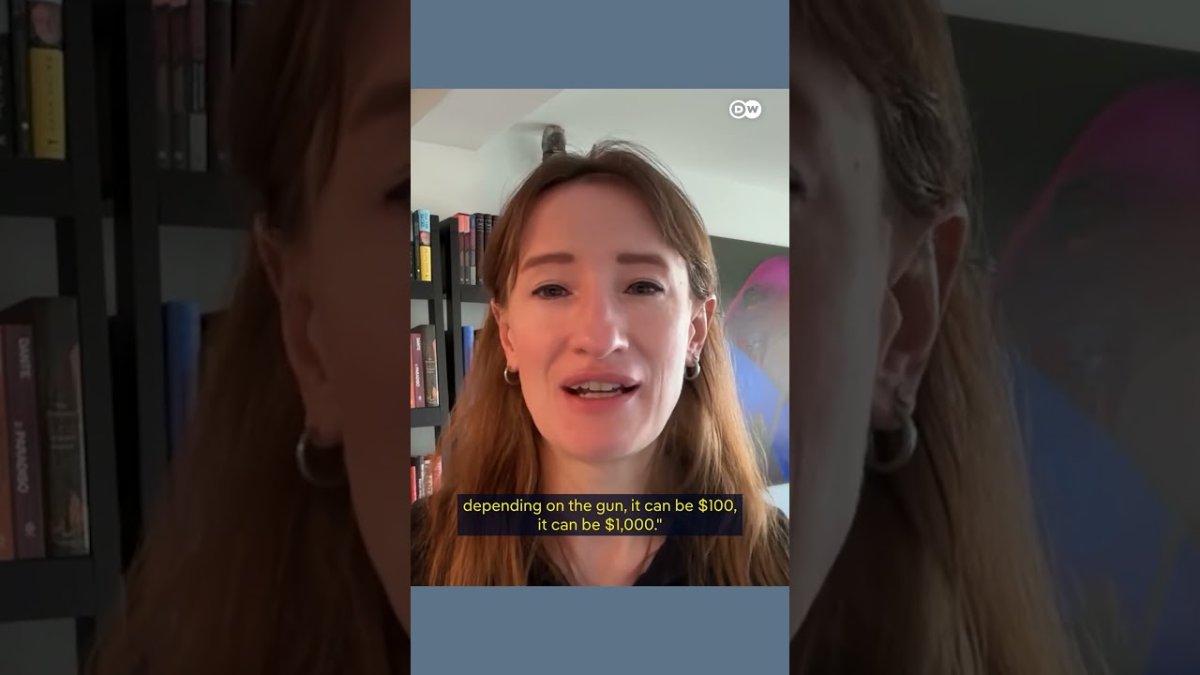
In a recent DW News report, up to 80 percent of weapons seized from Mexican cartels trace back to the United States, with roughly 135,000 guns trafficked south across the border every year. These firearms are often purchased legally in US stores before straw buyers smuggle them into Mexico. The report highlights how this steady supply strengthens groups like the Cartel Jalisco Nueva Generación in states from Sonora to Michoacán.
The Secretaría de la Defensa Nacional under Defense Secretary Ricardo Trevilla Trejo reported that the Sheinbaum administration has seized 18,000 firearms since October 1, 2024, with approximately 78 percent originating in the United States. Among those weapons are 215 .50 caliber Barrett rifles confiscated in the same period. Since 2012, Mexican authorities have taken 137,000 rounds of .50 caliber ammunition, and 47 percent of those traced to the Lake City Army Ammunition Plant in Missouri.
Additional seizures include 20 40mm grenade launchers, 13 rocket launchers, and 273 machine guns. These military-grade arms have appeared in operations by the Cartel Jalisco Nueva Generación, including the 2023 downing of a Michoacán state helicopter using a .50 caliber rifle. Families living in rural communities near Apatzingán still remember the attack that killed state police officers and left children without fathers.
Strict Mexican Gun Laws Meet Cross-Border Flow
Mexico's Federal Law on Firearms and Explosives limits civilians to small arms sold only through two military-run stores: the Dirección de Comercialización de Armamento y Municiones in Mexico City and the Oficina de Tienda de Conveniencia de Armamento in Apodaca, Nuevo León. Despite these controls, weapons enter through the northern border, particularly via Arizona, identified as the main corridor for arms trafficking to Mexican criminal groups.
The Stop US Arms to Mexico report documents that more weapons reach Sonora than any other Mexican state. Straw purchasing remains the primary method, where legally eligible buyers in Arizona and Texas purchase firearms for cartel operatives. Maquiladora workers in Nogales and Ciudad Juárez report hearing gunfire from smuggled weapons during shift changes, forcing factories to adjust schedules for safety.
Al Jazeera estimates place the annual total between 200,000 and 500,000 firearms trafficked from the United States to Mexico. This volume directly affects campesinos in ejidos across Chihuahua and Sinaloa, where disputes over territory now involve weapons far beyond traditional small arms.
Impact on Families in Colonias and Rural Towns
In the colonias of Tijuana and Ciudad Juárez, mothers organize neighborhood watches because .50 caliber rifles have turned routine disputes into mass-casualty events. Teachers in public schools near the border report students arriving late after checkpoints close roads following cartel confrontations involving US-origin machine guns.
Healthcare workers at IMSS clinics in Culiacán treat increasing numbers of wounds from Barrett rifles that penetrate standard protective barriers. The human cost falls heaviest on indigenous communities in Oaxaca and Guerrero, where small farmers lose land and safety when armed groups expand into new territories supplied by the iron river of weapons.
Small business owners running taquerías and tortillerías in Monterrey describe paying extortion fees that fund the purchase of additional US firearms. Students at universities in Guadalajara have canceled evening classes after shootings involving grenade launchers seized in recent operations.
Mexico's Legal Push Against US Manufacturers
Mexico filed a $10 billion lawsuit against US gun manufacturers including Smith & Wesson, Beretta, Colt, and Glock. The US Supreme Court ruled against Mexico in June 2025 under the Protection of Lawful Commerce in Arms Act, limiting further federal claims. A separate case filed in October 2022 against five Arizona gun shops remains pending in US courts.
President Sheinbaum has called for clarification from the White House regarding .50 caliber ammunition traced to the Lake City Army Ammunition Plant. The Secretaría de Relaciones Exteriores continues diplomatic efforts while the Fiscalía General de la República tracks individual weapons recovered in operations across the country.
These legal actions matter for families in rural Michoacán who lost relatives in the 2023 helicopter incident. They also affect maquiladora workers in Baja California who cross the border daily and witness the ease of purchasing firearms on the US side.
ATF Operations and Regulatory Gaps
ATF Operation Fast and Furious from 2009 to 2011 allowed more than 2,000 firearms to be trafficked, many later lost and used in crimes including the killing of Border Patrol agent Brian Terry. Project Thor, run from 2018 to 2021, was defunded in 2022 without public explanation, leaving fewer resources to monitor the Arizona corridor.
Experts Benjamin Smith of Warwick University and Annette Idler of Oxford University point to market diversion and regulatory gaps that allow legal US purchases to reach Mexican cartels. Their analysis shows how Arizona's position as the primary source state sustains the flow into Sonora and beyond.
The Guardia Nacional and SEDENA continue joint operations, yet the volume of recovered weapons indicates the pipeline remains active. Communities in Cancún and Mérida, far from the border, now see occasional seizures of weapons originally trafficked through the same Arizona routes.
Looking Ahead for Mexican Security
The Sheinbaum administration's seizures of 18,000 firearms and 215 Barrett rifles demonstrate active enforcement, yet the 135,000 guns trafficked annually continue to reach criminal groups. Mexican institutions including the Instituto Nacional de Estadística y Geografía track rising homicide rates tied to these weapons in specific municipalities.
Residents in the colonias of Ciudad Juárez and rural ejidos of Sonora organize community meetings to discuss protection strategies while waiting for stronger bilateral controls. The legacy of past ATF operations and the pending Arizona lawsuits shape daily conversations about safety in these neighborhoods.
Until regulatory changes close the gaps identified by Smith and Idler, families across Mexico will continue to feel the effects of weapons purchased legally in US stores and smuggled south. The iron river flows through Arizona into Sonora and onward, touching every layer of Mexican society from maquiladora floors to school classrooms.
By Rosa Martinez, Staff WriterThis article was produced with AI-assisted research and editorial support. Reporting is based on sources cited in the article.
What's Your Reaction?
 Like
0
Like
0
 Dislike
0
Dislike
0
 Love
0
Love
0
 Funny
0
Funny
0
 Wow
0
Wow
0
 Sad
0
Sad
0
 Angry
0
Angry
0

Latin America/Andes Correspondent at Global1.News. Based in Bogota, covering politics, environment, energy, and social movements across the Andean region. Passionate about environmental journalism and communities protecting their land.














Comments (0)