
US Treasury and Mexico's UIF Team Up to Target Cross-Border Fuel Theft by the Jalisco Cartel
**Keywords:** US Treasury, OFAC sanctions, UIF Mexico, CJNG, huachicol, fuel theft, Pemex, cross-border smuggling, Scott Bessent, Jalisco cartel, IEPS taxes, Mexican communities, financial intelligence US Treasury and Mexico's UIF Team Up to Target Cross-Border Fuel Theft by the Jalisco Cartel The U.S. Department of the Treasury's Office of Foreign Assets Control has sanctioned
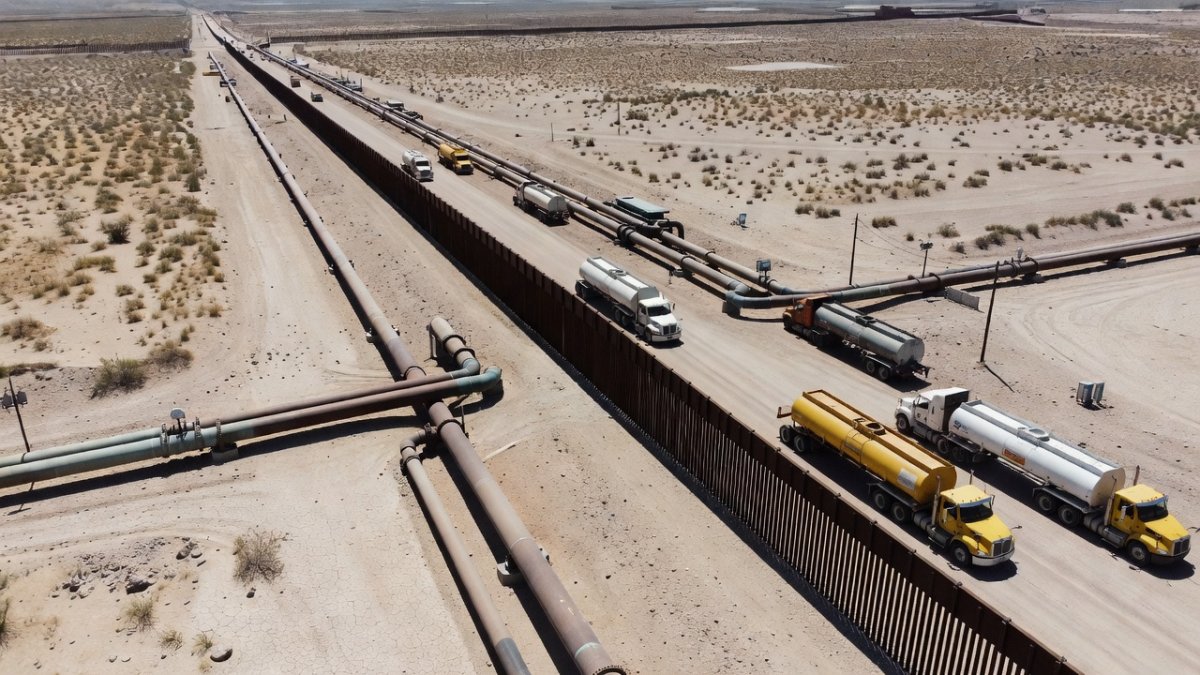
US Treasury and Mexico's UIF Team Up to Target Cross-Border Fuel Theft by the Jalisco Cartel
The U.S. Department of the Treasury's Office of Foreign Assets Control has sanctioned two Mexican individuals and nine entities allegedly involved in a fuel theft scheme linked to the Jalisco New Generation Cartel. This coordinated action with Mexico's Unidad de Inteligencia Financiera brings renewed attention to how such activities touch everyday life in Mexican colonias and rural communities.
Details of the Sanctions Issued on Tuesday
The U.S. Department of the Treasury's Office of Foreign Assets Control (OFAC) has sanctioned two Mexican individuals and nine entities allegedly involved in a fuel theft scheme linked to the Jalisco New Generation Cartel (CJNG). One of the two individuals sanctioned is Oscar Guillermo Juraidini Silva, who the Treasury Department (Treasury) said is "a key business person facilitating CJNG's fuel theft enterprise." The other is J. Refugio Ruiz Villagomez, who Treasury said "has knowingly smuggled fuel from the United States into Mexico without proper permits."
In a statement issued on Tuesday, Treasury announced sanctions against seven businesses owned by Juraidini, one of which is based in the United Kingdom. The other six businesses are in Mexico, mainly in northern states, and operate in the transportation, financial services and real estate sectors, Treasury said. The two other sanctioned entities are México state-based logistics companies in which Ruiz "plays a role," according to Treasury.
Strong Collaboration Between OFAC, FinCEN and Mexico's UIF
The OFAC sanctions block all U.S. assets of the designated persons and entities. Treasury said on Tuesday that "Today's action reflects strong collaboration between OFAC and FinCEN," the Treasury Department's Financial Crimes Enforcement Network, and was coordinated with various other U.S. authorities. It added that the sanctions "were also developed jointly with the Government of Mexico's financial intelligence unit, the Unidad de Inteligencia Financiera (UIF)."
Treasury Secretary Scott Bessent said Tuesday that the move "highlights the extent to which Mexico's cartels are expanding beyond traditional drug trafficking to generate revenue for their criminal organizations, which continue to traffic deadly drugs that kill Americans."
"Treasury's actions targeting these illicit revenue streams advance the Trump Administration's priority of dismantling these terrorist organizations and making America safe again," he said.
How the Huachicol Scheme Operates Across the Border
In its statement, Treasury said that the CJNG-linked fuel theft scheme involves "cross-border smuggling, falsified customs documents, and shell companies." It aims to "evade Mexican taxes while generating tens of millions of dollars annually for the cartel," Treasury said.
In recent years, Treasury said, "Mexico-based drug trafficking cartels like CJNG have become increasingly involved in the theft, adulteration, and smuggling of hydrocarbons, such as fuel and oil, in schemes colloquially referred to in Mexico as huachicol," or huachicol fiscal — a practice in which fuel brought into the country is mislabeled as waste oil, lubricants, vegetable oil or other liquids to avoid the taxes that apply to fuel.
"These schemes have grown into powerful revenue generators for CJNG through the theft of tens of billions of dollars in lost revenue for the Mexican government and have enabled CJNG campaigns of narcotics trafficking in the United States, violence against Mexican government forces along the U.S. southwest border, and corruption within Mexico," Treasury said.
Effects on Families, Pemex Workers and Local Economies
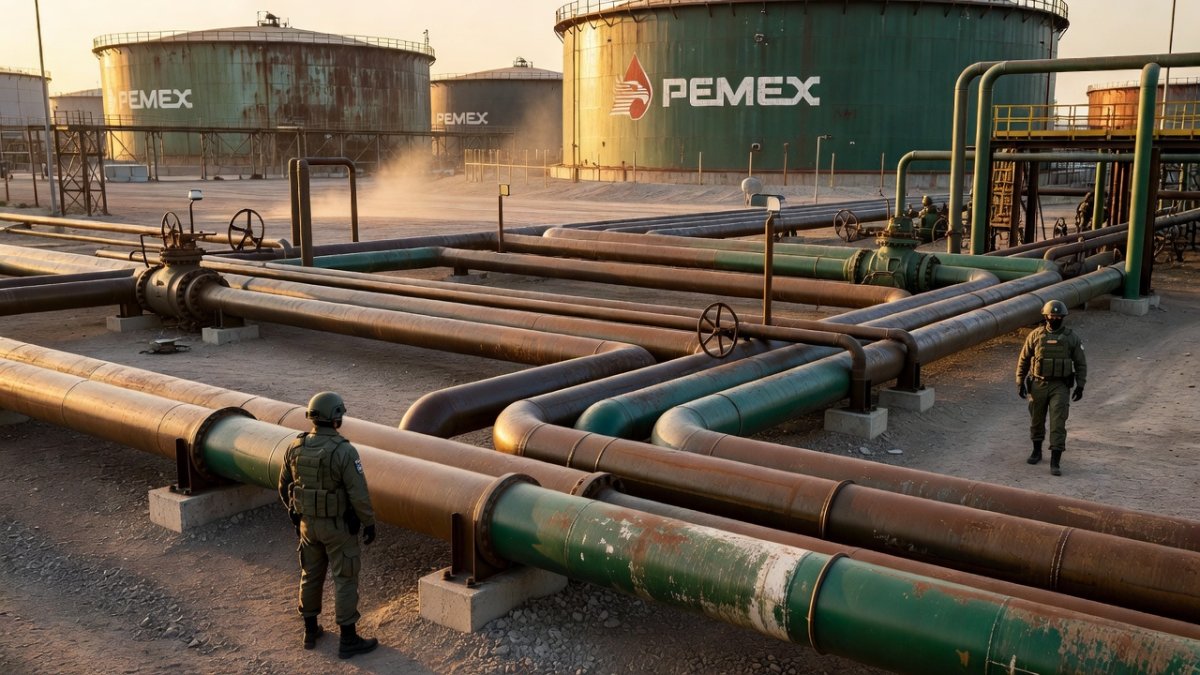
Huachicol-related activities are "currently the most significant non-drug revenue source for Mexican cartels and other illicit actors," Treasury noted. Huachicoleros "use a variety of means to steal fuel and crude oil from Mexico's state-owned energy company, Petróleos Mexicanos (Pemex), including bribing corrupt Pemex employees, illegally drilling taps into pipelines, stealing from refineries, hijacking tanker trucks, and threatening Pemex employees."
Fuel is also brought into the country using "fiscal fuel theft schemes" that "involve Mexico-based cartels and their huachicoleros smuggling gasoline, diesel, naphtha, and other fuel from the United States across the southern border or U.S. ports into Mexico in schemes to evade Mexico's import tax on fuel, known as Impuesto Especial sobre Producción y Servicios (IEPS)," Treasury said.
Communities near pipelines and border crossings often feel the strain when public resources tied to Pemex revenues are diverted. Families in northern states and around gas stations wonder how lost government income might affect local services and jobs at the state oil company.
Profile of the Sanctioned Individuals and Their Operations
Treasury said that Juraidini, a 41-year-old Tamaulipas native, "operates as an accountant and the mastermind behind certain financial operations for CJNG." "Juraidini creates and operates shell companies on behalf of CJNG, and falsifies customs documents for CJNG to aid in the illicit cross-border transfer of fuel," Treasury said.
"Juraidini imports fuel from the United States into Mexico that is intentionally mislabeled in customs documentation to circumvent Mexican IEPS taxes," the department said. "The majority of Juraidini's clients are gas station companies, which receive the refined fuel products and sell them via retail gas stations. Juraidini generates tens of millions of dollars annually, benefiting CJNG."
Treasury said that OFAC designated Juraidini pursuant to two U.S. executive orders "for being owned, controlled, or directed by, or having acted or purported to act for or on behalf of, directly or indirectly, CJNG."
Looking Ahead for Mexican Border Communities
This joint effort between U.S. and Mexican financial intelligence units underscores ongoing work to address revenue losses that ultimately touch ordinary citizens through public services and local economies. Residents in colonias and towns near transportation routes continue to watch how such measures unfold in daily life.
Tags: US Treasury, OFAC, UIF, CJNG, huachicol, Pemex, fuel theft, cross-border smuggling, Scott Bessent, IEPS, Mexican communities
By Rosa Martinez, Staff WriterThis article was produced with AI-assisted research and editorial support. Reporting is based on sources cited in the article.
What's Your Reaction?
 Like
0
Like
0
 Dislike
0
Dislike
0
 Love
0
Love
0
 Funny
0
Funny
0
 Wow
0
Wow
0
 Sad
0
Sad
0
 Angry
0
Angry
0
Latin America/Andes Correspondent at Global1.News. Based in Bogota, covering politics, environment, energy, and social movements across the Andean region. Passionate about environmental journalism and communities protecting their land.














Comments (0)