
US launches strikes inside Iran after Hormuz shipping attack
**Keywords:** US strikes Iran, Strait of Hormuz attack, Donald Trump Iran response, CENTCOM missile sites, Hormuzgan Province explosion, UKMTO cargo vessel, Iran ceasefire violation, Gulf shipping security, energy markets impact, Middle East proxy tensions Incident Details and Immediate Triggers The United States conducted military strikes inside Iran on Friday in direct retali
Incident Details and Immediate Triggers
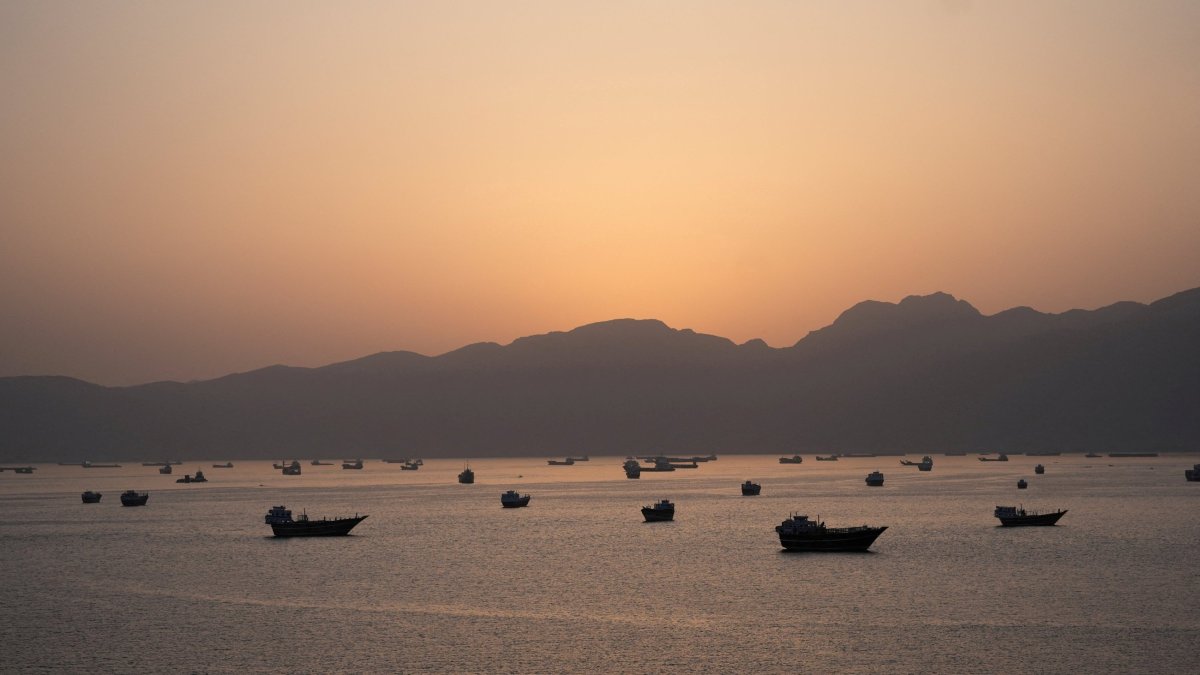
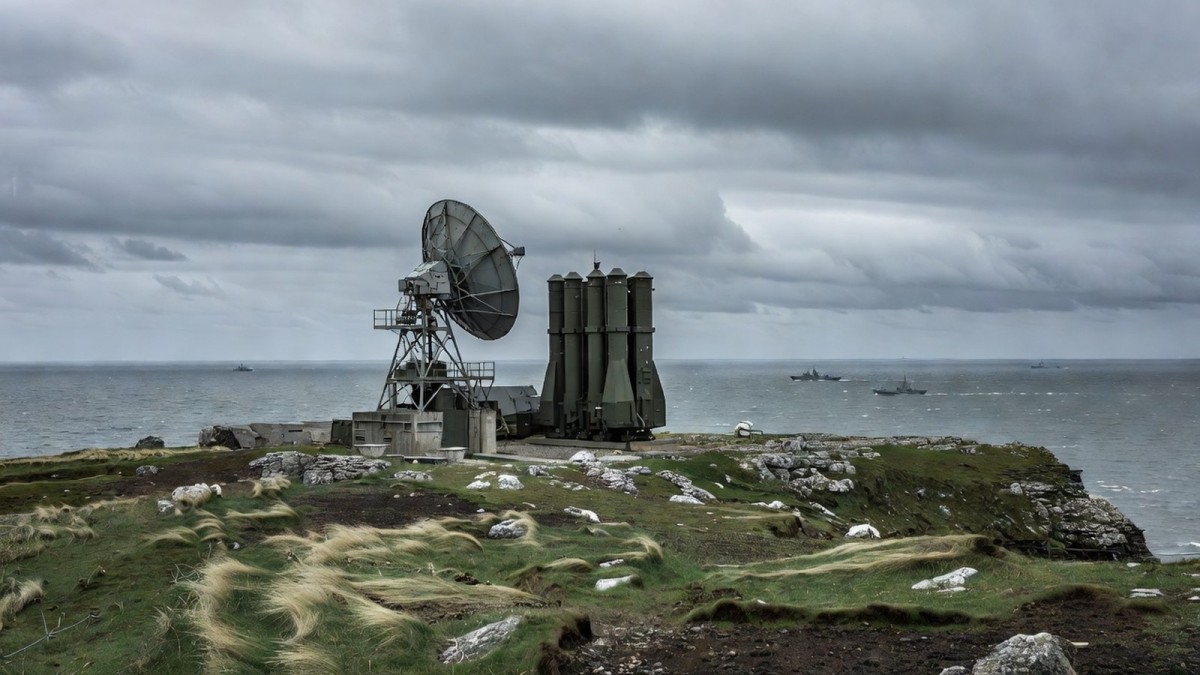
The United States conducted military strikes inside Iran on Friday in direct retaliation for an attack on a commercial vessel in the Strait of Hormuz. U.S. Central Command described the operation as a measured response to the assault, with American aircraft targeting Iranian missile and drone storage sites along with coastal radar facilities. These actions followed reports of damage to a cargo ship, highlighting the vulnerability of one of the world's most critical maritime chokepoints.
According to the source information, the sequence began with an incident reported by the U.K. Maritime Trade Operations center on Thursday. A cargo vessel sustained damage to its bridge from an unknown projectile off the coast of Oman. No casualties or environmental damage resulted from that event, yet it prompted swift American military action the following day.
Presidential Statements and Ceasefire Context
President Donald Trump addressed the matter on his Truth Social platform, stating that Tehran had launched at least four one-way attack drones toward ships. American forces intercepted three of them, while the fourth struck the cargo vessel and caused damage. Trump characterized the incident as a foolish violation of a ceasefire agreement. When questioned by reporters about a potential response, he replied simply that observers would find out.
CENTCOM reinforced this position by labeling the alleged Iranian action as dangerous behavior and unwarranted aggression that clearly violated the ceasefire. The statement underscored the direct link between the shipping incident and the subsequent strikes on storage and radar infrastructure inside Iran.
Iranian Domestic Reporting and Limited Disclosures
Iranian state television reported that an explosion was heard in the city of Sirik in Hormozgan Province, which overlooks the Strait of Hormuz. No further details were provided regarding the source or nature of the blast. This restrained coverage contrasts with the more explicit descriptions issued by U.S. military and presidential channels, illustrating differing narratives around the same events.
The limited information from Iranian sources leaves open questions about the precise impact on the targeted sites. Such opacity is consistent with patterns in which regional actors manage public messaging during periods of heightened tension.
Strategic Calculus for the United States
From the American perspective, the strikes serve to deter further interference with commercial shipping through the Strait of Hormuz. The waterway remains essential for global energy flows, and any sustained disruption carries immediate consequences for oil prices and supply chains. By focusing on missile, drone, and radar assets, the operation aimed to degrade capabilities that could enable additional attacks on vessels.
The decision to respond after the interception of most drones yet the successful strike on one ship reflects a threshold calculation. Allowing even limited success against commercial traffic risks encouraging additional probes. The involvement of CENTCOM indicates a coordinated military approach tied to broader force protection and freedom-of-navigation objectives in the region.
Iranian Leverage and Regional Dynamics
Iran possesses geographic advantages along the Strait of Hormuz that allow it to influence shipping lanes. The reported use of one-way attack drones represents a low-cost method of testing responses while maintaining plausible deniability. The ceasefire violation alleged by U.S. officials suggests that Tehran may have sought to extract concessions or signal resolve amid ongoing diplomatic pressures.
Neighboring states such as Oman, the UAE, and Saudi Arabia monitor these developments closely because their economies depend on secure passage through the same waters. Any escalation risks drawing in additional actors and complicating existing arrangements under frameworks like the GCC. The absence of reported casualties in the initial shipping incident may have limited immediate calls for wider involvement, yet the U.S. strikes introduce new variables into calculations by Gulf capitals.
Energy Markets and Global Ripple Effects
Disruptions in the Strait of Hormuz directly affect OPEC+ production and export strategies. Even temporary threats to tanker traffic can prompt price volatility as traders price in risk premiums. The U.S. response, by targeting storage and radar facilities, seeks to restore deterrence without necessarily triggering a prolonged cycle of exchanges.
Second-order effects include potential adjustments in shipping insurance rates and rerouting decisions by commercial operators. Countries reliant on Hormuz transit, including major Asian importers, will assess whether additional protective measures or diplomatic channels are required. The episode also intersects with wider great-power competition, as Russia and China maintain interests in stable energy flows and may offer alternative mediation avenues.
Outlook and Remaining Uncertainties
The strikes mark a concrete American demonstration of willingness to enforce red lines around maritime security. Yet the source material provides no indication of further planned actions or Iranian counter-moves. Iranian state media's minimal disclosure on the Sirik explosion suggests an effort to control escalation narratives domestically.
Future stability hinges on whether both sides view the current exchange as sufficient to restore deterrence or whether additional incidents test the ceasefire boundaries again. Observers will watch for any shifts in drone or missile activity near the strait and for statements from CENTCOM or the White House that clarify the scope of the response. The episode underscores how localized shipping incidents can rapidly acquire wider strategic significance in the Middle East's interconnected security environment.
By Malik Hassan, Staff WriterThis article was produced with AI-assisted research and editorial support. Reporting is based on sources cited in the article.
What's Your Reaction?
 Like
0
Like
0
 Dislike
0
Dislike
0
 Love
0
Love
0
 Funny
0
Funny
0
 Wow
0
Wow
0
 Sad
0
Sad
0
 Angry
0
Angry
0

Middle East Correspondent at Global1.News. Based in Beirut, covering politics, conflict, energy, and society across the Middle East. Brings context and depth to a region often reduced to headlines.













Comments (0)