
US Strikes Iran After Cargo Ship Attack Threatens Fragile Strait of Hormuz Ceasefire
In a recent BBC News report, the United States launched new military strikes on Iranian positions in the Strait of Hormuz after a drone attack on a Singapore-flagged cargo ship, triggering a sharp escalation that threatens the fragile June 17 ceasefire agreement between Washington and Tehran. US Strikes on Iran After Cargo Ship Attack Threatens Fragile Strait of Hormuz Ceasefir
In a recent BBC News report, the United States launched new military strikes on Iranian positions in the Strait of Hormuz after a drone attack on a Singapore-flagged cargo ship, triggering a sharp escalation that threatens the fragile June 17 ceasefire agreement between Washington and Tehran.
US Strikes on Iran After Cargo Ship Attack Threatens Fragile Strait of Hormuz Ceasefire
Washington, D.C. – 27 June 2026 — The US military conducted air and missile strikes on Iranian coastal positions on Friday after President Donald Trump accused Tehran of a "foolish violation" of the truce following a drone attack on a commercial cargo vessel in the Strait of Hormuz. The strikes, targeting missile and drone storage facilities and coastal radar positions, represent the most serious breach of the 14-point memorandum of understanding signed between the two sides just ten days ago.
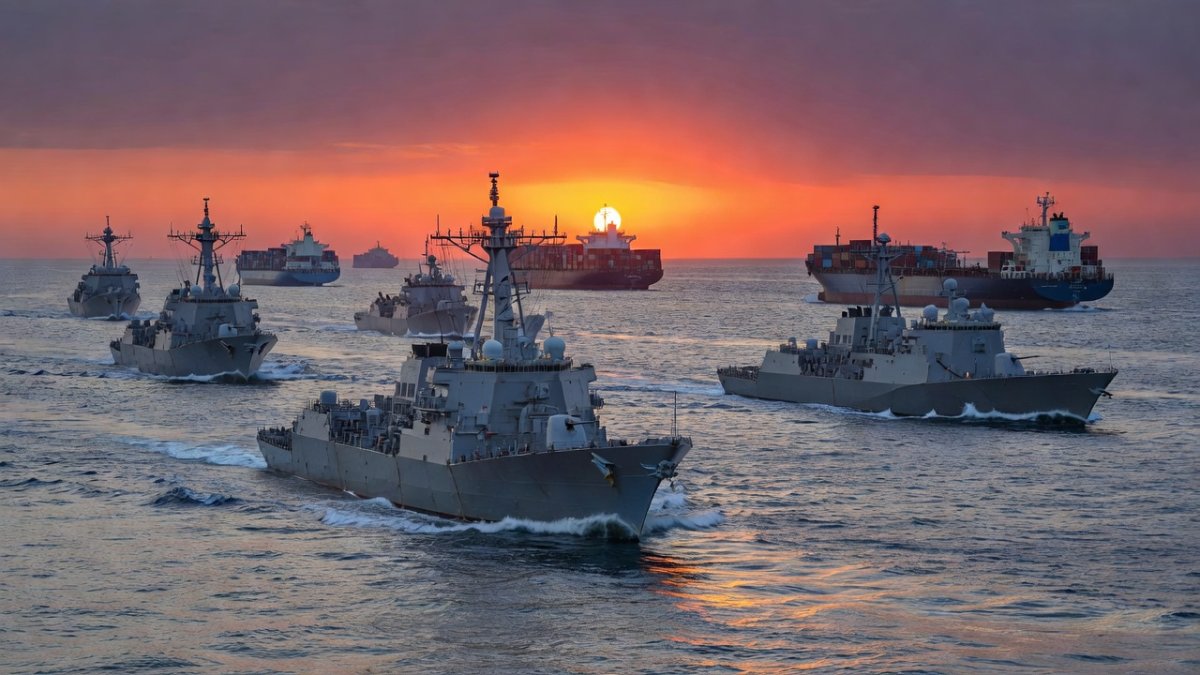
What Triggered the Strikes
The sequence of events began on Thursday when a drone struck the Singapore-flagged cargo ship Ever Lovely approximately 7.5 nautical miles southeast of Oman's port of Dahit. The United Kingdom Maritime Trade Operations issued an immediate notification detailing the incident in the narrow waterway. Evergreen, the vessel's owner, confirmed that all crew members remained safe following the attack. This development directly prompted the International Maritime Organization to pause its ongoing evacuation operations involving more than 11,000 stranded sailors across the region, as the renewed threat made further movements too hazardous. The attack occurred amid ongoing diplomatic efforts to stabilize passage through the critical chokepoint after months of prior conflict.
US Central Command responded on Friday with coordinated strikes against Iranian missile and drone storage facilities along with coastal radar positions. Centcom described the operation as a powerful response and stated that Iran's action clearly violated the ceasefire. Officials emphasized continued commitment to coordinating safe passage for commercial traffic despite the heightened tensions. Vice President JD Vance reinforced the administration's position by noting that violence will be met with violence. President Trump separately remarked that he did not like the fact that they took a shot yesterday and that they should not be doing that. These statements from Washington framed the strikes as a necessary measure to deter further violations while preserving the broader framework for navigation in the Strait of Hormuz.
Iran's Response and Retaliation
Iran's Islamic Revolutionary Guard Corps immediately blamed the treaty-breaking US regime for the escalation and asserted that the cargo ship had been targeted for using an unauthorised route through the waterway. The IRGC further claimed it had carried out retaliatory strikes on US military positions in the region. In a direct statement, the IRGC warned that if the aggression is repeated our response will be more extensive than this. The BBC contacted the Pentagon for comment on these Iranian assertions but received no immediate detailed reply beyond prior Centcom releases. This exchange highlights the rapid cycle of accusations now unfolding between the two sides following the initial drone incident.
Ebrahim Azizi, head of the Iranian parliament's national security commission, accused the US of attacking Iran in the middle of negotiations once again and labeled the action a reckless violation of the ceasefire. Chief negotiator Mohammed Bagher Ghalibaf stated that the administration of the Strait of Hormuz will never go back to the way it was before the war. These remarks from Tehran officials underscore Iran's view that the US strikes undermine the recent diplomatic progress and signal a return to more confrontational dynamics in the Gulf. Iranian sources portrayed the original drone action as a defensive measure tied to route compliance rather than an unprovoked breach.
Interpreted through the lens of Iran's internal politics, these exchanges may serve to consolidate the IRGC's institutional standing amid domestic economic pressures, allowing the organization to portray itself as the primary defender of national sovereignty. Observers note that such confrontations can function as unifying mechanisms within Iran's political landscape, potentially shifting attention from internal debates toward external threats and reinforcing the Guard's narrative of resilience against perceived external pressures.
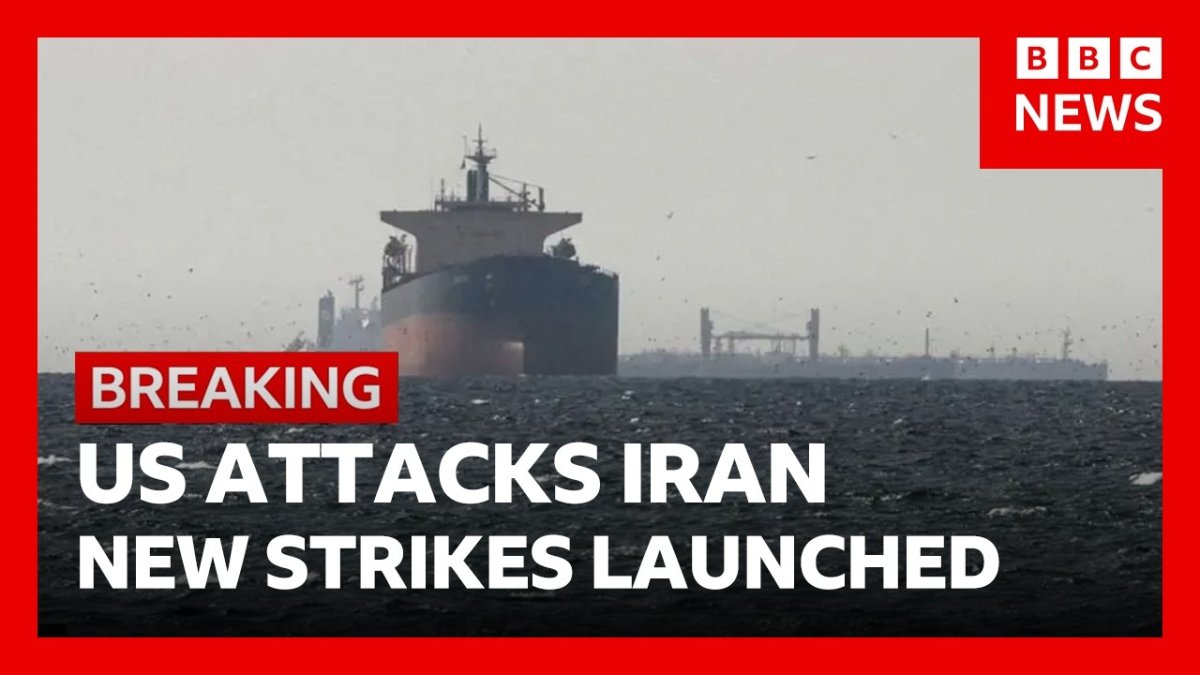
The Ceasefire Framework — A Fragile 14-Point Agreement
The June 17 memorandum of understanding between the United States and Iran established a 14-point framework intended to end active hostilities. A central provision required Iran to use its best efforts for the safe passage of commercial vessels with no charge for 60 days. The agreement emerged as a significant diplomatic step after months of intensifying conflict that originated with US and Israeli attacks on Iranian targets beginning in late February. Both capitals had presented the MOU as a pathway toward reduced tensions, though underlying disputes over navigation rights and regional influence remained unresolved at the time of signing.
Tehran had effectively closed the Strait of Hormuz following the late February attacks, which produced sharp increases in global oil prices and interrupted shipments of fertiliser along with other essential commodities. The MOU aimed to restore freedom of navigation through this vital artery. Omani mediation played a supporting role in the lead-up to the deal, with Foreign Minister Badr Al-Busaidi engaging Iranian officials in Muscat to advance commitments on unrestricted transit. Despite these efforts, the framework's reliance on mutual restraint left it vulnerable to single incidents such as the Thursday drone strike.
Strait of Hormuz — The Global Economic Chokepoint
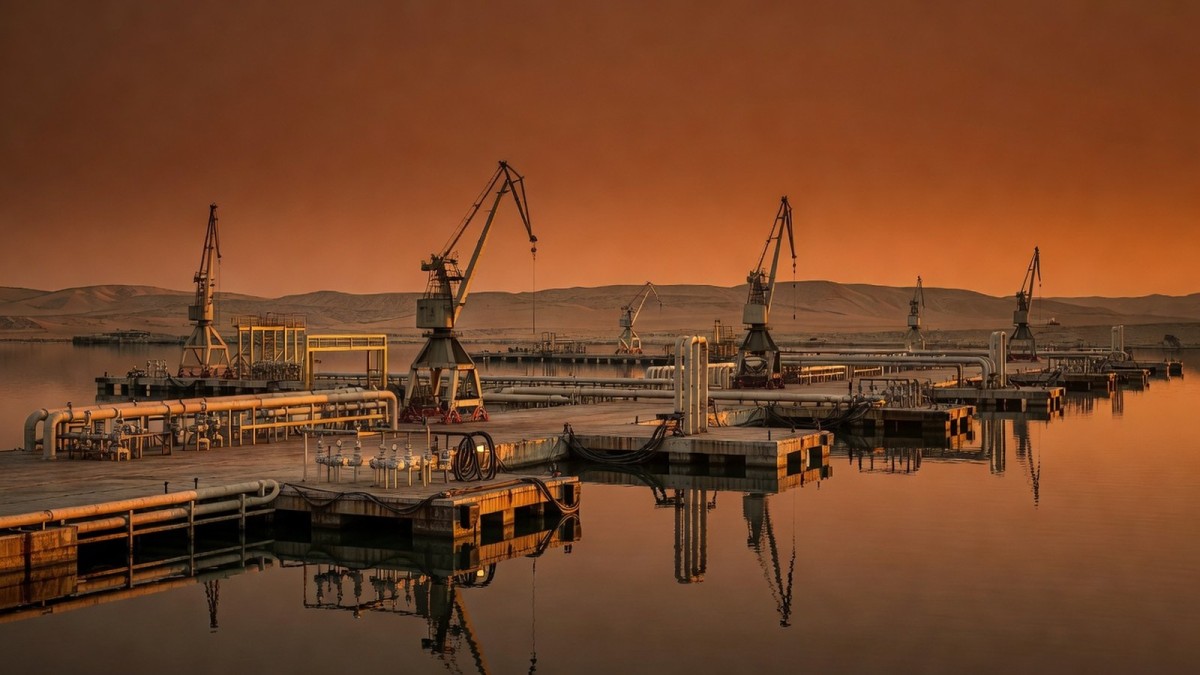
The Strait of Hormuz serves as a strategic passage where approximately 20 percent of the world's oil transits through a waterway only 33 kilometres wide at its narrowest point. Any sustained disruption sends immediate shockwaves through global energy markets and supply chains dependent on Middle Eastern exports. Omani Foreign Minister Badr Al-Busaidi had committed to toll-free safe passage following his talks with Iranian counterparts in Muscat, reflecting broader international interest in keeping the route open without additional fees or restrictions.
President Trump claimed on Wednesday that Iran had informed the United States there would be no tolls, no insurance costs and no other charges of any kind. He added that if this is false information, negotiations would end immediately. The United States has condemned any reports of Iran imposing fees on tankers, describing such measures as violations of international maritime law. These positions from Washington illustrate the economic stakes tied to the waterway and the administration's insistence on maintaining open access without unilateral Iranian controls.
From an interpretive standpoint, prolonged uncertainty in the Strait could translate into higher energy costs that ripple outward to everyday consumers, manifesting in elevated fuel prices at the pump and increased expenses for goods reliant on maritime transport. Energy security analysts often view such chokepoints as amplifiers of market volatility, where even brief interruptions may compound pressures on household budgets in import-dependent economies and underscore the interconnected nature of global supply chains.
Analysis and Implications
This escalation represents a major test of the Trump administration's Iran strategy. The MOU was supposed to de-escalate the most serious confrontation in the Gulf in decades, but the ceasefire has proven fragile. Analysts suggest that both sides may be testing each other's red lines. The fact that the IMO had to suspend its evacuation of 11,000 stranded sailors underscores the human cost. The coming days will determine whether the ceasefire can be salvaged through diplomacy or whether the region spirals back toward open conflict. Much depends on whether both sides are willing to return to the negotiating table or if Friday's strikes mark the beginning of a new, more dangerous phase in the confrontation. Iranian officials continue to frame their actions as responses to perceived US provocations, while Washington maintains that any attack on commercial shipping justifies a firm reply. The involvement of Oman as a mediator offers one potential channel for renewed talks, yet the rapid exchange of strikes and statements leaves little margin for miscalculation. Global energy markets remain sensitive to further developments, with traders monitoring statements from Centcom and the IRGC for signs of additional movement. The verified sequence of the drone attack followed by targeted US strikes demonstrates how quickly localised incidents can threaten broader agreements in this strategically vital area.
The IMO suspension strands thousands of sailors in hazardous limbo, where extended isolation heightens dangers of inadequate provisions, mental fatigue, and direct exposure to crossfire, illustrating how elite-level brinkmanship imposes tangible human suffering on maritime laborers whose livelihoods depend on uninterrupted safe corridors. Such outcomes underscore the personal stakes embedded in fragile truces.
Interpreted structurally, the episode highlights how fragile diplomatic architectures in the Gulf remain susceptible to rapid reversals, with Oman's established mediation role potentially providing a narrow pathway for de-escalation alongside contributions from other regional actors seeking stability. The risk of broader conflict appears heightened when localized incidents intersect with longstanding strategic rivalries, potentially drawing in wider networks of alliances and complicating efforts to contain spillover effects. From this vantage, the episode may signal a testing phase in which diplomatic history of incremental confidence-building measures faces renewed strain, leaving open questions about whether renewed multilateral engagement can prevent a slide into more entrenched confrontation.
By Irina Volkov, Staff Writer
This article was produced with AI-assisted research and editorial support. Reporting is based on sources cited in the article.
What's Your Reaction?
 Like
0
Like
0
 Dislike
0
Dislike
0
 Love
0
Love
0
 Funny
0
Funny
0
 Wow
0
Wow
0
 Sad
0
Sad
0
 Angry
0
Angry
0
Russia/Eastern Europe Correspondent at Global1.News. Covering Russian politics, energy, security, and the shifting dynamics of the post-Soviet space. Provides clear-eyed analysis on one of the world's most opaque regions.










Comments (0)