
Northern Israeli Cities Unite as 'Next Day 53' Alliance
In a recent i24NEWS report titled "What does India have to do with northern Israeli cities?", journalist Natasha Kirtchuk covered the June 26, 2026 signing event in the Haifa Bay area where 53 local authorities formed the Next Day 53 alliance. The charter binds mayors, regional council heads, and cluster leaders from northern Israel into a single bloc positioned directly along
Northern Israeli Cities Unite as "Next Day 53" Alliance
Haifa, Israel – June 2026 — Fifty-three local authorities from northern Israel signed a joint charter this week establishing the Next Day 53 alliance, an unprecedented city coalition designed to coordinate development along the India-Middle East-Europe Economic Corridor.
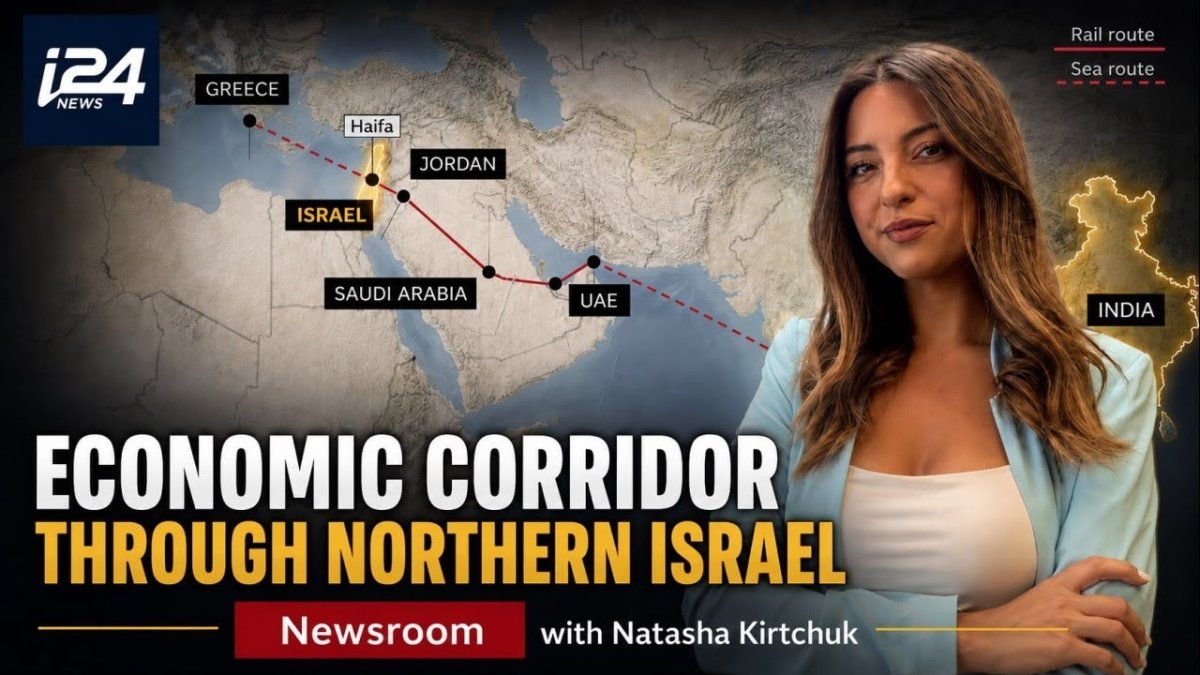
Formation of the Next Day 53 Alliance
The 53 signatories include mayors from Haifa, Acre, Nahariya, Kiryat Shmona, and regional councils such as Mateh Asher and Upper Galilee. They committed to act as one regional bloc rather than approaching the Prime Minister's Office and Knesset Finance Committee separately for budgets.
The charter creates binding mechanisms for joint investment attraction, shared employment zones, and coordinated applications to the Foreign Ministry for international partnerships. Cluster leaders from the Haifa Bay area reported that the group now controls combined municipal assets exceeding 2.8 million residents across Jewish, Arab, Bedouin, and Druze localities.
Link to the IMEC Economic Corridor
The catalyst for the alliance is the IMEC corridor, which routes freight from Indian ports through Gulf state hubs into Haifa port on the Mediterranean before continuing to the Jordanian border crossing at Sheikh Hussein. The 53 municipalities lie directly inside this corridor footprint, not adjacent to it.
Alliance representatives stated they will jointly lobby the Israel Ports Company and the Ministry of Transport for dedicated logistics parks and rail spurs connecting Haifa port to inland industrial zones in the Jezreel Valley and Upper Galilee. This unified approach replaces the previous pattern of individual municipalities competing for the same infrastructure funds.
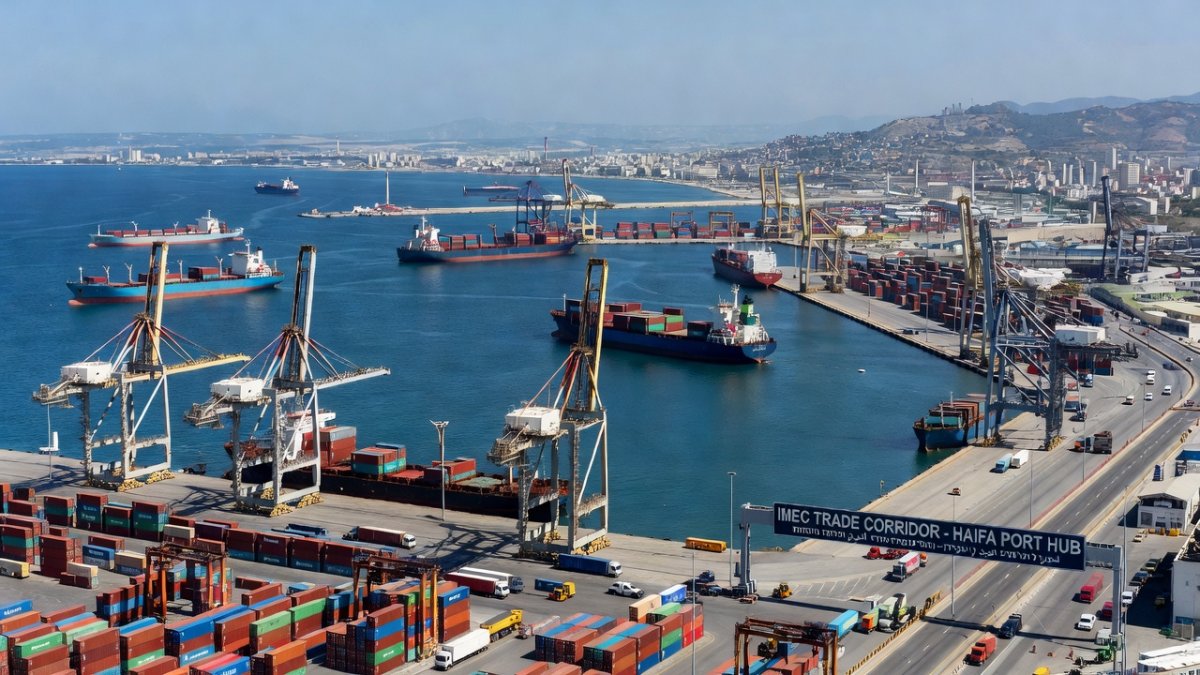
Regional Diversity and Cross-Community Cooperation
The Next Day 53 bloc encompasses Arab municipalities such as Umm al-Fahm and Sakhnin alongside Druze towns including Daliyat al-Karmel and Jewish regional councils. Bedouin communities in the northern Negev extension of the corridor have also joined the charter.
Signatories emphasized that the alliance will pool economic assets across these communities to attract Gulf and Indian investors seeking stable, multi-ethnic development zones. The charter explicitly references cooperation with the IDF Northern Command on security coordination for new industrial sites.
Implications for Israeli Politics and National Development
By speaking with one voice, the 53 authorities gain leverage in budget negotiations with the Finance Ministry and the National Economic Council. The bloc plans to submit unified proposals for the next five-year development plan covering northern infrastructure.
Foreign Ministry officials in Jerusalem noted that the alliance aligns with Israel's diplomatic push to expand trade ties under the IMEC framework signed in 2023. The unified regional voice reduces duplication in overseas trade missions previously conducted separately by Haifa and Acre chambers of commerce.
Forward-Looking Economic and Security Outlook
Alliance leaders project that coordinated planning will accelerate job creation in logistics, manufacturing, and technology sectors tied to the corridor. They intend to establish a joint economic development company registered with the Registrar of Companies by the end of 2026.
Security considerations remain central, with the charter calling for close coordination with Shin Bet and the IDF on protecting critical infrastructure along the Haifa-to-Jordan route. The Next Day 53 model may serve as a template for other regions seeking to capitalize on emerging international trade corridors.
The Next Day 53 alliance marks a structural shift in how northern Israel engages with national decision-makers and international capital flowing through the IMEC corridor. By institutionalizing cooperation across 53 diverse municipalities, the bloc positions the region to capture concrete economic gains from the new Silk Road route while strengthening internal cohesion ahead of future security and development challenges. By Hannah Berg, Staff WriterThis article was produced with AI-assisted research and editorial support. Reporting is based on sources cited in the article.
What's Your Reaction?
 Like
0
Like
0
 Dislike
0
Dislike
0
 Love
0
Love
0
 Funny
0
Funny
0
 Wow
0
Wow
0
 Sad
0
Sad
0
 Angry
0
Angry
0
Israel Correspondent at Global1.News. Based in Tel Aviv, covering Israeli politics, security, technology, and society. Provides balanced, deeply-sourced reporting on one of the most closely-watched regions in the world.











Comments (0)