
US-Iran Peace Deal Eases Hormuz Tensions, Offering India Temporary Energy Relief but Lasting Strategic Questions
On June 14, 2026, Brent crude fell to $89.08 per barrel and WTI to $86.08 after Donald Trump declared the US-Iran peace deal "now complete," ending weeks when prices had surged above $100–120 during Hormuz disruptions. India, which imports 85–89 percent of its crude at roughly 5.5 million barrels per day, watched its energy bill and currency react immediately. The announcement
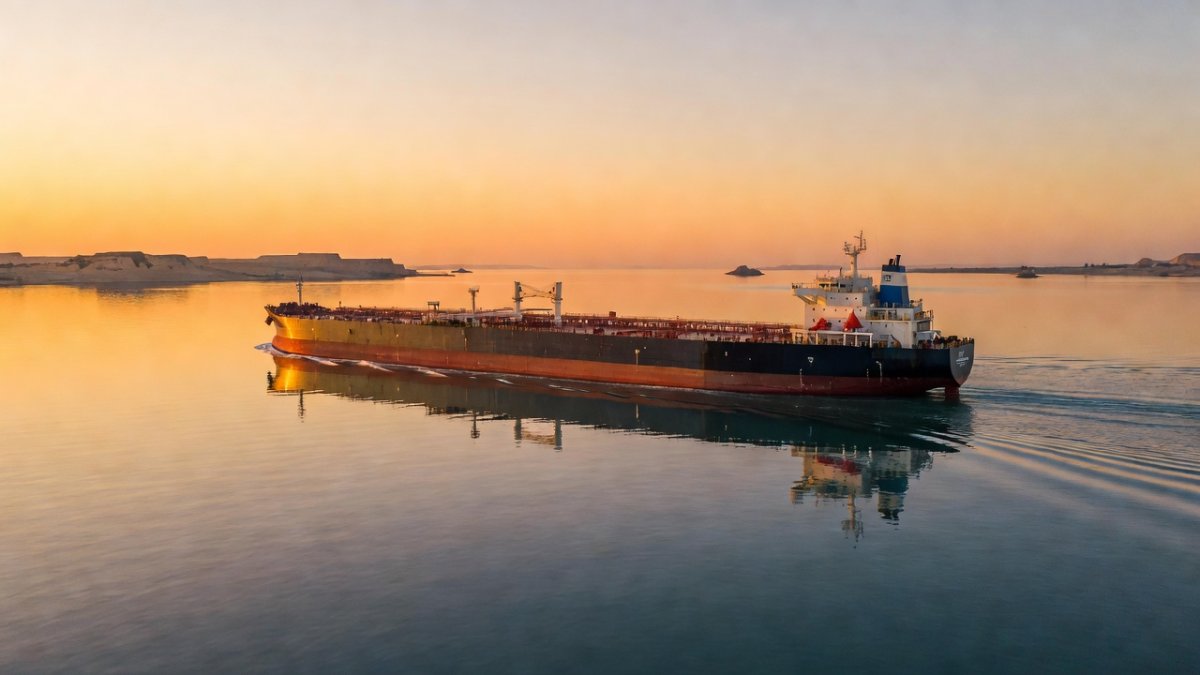
On June 14, 2026, Brent crude fell to $89.08 per barrel and WTI to $86.08 after Donald Trump declared the US-Iran peace deal "now complete," ending weeks when prices had surged above $100–120 during Hormuz disruptions. India, which imports 85–89 percent of its crude at roughly 5.5 million barrels per day, watched its energy bill and currency react immediately. The announcement also confirmed a 60-day extension of the April 8 ceasefire and the lifting of the US naval blockade once the deal is signed on June 19 in Switzerland.
US-Iran Peace Deal Eases Hormuz Tensions, Offering India Temporary Energy Relief but Lasting Strategic Questions
New Delhi – June 15, 2026 — The confirmation by Pakistan Prime Minister Shehbaz Sharif that "a final, agreed-upon text of the peace deal has been reached" marks a pivotal shift for global oil flows and for India's import-dependent economy. Mediators Pakistan, Qatar, Saudi Arabia and Turkey brokered the framework that will reopen the Strait of Hormuz immediately upon signing and require Iran to cease funding Hezbollah and other groups. Nuclear enrichment questions have been deferred to future technical talks, leaving Tehran expressing continued "mistrust" and caution. For Indian policymakers, the immediate data points—lower oil prices, a potential reversal of Russia's near-50 percent share of Indian imports, and the ₹60 LPG cylinder hike recorded in March 2026—demand rapid recalibration of energy security and fiscal planning.
Energy Security: Quantifying the Import Bill Reduction
India's 5.5 million barrels per day import requirement means every $10 drop in Brent saves roughly $20 billion annually. The fall from peaks above $120 to $89.08 therefore represents a potential annual saving of $60–70 billion if prices stabilise. Reopening the Strait of Hormuz removes the chokepoint that forced refiners to pay war-risk premiums and reroute cargoes. The 60-day ceasefire extension provides a narrow window for state-owned companies to renegotiate term contracts with Gulf suppliers before any renewed volatility. Policymakers must now decide whether to lock in these lower prices through strategic petroleum reserve purchases or pass savings directly to consumers via reduced excise duties.
Economic Stabilisation: Rupee, Inflation and Fiscal Space
The rupee's earlier weakening tracked the oil spike and the March 2026 LPG price increase of ₹60 per cylinder. With Brent now at $89.08, the current-account pressure eases, giving the Reserve Bank of India room to defend the currency without depleting foreign-exchange reserves. Lower energy costs also reduce the subsidy burden on the central government, freeing fiscal space estimated at 0.4–0.6 percent of GDP for capital expenditure in infrastructure and health. Taxpayers gain twice: once through cheaper transport fuels and again through potential reallocation of savings into education and primary healthcare schemes that have faced repeated budget cuts during the crisis.
Strategic Rebalancing: Russia's Share and Gulf Re-engagement
During the Hormuz crisis, Russia's share of Indian crude imports climbed to nearly 50 percent, displacing traditional Middle East suppliers. The peace deal and immediate Hormuz reopening allow Indian refiners to restore diversified sourcing from Saudi Arabia and Iraq at competitive rates. This shift reduces over-reliance on discounted Russian barrels that carried secondary-sanction risks. New Delhi's diplomatic capital with the mediators—particularly Pakistan and Saudi Arabia—now carries added weight, positioning India to influence post-deal energy corridors and joint refining projects in the Gulf.
Healthcare and Household Impact: LPG and Public Health Linkages
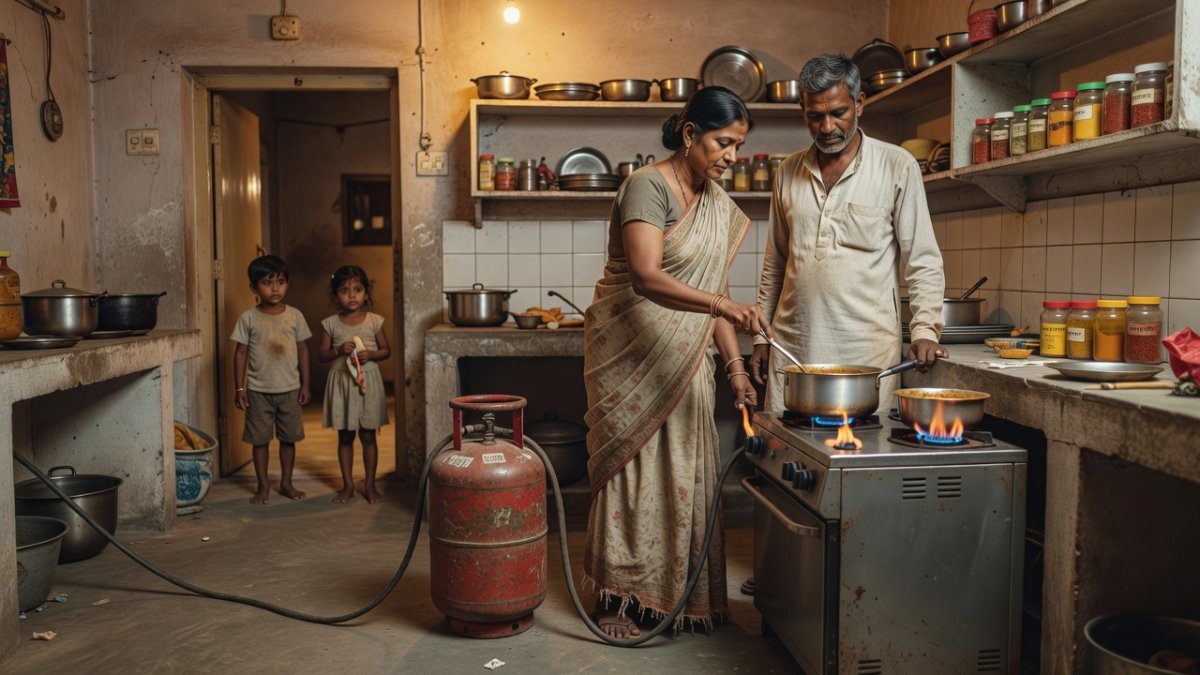
The ₹60 LPG hike in March 2026 directly raised cooking costs for 300 million households and increased indoor air pollution when families switched to biomass. A sustained drop to $89 oil could reverse that trajectory, lowering the delivered price of LPG by ₹40–50 per cylinder within two quarters. Public-health analysts note that reduced household air pollution correlates with lower respiratory-disease incidence, easing pressure on already strained district hospitals. The government's Ujjwala scheme therefore gains breathing room to expand connections without proportional subsidy increases.
Tech and Education Dividends from Fiscal Headroom
Energy savings of tens of billions of dollars can be redirected toward the semiconductor and green-hydrogen missions that require multi-year funding commitments. Lower inflation also protects education budgets, allowing states to maintain teacher recruitment drives and digital-infrastructure rollouts that were deferred during the price spike. Students in engineering colleges stand to benefit from renewed industry-academia partnerships once oil-sector capex resumes in a stable price environment.
The Bottom Line
The June 14 announcement and June 19 signing in Switzerland deliver measurable short-term relief to India's energy import bill and household budgets, yet leave nuclear issues and Iranian mistrust unresolved. Policymakers must convert the 60-day ceasefire window into durable diversification of crude sources, prudent reserve management and targeted fiscal transfers to health and education. The data—$89.08 Brent, 5.5 million barrels daily, Russia's 50 percent peak share—show both the scale of the opportunity and the speed required to lock in gains before any future technical talks falter.
— By Dr. Raj Patel, Staff Writer
This article was produced with AI-assisted research and editorial support. Reporting is based on sources cited in the article.
What's Your Reaction?
 Like
0
Like
0
 Dislike
0
Dislike
0
 Love
0
Love
0
 Funny
0
Funny
0
 Wow
0
Wow
0
 Sad
0
Sad
0
 Angry
0
Angry
0

Caribbean Correspondent at Global1.News. Based in Port of Spain, Trinidad, covering Caribbean politics, economy, energy, climate, and culture. Amplifying the voices and stories of the Caribbean region.













Comments (0)