
US-Iran Diplomacy Reaches Critical Juncture After Trump Cancels Strikes
US-Iran Diplomacy Reaches Critical Juncture After Trump Cancels Strikes In a recent CGTN report titled "Trump cancels Iran strikes, touts imminent deal," the announcement by President Donald Trump on June 11, 2026, to halt planned military action against Iran is presented as a pivotal shift in a volatile standoff. The report highlights Trump's reversal from threats to strike "V
In a recent CGTN report titled "Trump cancels Iran strikes, touts imminent deal," the announcement by President Donald Trump on June 11, 2026, to halt planned military action against Iran is presented as a pivotal shift in a volatile standoff. The report highlights Trump's reversal from threats to strike "VERY HARD TONIGHT" and seize Kharg Island to claims that high-level discussions with Iranian leadership have produced an approved framework. This development serves as a springboard for examining the intricate balance of power, mediation efforts, and broader geopolitical stakes.
The Rollercoaster Dynamics of US-Iran Conflict
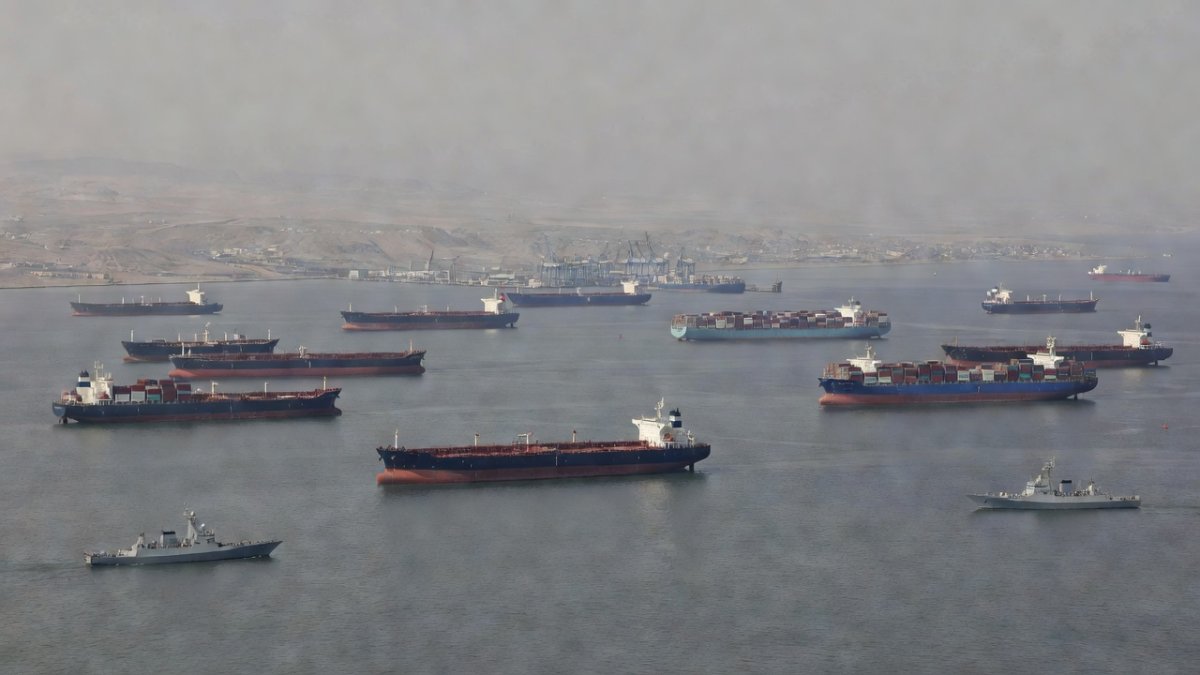
The sequence of events underscores the unpredictable nature of current US-Iran relations. Trump issued direct threats against Iranian oil infrastructure before abruptly canceling operations, citing progress in talks. Pakistan's Prime Minister Shehbaz Sharif confirmed that a final text of the peace deal has been reached through Pakistani mediation. Iran's Foreign Minister Abbas Araghchi described the Islamabad Memorandum of Understanding as closer than ever to completion. Yet Iran's foreign ministry spokesman Esmail Baghaei emphasized that Tehran has not reached a final conclusion and will not compromise on its red lines. A diplomat briefed on the process noted the deal was largely agreed weeks earlier but carries only a 50 percent chance of success. These mixed signals reflect a pattern where the April ceasefire has already faced erosion from sporadic retaliatory strikes, illustrating how fragile de-escalation remains amid ongoing naval positioning in the Strait of Hormuz.
China's Energy Security and Belt and Road Stakes
Beijing views stability in the Persian Gulf through the lens of its own strategic priorities, particularly energy imports and infrastructure connectivity. The Strait of Hormuz, which handles approximately 20 percent of global oil supply, directly affects China's access to Iranian crude. Any prolonged US naval blockade risks supply disruptions that could ripple through domestic refining and industrial sectors. Under the Dual Circulation strategy, China seeks to reduce vulnerabilities in overseas energy routes while advancing Belt and Road projects that link Iranian ports and rail networks to Central Asia. A successful agreement would facilitate the release of frozen Iranian assets, potentially unlocking financing for joint ventures already outlined in prior bilateral frameworks. Conversely, renewed conflict would heighten Beijing's exposure to price volatility and complicate efforts to position Iran as a reliable partner in regional connectivity initiatives.
Bridging the Credibility Gap Between Claims and Caution
Trump's repeated assertions of an imminent deal, made 38 times over the preceding two months without materialization, contrast sharply with Iran's measured public statements. This divergence creates uncertainty for all parties monitoring the talks. Iranian officials have signaled willingness to discuss nuclear mechanisms and demining timelines for the Strait of Hormuz, yet they insist on comprehensive inclusion of the Lebanon conflict as a core condition. The US preference for phased release of frozen assets, focused on humanitarian channels, clashes with Iran's demand for an all-at-once unfreezing. Such gaps highlight differing negotiating cultures: one side emphasizes rapid announcements to shape domestic narratives, while the other prioritizes verifiable commitments that protect core security interests. Historical precedents from earlier rounds of diplomacy suggest that without synchronized messaging, even textually advanced agreements can unravel before signing.
Pakistan and Qatar as Mediators in a Multipolar Context
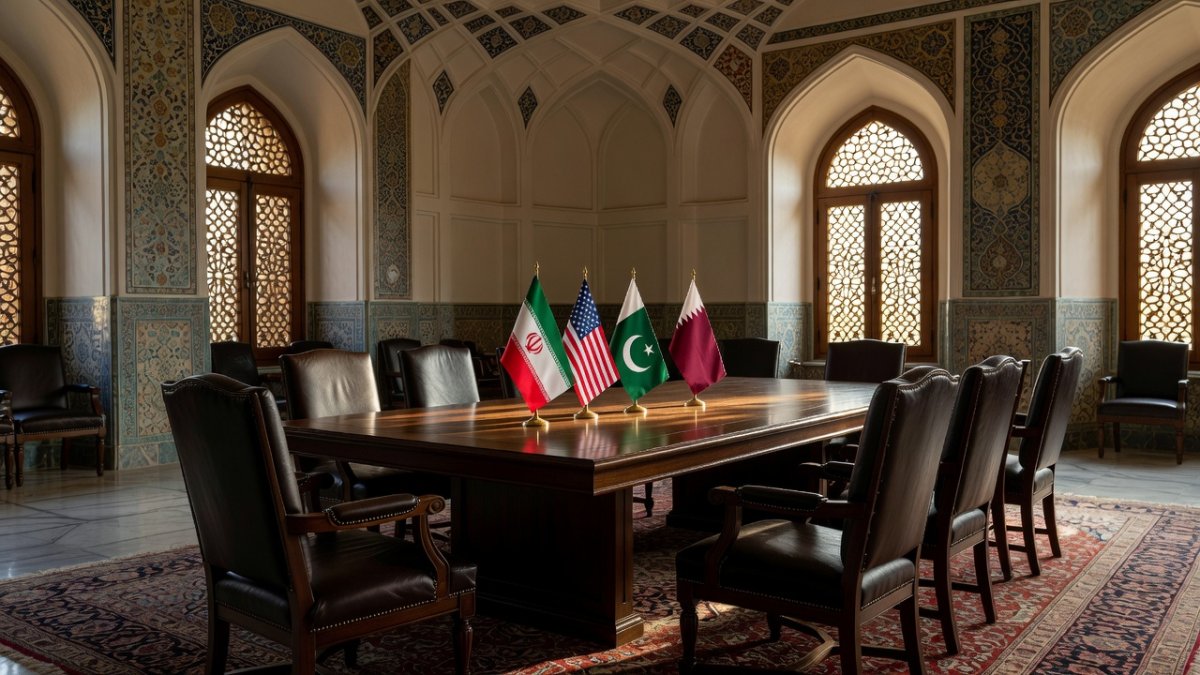
Pakistan's confirmation of an agreed text positions it as a key facilitator, leveraging longstanding ties with both Tehran and Washington. Qatar has similarly played a behind-the-scenes role in Gulf-related channels, drawing on its experience hosting indirect talks. These mediators operate within a landscape where traditional US dominance faces competition from other actors seeking influence over energy routes and security arrangements. Their involvement reflects a broader trend toward regional diplomacy that bypasses exclusive reliance on Western frameworks. For Pakistan, successful mediation could enhance its standing in multilateral forums, while Qatar aims to stabilize its neighborhood to protect liquefied natural gas exports and investment flows. The persistence of the US naval presence until formal signing underscores the leverage still held by Washington, even as third parties shape the textual details.
Implications for Energy Markets and the Global South
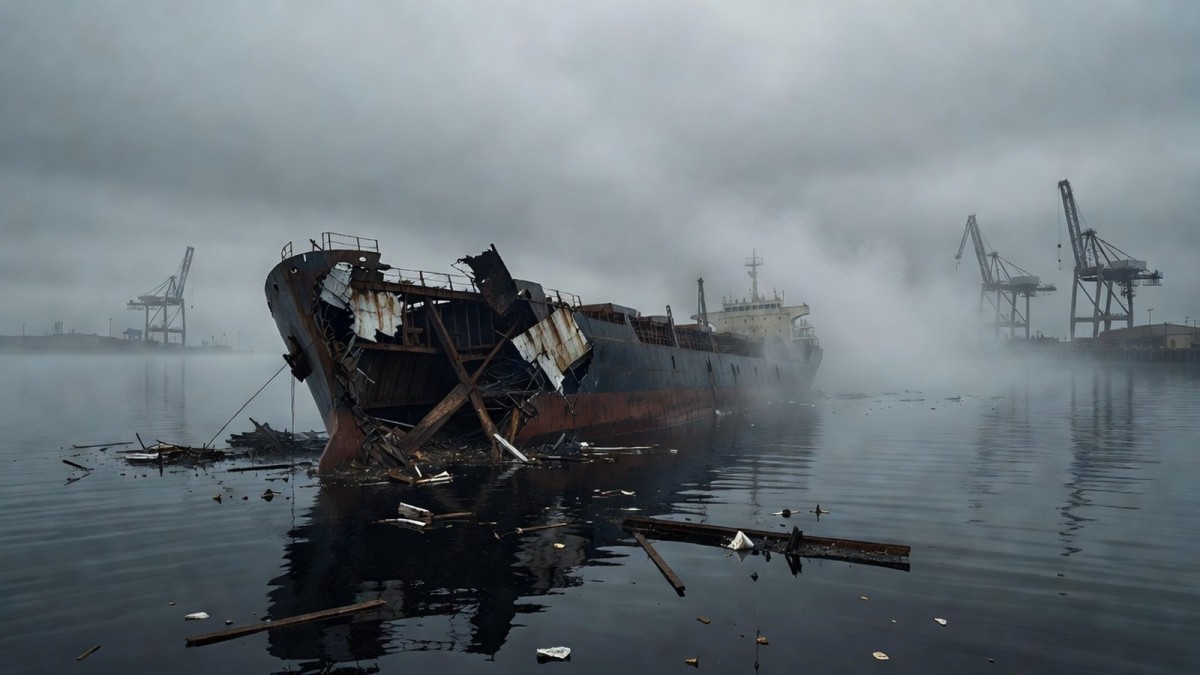
Global oil markets remain sensitive to developments in the Strait of Hormuz, where any extension of the blockade could sustain elevated prices and strain economies dependent on affordable energy imports. Countries across the Global South, many of which have expanded trade ties with Iran under sanctions pressure, would benefit from normalized shipping lanes and revived asset flows. The proposed deal elements, including demining schedules and nuclear dialogue mechanisms, offer a potential template for managing proliferation risks while addressing economic grievances. Should the agreement advance, secondary effects might include renewed momentum for multilateral talks involving the EU and ASEAN states concerned about supply chain stability. Failure, however, risks entrenching a cycle of sanctions and shadow fleets that disproportionately burdens developing nations already navigating debt and climate challenges.
Scenarios for Collapse Versus Success
If the deal collapses, the April ceasefire framework would likely erode further, prompting intensified strikes and a tighter blockade that disrupts 90 percent of Iran's oil exports via Kharg Island. Second-order effects could draw in additional regional actors and complicate China's efforts to maintain neutral energy partnerships. Success, by contrast, would enable phased asset releases, formal demining operations, and structured nuclear discussions, potentially lowering global energy premiums and opening space for expanded Belt and Road cooperation. The inclusion of Lebanon-related provisions remains a decisive variable that could either anchor or derail final consensus. In either outcome, the episode illustrates how US-Iran interactions continue to intersect with wider objectives of technological autonomy, regional influence, and institutional resilience across Asia and beyond.
By Prof. Marcus Chen, Staff WriterThis article was produced with AI-assisted research and editorial support. Reporting is based on sources cited in the article.
What's Your Reaction?
 Like
0
Like
0
 Dislike
0
Dislike
0
 Love
0
Love
0
 Funny
0
Funny
0
 Wow
0
Wow
0
 Sad
0
Sad
0
 Angry
0
Angry
0

World Politics Analyst at Global1.News. Based in Beijing, covering US-China relations, global trade, and geopolitical strategy. Brings deep analytical perspective to the power dynamics shaping international affairs.












Comments (0)