
US-Iran Peace Deal: Strait of Hormuz Reopens in 60-Day Ceasefire
The Deal That Shook the World Folks, buckle up because June 14, 2026 just flipped the script. President Trump confirmed what Pakistan's Prime Minister Shehbaz Sharif had already announced: a peace deal with Iran. Not a ceasefire extension. Not a pause for more talks. A deal. After months of war that sent oil prices skyrocketing and had the entire Middle East on a knife's edge,
The Deal That Shook the World
Folks, buckle up because June 14, 2026 just flipped the script. President Trump confirmed what Pakistan's Prime Minister Shehbaz Sharif had already announced: a peace deal with Iran. Not a ceasefire extension. Not a pause for more talks. A deal. After months of war that sent oil prices skyrocketing and had the entire Middle East on a knife's edge, we're looking at a 60-day ceasefire, the reopening of the Strait of Hormuz, and a formal signing ceremony scheduled for June 19 in Switzerland. The timeline traces back to initial US strikes on Iranian nuclear sites in early March, followed by Iran's swift blockade of the Strait, an April truce that halted active fighting, and weeks of intense backchannel diplomacy leading to this breakthrough announcement. Here's the thing, though — this deal raises as many questions as it answers, and I'm not about to let anyone gloss over the fine print. Let's dig in.
The announcement came amid mounting global pressure as energy markets teetered on collapse and shipping companies rerouted vessels around Africa at enormous cost. Trump emphasized that the agreement represents a pragmatic pause rather than a permanent resolution, highlighting how the 60-day window allows for further negotiations on unresolved issues. Observers note that the rapid progression from battlefield to bargaining table underscores the exhaustion felt by all parties after sustained aerial campaigns and proxy clashes across multiple borders.
What's Actually in the Agreement?
Folks, let's cut through the headlines and look at what's really on the table here. The 60-day ceasefire stops all military ops across every front, including Lebanon, which is a bigger win than folks might realize at first glance. The Strait of Hormuz reopens with Trump promising it'll be "toll free," and the US is ending its naval blockade of Iranian ports right away. Iran has agreed not to produce or acquire nuclear weapons during this window, and the US is waiving oil sanctions for a set period to get things moving. Specific clauses also mandate daily monitoring by international observers to verify compliance with the naval withdrawal and weapons restrictions.
Here's the real deal though — $25 billion of Iran's frozen assets get released as part of the package. That money could ease some pressure on their economy, but you know I'm not letting that slide without questions. The catch is that the thorniest nuclear issues get kicked down the road for later talks, which means this agreement buys time more than it solves the core problems. Economists estimate the release could stabilize Iran's rial currency by 15 to 20 percent in the short term while freeing up funds for infrastructure projects stalled since the sanctions intensified in 2024.
I'm telling you straight, this leaves plenty of room for both sides to claim victory while the hard stuff waits. The ceasefire and sanctions relief sound good on paper, yet without locking down the nuclear file now, we're all left wondering what happens when the 60 days run out. Keep your eyes on those details because they matter for everyone watching oil prices and regional stability. Additional provisions include joint humanitarian corridors for displaced civilians in border regions and commitments to exchange prisoners within the first 30 days.
Behind the Mediation
Pakistan's Prime Minister Shehbaz Sharif took the lead as mediator, and that choice makes more sense once you dig into the relationships at play. Qatar, Saudi Arabia, and Turkey all joined the effort, turning the Islamabad Talks into a real regional push. Pakistan brings nuclear capability to the table along with solid ties to both the US as an ally and Iran as a neighbor sharing a border and cultural connections that run deep. Sharif's personal diplomacy leveraged longstanding intelligence-sharing channels with Tehran while maintaining Washington's trust through counterterrorism cooperation.
Let me tell you why this matters. Saudi Arabia's involvement signals they're backing the deal even with their long rivalry with Iran, which shows how much everyone wants to avoid another escalation. The talks in Islamabad gave all parties a neutral spot to hash things out without the usual Washington or Tehran spotlight. Qatar facilitated financial logistics for the asset release discussions, while Turkey provided security guarantees for the proposed Swiss signing venue.
Here's the thing though — these mediators had skin in the game from day one. Pakistan's dual relationships helped bridge gaps that others couldn't, and the result is a ceasefire that actually got signed. Still, the question remains how long those alliances hold once the cameras leave Switzerland. Analysts point out that the coalition's success hinged on quiet assurances regarding energy export quotas once the Strait reopens.
The War That Brought Us Here
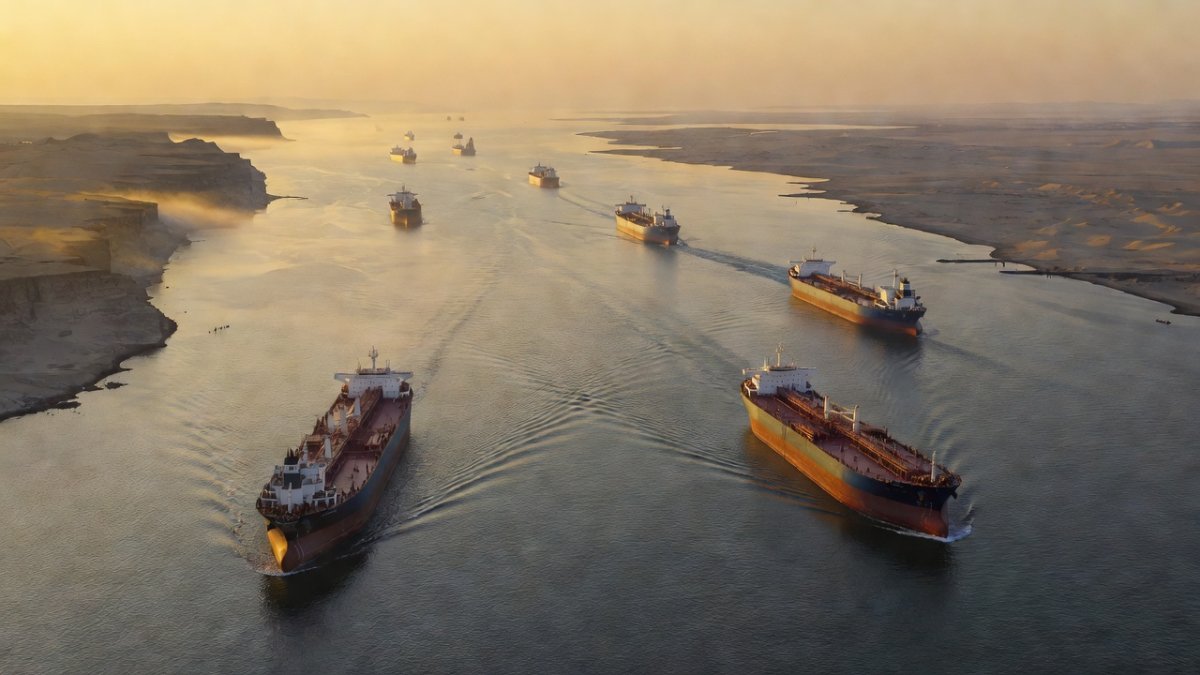
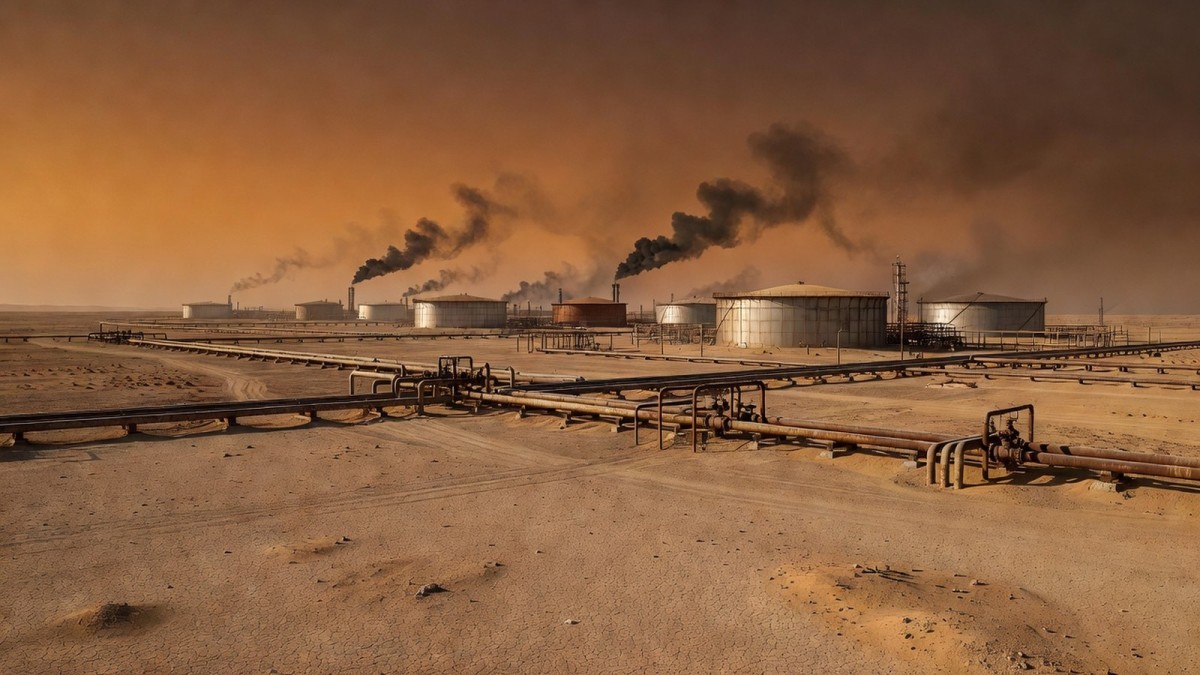
The 2026 Iran war, or what some are calling the Twelve-Day War, started when the US struck Iranian nuclear facilities and Iran responded by blockading the Strait of Hormuz. Oil prices doubled overnight, global shipping ground to a halt, and the entire region sat on a powder keg. An April ceasefire gave everyone breathing room to start negotiations, but the damage was already done. The blockade choked off roughly 20 percent of the world's oil supply, forcing tankers to detour around the Cape of Good Hope and adding weeks to delivery schedules for European and Asian refineries.
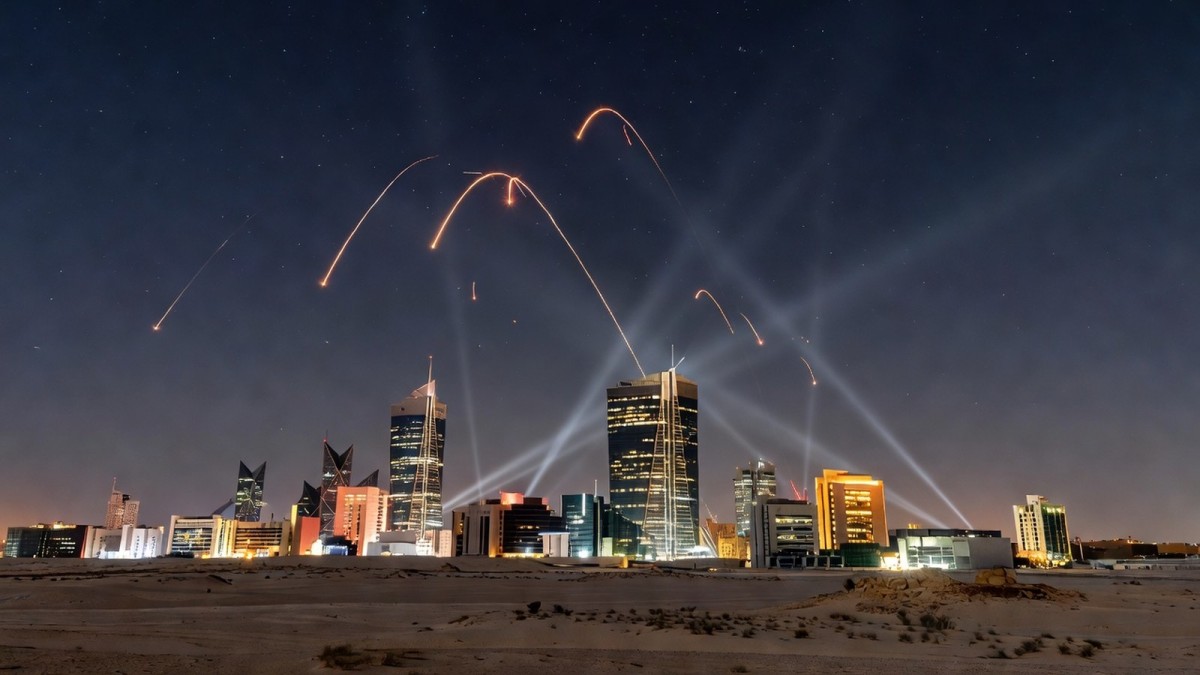
Israel's concerns about Iran's nuclear ambitions sat at the center of the conflict, and tens of thousands of casualties piled up while Washington press briefings stayed focused on strategy. The human cost rarely gets the airtime it deserves, yet families on both sides are still dealing with the fallout from those intense days of fighting. Israeli officials repeatedly warned that any deal ignoring enrichment limits would leave their borders vulnerable to missile strikes from Iranian-backed groups in Lebanon and Syria.
I'm not sugarcoating this — the war exposed how quickly things can spiral when nuclear fears and shipping lanes collide. That April pause bought time, but it also showed the world how fragile any deal remains when so many lives hang in the balance. The road to June 19 started in those chaotic weeks, and we can't forget what it took to get here. Proxy battles in Yemen and Iraq further complicated the timeline, drawing in additional regional actors before the initial truce took hold.
What This Means for Your Wallet
Oil prices are expected to drop significantly now that the Strait of Hormuz is reopening and sanctions are easing. That should bring some relief at the pump for drivers across the country, and global markets are already reacting with a bit more optimism than we've seen in months. Shipping lanes stabilizing means supply chains can start moving again without the constant threat of disruption. Analysts project a potential 30-cent-per-gallon decline in US gasoline averages within two weeks if compliance holds.
Here's the catch though — experts warn the relief might be temporary if the deal's long-term terms stay unclear. Inflation could still bite if energy costs swing back up once the 60-day period ends. Folks watching their grocery bills know that oil doesn't stay cheap without real guarantees behind it. European economies, heavily reliant on Middle Eastern crude, stand to see manufacturing costs fall faster than in the United States due to shorter tanker routes.
Let me tell you, this week is the time to track gas prices closely because they'll tell us whether the deal delivers or just delays the next spike. Supply chains reopening helps, yet without clarity on what comes after the ceasefire, your wallet stays on notice. Keep an eye on those numbers and don't assume the good news lasts forever. Retail sectors tied to imported goods are already adjusting inventory forecasts in anticipation of lower freight rates.
The Hard Questions Nobody's Answering
What happens with Iran's nuclear program after the 60 days? That's the question hanging over everything, and nobody at the table seems eager to answer it yet. Israel's security concerns never got a seat at the negotiations, which leaves a major player sidelined and potentially unhappy with the outcome. The proxies in Yemen, Syria, and Lebanon could still stir trouble even if the main ceasefire holds. Israeli leaders have publicly stated they reserve the right to conduct independent operations if enrichment activities resume unchecked.
The $25 billion release raises its own flags. Critics argue it could fund Iran's military programs, while supporters point out it's Iran's own money frozen since 1979. Either way, transparency on where those funds go will decide if this deal builds trust or just kicks the can down the road. Past asset releases have shown mixed results, with portions historically allocated to domestic subsidies rather than weapons development.
I'm asking the questions because the fine print matters. Is this real peace or just a pause before the next round? Without clear answers on the nuclear file and regional actors, the risk stays high that June 19 becomes another photo op instead of lasting progress. Monitoring mechanisms for the asset disbursement remain vague, leaving room for disputes over verification procedures.
What Comes Next
The June 19 signing in Switzerland will put everything on display, but Congress will want oversight before any long-term commitments stick. Israel's response could shape how the region reacts, and oil markets will keep watching every statement that comes out of the ceremony. For ordinary Americans, the simplest move is to watch gas prices this week and see if the drop actually shows up at the pump. Lawmakers are already scheduling closed-door briefings to review classified annexes tied to the agreement.
Here's the real deal — hope is one thing, but action steps matter more. Track your local fuel costs, follow updates on the nuclear talks, and stay informed on how the proxies behave once the initial glow fades. The world needs this to hold, yet it won't without pressure from every side. Regional powers are preparing contingency plans should the 60-day period expire without further progress on enrichment limits.
Folks, the next few weeks will show whether this ceasefire turns into something bigger or just another headline. Check reliable sources daily, talk to your representatives about oversight, and keep an eye on the Strait of Hormuz reports. That's how we make sure the deal works for everyone instead of just the people in the room. Continued diplomatic engagement by the original mediators will prove essential in bridging remaining gaps before the window closes.
By Jessica Ali, Global 1 News
This article was produced with AI-assisted research and editorial support. Reporting is based on sources cited in the article.
What's Your Reaction?
 Like
0
Like
0
 Dislike
0
Dislike
0
 Love
0
Love
0
 Funny
0
Funny
0
 Wow
0
Wow
0
 Sad
0
Sad
0
 Angry
0
Angry
0

Editor-in-Chief at Global1.News. Atlanta-based journalist who cuts through the BS and tells it like it is. Lead anchor, host, and the voice you hear when the spin stops and the truth starts.











Comments (0)