
US Retail Sales Drop 1% in March as Consumers Pull Back
Retail spending fell in March as consumers pull back The Sharp March Decline in Retail Sales US retail sales dropped 1 percent in March from February, according to the Commerce Department report released on April 14. That decline exceeded the 0.4 percent drop economists had forecast and marked a steeper pullback than the revised 0.2 percent decline recorded the month before. Sa
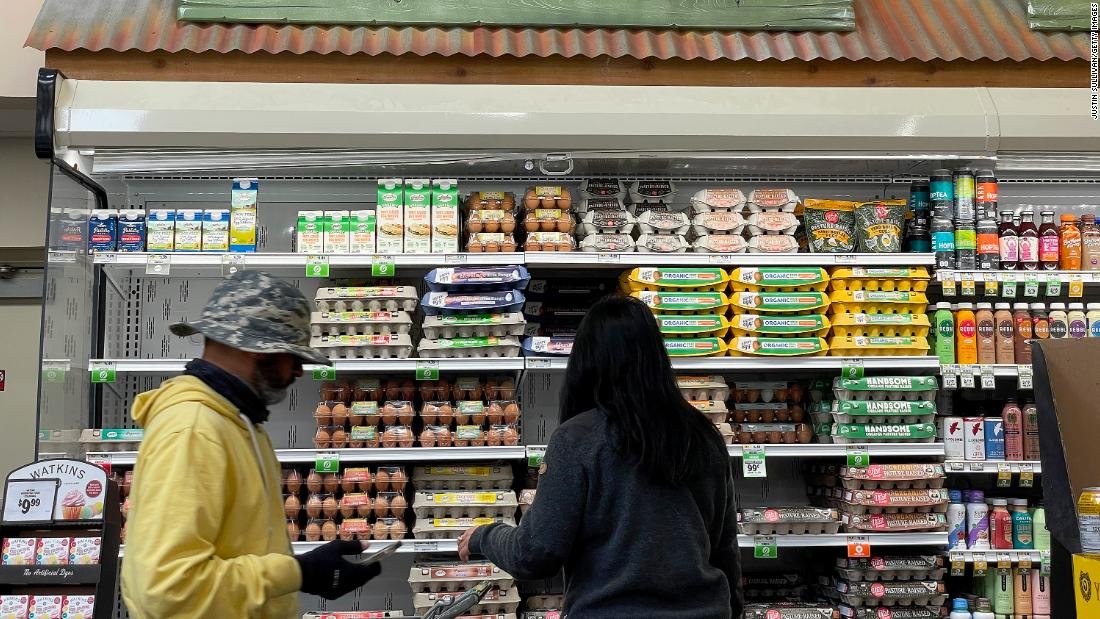
The Sharp March Decline in Retail Sales
US retail sales dropped 1 percent in March from February, according to the Commerce Department report released on April 14. That decline exceeded the 0.4 percent drop economists had forecast and marked a steeper pullback than the revised 0.2 percent decline recorded the month before. Sales figures, adjusted for seasonality but not inflation, showed clear weakness at general merchandise stores, which fell 3 percent, and at gas stations, where spending plunged 5.5 percent.
Even after stripping out gas station sales, retail spending still retreated 0.6 percent month over month. Year-over-year growth remained positive at 2.9 percent, yet the monthly contraction signals consumers are tightening their wallets amid recession fears sparked by the banking crisis. This pullback was not an isolated blip but a direct response to reduced cash flow from smaller tax refunds and the end of pandemic-era support programs.
Smaller Tax Refunds Hit Spending Hard
The IRS issued 84 billion dollars in tax refunds during March, roughly 25 billion dollars less than the amount distributed in March 2022. That shortfall left households with less discretionary income precisely when many rely on refunds for big-ticket purchases. Spending at department stores and on durable goods such as appliances and furniture suffered as a direct result.
Bank of America analysts linked the weaker numbers to this refund gap, noting that March typically serves as a key month for tax-return-driven spending. Aditya Bhave, senior US economist at BofA Global Research, stated that some consumers likely expected refunds similar in size to last year and adjusted their budgets downward when those checks came up short. The data leaves little doubt that the refund shortfall translated into measurable restraint at the register.
Expired Benefits and Moderating Wage Growth Add Pressure
Enhanced pandemic-era SNAP benefits expired in February, removing another source of support just as tax refunds shrank. Credit and debit card spending per household tracked by Bank of America researchers slowed to its weakest pace in more than two years. That moderation reflected the combined drag from smaller refunds, lapsed food assistance, and cooling wage gains.
Average hourly earnings rose 4.2 percent in March from a year earlier, down from the prior month's 4.6 percent annualized increase and the smallest annual gain since June 2021. The Employment Cost Index has likewise shown pay gains moderating over the past year. These trends together squeezed household budgets and contributed to the broad-based retail sales decline observed last month.
Labor Market Remains Solid Despite Cooling Momentum
Employers added 236,000 jobs in March, a figure that still qualifies as robust by historical standards even though it fell below the average monthly pace of the prior six months. The JOLTS report showed job openings remained elevated in February yet stood more than 17 percent below the March 2022 peak of 12 million. This combination points to a labor market that is losing steam but has not yet cracked.
Michelle Meyer, North America chief economist at Mastercard Economics Institute, emphasized that income growth, household balance sheets, and labor market health continue to favor the consumer overall. The solid job count provides a buffer that could sustain spending in coming months even as other headwinds mount. Any further cooling in hiring, however, would test that resilience quickly.
Consumer Sentiment Holds Steady but Inflation Fears Rise
University of Michigan consumer sentiment worsened slightly in March amid the bank failures, then held steady in April. Year-ahead inflation expectations jumped a full percentage point to 4.6 percent in April from 3.6 percent in March, driven in part by higher gas prices. Joanne Hsu, director of the surveys of consumers at the University of Michigan, noted that consumers did not perceive material changes in the economic environment in April yet are clearly expecting a downturn.
Hsu added that sentiment is not as dismal as last summer, but households appear to be waiting for the other shoe to drop. This cautious outlook aligns with the observed retail sales weakness and suggests spending restraint could persist even if the labor market avoids a sharp contraction.
Fed Recession Outlook and Path Ahead
Federal Reserve economists had already projected subdued growth with recession risks before the collapses of Silicon Valley Bank and Signature Bank. They now anticipate the economy will tip into recession later this year as the lagged effects of higher interest rates take hold. The March retail sales report reinforces that view by showing how quickly consumers respond when cash flow tightens.
While year-over-year sales still grew, the monthly contraction highlights vulnerability. Policymakers will watch whether the still-healthy job market can offset these pressures or whether further cooling in hiring accelerates the pullback. The data from March leaves the consumer in a holding pattern, supported by employment but squeezed by refunds, benefits, and wages that are no longer accelerating.
By Jessica Ali, Staff WriterThis article was produced with AI-assisted research and editorial support. Reporting is based on sources cited in the article.
What's Your Reaction?
 Like
0
Like
0
 Dislike
0
Dislike
0
 Love
0
Love
0
 Funny
0
Funny
0
 Wow
0
Wow
0
 Sad
0
Sad
0
 Angry
0
Angry
0

Editor-in-Chief at Global1.News. Atlanta-based journalist who cuts through the BS and tells it like it is. Lead anchor, host, and the voice you hear when the spin stops and the truth starts.














Comments (0)