
US-Iran Deal Includes Lebanon: Hezbollah Ceasefire Impact
The recent US-Iran memorandum of understanding emerges at a pivotal moment when nuclear diplomacy intersects with proxy conflicts across the Levant and Gulf, reshaping alliances that have defined Middle East security for more than a decade. This framework directly ties Iran's nuclear program to Hezbollah's operational constraints in Lebanon, while Gulf states seek to curb Tehra
The recent US-Iran memorandum of understanding emerges at a pivotal moment when nuclear diplomacy intersects with proxy conflicts across the Levant and Gulf, reshaping alliances that have defined Middle East security for more than a decade. This framework directly ties Iran's nuclear program to Hezbollah's operational constraints in Lebanon, while Gulf states seek to curb Tehran's regional reach through coordinated economic incentives. The outcome will determine whether fragile ceasefires hold or fracture under renewed tensions involving Israel and its northern neighbour.
US-Iran MOU Links Nuclear Talks to Lebanon Ceasefire in Strategic Shift for the Middle East
Beirut, Lebanon – June 13, 2026 — A memorandum of understanding approved on 11-12 June 2026 by the United States, Iran, Israel, Saudi Arabia, the United Arab Emirates, Qatar and additional parties has cancelled planned American strikes on Iranian targets while establishing a 60-day ceasefire extension explicitly covering the Israel-Lebanon border and Hezbollah activities. US officials have confirmed the deal "includes Lebanon," creating a direct linkage between Tehran's nuclear programme and the future of the Iran-backed group. This development arrives one year after the 12-day Iran-Israel war that concluded on 13 June 2025, and opens a narrow window for broader regional negotiations.
Lebanon's Sovereignty at the Centre of Nuclear Diplomacy
The memorandum immediately constrains Hezbollah's options by coupling any extension of the border ceasefire with progress on Iran's nuclear file. Lebanese stability now hinges on both the nuclear negotiations and sustained calm along the southern frontier, leaving Hezbollah with limited room to manoeuvre without risking broader escalation. Gulf capitals view this linkage as an opportunity to diminish Iranian influence through economic pressure rather than military confrontation.
President Donald Trump's decision to cancel strikes surprised even close allies, including Israeli Prime Minister Benjamin Netanyahu, who reportedly learned of the announcement through public channels. The agreement places strikes on Iran's Kharg Island off the table for now, signalling a preference for sequenced diplomacy over immediate disruption of Iran's oil infrastructure. This approach prioritises verifiable steps on enrichment over punitive military measures.
With Iran's stockpile of approximately 500 kilogrammes of 60-percent enriched uranium now under renewed scrutiny, the MOU requires technical measures to prevent rapid breakout — including the sealing of tunnels and planting of mines at enrichment sites, according to US intelligence sources cited by CNN. These measures aim to buy time for the 60-day negotiation window while addressing Israeli and Gulf security concerns.
Qatari Mediation Resolves Critical Sticking Points
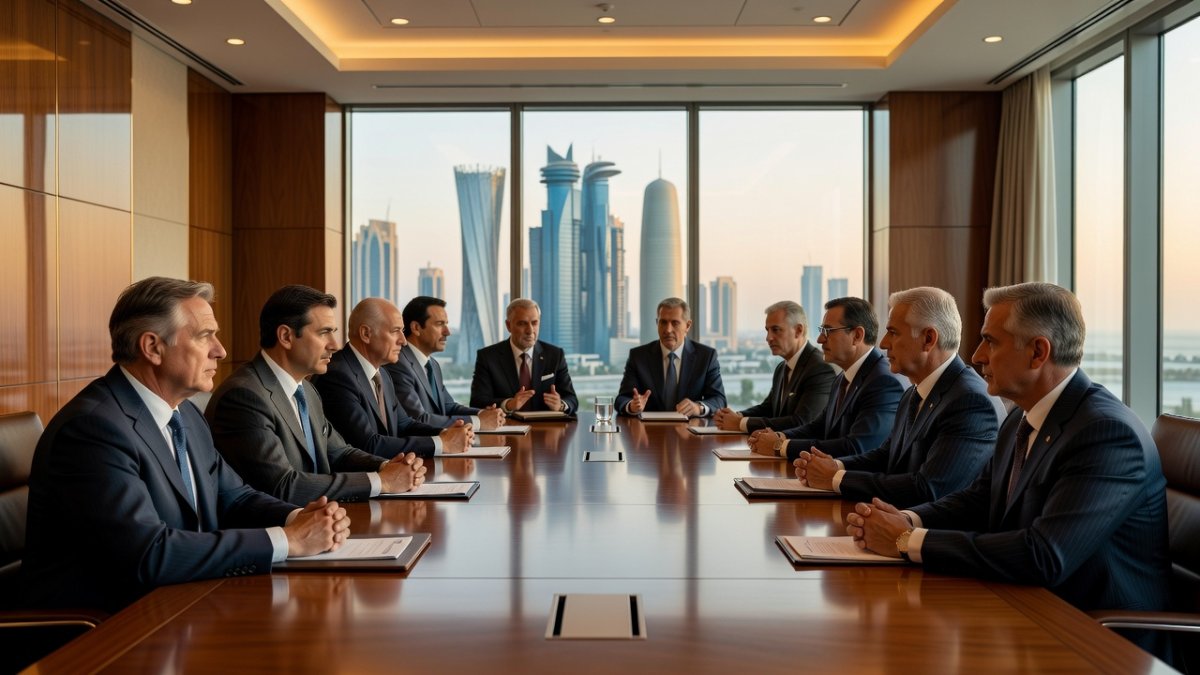
Qatari Envoy Ali Al-Thawadi and Iranian Foreign Minister Abbas Araghchi worked intensively to resolve three key issues that had blocked previous proposals. The first was the mechanism for releasing USD 24 billion in frozen Iranian assets — the primary economic demand from Tehran. The second involved arrangements for reopening the Strait of Hormuz during the 60-day ceasefire period. The third concerned how negotiations over Iran's nuclear programme would be conducted during that window, according to Axios.
The reopening of the Strait of Hormuz is expected as early as Saturday or Monday, providing an immediate confidence-building measure that could ease global energy prices. Vice President JD Vance is slated to attend a possible signing ceremony in Switzerland if Supreme Leader Mojtaba Khamenei grants final approval. Iranian Foreign Ministry spokesperson Esmaeil Baghaei stressed that no final decision has been taken and that red lines remain intact, reflecting internal debates within Tehran about the trade-offs between economic relief and strategic concessions on enrichment and regional proxy activities.
Israeli and Gulf Reactions Test the Framework's Durability
Israeli officials, while surprised by the sudden announcement, are prepared to test the ceasefire's durability provided nuclear-related security guarantees materialise. The Prime Minister's Office stated that Netanyahu expressed appreciation for Trump's commitment to a ceasefire agreement that "will include the removal of enriched nuclear material, the dismantling of enrichment infrastructure, limits on missile production, and an end to Iran's support for its terrorist proxies in the region." However, Israel has publicly stated it does not yet recognise a finalized agreement, reflecting concern that a premature asset release could strengthen Hezbollah before border security guarantees are verified.
Saudi Arabia and the UAE see the MOU as a chance to lock in de-escalation while advancing their own diversification agendas under Vision 2030 and similar economic transformation plans. Both Gulf capitals have conditioned further normalisation steps with Israel on concrete limits to Iran's regional reach, including Hezbollah's command structure in Lebanon. Their participation in the framework signals coordinated Gulf support for a deal that limits Iranian regional projection without triggering new conflicts.
Proxy Network Realignment and Regional Second-Order Effects
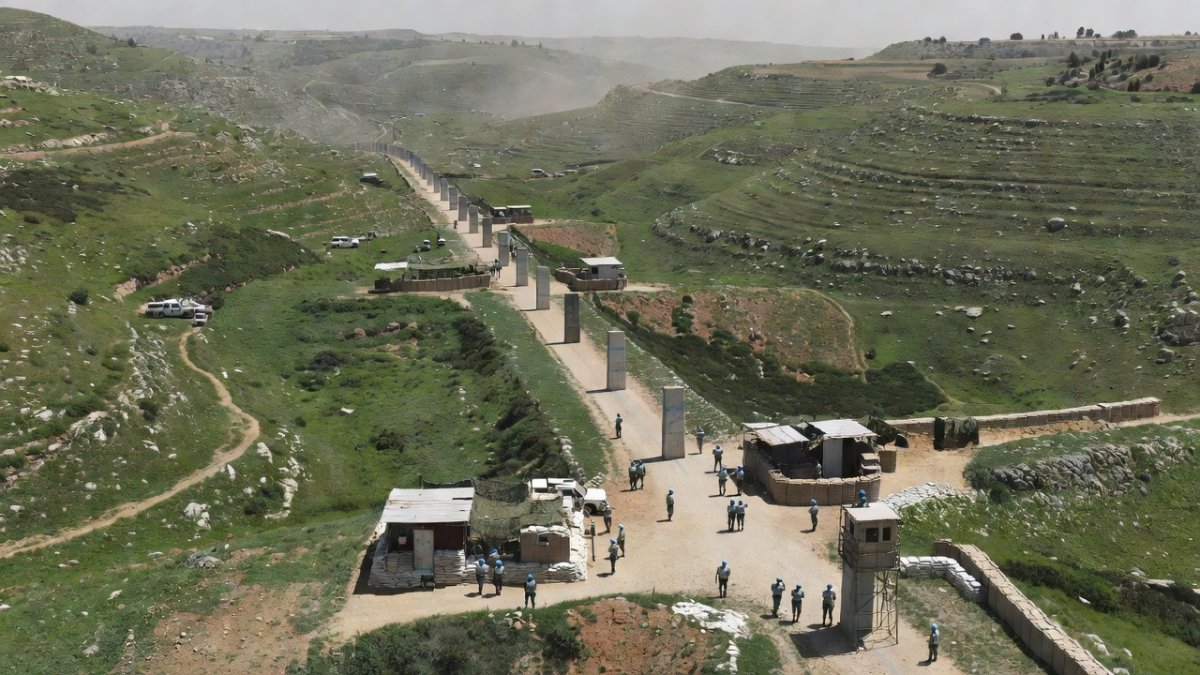
The framework forces Iran to weigh the survival of its nuclear programme against the operational freedom of its Lebanese proxy. Hezbollah's leadership now faces a narrowed margin: continued rocket fire risks collapsing the 60-day pause and triggering renewed Israeli action, while acceptance of Lebanese state oversight could erode its independent military posture. This linkage reduces the group's ability to operate independently of Tehran's broader calculations.
Syria and Iraq stand to benefit from reduced cross-border tensions if the deal holds, though Iranian-backed militias in both countries may test the limits of the new constraints. The MOU's emphasis on regional de-escalation could limit arms flows and proxy activities that have destabilised these states. Turkey, meanwhile, watches closely as any reopening of the Strait of Hormuz alters its own energy and trade calculations in the eastern Mediterranean.
Regional Sunni-Shia competition enters a new phase. Iran's roughly USD 3 trillion in combined sovereign wealth held across Gulf states and global markets remains a factor in long-term calculations, but the immediate leverage shifts toward Gulf capitals that can offer or withhold economic incentives.
Energy Markets and the Strait of Hormuz Factor
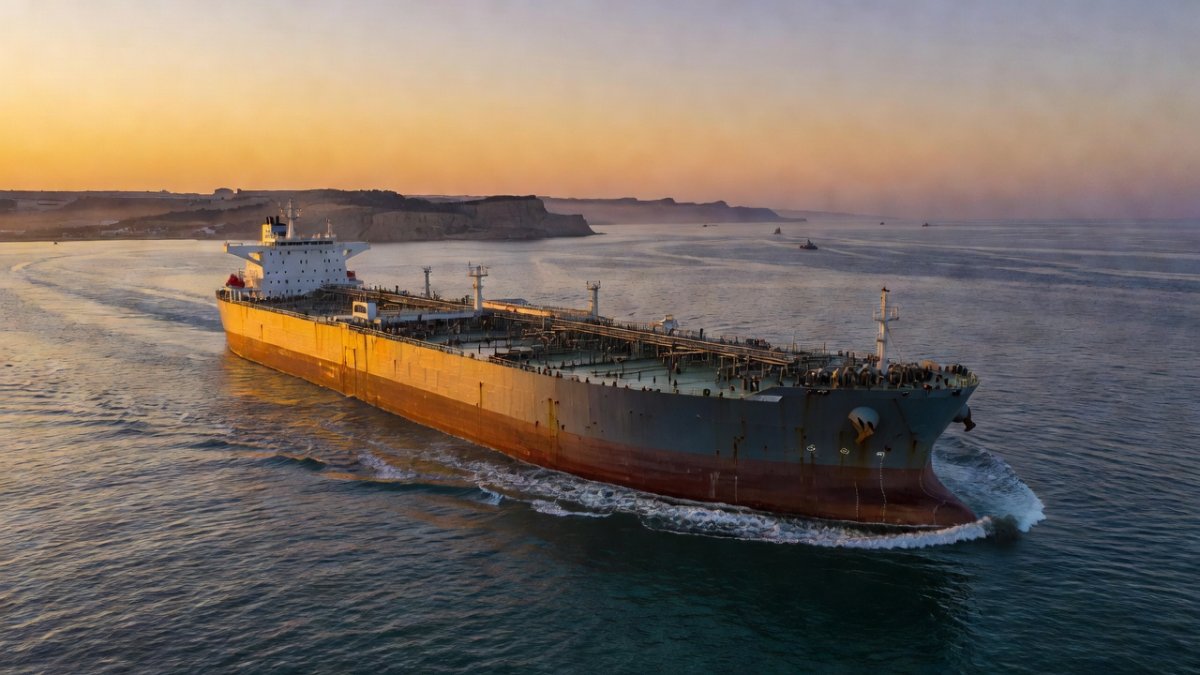
Reopening the Strait of Hormuz would immediately affect global oil flows, with analysts projecting modest price relief if traffic normalises within days. The strait, through which approximately one-fifth of the world's petroleum passes, has been effectively closed by Iran since the conflict escalated. Trump asserted that it will open "immediately, maybe Saturday or Monday," and claimed it has been partially open for months already — a statement that could not be independently verified.
The USD 24 billion asset release would further support Iranian economic stabilisation, potentially reducing incentives for regional adventurism. Gulf producers, particularly Saudi Arabia and the UAE, anticipate that a durable agreement could create space for coordinated energy policies without the overhang of military risk. Kharg Island remaining off-limits preserves Iranian export capacity while removing a major flashpoint that could have removed millions of barrels per day from global markets.
Strategic Calculus: What Each Side Wants
Trump's administration seeks a deal that visibly exceeds the 2015 Joint Comprehensive Plan of Action in both scope and enforceability — requiring dismantlement of enrichment infrastructure, not merely temporary limits. Iran's leadership seeks the release of frozen assets and sanctions relief as a lifeline for an economy battered by war and blockade, while preserving as much of its nuclear and regional proxy infrastructure as possible.
Israel wants ironclad guarantees that Iran cannot weaponise enrichment, along with a verifiable mechanism to end Hezbollah's military buildup in southern Lebanon. Saudi Arabia and the UAE want a regional order in which Iranian expansionism is contained by diplomatic architecture rather than military confrontation. Qatar, the mediator, wants to demonstrate that small-state diplomacy can resolve conflicts that larger powers have failed to settle.
Outlook: Fragile Pause or Durable Framework
The 60-day window offers a narrow but meaningful opportunity to lock in sequencing agreements before political calendars in multiple capitals complicate further progress. Khamenei's decision on the Switzerland signing will serve as an early indicator of Iranian commitment. If implemented, the MOU would mark the first explicit linkage between Iran's nuclear concessions and the future role of Hezbollah inside Lebanon — a precedent with profound implications for Iran's entire proxy network.
Success hinges on whether Washington releases assets only after verifiable nuclear steps and whether Beirut can translate the ceasefire into lasting sovereign control over its southern border. The coming weeks will test whether Qatari mediation can convert a temporary halt in hostilities into a broader regional accommodation — or whether unresolved gaps over the USD 24 billion and inspection access return the region to the brink.
By Malik Hassan, Staff Writer
This article was produced with AI-assisted research and editorial support. Reporting is based on sources cited in the article.
What's Your Reaction?
 Like
0
Like
0
 Dislike
0
Dislike
0
 Love
0
Love
0
 Funny
0
Funny
0
 Wow
0
Wow
0
 Sad
0
Sad
0
 Angry
0
Angry
0

Middle East Correspondent at Global1.News. Based in Beirut, covering politics, conflict, energy, and society across the Middle East. Brings context and depth to a region often reduced to headlines.









Comments (0)