
Trinidad-Venezuela Oil Spill Dispute Tests Gulf Relations
Trinidad-Venezuela Oil Spill Dispute Tests Bonds in the Gulf of Paria The Spark of the Dispute: The May Spill On the first of May 2026, a modest yet concerning incident unfolded in Trinidad's Main Field when Heritage Petroleum infrastructure released around ten barrels of oil into the surrounding waters. For the coastal communities dotting the western shores, news like this tra
The Spark of the Dispute: The May Spill
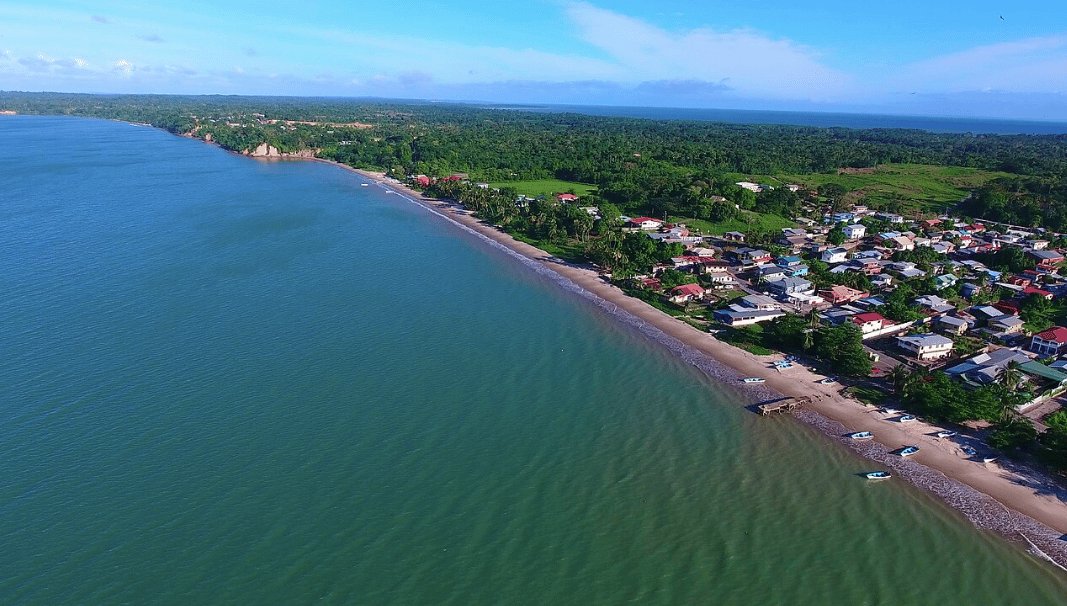
On the first of May 2026, a modest yet concerning incident unfolded in Trinidad's Main Field when Heritage Petroleum infrastructure released around ten barrels of oil into the surrounding waters. For the coastal communities dotting the western shores, news like this travels fast through the fishing villages and market stalls where families have long depended on the sea's bounty. Locals recall the quiet morning turning tense as reports filtered in about the spill, prompting immediate checks on boats and nets that sustain so many households. Energy Minister Dr Roodal Moonilal quickly addressed the matter, describing it as a minor event that was swiftly contained using chemical dispersants to break up the slick before it could spread widely. Trajectory modelling soon indicated that even this small volume carried the potential to drift across into Venezuelan waters within the Gulf of Paria, raising early eyebrows among environmental watchers on both sides. In the warm Trinidadian spirit of looking out for one another, community leaders gathered to discuss how such incidents affect not just the environment but the daily rhythms of life, from the morning catch to the evening meals shared around tables. The Gulf itself, a shared ecological treasure teeming with marine life that supports livelihoods across borders, suddenly felt more vulnerable. Residents in places like Icacos and Cedros spoke of their deep connection to these waters, viewing them as a lifeline rather than a dividing line. While officials in Port of Spain maintained that the response was effective, the modelling served as a reminder that oil does not respect national boundaries, stirring quiet conversations in rum shops about the need for greater vigilance and neighbourly cooperation in protecting what belongs to all of us in the region.
Trinidad's Swift Action and Official Stance
Trinidadian authorities moved with characteristic determination following the initial spill, emphasising that the ten-barrel release from Heritage Petroleum's facilities was handled promptly to minimise any lasting harm. Dr Roodal Moonilal highlighted how chemical dispersants were deployed effectively, breaking down the oil and preventing wider contamination in the sensitive Gulf of Paria ecosystem. This approach, rooted in practical experience with offshore operations, reassured many at home that the situation remained under control despite the trajectory modelling showing possible movement towards Venezuelan territory. In community halls across the south-west peninsula, fishermen and their families expressed relief mixed with ongoing caution, sharing stories of past incidents where quick thinking had saved livelihoods. Port of Spain stood firm in disputing any exaggeration of the event, noting that the spill was minor and fully contained without evidence of significant cross-border effects at that stage. The warm, community-oriented response included outreach to local groups, ensuring that voices from the fishing cooperatives were heard in discussions about future safeguards. Officials stressed the importance of maintaining strong ties with neighbours, recognising that the Gulf's shared waters demand collaborative monitoring rather than isolated actions. This stance reflected a broader Trinidadian ethos of resilience and hospitality, where disputes are often navigated through dialogue rather than confrontation. As modelling reports circulated, the focus remained on transparency and preparedness, with calls for enhanced equipment and training to protect the marine environment that sustains both nations' coastal populations.
Venezuela Raises the Alarm Across Borders
By the tenth of May, Venezuela had formally demanded compensation from Trinidad, warning of serious environmental repercussions that could affect two of its states bordering the Gulf of Paria. This development added layers of complexity to what began as a contained incident, prompting widespread discussion in Trinidadian communities about the interconnected nature of our shared marine spaces. Foreign officials in Caracas highlighted potential damage to fisheries and coastal habitats, urging accountability while the trajectory modelling continued to inform assessments of oil movement. In the spirit of regional solidarity that defines Caribbean relations, many in Port of Spain acknowledged the concerns, even as they reiterated that the original spill was minor and addressed rapidly with dispersants. Fishing families on the Trinidad side empathised with their Venezuelan counterparts, knowing all too well how oil in the water disrupts the delicate balance of marine life that feeds families on both shores. The Gulf of Paria, with its rich biodiversity and historical role in sustaining livelihoods, became the focal point for these exchanges, fostering a sense of mutual responsibility. Community elders recalled times when cross-border cooperation had resolved similar issues, advocating for joint patrols and information sharing to prevent escalation. Venezuela's warnings served as a catalyst for deeper reflection on environmental stewardship, encouraging Trinidadian voices to call for stronger regulations on petroleum infrastructure. This period underscored the warm, people-centred approach to diplomacy, where the well-being of ordinary citizens in fishing villages took precedence over formal posturing.
A Second Spill Emerges, Heightening Concerns
On the twelfth of June, Venezuela claimed a second, larger spill had occurred, with Foreign Minister Yvan Gil demanding full accountability from Trinidadian authorities. This assertion intensified the ongoing dialogue, bringing fresh attention to the Gulf of Paria and its role as a vital, ecologically sensitive waterway linking the two nations. Port of Spain continued to dispute the scale of events, maintaining that the first spill remained minor and effectively contained, with no confirmation of additional incidents from local monitoring. In Trinidad's coastal communities, the news sparked gatherings where residents shared concerns about cumulative impacts on mangroves, fish stocks and the overall health of the shared waters. The trajectory modelling from May provided a foundation for understanding potential drift patterns, yet the new claims introduced uncertainty that weighed heavily on families reliant on the sea. Venezuelan statements emphasised the need for transparency and remediation, resonating with Trinidadian calls for robust oversight of Heritage Petroleum operations. Community leaders advocated for inclusive talks that incorporate local knowledge from both sides, reflecting the island's tradition of neighbourly support during challenging times. The episode highlighted how even modest spills can ripple outward, affecting livelihoods and prompting a collective push for better safeguards in these borderless waters. As discussions evolved, the emphasis stayed on protecting the Gulf's delicate balance through dialogue and practical measures that benefit all who call its shores home.
The Delicate Balance of Shared Waters
The Gulf of Paria stands as a testament to the intertwined destinies of Trinidad and Venezuela, its ecologically sensitive expanse supporting diverse marine species and the communities that depend on them. Following the May spill and subsequent claims, attention turned to how trajectory modelling and containment strategies could inform future joint efforts. Trinidad's position, articulated by Dr Roodal Moonilal, underscored the effectiveness of dispersants in addressing the initial ten-barrel release, while Venezuela's demands for compensation reflected legitimate worries about downstream effects on its coastal states. In local markets and jetties, Trinidadian voices spoke warmly of the need to preserve these waters for generations, drawing on generational knowledge of tides and currents that cross invisible lines. The dispute, though tense, opened avenues for enhanced cooperation, including shared monitoring stations and emergency response protocols tailored to the region's realities. Fishing cooperatives on both sides exchanged insights, fostering a sense of solidarity amid the challenges. Port of Spain's insistence on the minor nature of the events did not diminish recognition of the Gulf's vulnerability, prompting investments in technology and community education programmes. This balanced approach embodies the Trinidadian way of addressing issues through conversation and mutual respect, ensuring that environmental protection strengthens rather than strains regional bonds. The waters continue to flow freely, reminding all involved of the shared responsibility to safeguard this precious resource.
Looking Ahead: Community Voices and Future Cooperation
As the Trinidad-Venezuela oil spill dispute unfolds, the path forward lies in amplifying the voices of those most affected—the families in fishing villages and coastal towns who rely on the Gulf of Paria's bounty. With the initial May incident contained and later claims under discussion, there is growing momentum for collaborative frameworks that prioritise ecological health and economic stability. Dr Roodal Moonilal's assurances about swift action provide a basis for rebuilding trust, while Venezuela's calls for accountability encourage transparent exchanges. In Trinidad, community forums have become spaces for heartfelt dialogue, where elders and young fishers alike advocate for joint initiatives like cross-border clean-up teams and real-time spill detection systems. The shared waters demand this level of partnership, transforming potential conflict into opportunities for strengthened ties. British-style diplomacy, infused with Caribbean warmth, suggests that regular ministerial meetings and technical working groups could resolve outstanding matters, including any compensation considerations. Residents express optimism that lessons from this episode will lead to safer operations by Heritage Petroleum and its counterparts, protecting marine habitats for all. Ultimately, the dispute serves as a reminder of our interconnectedness, inspiring a collective commitment to stewardship that honours the Gulf's role in sustaining vibrant, resilient communities on both sides of the border. By Sharon Sahatoo, Staff Writer.
This article was produced with AI-assisted research and editorial support. Reporting is based on sources cited in the article.
What's Your Reaction?
 Like
0
Like
0
 Dislike
0
Dislike
0
 Love
0
Love
0
 Funny
0
Funny
0
 Wow
0
Wow
0
 Sad
0
Sad
0
 Angry
0
Angry
0

Caribbean Correspondent at Global1.News. Based in Port of Spain, Trinidad, covering Caribbean politics, economy, energy, climate, and culture. Amplifying the voices and stories of the Caribbean region.











Comments (0)