
US-Iran 14-Point Draft MoU: Ceasefire and Sanctions Relief
**Keywords:** US-Iran deal, 14-point memorandum, sanctions relief, Strait of Hormuz, Iran nuclear talks, Lebanon ceasefire, Trump Iran policy, frozen assets release, Middle East diplomacy, Pakistan mediation US and Iran Near Historic Draft Agreement in Geneva The Al Arabiya English channel has obtained the full 14-point draft memorandum of understanding between the United State
US and Iran Near Historic Draft Agreement in Geneva
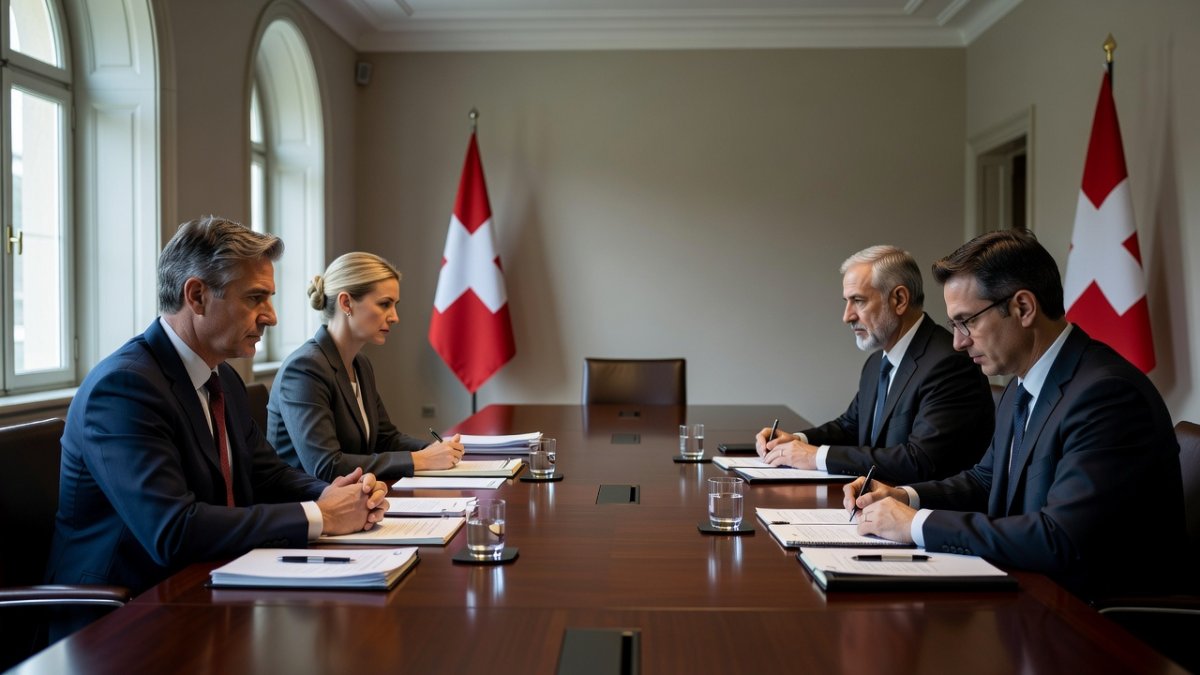
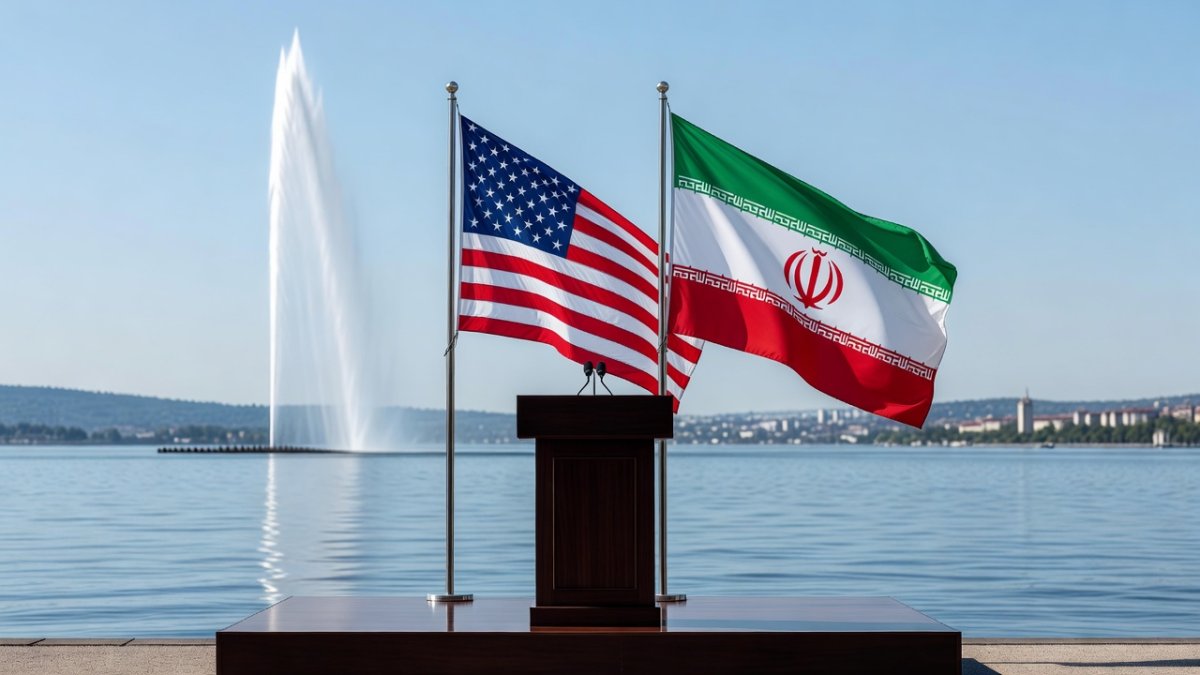
The Al Arabiya English channel has obtained the full 14-point draft memorandum of understanding between the United States and Iran, scheduled for formal signing on 19 June 2026 in Geneva. US President Donald Trump has described the text as complete, with details to follow the ceremony. Pakistan mediated the talks that produced this framework after months of indirect contacts.
Core Provisions on Ceasefire and Military De-escalation
The draft opens with an immediate and permanent ceasefire across all fronts, explicitly including Lebanon. US naval forces must lift the blockade on Iran within 30 days, while the Strait of Hormuz reopens under Iranian operational arrangements. Washington is required to withdraw additional forces positioned near Iranian territory and refrain from new sanctions or troop deployments during the 60-day negotiation window.
These military clauses directly address Iranian red lines on sovereignty. Tehran gains breathing space to stabilize its economy without external military pressure, while the United States secures a verifiable halt to active hostilities that had expanded from the original US-Israel campaign against Iran into the Hezbollah front in Lebanon.
Sanctions Relief and Financial Commitments
Sanctions on Iranian oil, petrochemicals, and derivatives would be suspended, granting Tehran full access to export proceeds. The draft also mandates release of $24 billion in frozen assets during the negotiation period, with half available before final talks conclude. A later stage envisions complete lifting of US primary and secondary sanctions plus termination of relevant UN Security Council and IAEA resolutions.
In return, Iran reaffirms its NPT commitment not to pursue nuclear weapons. Its missile program and support for regional resistance groups remain explicitly excluded from the agenda. The United States and allies are expected to table reconstruction financing worth at least $300 billion once the final agreement is reached.
Lebanon and Broader Regional Linkages
Late additions concerning Lebanon’s sovereignty and territorial integrity proved decisive in persuading Iran to cancel a planned retaliatory operation following Israeli strikes on Beirut’s southern suburbs. The clause ties the ceasefire’s durability to non-interference in Lebanese internal affairs, a point that directly affects Hezbollah’s operational freedom.
These provisions intersect with ongoing Sunni-Shia dynamics and Arab-Israeli normalization efforts. Gulf states watching the talks will assess whether reduced Iranian sanctions translate into greater regional assertiveness or a more pragmatic Iranian posture on Yemen and Iraq.
Israeli Rejection and Strategic Calculus
Israeli ministers have already rejected the draft, vowing to maintain positions in Lebanon. Prime Minister Netanyahu faces domestic pressure to demonstrate that any US-Iran accommodation does not weaken Israel’s security margin against Hezbollah. Trump’s public criticism of Netanyahu’s Lebanon policy at the recent G7 summit underscores diverging priorities between Washington and Jerusalem.
Israel’s leverage lies in its military presence and intelligence cooperation with the United States, yet it lacks a veto over the bilateral US-Iran track. If implemented, the agreement could accelerate Arab-Israeli normalization by lowering the temperature of the northern front, though at the cost of Israeli influence over the pace of sanctions relief for Iran.
Energy Markets and Great-Power Implications
Reopening the Strait of Hormuz within 30 days would ease immediate pressure on global oil supplies that tightened during the conflict. Asian importers, particularly China and India, stand to benefit from resumed Iranian crude flows. The $300 billion reconstruction pledge, if realized, could further integrate Iran into regional supply chains and reduce incentives for nuclear escalation.
Endorsement via a future UN Security Council resolution would lock in monitoring mechanisms and provide Russia and China with formal roles in oversight. This multilateral layer complicates any future US attempt to reimpose unilateral sanctions, illustrating the shifting balance of influence in great-power competition over Middle East energy corridors.
Outlook for Implementation
The 60-day negotiation period will test whether both sides can convert the draft’s exclusions on missiles and proxies into a sustainable final text. Pakistan’s continued mediation role offers a channel acceptable to Tehran, while the explicit reaffirmation that Iran will never acquire nuclear weapons provides Washington with a domestic political floor.
Success hinges on sequencing: rapid ceasefire observance, phased asset releases, and credible reconstruction commitments. Failure risks renewed closure of Hormuz and escalation across Lebanon and the Gulf, underscoring how tightly energy security, nuclear restraint, and proxy dynamics remain intertwined.
By Malik Hassan, Staff WriterThis article was produced with AI-assisted research and editorial support. Reporting is based on sources cited in the article.
What's Your Reaction?
 Like
0
Like
0
 Dislike
0
Dislike
0
 Love
0
Love
0
 Funny
0
Funny
0
 Wow
0
Wow
0
 Sad
0
Sad
0
 Angry
0
Angry
0

Middle East Correspondent at Global1.News. Based in Beirut, covering politics, conflict, energy, and society across the Middle East. Brings context and depth to a region often reduced to headlines.











Comments (0)