
Meta Demands US Pressure on NSO Group After Alleged Injunction Violations
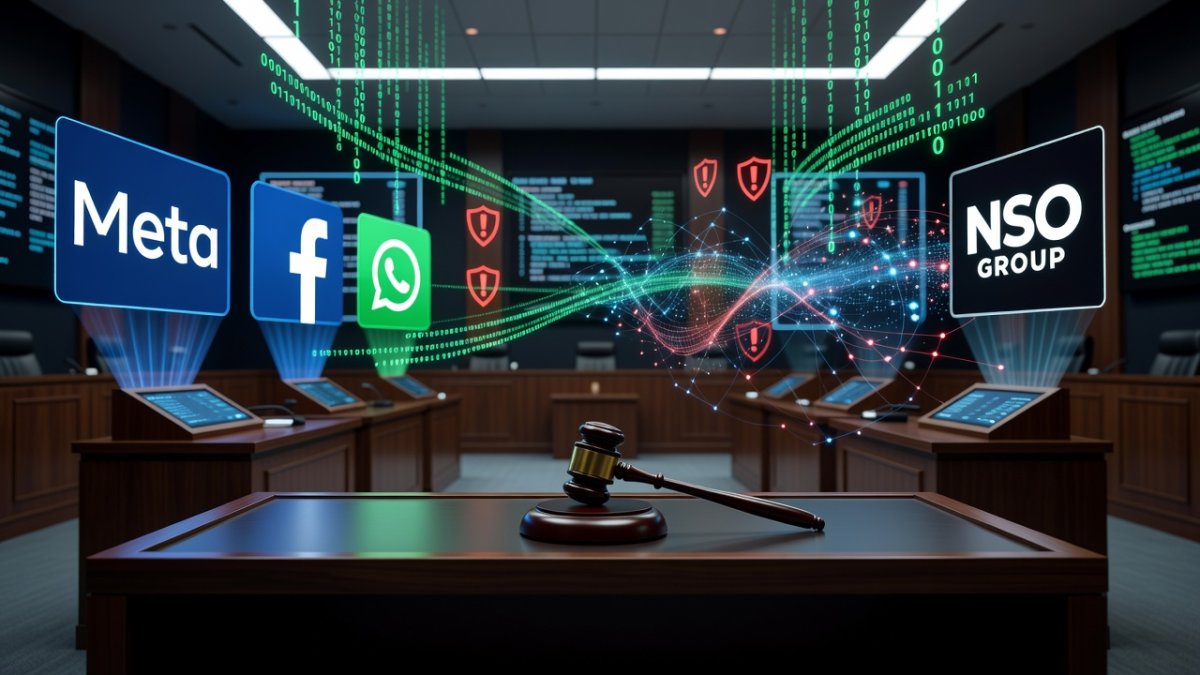
Meta Demands US Pressure on NSO Group After Alleged Injunction Violations Meta Files Contempt Motion in Federal Court Meta Platforms, through its WhatsApp subsidiary, submitted a contempt motion in a US federal court on June 8, 2026. The filing accuses Israeli firm NSO Group of breaching a permanent injunction that restricts the company's access to WhatsApp servers. This legal
Meta Demands US Pressure on NSO Group After Alleged Injunction Violations
Meta Files Contempt Motion in Federal Court
Meta Platforms, through its WhatsApp subsidiary, submitted a contempt motion in a US federal court on June 8, 2026. The filing accuses Israeli firm NSO Group of breaching a permanent injunction that restricts the company's access to WhatsApp servers. This legal step marks the latest development in a long-running dispute between the American technology giant and the Herzliya-based cyber intelligence company.
Background on the Permanent Injunction
WhatsApp secured the permanent injunction in October 2025. The court order explicitly barred NSO Group from any further attempts to access or interfere with WhatsApp's infrastructure. The injunction took effect on January 28, 2026, after which Meta claims the Israeli company continued prohibited activities. Court documents describe these actions as direct violations that undermine the original ruling designed to protect user accounts from unauthorized surveillance tools.
Allegations of Continued Operations and Phishing Campaigns
Meta's motion details accusations that NSO persisted in running operations on the WhatsApp platform after the injunction date. The complaint specifically references phishing campaigns and testing of the Pegasus spyware against WhatsApp accounts. These alleged activities reportedly involved attempts to deliver malicious links that could compromise targeted devices, raising fresh concerns about the reach of commercial surveillance software developed in Israel.
NSO Group's Profile and US Blacklisting
NSO Group, headquartered in Herzliya, develops the Pegasus surveillance software used by government clients for lawful intelligence gathering. The United States placed the company on its blacklist in 2021 due to documented human rights concerns linked to the misuse of its tools. Pegasus has drawn international scrutiny after reports connected it to the targeting of journalists, activists, and officials across multiple countries, prompting debates over export controls on Israeli cyber technologies.
Meta Calls for Additional US Government Pressure
In its court filing, Meta urges the US government to apply further pressure on NSO Group to ensure compliance with the injunction. The company argues that existing sanctions have not fully deterred continued development and deployment of Pegasus against WhatsApp users. This request arrives amid ongoing discussions in Washington about strengthening enforcement mechanisms against firms involved in commercial spyware, particularly those with ties to close US allies.
Implications for Israel's Cyber Sector and Bilateral Relations
Israel's cyber industry, concentrated in areas such as Herzliya, has long contributed to the country's reputation as a global leader in defensive and intelligence technologies. NSO's legal challenges in US courts highlight tensions between commercial innovation and international regulatory standards. American officials have historically balanced support for Israeli security needs with concerns over technology transfers that could affect human rights records or diplomatic standing.
Israeli technology firms maintain deep partnerships with US counterparts in both civilian and defense sectors. Any escalation in pressure from Washington could influence licensing processes and investment flows into Israel's broader tech ecosystem. Government spokespeople in Jerusalem have previously emphasized the importance of responsible export oversight while defending the strategic value of cyber capabilities developed domestically.
Global Backlash and Regional Context
The Pegasus software has faced widespread criticism following revelations about its use against civil society figures in various regions, including the Middle East. These cases have fueled calls for tighter multilateral controls on spyware exports from companies like NSO. Within Israel, the episode underscores the challenge of maintaining a competitive edge in cyber intelligence while navigating scrutiny from partners such as the United States and European Union institutions.
Diplomatic channels between Jerusalem and Washington remain active on issues of technology governance and security cooperation. Observers note that outcomes in this contempt proceeding could shape future guidelines for Israeli firms seeking to operate within US legal frameworks, particularly those involved in sensitive surveillance products.
By Hannah Berg, Staff WriterThis article was produced with AI-assisted research and editorial support. Reporting is based on sources cited in the article.
What's Your Reaction?
 Like
0
Like
0
 Dislike
0
Dislike
0
 Love
0
Love
0
 Funny
0
Funny
0
 Wow
0
Wow
0
 Sad
0
Sad
0
 Angry
0
Angry
0

Israel Correspondent at Global1.News. Based in Tel Aviv, covering Israeli politics, security, technology, and society. Provides balanced, deeply-sourced reporting on one of the most closely-watched regions in the world.














Comments (0)