
US Defence Secretary Insists Strait of Hormuz Was Under Full American Control
On Sunday, US Defence Secretary Pete Hegseth told CBS that American naval forces had controlled the Strait of Hormuz the entire time, despite months of Iranian mining and drone activity that restricted commercial traffic. He pointed to 125 million barrels of oil moved under escort and a blockade that allowed no Iranian-linked vessels through. The claim came as the White House a
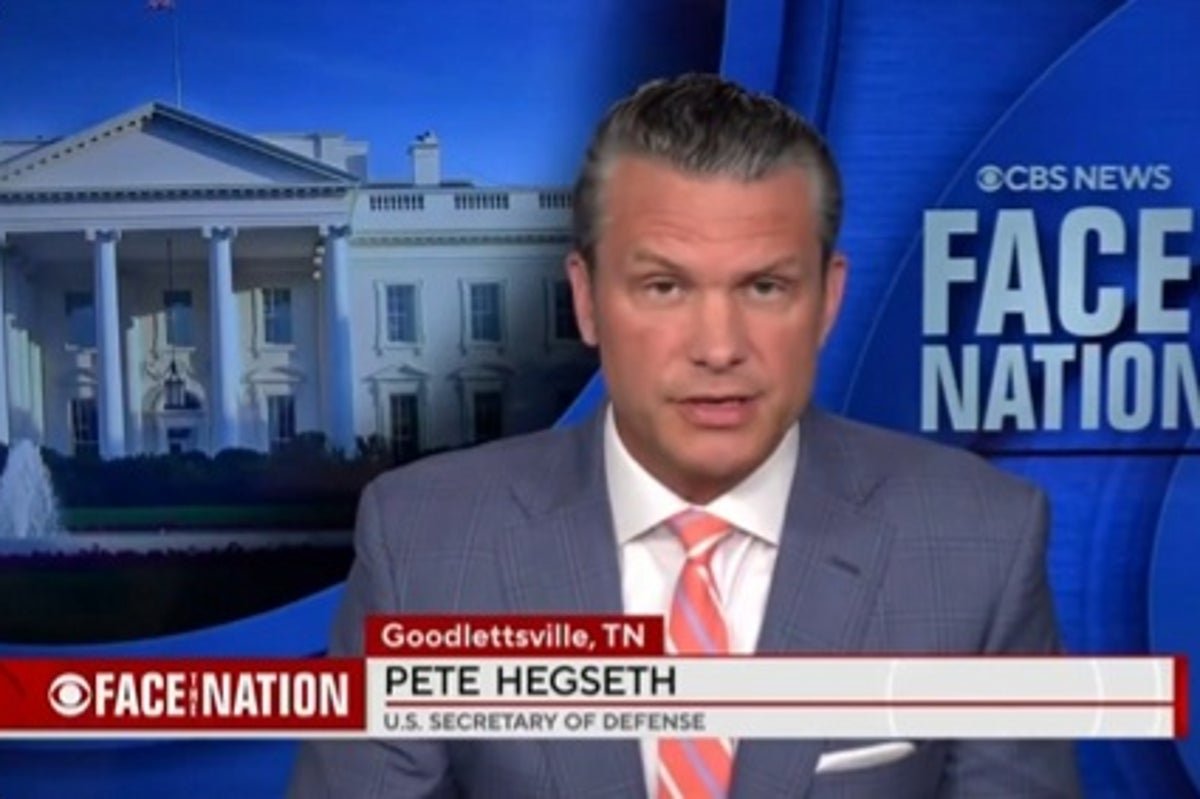
On Sunday, US Defence Secretary Pete Hegseth told CBS that American naval forces had controlled the Strait of Hormuz the entire time, despite months of Iranian mining and drone activity that restricted commercial traffic. He pointed to 125 million barrels of oil moved under escort and a blockade that allowed no Iranian-linked vessels through. The claim came as the White House again described a peace agreement as imminent, though details remain limited to a 60-day ceasefire extension and renewed talks on Iran's nuclear programme.
The Pentagon's Assertion of Lasting Control
Hegseth's interview with Margaret Brennan laid bare the administration's determination to frame the naval operation as an unbroken success. He insisted that Project Freedom had delivered 125 million barrels without interruption and that zero Iranian vessels had breached the blockade. This narrative directly contradicts earlier reports of restricted traffic and repeated mining incidents that had forced commercial operators to seek alternative routes around the Cape of Good Hope.
Brennan pressed the defence secretary on whether full control had truly existed throughout the conflict. Hegseth avoided a direct answer on future shipping volumes, instead citing ongoing talks that could not be disclosed on air. His remarks suggested that additional measures, beyond the visible escort programme, were already in place to guarantee safe passage once any agreement takes effect.
The exchange highlighted a familiar pattern in which senior officials present operational dominance even as market data showed only half the pre-conflict traffic levels returning to the strait in recent days. Independent shipping analysts have noted that insurance premiums for Gulf transits remain elevated, indicating that commercial operators still view the route as high risk despite the US Navy's presence.
Fuel Price Pressures Reach British Motorists
While American drivers saw petrol prices climb above four dollars a gallon during the closure, UK households have faced parallel strains at the pump. Average unleaded prices across Britain rose sharply in the early months of the disruption before easing modestly in recent days as escorted volumes increased. The cost of diesel, critical for haulage and agriculture, followed a similar trajectory and contributed to higher food distribution expenses.
Energy analysts at the Department for Energy Security and Net Zero have tracked the pass-through effects on household bills. Although North Sea production provides some buffer, the United Kingdom remains a net importer of refined products, leaving motorists exposed to global supply shocks. Families in rural areas, where public transport options are limited, have reported cutting discretionary travel to manage the added expense.
Supermarket chains have warned that sustained high fuel costs could feed into broader inflation if the strait does not return to normal capacity quickly. The Competition and Markets Authority continues to monitor retailer margins, yet the underlying volatility stems from the Gulf rather than domestic pricing behaviour.
UK Trade Routes and the Cost of Detours
British exporters reliant on timely Gulf shipments have absorbed significant additional costs from rerouting around Africa. Container lines serving Felixstowe and Southampton have lengthened schedules by up to two weeks, raising freight rates and complicating just-in-time supply chains for automotive and pharmaceutical components. The Freight Transport Association estimates that these delays have already trimmed quarterly export growth figures.
The Foreign Office has maintained discreet contact with Gulf states to protect British-flagged vessels and ensure diplomatic channels remain open. Officials have avoided public criticism of either Washington or Tehran, preferring quiet coordination through established maritime security forums. This approach reflects the government's priority of safeguarding trade volumes worth billions of pounds annually.
Smaller importers of perishable goods have been hit hardest. Air-freight alternatives proved prohibitively expensive once jet fuel prices spiked, forcing some distributors to reduce stock ranges or accept longer lead times. The resulting pressure on margins has prompted several regional wholesalers to seek government support through existing trade disruption schemes.
Downing Street's Measured Response to Washington
Number 10 has offered only guarded commentary on Hegseth's claims of uninterrupted control. A spokesperson noted that the government welcomes any reduction in tensions that restores freedom of navigation, while stressing the need for verifiable de-escalation on the ground. This careful phrasing avoids endorsing the more expansive assertions made in the CBS interview.
The Foreign Secretary has scheduled calls with European counterparts to align positions ahead of any formal signing of the proposed 60-day extension. London remains keen to coordinate sanctions policy and avoid a repeat of earlier divergences that complicated joint responses to previous Gulf incidents.
Parliamentary committees have requested briefings from Ministry of Defence officials on the Royal Navy's contribution to escort operations. While British vessels have participated in coalition efforts, the scale of involvement has been deliberately kept modest to preserve operational flexibility should the diplomatic track falter.
Nuclear Talks and the IAEA's Role
The memorandum under discussion leaves Iran's nuclear programme for future negotiation, with the International Atomic Energy Agency positioned to conduct inspections at sites struck last year. Hegseth indicated openness to IAEA involvement provided the United States retains ultimate authority over compliance mechanisms. Iranian officials have countered that any dismantling of nuclear material must occur inside their borders, a position that could complicate verification arrangements.
The Foreign Office has long supported a diplomatic resolution that prevents further proliferation while preserving the inspection regime. British diplomats have emphasised that credible oversight requires both international legitimacy and technical rigour, rather than unilateral guarantees alone.
Previous rounds of talks have shown that bridging these verification gaps takes months rather than days. With the Iran conflict now entering its fourth month, the risk of renewed deadlines slipping remains high, particularly if domestic political pressures in Tehran harden negotiating stances.
Aviation Sector Strain Across the UK
British airlines have absorbed higher jet fuel costs that originated from the strait's reduced throughput. Carriers operating long-haul routes to Asia and Australia have seen operating expenses rise sharply, prompting schedule adjustments and selective fare increases. Low-cost operators with thinner margins have warned of potential route cuts if prices fail to stabilise.
Airports such as Heathrow and Manchester have reported knock-on effects on cargo volumes, as higher fuel surcharges deter some shippers from using air freight for time-sensitive goods. Ground handling companies and maintenance providers have begun to feel the secondary impact through reduced activity.
The Civil Aviation Authority continues to monitor airline financial health, though no immediate distress equivalent to the US carrier collapse has materialised. Industry bodies have urged the government to consider targeted support if the situation deteriorates further before the proposed ceasefire extension takes hold.
Bank of England Monitors Inflation Risks
The Monetary Policy Committee has cited energy price volatility as a key uncertainty in its latest forecasts. While the recent easing of fuel costs offers some relief, committee members have noted that any reversal could complicate efforts to return inflation sustainably to target. The Bank has maintained its data-driven approach rather than reacting to daily headlines from the Gulf.
Business surveys conducted by the Bank show that firms are passing on a portion of higher transport costs to customers, adding to broader price pressures. The governor has reiterated that monetary policy will respond to persistent rather than transitory shocks, a stance that leaves room for further rate adjustments if the strait remains contested.
City analysts expect the Bank to watch sterling's reaction to any signed agreement closely. A credible deal could support the currency and ease imported inflation, whereas renewed uncertainty might prompt defensive positioning by investors.
Outlook for a Durable Settlement
The proposed digital signing of the 60-day extension offers little beyond a temporary pause and renewed nuclear discussions. Core US objectives such as limits on ballistic missiles and broader regional behaviour remain outside the current text, leaving the underlying drivers of conflict unaddressed.
British officials have privately expressed concern that repeated deadline slippages erode credibility with both domestic audiences and regional partners. The absence of a formal ceremony and reports of Iranian hesitation underscore the fragility of the current diplomatic window.
With the conflict approaching the end of its fourth month, the gap between official optimism and measurable progress continues to widen. Restoring pre-war shipping volumes through the Strait of Hormuz will require more than escorted convoys; it will demand a political settlement that all parties can credibly uphold over time.
By Erica Thornton, Staff WriterThis article was produced with AI-assisted research and editorial support. Reporting is based on sources cited in the article.
What's Your Reaction?
 Like
0
Like
0
 Dislike
0
Dislike
0
 Love
0
Love
0
 Funny
0
Funny
0
 Wow
0
Wow
0
 Sad
0
Sad
0
 Angry
0
Angry
0

US Politics and Policy Correspondent at Global1.News. Based in Washington DC, covering American politics, policy, elections, and the courts. Knows how the system works and tells you what it actually means.















Comments (0)