
Tensions Rise in Gulf of Paria Over Venezuela Oil Spill
What Happened on 1 May The incident unfolded on 1 May in the shared waters of the Gulf of Paria, where a spill of roughly ten barrels was reported. Trinidad and Tobago authorities described the release as minor and quickly contained, with clean-up crews responding promptly near the southern coastline. Communities in Cedros and Icacos, long accustomed to monitoring the sea for a
What Happened on 1 May
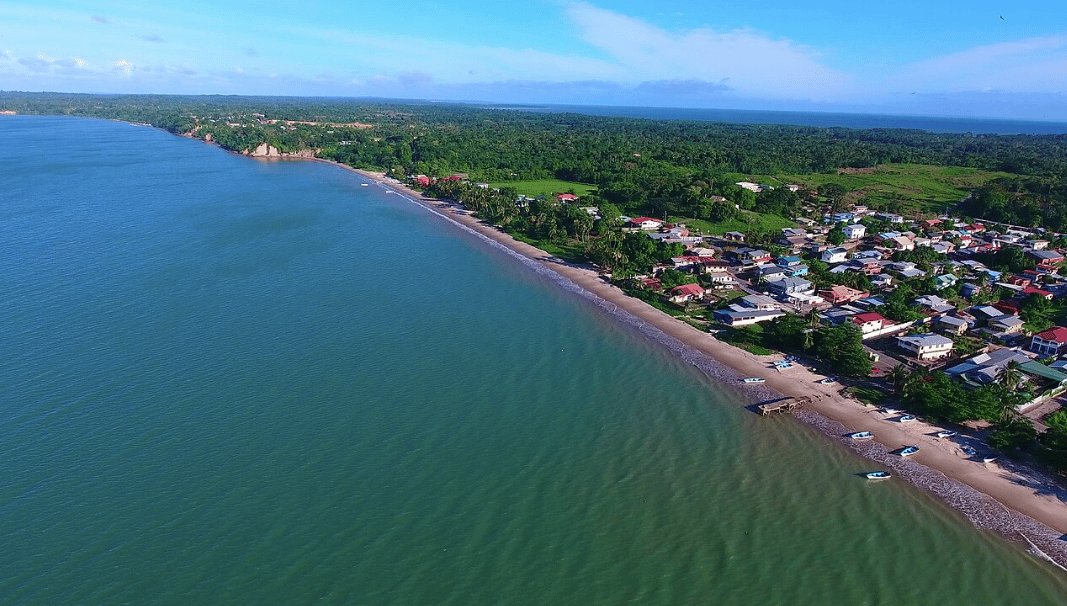
The incident unfolded on 1 May in the shared waters of the Gulf of Paria, where a spill of roughly ten barrels was reported. Trinidad and Tobago authorities described the release as minor and quickly contained, with clean-up crews responding promptly near the southern coastline. Communities in Cedros and Icacos, long accustomed to monitoring the sea for any sign of trouble, noted the swift mobilisation of the Trinidad and Tobago Coast Guard and the Environmental Management Authority.
Local fishermen from Point Fortin and La Brea, who set out before dawn as they have for generations, observed the response vessels moving through the Dragon's Mouth. The Fisheries Division worked alongside the Institute of Marine Affairs to assess any immediate effects on marine life. Although the volume remained small, the location raised concerns because currents in these waters flow directly toward Venezuelan shores.
Residents in San Fernando and further afield followed updates through community radio and WhatsApp groups, mindful that even limited spills can affect livelihoods. The Ministry of Energy and Energy Industries confirmed that operations at nearby facilities continued without interruption, yet the event highlighted how quickly matters in the Gulf can touch both nations.
Seasonal weather patterns already influence how any release travels, and with hurricane season approaching, preparedness remains a shared priority for coastal villages on both sides of the waterway.
Venezuela's Position
Caracas has formally requested detailed information and compensation through its Ministry of Foreign Affairs, citing potential harm to ecosystems in the Gulf of Paria. Officials there argue that the spill originated in Trinidadian waters and could affect shared marine resources that support fishing communities on the Venezuelan side.
PDVSA, the state oil company, has been involved in the communications, underscoring the energy dimension of the matter. The demand reflects long-standing sensitivities about cross-border environmental incidents in a region where maritime boundaries have required careful management since the 1990 Treaty.
Venezuelan authorities emphasise the need for transparency, particularly as both countries navigate economic pressures that make any threat to seafood supplies especially worrying. They have called for joint assessments to prevent similar occurrences in the future.
The tone from Caracas remains measured yet firm, consistent with its broader diplomatic approach to regional environmental concerns affecting small island developing states and coastal nations alike.
Port of Spain's Response
Port of Spain has strongly disputed the characterisation of the event, maintaining that the spill was limited to ten barrels and contained rapidly. The Ministry of Foreign and CARICOM Affairs has reiterated that Trinidad and Tobago takes its environmental responsibilities seriously and has shared available data with Venezuelan counterparts.
Officials from the Environmental Management Authority and the Institute of Marine Affairs conducted on-site evaluations, confirming minimal lasting impact within Trinidadian jurisdiction. The Trinidad and Tobago Coast Guard continues to patrol the area, working with the Fisheries Division to reassure fishing communities in Cedros and Icacos.
Port of Spain stresses that cooperation, rather than confrontation, serves both nations best, especially given the 1990 Treaty framework that governs the maritime boundary. Energy sector regulators at the Ministry of Energy and Energy Industries have reviewed operational logs from nearby installations to rule out any connection to local production.
The government has invited further technical dialogue, underscoring that household budgets already strained by rising food and fuel prices cannot afford unnecessary alarm over a contained incident.
The Gulf of Paria: A Shared and Sensitive Waterway
The Gulf of Paria forms a vital ecological corridor between Trinidad and Venezuela, its waters supporting diverse fish stocks that feed markets from Port of Spain to San Fernando. Fishing families in La Brea and Point Fortin depend on these grounds, as do their counterparts across the border, making any environmental incident a matter of immediate community concern.
Geography plays a central role: the Bocas Islands and the Dragon's Mouth channel strong currents that can carry materials swiftly between the two coastlines. Cedros and Icacos sit at the southern edge, where residents have long observed changes in water quality and marine behaviour tied to upstream activity.
Historical maritime boundary discussions, culminating in the 1990 Treaty, recognised this interdependence and established mechanisms for joint management. Yet everyday realities for small-scale fishers remain unchanged: their catches supply local tables and help moderate food prices in a time of inflation.
Environmental justice for these communities means ensuring that oversight keeps pace with the natural rhythms of the gulf, protecting both livelihoods and the delicate balance of the shared ecosystem.
Energy Sector and Environmental Oversight
Trinidad and Tobago's energy landscape has evolved considerably since the closure of Petrotrin, with renewed focus on offshore exploration and Atlantic LNG operations. Recent bidding rounds for blocks in the Gulf of Paria reflect continued interest in responsible resource development, yet they also intensify scrutiny of environmental safeguards.
The Environmental Management Authority and the Institute of Marine Affairs apply monitoring protocols that are being phased in across the sector, ensuring that operators meet updated standards. New reporting requirements have begun to apply to facilities near the southern coast, aiming to prevent even small releases from escalating.
Coordination between the Ministry of Energy and Energy Industries and the Fisheries Division helps balance production goals with community needs. In places like Point Fortin and La Brea, residents understand that energy activity has shaped local economies for decades, but they also expect rigorous protection of the waters that sustain them.
These oversight mechanisms operate within a broader Caribbean context where small island developing states seek to strengthen resilience against both industrial incidents and natural disasters, particularly as hurricane season preparations gather pace each year.
Wider Regional Implications
The exchange between Caracas and Port of Spain carries implications for CARICOM diplomacy, reminding neighbours that environmental matters rarely respect borders. Venezuela-T&T bilateral relations have historically included energy cooperation, and both sides have an interest in maintaining open channels even when differences arise.
Coastal communities across the region already face cost-of-living pressures from higher food and fuel prices. Any perception of risk to seafood supplies can quickly translate into household anxiety, underscoring why transparent communication matters as much as technical containment.
Hurricane season adds another layer of urgency, as storm systems can redistribute pollutants across the Gulf of Paria and beyond. Preparedness efforts by the Trinidad and Tobago Coast Guard and regional partners therefore serve a dual purpose, protecting against both natural and industrial threats.
Ultimately, the episode highlights the shared stake that small island developing states hold in robust environmental governance. By addressing concerns through established diplomatic and technical routes, Trinidad and Tobago and Venezuela can reinforce the cooperative spirit that has long characterised relations in these waters.
By Sharon Sahatoo, Staff WriterThis article was produced with AI-assisted research and editorial support. Reporting is based on sources cited in the article.
What's Your Reaction?
 Like
0
Like
0
 Dislike
0
Dislike
0
 Love
0
Love
0
 Funny
0
Funny
0
 Wow
0
Wow
0
 Sad
0
Sad
0
 Angry
0
Angry
0

Caribbean Correspondent at Global1.News. Based in Port of Spain, Trinidad, covering Caribbean politics, economy, energy, climate, and culture. Amplifying the voices and stories of the Caribbean region.












Comments (0)