
Türkiye Lifts Short-Selling Ban as Iran War Measures Expire
**Keywords:** Türkiye stock market, Borsa Istanbul, short-selling ban, Capital Markets Board, Iran conflict, MSCI index, equity market restrictions, Turkish financial policy, Middle East markets, Israel Iran tensions, order-to-trade ratio, regional economic fallout Türkiye Lifts Short-Selling Ban as Iran-Linked Restrictions Expire Background to the March Restrictions The Capita
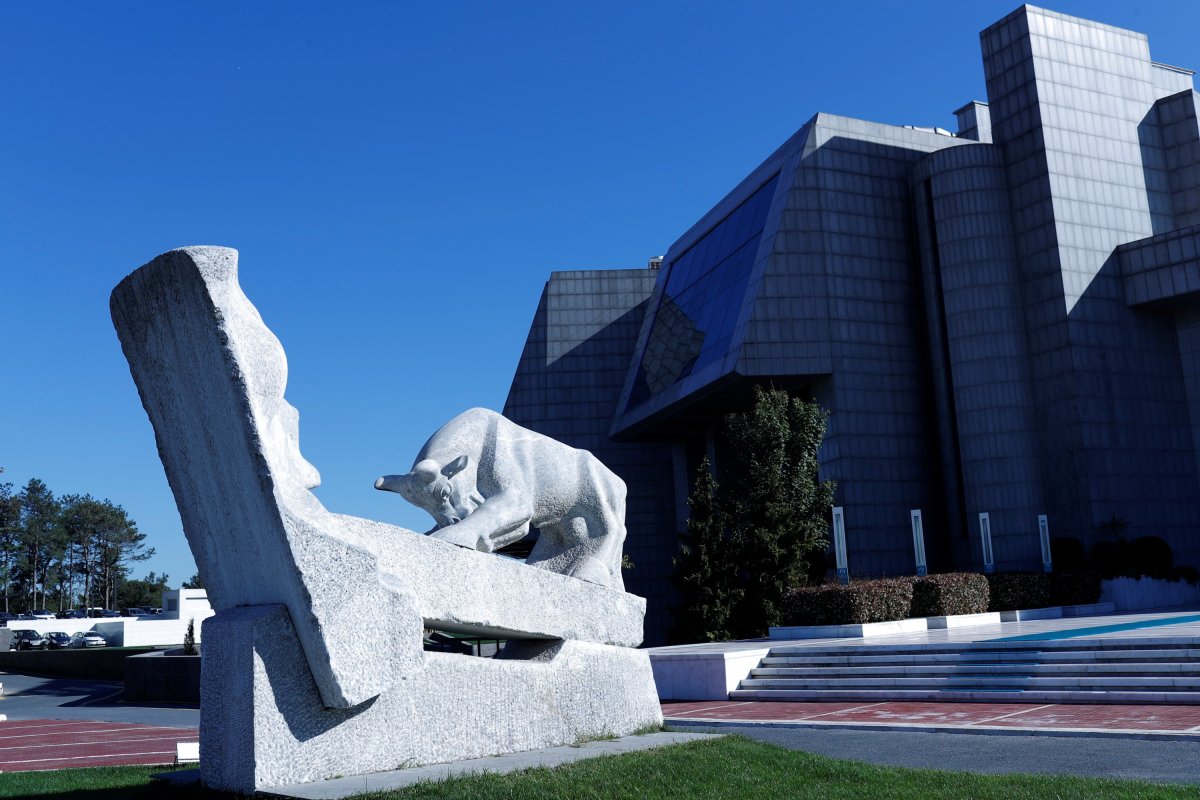
Background to the March Restrictions
The Capital Markets Board imposed a ban on short selling in Borsa Istanbul's equity market on March 1. This step followed attacks launched by Israel and the United States on Iran that produced sharp declines across global equity markets. Turkish authorities extended the restriction several times before it reached its final date of June 26.
Mechanics of the Policy Reversal
Borsa Istanbul announced on Monday that the short-selling ban has been lifted. The temporary measures introduced because of the Iran conflict have now expired. In its statement to the Public Disclosure Platform, the exchange confirmed that the 5:1 order-to-trade ratio in the equity market has been reinstated, with the change taking effect immediately on Monday.
Market Operator's Assessment
The decision restores a measure of normal trading activity after several months of constraints. Brokerage commentary from Iş Investment described the move as a positive development. It noted that Turkish authorities appear to be following recommendations from MSCI, the leading global index provider, regarding market practices.
MSCI Concerns and Index Standing
Last week MSCI highlighted recurring issues in Türkiye's equity market, including possible coordinated trading and questions over free-float calculations. The index provider indicated it may open a consultation on the country's index treatment if credible progress is not shown by November. The lifting of the short-selling ban forms part of the response to these flagged concerns.
Regional Geopolitical Linkages
The original restrictions were directly connected to the escalation between Israel, the United States, and Iran. Türkiye sits at the intersection of several Middle East fault lines, including Sunni-Shia competition and the ongoing effects of Iran's regional proxy networks. The expiry of the trading measures therefore reflects both domestic market management and the broader cooling of immediate conflict-driven volatility.
Strategic Calculus for Turkish Policymakers
Turkish authorities balanced investor protection during the acute phase of market stress against the longer-term need to maintain access to international capital. Reinstating the order-to-trade ratio signals a return to standard oversight while addressing MSCI expectations. This approach seeks to limit further pressure on index inclusion without exposing the market to renewed short-term pressures from the Iran-related episode.
Second-Order Effects on Regional Markets
Normalization in Borsa Istanbul may influence sentiment in neighboring equity markets that also faced volatility from the Iran conflict. Gulf states pursuing economic diversification under frameworks such as Vision 2030 continue to watch Turkish policy signals, given shared exposure to energy price movements and cross-border investment flows. The episode underscores how localized trading rules can interact with wider geopolitical risk perceptions.
Outlook for Investors and Future Monitoring
Market participants will now track whether the restored trading parameters produce stable order flows and whether MSCI receives sufficient evidence of progress ahead of its November deadline. Türkiye's handling of these restrictions illustrates the interplay between immediate security-driven interventions and the requirements of global index providers. Continued attention to free-float transparency and trading conduct will shape perceptions of the market's resilience amid persistent regional tensions. By Malik Hassan, Staff Writer
This article was produced with AI-assisted research and editorial support. Reporting is based on sources cited in the article.
What's Your Reaction?
 Like
0
Like
0
 Dislike
0
Dislike
0
 Love
0
Love
0
 Funny
0
Funny
0
 Wow
0
Wow
0
 Sad
0
Sad
0
 Angry
0
Angry
0

India/South Asia Correspondent at Global1.News. Analytical voice with a background in science and health journalism. Based in New Delhi, covering Indian politics, education, healthcare, technology, and policy. Breaks down complex data into clear, actionable reporting.














Comments (0)