
Texas Screwworm Outbreak Sparks Caribbean Biosecurity Fears
The confirmation of more than thirty New World screwworm cases in Texas has sent immediate alarm through Caribbean agriculture ministries, as the parasitic fly threatens to reverse decades of hard-won livestock gains. Farmers in Trinidad and Tobago, Jamaica and Barbados now watch nervously for any risk that the pest could travel back through imported breeding stock or informal trade routes. With food prices already stretched by inflation and climate stress, the outbreak arriv
The confirmation of more than thirty New World screwworm cases in Texas has sent immediate alarm through Caribbean agriculture ministries, as the parasitic fly threatens to reverse decades of hard-won livestock gains. Farmers in Trinidad and Tobago, Jamaica and Barbados now watch nervously for any risk that the pest could travel back through imported breeding stock or informal trade routes. With food prices already stretched by inflation and climate stress, the outbreak arrives at the worst possible moment for island communities that depend on stable meat and dairy supplies.
Texas Screwworm Outbreak Sparks Caribbean Biosecurity Fears
Port of Spain, Trinidad and Tobago — Caribbean farmers are being urged to heighten biosecurity after the New World screwworm was detected on United States soil for the first time since its eradication nearly sixty years ago. The parasitic fly, whose larvae consume living flesh of cattle, dogs and wildlife, has already triggered quarantines across twenty-one Texas counties and prompted the closure of southern ports to livestock imports. Officials in Port of Spain, Kingston and Bridgetown are now assessing how the outbreak could affect already strained regional food supplies.
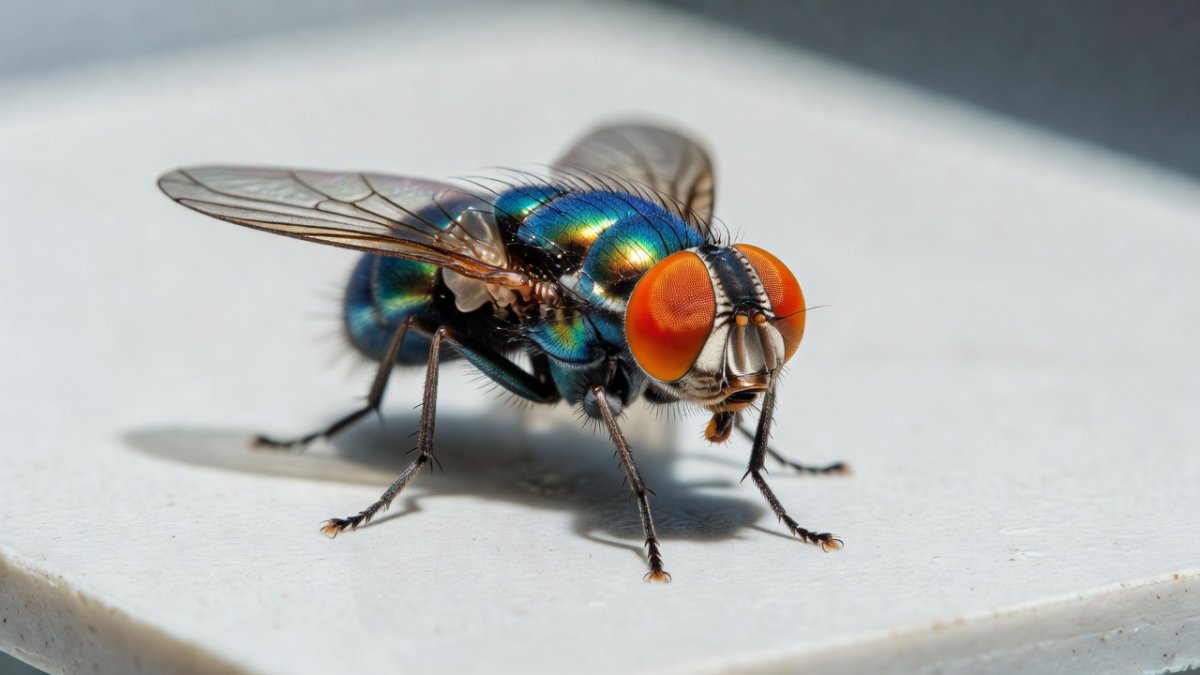
What Is the New World Screwworm?
The New World screwworm is a fly whose larvae burrow into open wounds of warm-blooded animals, feeding on living tissue and causing severe damage or death if untreated. Unlike many parasites that target only dead flesh, this species actively invades healthy skin, making it especially destructive to livestock herds. The pest is endemic across parts of South America and the wider Caribbean basin, where it has long posed a hidden threat to small-scale farmers who lack access to expensive veterinary care.
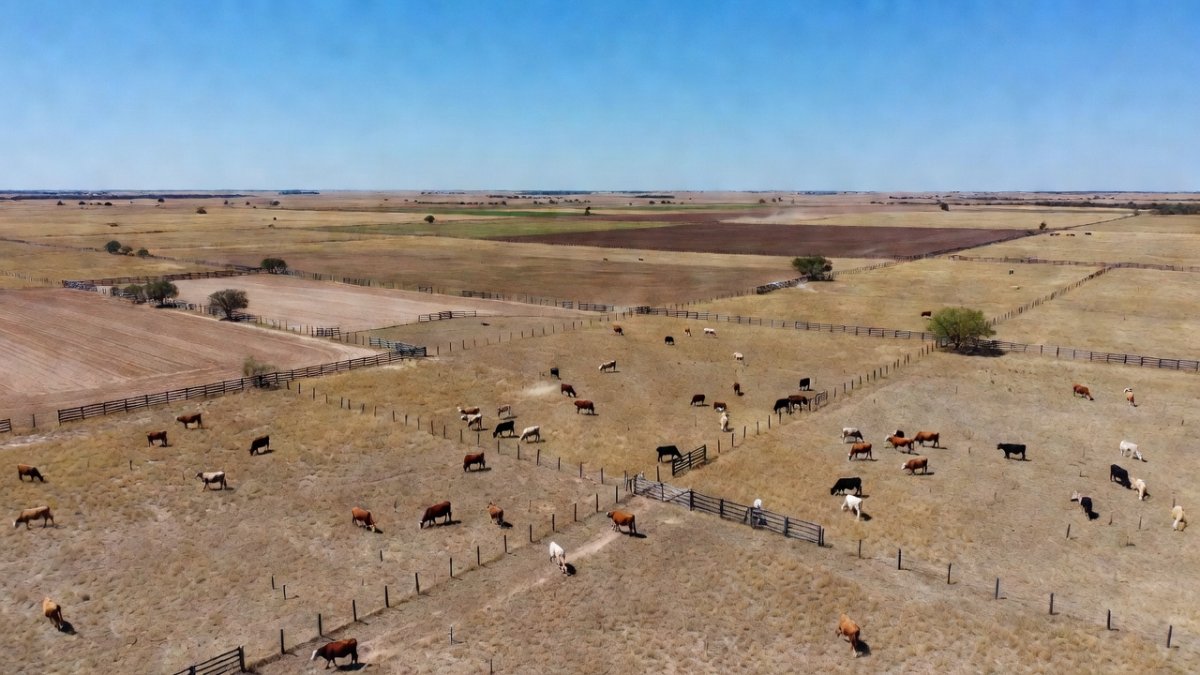
The New World screwworm, scientifically known as Cochliomyia hominivorax, follows a rapid life cycle that begins when adult females lay batches of up to 400 eggs at the edges of open wounds on warm-blooded animals. Within twenty-four hours the eggs hatch into larvae that burrow into living tissue, feeding voraciously for five to seven days before dropping to the ground to pupate; adults emerge roughly one week later, ready to mate and restart the cycle. This progression allows infestations to escalate within days, distinguishing the species from other blowflies that typically target only necrotic tissue.
Diagnosis relies on visual inspection of wounds for the characteristic “screwworm” larvae, which possess distinctive spines and a reddish-brown colour, often confirmed through laboratory analysis by veterinary services. In cattle and other livestock, symptoms include restlessness, reduced appetite, foul-smelling discharge from wounds, and rapid weight loss; untreated cases in young calves or weakened animals carry mortality rates exceeding seventy per cent within two weeks. Caribbean farmers should therefore examine livestock daily, particularly after branding, castration or tick bites, and report any suspicious lesions immediately to extension officers.
Unlike secondary blowflies, Cochliomyia hominivorax actively invades healthy skin, rendering it uniquely dangerous to herds across the Caribbean basin where veterinary access remains limited. Historical records from the 1950s show entire herds decimated before the sterile insect technique was introduced, underscoring the need for vigilance among smallholders who already face rising feed costs.
How the Outbreak Reached US Soil
The current northward advance began in 2023 when the fly moved from Panama and Costa Rica through Central America and into southern Mexico. The first confirmed case in southern Mexico reached United States authorities in November 2024, and by early June this year the parasite had crossed into Texas. Detections have since climbed past thirty cases across Texas, with an additional confirmation in New Mexico, carried by cattle, dogs and wildlife.
Texas Battles the Spread: Quarantines and Emergency Response
Texas Agriculture Commissioner Sid Miller and United States Department of Agriculture officials have placed twenty-one counties under movement restrictions for livestock. All southern ports of entry are now closed to live animal trade in an effort to contain the pest. Since early this year the USDA has released nearly four hundred million sterile flies over Texas and northern Mexico, while an eight point five million dollar production facility is being built in South Texas to rear three hundred million sterilised insects each week.
Texas Agriculture Commissioner Sid Miller, working alongside USDA APHIS, has enforced strict movement controls across a twenty-one-county quarantine zone stretching from the Rio Grande Valley northward to Bexar County. All southern ports of entry have been closed to live cattle, horses and other susceptible species, while checkpoints monitor vehicles for contaminated equipment or hides. These measures directly affect the multi-billion-dollar Texas cattle industry, which exports breeding stock and feeder calves valued at over $3 billion annually to domestic and international markets.
To suppress the outbreak, authorities have already released nearly four hundred million sterile flies across Texas and northern Mexico, with an additional $8.5 million production facility under construction in South Texas designed to rear three hundred million sterilised insects weekly. The facility will bolster the existing sterile insect technique programme that eradicated the pest from the United States in 1966. Economic modelling by the Texas A&M AgriLife Extension Service estimates potential losses of $1.2 billion if the infestation spreads unchecked, including higher treatment costs and reduced herd productivity for ranchers already contending with drought and feed inflation.
Caribbean importers of Texas breeding stock and dairy cattle must now navigate new certification requirements, prompting regional ministries to review biosecurity protocols at ports of entry. Early coordination with APHIS could prevent similar economic shocks in islands where livestock contributes significantly to rural livelihoods and food supply chains.
Regional Impact: What This Means for the Caribbean
Trinidad and Tobago, Jamaica and Barbados face direct risk because the parasite already exists in the wider Caribbean basin and could easily re-enter through informal animal movements or contaminated equipment. Any disruption to livestock imports would push up the price of beef, milk and goat meat at a time when many households are already feeling the squeeze from imported inflation. Regional food security could suffer if breeding programmes stall and local herds decline, forcing greater dependence on expensive foreign protein sources.
Trinidad and Tobago’s Ministry of Agriculture, Jamaica’s Veterinary Services Division and Barbados’s animal health framework are each reassessing import permits for breeding stock and dairy cattle from the southern United States. These nations rely on annual shipments valued at tens of millions of US dollars to replenish herds diminished by local disease and climate stress. Any prolonged restriction could delay genetic improvement programmes and force greater dependence on more expensive European or Australian sources.
Informal trade between islands, including the movement of goats and working animals via small vessels, heightens the risk of reintroduction. Should the screwworm establish itself, local markets would likely see immediate rises in beef, milk and goat meat prices, compounding the already elevated food import bills that account for more than twenty-five per cent of household expenditure in many CARICOM states. Families already coping with inflation would face further pressure on staple proteins essential for nutrition.
Regional cooperation through the Caribbean Agricultural Health and Food Safety Agency could facilitate shared surveillance and rapid response capacity, protecting both commercial producers and smallholders whose livelihoods underpin rural economies across the islands.
The Sterile Insect Technique: A Weapon Against the Parasite
The main defence remains the sterile insect technique, in which millions of laboratory-reared male flies are sterilised and released to mate with wild females, gradually reducing the population. This method successfully eradicated the screwworm from the United States in 1966 and has kept it at bay in Panama for decades. Caribbean veterinary services are now studying whether similar programmes could be established regionally should the fly appear on any island.
Climate Change and the Northward March of Tropical Diseases
Warmer winters across the southern United States and Central America have likely helped the fly survive and spread farther north than in previous decades. Small island developing states such as Trinidad and Tobago already experience shifting rainfall patterns and rising temperatures that favour many tropical pests. The current outbreak serves as a reminder that climate change is not only an environmental issue but a direct threat to the region’s agricultural stability and public health.
Warmer winters across the southern United States and Central America have expanded the screwworm’s overwintering range by several hundred kilometres northward compared with conditions in the 1960s. Caribbean basin temperature records show an average increase of 1.2 degrees Celsius since 1970, allowing the fly to survive year-round in areas previously considered marginal. This shift mirrors the northward spread of other tropical pests and vector-borne diseases such as screwworm’s distant relative, the Old World screwworm, and various tick species affecting livestock.
Small island developing states possess limited laboratory infrastructure, surveillance networks and emergency funding to mount large-scale sterile insect releases, leaving them disproportionately vulnerable. Rising temperatures also intensify rainfall variability, creating more frequent wound opportunities through flooding and heat stress that further favour the parasite’s establishment.
Caribbean governments must therefore integrate climate adaptation into agricultural policy, investing in regional diagnostic hubs and farmer training to safeguard food production against an expanding suite of tropical threats linked directly to global warming.
Looking Ahead
Agriculture ministries across CARICOM are expected to issue updated import guidelines and strengthen surveillance at ports and farms in the coming weeks. Farmers are being encouraged to inspect wounds on livestock daily and report any suspicious lesions immediately to their local extension officers. Early detection remains the best protection for island herds that cannot afford large-scale losses.
The screwworm’s return to North America underscores how closely Caribbean fortunes are tied to events on the mainland. With vigilance, regional cooperation and swift application of proven control methods, Trinidad and Tobago and its neighbours can keep this ancient pest from undermining hard-won gains in food production and rural livelihoods.
By Sharon Sahatoo, Staff Writer
This article was produced with AI-assisted research and editorial support. Reporting is based on sources cited in the article.
What's Your Reaction?
 Like
0
Like
0
 Dislike
0
Dislike
0
 Love
0
Love
0
 Funny
0
Funny
0
 Wow
0
Wow
0
 Sad
0
Sad
0
 Angry
0
Angry
0

Caribbean Correspondent at Global1.News. Based in Port of Spain, Trinidad, covering Caribbean politics, economy, energy, climate, and culture. Amplifying the voices and stories of the Caribbean region.














Comments (0)