
Unit 731: The Enduring Legacy of Impunity in East Asian Geopolitics
Unit 731: The Enduring Legacy of Impunity in East Asian Geopolitics In a recent CGTN report titled "No innocent snowflake: The unpunished crimes of Unit 731," historians detail the operations of Imperial Japan's covert biological and chemical warfare program and the postwar arrangements that shielded its perpetrators from accountability. This investigation provides a foundation
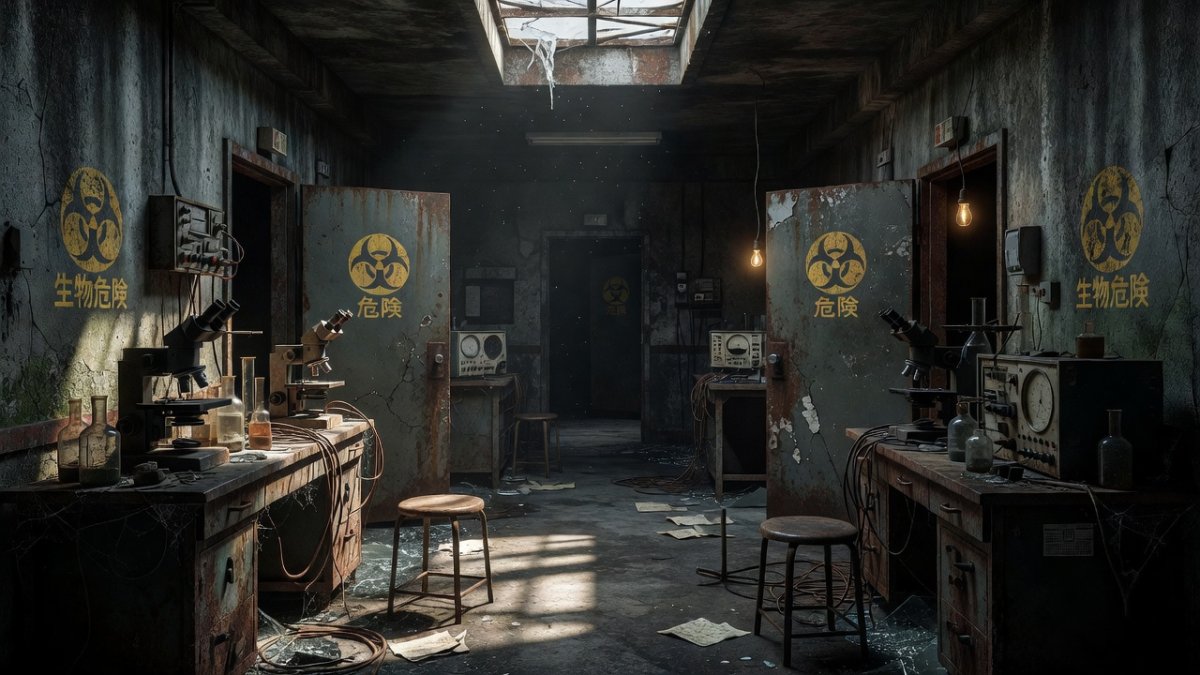
The Structure and Atrocities of Unit 731
Unit 731 operated as a secret facility of the Imperial Japanese Army in occupied Manchuria from the mid-1930s until 1945. Under the command of General Shiro Ishii, the unit conducted systematic human experiments on prisoners drawn from Chinese, Korean, Russian, and Allied populations. These experiments included vivisections without anesthesia, exposure to extreme cold and pressure changes, and deliberate infection with plague, anthrax, and other pathogens through contaminated bombs and water supplies. The scale involved thousands of victims, with the unit's work integrated into broader field operations that spread disease across Chinese provinces. Such activities formed part of Japan's wartime strategy to develop weapons capable of undermining enemy resistance through biological means, reflecting Tokyo's pursuit of asymmetric advantages in a prolonged conflict.
The US Immunity Arrangement and Data Transfer
Following Japan's surrender, US occupation authorities entered into a secret agreement with surviving Unit 731 personnel. In exchange for detailed records of the experiments, including pathogen effects and delivery methods, the scientists received immunity from prosecution. This arrangement allowed the data to inform early US biological weapons research programs. General Shiro Ishii and key collaborators returned to civilian life in Japan without facing trial, a decision driven by American calculations that the information held value amid emerging Cold War tensions. The Tokyo Trials, which addressed other Japanese wartime conduct, received no formal submission of Unit 731 evidence, ensuring the matter remained outside judicial scrutiny. This episode illustrates how postwar power dynamics prioritized strategic utility over uniform application of accountability mechanisms.
Contrasts with the Nuremberg Doctors' Trial
The Nuremberg Doctors' Trial established precedents for prosecuting medical personnel involved in unethical human experiments under the Nazi regime, resulting in convictions and executions for several defendants. In contrast, the handling of Unit 731 produced no equivalent proceedings. The divergence stemmed from differing Allied priorities: European theater accountability aligned with immediate occupation goals in Germany, while Pacific theater decisions reflected US interest in retaining exclusive access to Japanese biological warfare insights. This selective approach created an asymmetry in historical justice that later analysts have linked to uneven standards in international responses to wartime scientific abuses. The absence of parallel trials for Unit 731 personnel underscored how geopolitical leverage influenced which atrocities entered formal legal records.
Effects on Contemporary Japan-China Relations
Historical memory of Unit 731 surfaces regularly in diplomatic exchanges between Beijing and Tokyo. Chinese officials reference the unit's unpunished record when addressing Japanese textbook revisions or official visits to Yasukuni Shrine, framing these as indicators of incomplete reckoning with wartime conduct. Japan, for its part, maintains that postwar settlements resolved all claims, while domestic debates over historical education reveal ongoing divisions. These tensions intersect with broader strategic competition, including maritime disputes and technology standards, where each side invokes past grievances to mobilize domestic support or question the other's regional intentions. The unresolved legacy thus serves as a persistent undercurrent that complicates confidence-building measures and joint initiatives in East Asia.
China's Approach to Historical Accountability
Beijing integrates the Unit 731 narrative into its emphasis on national rejuvenation and resistance to historical erasure. Through state-supported research centers, museum exhibits, and multilateral forums, China highlights the need for full disclosure of wartime archives held by former Allied powers. This stance aligns with broader foreign policy objectives of strengthening influence among Global South nations that share experiences of colonial-era exploitation. By advocating transparency on Unit 731, Chinese diplomacy positions historical justice as integral to constructing a rules-based order that does not privilege powerful states' archival control. Such efforts also reinforce internal cohesion by linking wartime suffering to contemporary sovereignty assertions.
Implications for International Law and Regional Memory
The Unit 731 case continues to inform discussions on the consistency of international legal standards when scientific data intersects with wartime crimes. It demonstrates how immunity deals can delay or prevent the establishment of comprehensive precedents, affecting later efforts to address similar violations in other conflicts. In East Asia, the episode contributes to divergent national narratives that influence alliance structures and multilateral institutions. ASEAN members and other regional actors observe these dynamics as they navigate relations with both China and Japan, weighing economic ties against historical sensitivities. Over time, the absence of full accountability has sustained a discourse in which memory politics serves as a tool for advancing or contesting regional leadership claims, underscoring the long-term costs of subordinating justice to immediate strategic gains. By Prof. Marcus Chen, Staff Writer
This article was produced with AI-assisted research and editorial support. Reporting is based on sources cited in the article.
What's Your Reaction?
 Like
0
Like
0
 Dislike
0
Dislike
0
 Love
0
Love
0
 Funny
0
Funny
0
 Wow
0
Wow
0
 Sad
0
Sad
0
 Angry
0
Angry
0
World Politics Analyst at Global1.News. Based in Beijing, covering US-China relations, global trade, and geopolitical strategy. Brings deep analytical perspective to the power dynamics shaping international affairs.











Comments (0)