
Ukraine Strikes St Petersburg Oil Terminal as UK Fuel Prices Loom
The early-morning drone assault on Russia’s largest Baltic fuel hub has sent immediate ripples across the UK energy market. With British petrol prices already sensitive to global supply shocks, Saturday’s strike on the St Petersburg Oil Terminal underlines how distant battlefield decisions continue to shape household bills from Cornwall to the Highlands. Detailed Account of the
The early-morning drone assault on Russia’s largest Baltic fuel hub has sent immediate ripples across the UK energy market. With British petrol prices already sensitive to global supply shocks, Saturday’s strike on the St Petersburg Oil Terminal underlines how distant battlefield decisions continue to shape household bills from Cornwall to the Highlands.
Detailed Account of the Drone Strike Operation
At approximately 6:30am local time on 4 July 2026, Ukrainian long-range drones struck the St Petersburg Oil Terminal on the Gulf of Finland. The facility, part of the Great Port of St Petersburg, handles 12.5 million tonnes of petroleum products annually and serves as a critical export node for Russia’s north-western energy infrastructure.
St Petersburg Governor Alexander Beglov confirmed the attack was “large-scale”. He reported that 72 Ukrainian drones were shot down over the Leningrad region, with strikes also reported at the Kronstadt naval base of the Baltic Fleet and the port of Vysotsk, 170km north-west of the city. No casualties were recorded.
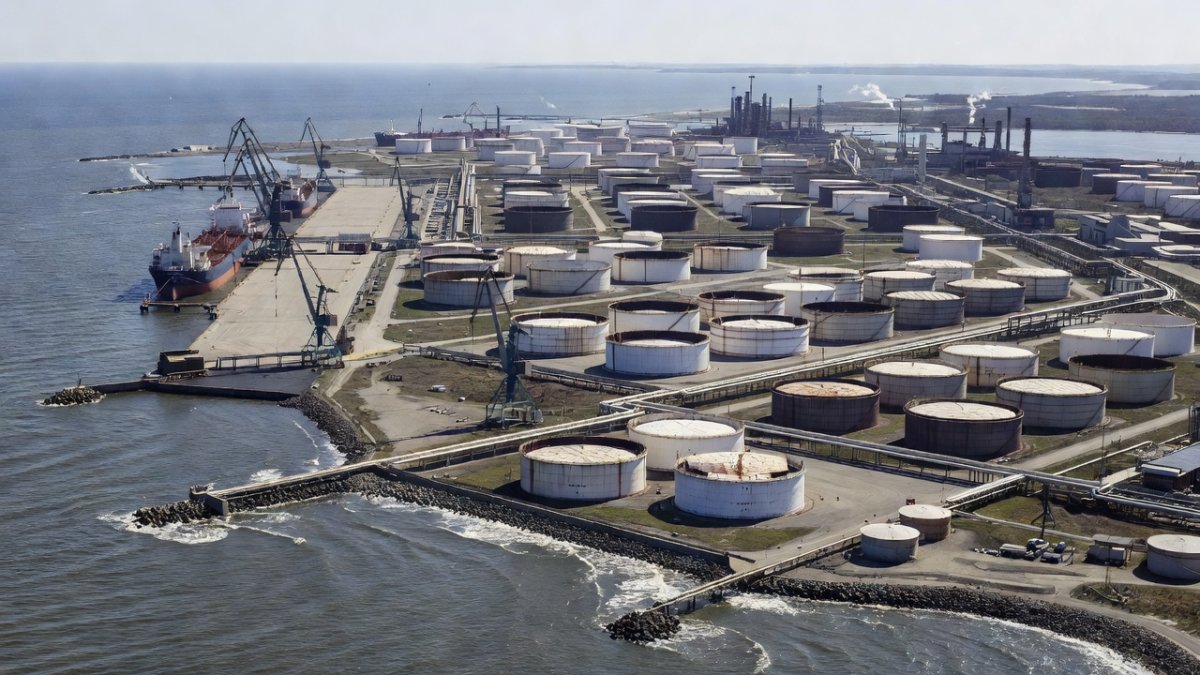
The distance involved—between 850km and 1,100km from Ukraine’s border—demonstrates Kyiv’s growing capacity to reach deep into Russian territory, including Vladimir Putin’s hometown. Russian air defences intercepted more than 500 Ukrainian drones and missiles overnight, according to the Russian defence ministry.
Impact on Russia’s Fuel Crisis and War Economy
The strike arrives as Russia grapples with its most severe domestic fuel shortages since the full-scale invasion began. Ukrainian forces claim they have disabled nearly 43% of Russia’s oil refining capacity. The International Energy Agency has stated that processing rates are likely to remain suppressed until at least mid-2026.
Fuel queues stretching for hours have been reported in at least 20 Russian regions. Last week President Putin made a rare public admission that Ukrainian strikes were responsible for the shortages. On 4 July he signed emergency legislation aimed at boosting domestic fuel supplies.
These disruptions threaten Russia’s ability to sustain both its war machine and internal stability. Revenue from petroleum exports funds a significant portion of military spending, and further degradation of refining infrastructure risks compounding existing economic pressures.
Zelenskyy’s Response and the War of Words over Kostyantynivka
President Volodymyr Zelenskyy framed the operation as “long-range sanctions” targeting infrastructure that generates revenue for Russia’s war effort. He also directly rebutted Putin’s claim that Russian forces had seized Kostyantynivka in Donetsk Oblast.
“Of course, that is not true. It is just another Russian lie,” Zelenskyy stated, adding that Putin should meet him in the city to discuss peace if he genuinely believed it was under Russian control. Putin dismissed the strikes themselves as “not critical”.
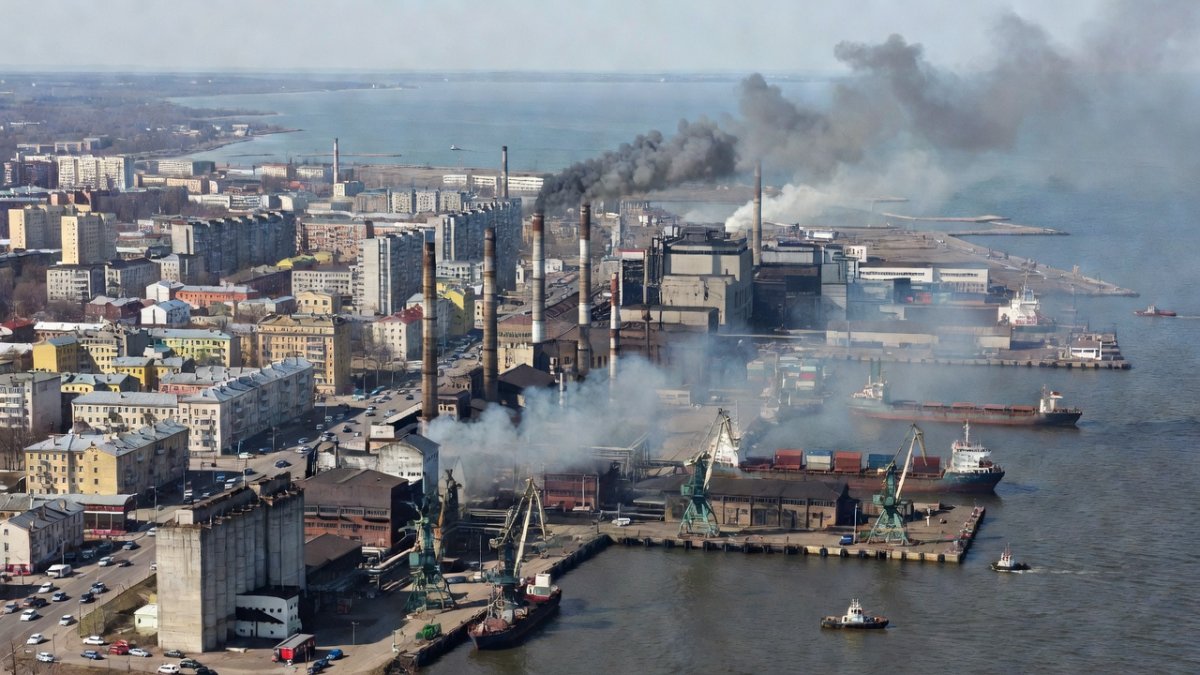
The exchange highlights the information battle being waged alongside the military one, with both sides seeking to shape narratives ahead of next week’s NATO summit in Turkey.
The UK Angle — How This Affects Britain
The United Kingdom has supplied Storm Shadow long-range missiles to Ukraine and the Foreign Office has repeatedly affirmed Kyiv’s right to strike legitimate military targets inside Russia. Saturday’s operation therefore carries direct implications for British policy and public finances.
Global oil market volatility feeds straight into UK pump prices. Any sustained reduction in Russian refining capacity risks upward pressure on Brent crude, affecting motorists, hauliers and heating costs across England, Scotland, Wales and Northern Ireland. The Treasury remains acutely aware of the political sensitivity of energy bills ahead of the next general election cycle.
British defence officials are also monitoring how the strikes influence Russia’s calculations regarding NATO’s eastern flank. The UK’s commitment to collective defence in Eastern Europe means any escalation carries consequences for British forces stationed in Poland and the Baltic states.
What Comes Next — NATO Summit, Fuel Crisis Trajectory
Attention now turns to the NATO summit in Turkey, where allied leaders will discuss further military support for Ukraine and the broader security architecture of Europe. Both Moscow and Kyiv are positioning themselves to influence those deliberations.
The fuel crisis inside Russia shows little sign of easing quickly. With Ukrainian strikes continuing to target energy infrastructure, the International Energy Agency’s projection of suppressed refining capacity until mid-2026 suggests prolonged domestic pressure on the Kremlin.
For British households, the coming months will test how effectively the government can shield consumers from imported energy shocks while maintaining support for Ukraine’s defence. The St Petersburg strike has demonstrated that the war’s economic consequences remain far from contained.
By Erica Thornton, Staff WriterThis article was produced with AI-assisted research and editorial support. Reporting is based on sources cited in the article.
What's Your Reaction?
 Like
0
Like
0
 Dislike
0
Dislike
0
 Love
0
Love
0
 Funny
0
Funny
0
 Wow
0
Wow
0
 Sad
0
Sad
0
 Angry
0
Angry
0

US Politics and Policy Correspondent at Global1.News. Based in Washington DC, covering American politics, policy, elections, and the courts. Knows how the system works and tells you what it actually means.












Comments (0)