
US Strike on Shalamcheh Border Crossing Escalates Iran War
In a dramatic escalation on the 12th consecutive night of US bombing operations against Iran, American forces struck the Iranian side of the Shalamcheh border crossing with Iraq on July 23 2026. Social media videos captured thick smoke billowing from the site near Basra as residents fled and car alarms echoed through the night. Iranian state media confirmed two deaths and 11 injuries, underscoring how the conflict has now directly threatened vital civilian and pilgrimage rout
In a dramatic escalation on the 12th consecutive night of US bombing operations against Iran, American forces struck the Iranian side of the Shalamcheh border crossing with Iraq on July 23 2026. Social media videos captured thick smoke billowing from the site near Basra as residents fled and car alarms echoed through the night. Iranian state media confirmed two deaths and 11 injuries, underscoring how the conflict has now directly threatened vital civilian and pilgrimage routes.
US Strike on Shalamcheh Crossing Escalates Iran War
Dubai, United Arab Emirates — Article continues...
US Strike Targets Iranian Side of Shalamcheh Crossing
On the 12th consecutive night of US bombing operations against Iran, American forces struck the Iranian side of the Shalamcheh border crossing with Iraq on July 23 2026. Social media videos showed thick smoke rising from the site near Basra, with residents running and car alarms blaring. Iranian state media confirmed two people killed and 11 injured in the attack.
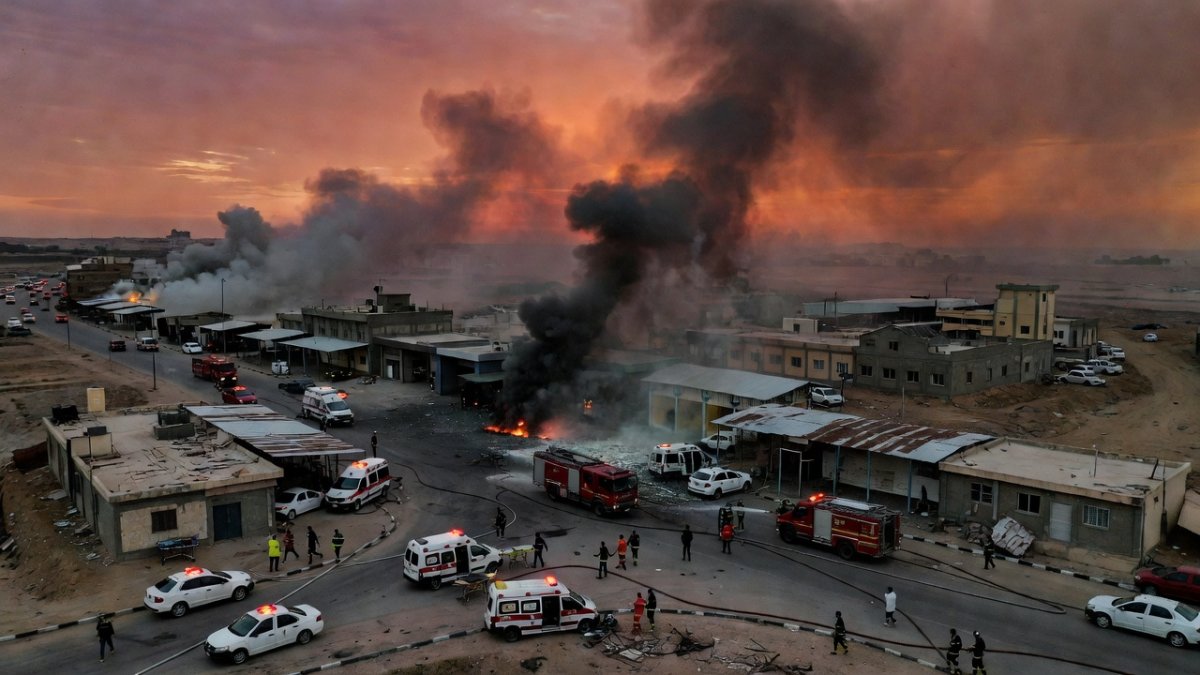
The crossing serves as a vital commercial and pilgrimage route linking Iran to southern Iraq. It facilitates travel to Shia holy sites in Karbala and Najaf, including the massive Arbaeen pilgrimage that draws millions annually.
Five Months of US-Israel Operations Against Iran
The US-Israel war on Iran, which began in late February 2026, has now entered its fifth month. US forces have struck more than 115 targets across Iran, resulting in over 1,000 reported deaths and the elimination of at least 22 Iranian military leaders. Iran has responded with drone and missile attacks on US bases in Iraq, Kuwait, Bahrain, the UAE, and Saudi Arabia.
Houthis in Yemen have also targeted Saudi oil tankers in the Red Sea, with two vessels hit in recent days. The Strait of Hormuz faces partial disruption, pushing WTI crude above $110 per barrel. Iran’s asymmetric strategy has centered on calibrated proxy strikes and maritime harassment rather than direct confrontation, a doctrine refined since the 1980s Tanker War. Iraqi Popular Mobilization Forces units have launched repeated drone attacks on U.S. logistics hubs near Erbil and Al-Asad, while Houthi forces extended their Red Sea campaign to Saudi-flagged tankers. According to the International Crisis Group, these operations have forced Washington to divert significant naval assets to the Gulf, stretching operational tempo across two theaters.
Economically, the conflict has compounded the effects of renewed U.S. sanctions. Iranian oil exports have fallen below 800,000 barrels per day, down from 1.4 million in late 2025, according to data cited by Al Arabiya. The rial has lost more than 40 percent of its value since February, fueling inflation that now exceeds 65 percent in major cities. Carnegie Middle East Center analysts note that Supreme Leader Khamenei’s inner circle faces growing pressure from hardline factions demanding escalation, while pragmatic voices within the IRGC argue for preserving remaining conventional capabilities. Casualty figures released by Iranian state media list at least 22 senior officers killed, including Brigadier General Hamid Rezaei of the Quds Force and two deputy commanders in the air-defense network. Domestic politics have grown more fractious, with student protests reported in Isfahan and Mashhad over economic mismanagement. Chatham House assessments suggest these demonstrations remain localized but could widen if infrastructure damage continues to disrupt electricity and water supplies in western provinces.
Strategic Calculus Behind Targeting Shalamcheh
Shalamcheh holds deep significance beyond logistics. It functions as a primary corridor for Shia pilgrims traveling between Iran and Iraq. A previous US strike at the same location on April 4 killed one Iraqi and wounded five, prompting Iraq to close the crossing temporarily. The latest attack signals Washington’s readiness to hit infrastructure close to civilian movement. Shalamcheh’s location carries heavy historical weight from the Iran-Iraq War. The crossing lies near the former front lines where Iranian forces launched major offensives in 1984–85 to break the siege of Basra. By striking the Iranian side of the facility, U.S. planners appear to be signaling that even routes sanctified by religious pilgrimage are no longer off-limits, a departure from earlier restraint.
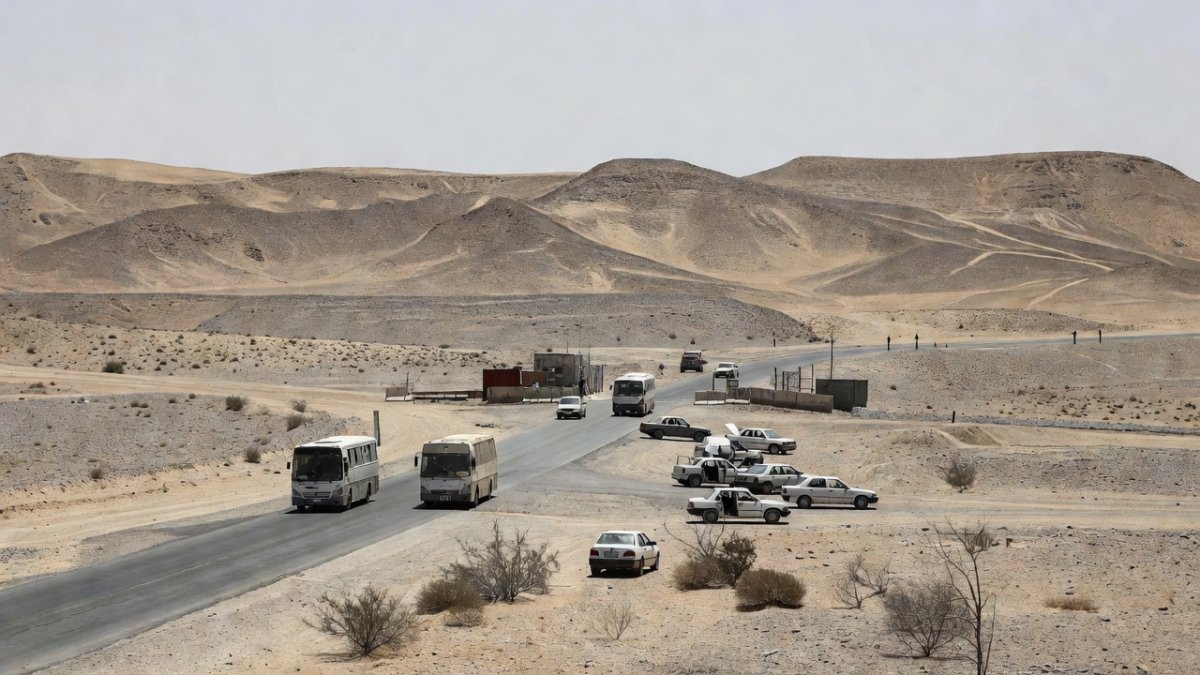
Iraq finds itself squeezed between its longstanding ties with Iran and its security dependence on the United States. Baghdad has avoided direct condemnation while quietly managing the fallout from cross-border strikes. Previous U.S. operations near the Iraqi border, including the April 4 strike that killed one Iraqi civilian, had already prompted Baghdad to impose temporary closures. The latest attack coincides with preparations for the Arbaeen pilgrimage, which normally sees more than 3 million Iranian visitors cross into southern Iraq. Iraqi Foreign Ministry statements have avoided direct criticism of Washington while urging both sides to respect Iraqi sovereignty, reflecting Prime Minister al-Sudani’s narrow room for maneuver between Iranian economic leverage and U.S. security guarantees. Iraq’s position is further complicated by its role as a conduit for Iranian oil smuggling and militia financing. Analysts at the Institute for the Study of War observe that sustained disruption at Shalamcheh could accelerate Baghdad’s efforts to diversify trade routes through Jordan and Turkey, potentially reducing Tehran’s economic hold over its western neighbor over the longer term.
Rubio’s Statements and the Saudi Nuclear Framework
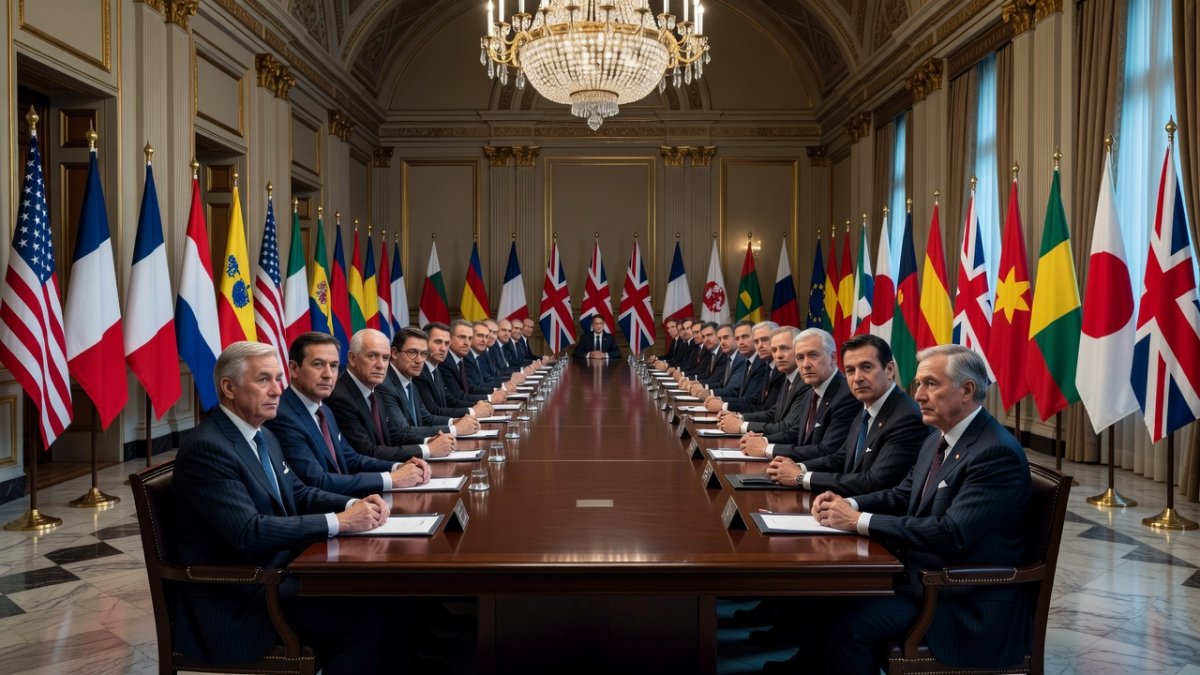
Speaking from the ASEAN summit in Manila, US Secretary of State Marco Rubio stated that “Iran will pay a higher price every night if the conflict continues,” adding that Tehran is not yet prepared to negotiate. Rubio also reaffirmed Saudi Arabia as a strategic US partner and confirmed Washington’s support for the Kingdom’s peaceful civil nuclear program. The US signed a landmark civilian nuclear framework with Saudi Arabia on July 22-23. President Trump conditioned full implementation on Riyadh joining the Abraham Accords and normalizing relations with Israel. This development occurs against the backdrop of Gulf states watching Iranian retaliation strikes on their territories. Congressional concerns over Saudi enrichment capabilities have intensified following the July framework agreement. Several senators on the Foreign Relations Committee have demanded binding limits on uranium enrichment levels and mandatory IAEA inspections, citing the 2015 JCPOA’s shortcomings. Rubio’s public endorsement of Riyadh’s civil nuclear program has therefore been framed in Washington as a deliberate counterweight to Iranian ambitions rather than a simple commercial deal.
Israeli officials have reacted with measured caution. While Prime Minister Netanyahu welcomed the Abraham Accords linkage, defense sources quoted by Al Jazeera expressed worry that any Saudi enrichment infrastructure could eventually fall under Iranian influence through regional instability. This mirrors debates that surrounded the original JCPOA, when Israel argued that temporary restrictions would not prevent a future Iranian breakout. Gulf reactions have been mixed. The UAE has quietly supported the framework as a means to lock Riyadh into non-proliferation norms, while Qatar has emphasized the need for broader regional dialogue. Bahrain’s foreign ministry issued a statement welcoming U.S. security commitments but stopped short of endorsing Saudi enrichment rights, underscoring the delicate balance smaller Gulf states must maintain between Washington and Tehran.
Regional Implications and Proxy Dynamics
Iran’s strategy relies on asymmetric responses through proxies including the Houthis, Iraqi militias, and Hezbollah. The Shalamcheh strike disrupts both commercial flows and religious travel, potentially fueling further militia activity inside Iraq. Meanwhile, Russia’s Dmitry Peskov expressed limited optimism about Ukraine peace prospects following Lavrov-Rubio talks in Manila. US Defense Secretary Pete Hegseth has requested an additional $37.5 billion in war funding. Iranian reports detail extensive damage to civilian infrastructure, including 83,351 residential units, 322 medical centers, and 763 schools. Oil market volatility and the partial closure of Hormuz routes continue to affect energy prices across Asia and Europe. Hezbollah’s leadership in Beirut has so far avoided large-scale escalation, preferring to conserve rocket inventories for a potential wider conflict. Lebanese political sources cited by Al Arabiya indicate that Hezbollah is coordinating with Iranian advisors to maintain supply lines through Syria, yet economic collapse inside Lebanon limits the group’s freedom of action. Turkey’s President Erdogan has attempted to position Ankara as a mediator, offering to host talks while simultaneously deepening defense cooperation with Qatar and Azerbaijan.
Russian-Iranian military cooperation has accelerated since the conflict began. Joint drone production facilities in central Iran are now reportedly operating at higher capacity, according to U.S. intelligence assessments referenced by Chatham House. This partnership directly affects OPEC+ dynamics: any sustained Iranian production cuts tighten global supply, giving Moscow additional leverage in price negotiations with Riyadh. The cumulative effect on global energy security is significant. Partial restrictions on Strait of Hormuz transit have already pushed Asian importers toward longer-term contracts with U.S. and Brazilian suppliers. European governments, facing renewed price spikes, are accelerating strategic reserve releases while quietly urging Washington to define clearer off-ramps for de-escalation. The Shalamcheh strike thus illustrates how infrastructure targeting now intersects with both sectarian pilgrimage routes and the broader contest over energy flows that will shape the region’s strategic balance for years to come. The strike at Shalamcheh underscores how the conflict now directly affects Shia pilgrimage routes and Iraq’s delicate balancing act. Gulf capitals remain wary of further Iranian retaliation while weighing their own positions in any future normalization talks with Israel.
By Malik Hassan, Staff Writer
This article was produced with AI-assisted research and editorial support. Reporting is based on sources cited in the article.
What's Your Reaction?
 Like
0
Like
0
 Dislike
0
Dislike
0
 Love
0
Love
0
 Funny
0
Funny
0
 Wow
0
Wow
0
 Sad
0
Sad
0
 Angry
0
Angry
0

Middle East Correspondent at Global1.News. Based in Beirut, covering politics, conflict, energy, and society across the Middle East. Brings context and depth to a region often reduced to headlines.












Comments (0)